Menu
Store
Blog
Belize_11700BP Belize (Mesoamerica)

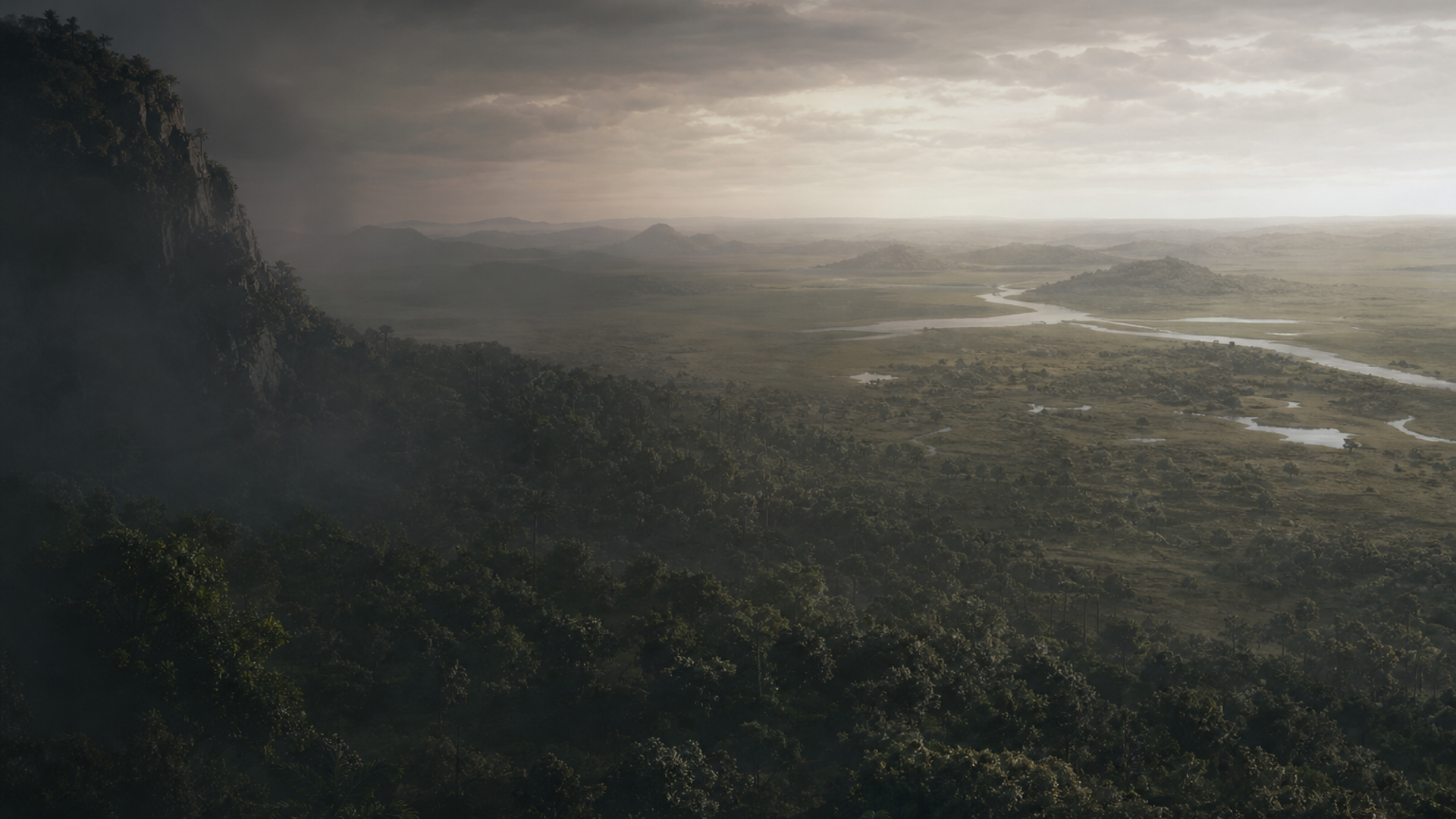
Dawn in the Belize Lowlands

A lone Late Pleistocene individual from Mayahak Cab Pek hints at early Central American lifeways

10100 CE - 9400 BCE
1 Ancient Samples
Scroll to begin
Chapter I

The Story

Understanding the Dawn in the Belize Lowlands culture

Archaeological and genetic evidence from a single burial at Mayahak Cab Pek (c. 10,100–9,400 BCE) offers a preliminary window into Belize's first inhabitants. Limited ancient DNA and material culture connect to wider late‑Pleistocene peopling of the Americas, but conclusions remain tentative.

Time Period

10100–9400 BCE

Region

Belize (Mesoamerica)

Common Y-DNA

Unknown (no reported data)

Common mtDNA

Unknown (no reported data)

Chapter II

Timeline

Key moments in the history of this culture

10100 BCE

Burial at Mayahak Cab Pek

A single interment dated c. 10,100 BCE provides the only direct ancient DNA sample from this Belize late‑Pleistocene context.

Chapter III

Origins & Emergence

Beneath the humid canopy of modern Belize, the remains from Mayahak Cab Pek speak in a hush of stone and bone. Dated to between 10,100 and 9,400 BCE, this individual belongs to the terminal Pleistocene pulse when landscapes warmed and coastlines shifted. Archaeological data indicates ephemeral camps, stone tools compatible with late Paleoindian traditions, and localized plant and faunal exploitation in the lowland karst.

Limited evidence suggests these people were part of broader populations spreading south from North America after the Last Glacial Maximum. The material traces at Mayahak Cab Pek echo technological threads found elsewhere in Central America and southern North America, but regional variation is clear. Environmental reconstruction points to mosaic habitats—riverine corridors, gallery forests, and open wetlands—that would have shaped mobility and resource choice.

Because this profile rests on a single site and one directly sampled individual, any model of emergence is provisional. Archaeological chronology ties this burial to the label "Belize 11,700 Years Ago" in broader regional schemas, but the precise cultural affiliations remain open to revision with new finds and improved dating.

  • Dated c. 10,100–9,400 BCE at Mayahak Cab Pek, Belize
  • Late Pleistocene setting with mixed forest and wetland resources
  • Connections to wider late‑Pleistocene dispersals, but details are provisional
Chapter IV

Daily Life & Society

Material remains from the Mayahak Cab Pek context are sparse but evocative. Stone reduction debris and a small toolkit suggest highly mobile lifeways: bifacial points for hunting, flake tools for butchery and plant processing, and expedient implements fashioned from locally available chert. Zooarchaeological traces indicate hunting of medium‑sized mammals and exploitation of freshwater resources, while pollen and starch residues hint at gathering of tubers and seeds.

Social organization can only be sketched in silhouette. Mobility patterns implied by the toolkit suggest small, flexible groups occupying riparian corridors and seasonally using resource patches. Burial treatment of the sampled individual—interment within a protected karst depression—suggests care for the dead and emerging place attachment. Ritual life, symbolism, and detailed social roles remain largely invisible in the surviving record.

Archaeological interpretation emphasizes adaptation: a community finely tuned to a changing postglacial environment, combining hunting, gathering, and intimate knowledge of karst landscapes. Yet these inferences must remain cautious given the single sampled context.

  • Small, mobile groups exploiting riverine and wetland resources
  • Stone toolkit indicates hunting, butchery, and plant processing
Chapter V

Genetic Profile

Genetic information for Belize_11700BP derives from a single ancient individual excavated at Mayahak Cab Pek. This solitary sample provides an invaluable but limited genetic window. Laboratory results (where reported) allow preliminary comparison to known ancient American lineages: broad affinities to early Native American genetic variation are plausible, consistent with models of late‑Pleistocene migrations via Beringia and subsequent southward movements.

Critically, no common Y‑DNA or mtDNA haplogroups are currently reported for this individual in the available dataset. That absence prohibits confident assignment to specific maternal or paternal lineages. Population‑level inference (e.g., admixture events, substructure) cannot be robustly made from one genome. When sample counts are below ten, researchers must treat genetic interpretations as provisional: allele sharing patterns can hint at relationships to Ancient Beringians, early North American groups, or later Central American populations, but such signals require replication.

Going forward, additional samples from Belize and neighboring regions will be essential to place Belize_11700BP within the wider genetic map of the Americas. For now, the genetic story is a whisper—suggestive, atmospheric, and awaiting corroboration.

  • Single ancient genome offers only preliminary genetic insight
  • No reported Y‑DNA or mtDNA haplogroups; broader affinities possible but unconfirmed
Chapter VI

Legacy & Modern Connections

The Mayahak Cab Pek individual represents an early chapter in the deep human history of Belize and Mesoamerica. Archaeologically, these early foragers set the stage for millennia of cultural innovation in the region—from later Archaic foraging adaptations to the eventual rise of sedentary agricultural communities.

Genetically, the find underscores continuity in the peopling of the Americas while highlighting gaps in our knowledge. Modern Indigenous populations in Belize and surrounding countries inherit complex ancestries shaped by these early arrivals, subsequent migrations, and thousands of years of local evolution. Any direct lineage claims from one ancient individual to living groups are speculative; instead, this burial contributes to a mosaic that, with more data, will clarify long‑term demographic threads.

In museum narratives and scientific syntheses, Belize_11700BP should be presented as a poignant, preliminary signal from the late Pleistocene—a human presence whose full significance will become clearer as archaeology and ancient DNA sampling expand.

  • An early element in the long human history of Belize
  • Contributes to broader narratives of the peopling of the Americas, but links to modern groups remain tentative
Chapter VII

Sample Catalog

1 ancient DNA samples associated with the Dawn in the Belize Lowlands culture

Ancient DNA samples from this era, providing genetic insights into the people who lived during this period.

1 / 1 samples
Portrait Sample Country Era Date Culture Sex Y-DNA mtDNA
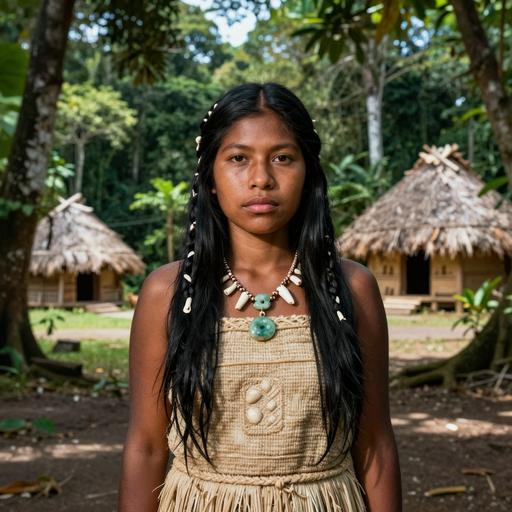
Portrait of ancient individual I24541 from Belize, dated 10100 BCE
I24541
Belize Belize_11700BP 10100 BCE Pre-Columbian Mesoamerican U - -
AI Powered

AI Assistant

Ask questions about the Dawn in the Belize Lowlands culture

AI Assistant by DNAGENICS

Unlock this feature
Ask questions about the Dawn in the Belize Lowlands culture. Our AI assistant can explain genetic findings, historical context, archaeological evidence, and modern connections.
Sample AI Analysis

The Dawn in the Belize Lowlands culture represents a fascinating chapter in human history...

Genetic analysis reveals connections to earlier populations while showing evidence of unique adaptations and cultural innovations. The ancient DNA samples provide insights into migration patterns, social structures, and the biological relationships between ancient populations.

This is a preview of the AI analysis. Unlock the full AI Assistant to explore detailed insights about:

  • Genetic composition and ancestry
  • Migration patterns and origins
  • Daily life and cultural practices
  • Modern genetic legacy
Use code for 35% off Expires May 20