Menu
Store
Blog
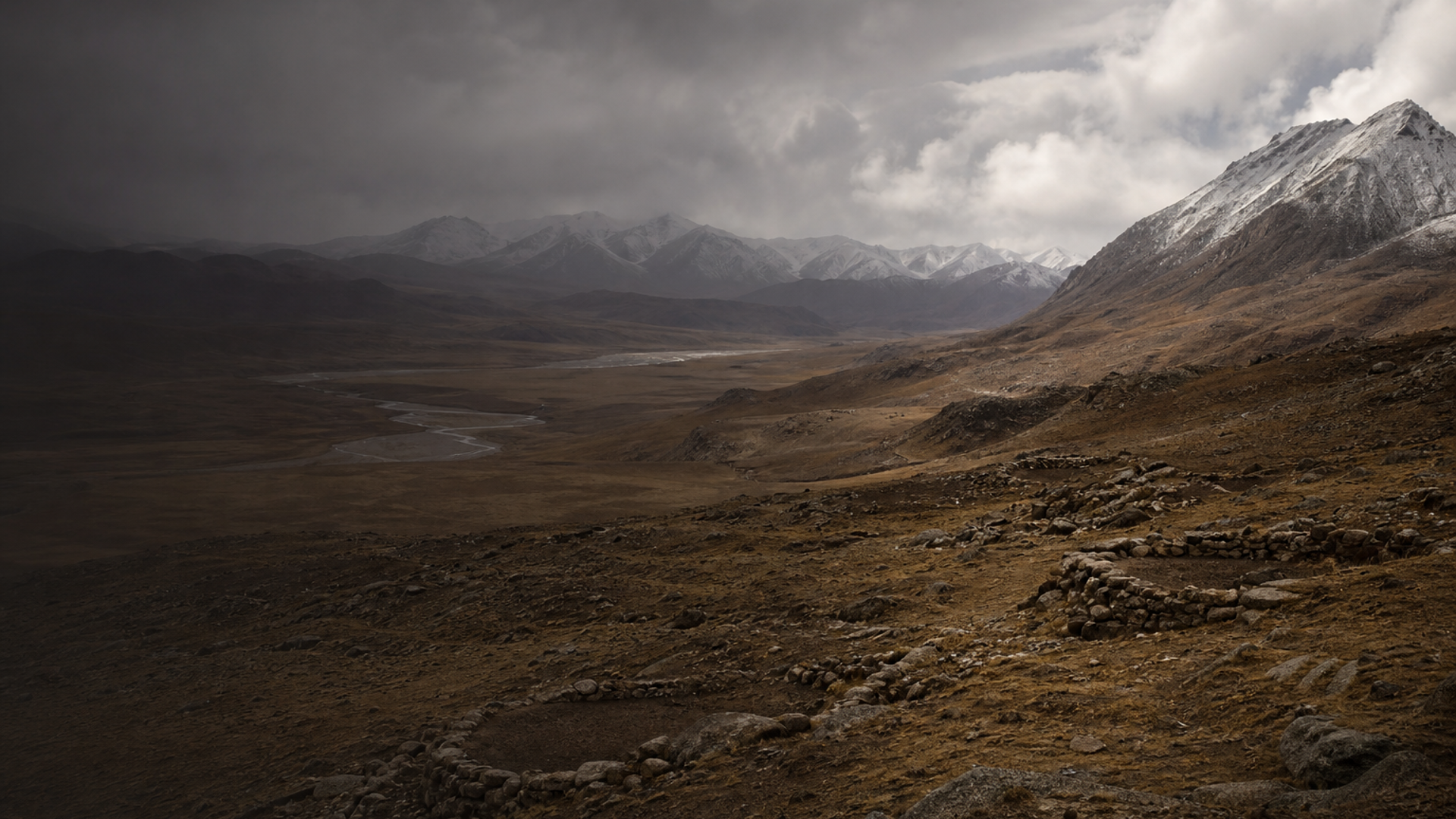
TibetanPlateau_Zongri Tibetan Plateau, China (Nagqu, Shigatse, Ngari, Yushu, Hainan/Zongri)

Early Tibetan: Voices from the High Plateau

Archaeology and ancient DNA tracing human presence across Tibet's high places

24562 BCE - 1950 CE
20 Ancient Samples
Scroll to begin
Chapter I

The Story

Understanding the Early Tibetan: Voices from the High Plateau culture

A synthesis of archaeological and genetic evidence from 48 samples across Tibetan Plateau sites (Zongri, Nagqu, Shigatse, Ngari, Yushu). Archaeological data and DNA (Y and mtDNA) reveal a long, complex human presence with links to northeastern and high‑altitude East Asian lineages, though interpretations remain cautious.

Time Period

c. 24562 BCE – 1950 CE

Region

Tibetan Plateau, China (Nagqu, Shigatse, Ngari, Yushu, Hainan/Zongri)

Common Y-DNA

N (14), O (6), D (5), C (3), CT (1)

Common mtDNA

G (5), D (4), D4i (3), M (3), A6 (1)

Chapter II

Timeline

Key moments in the history of this culture

24562 BCE

Earliest reported deep-time deposit

A very early dated context (reported ~24562 BCE) suggests Pleistocene presence but requires careful reassessment of association and calibration.

3000 BCE

Holocene occupation intensifies

Archaeological evidence across terraces and valleys points to increasing use of alpine zones, with hunting and early pastoral activities.

1000 CE

Medieval-to-modern continuity

Later samples approach historically documented pastoral forms; genetic signals begin to reflect broader East Asian admixture.

Chapter III

Origins & Emergence

The Early_Tibetan assemblage records human presence on the high plateaus and river valleys of Tibet across an exceptionally long span. Archaeological data indicates occupation at named sites including Zongri (Hainan), Ousui and Ounie (Nagqu), Sila (Shigatse), Piyangjiweng (Ngari), Yushu, Yusa (Shannan), Rangjun, Zhangcun and Sding Chung (Shigatse). Some radiocarbon or contextual ages extend into deep prehistory (an earliest reported date ~24562 BCE), suggesting either isolated Pleistocene deposits or issues of material association and dating that require careful reevaluation. More securely dated Holocene contexts document repeated use of alpine meadows, river terraces and sheltered valleys.

Limited evidence suggests continuity in place use across millennia: seasonal hunting and foraging sites give way, in later periods, to pastoral and small-scale agropastoral settlements. The material record — lithics, hearths, faunal remains and occasional mortuary contexts — speaks to adaptive strategies in thin air and cold, where mobility, herd animals and local plant use would shape lifeways. Archaeological interpretation must remain cautious: stratigraphic mixing, variable preservation and the patchy nature of surveys mean that claims of uninterrupted occupation should be framed as provisional. Genetic data (see below) helps to test hypotheses of continuity versus population replacement and mobility across the plateau.

  • Sites span Nagqu, Shigatse, Ngari, Yushu and Hainan/Zongri
  • Earliest reported dates reach into the late Pleistocene; these require careful scrutiny
  • Material culture suggests long-term adaptation to high-altitude environments
Chapter IV

Daily Life & Society

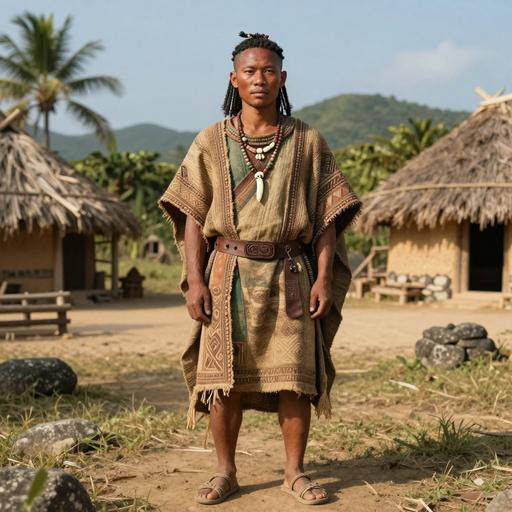
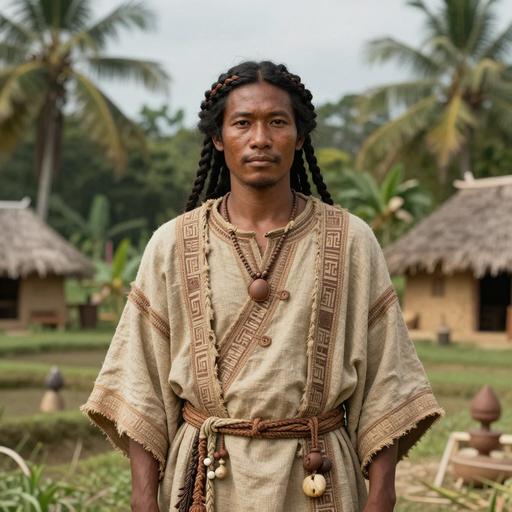
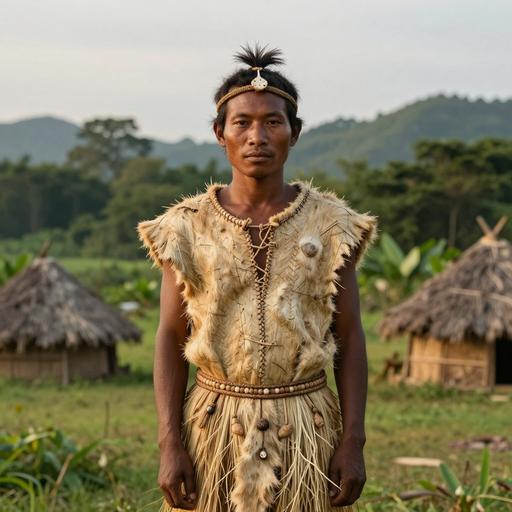
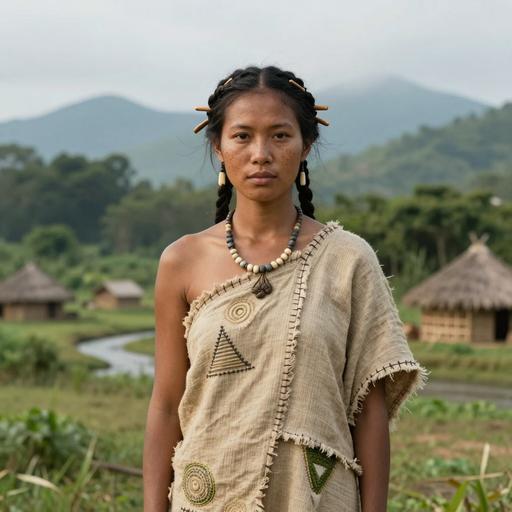
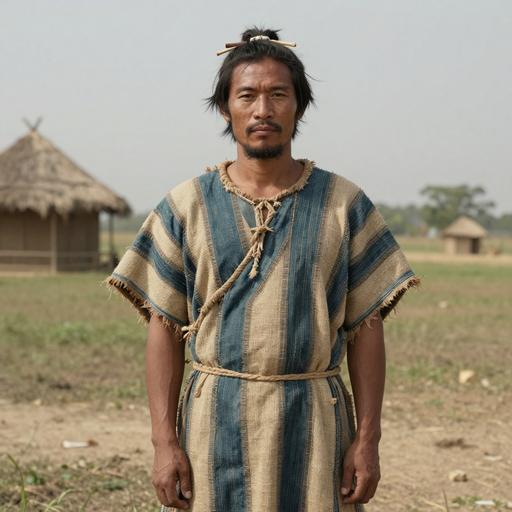
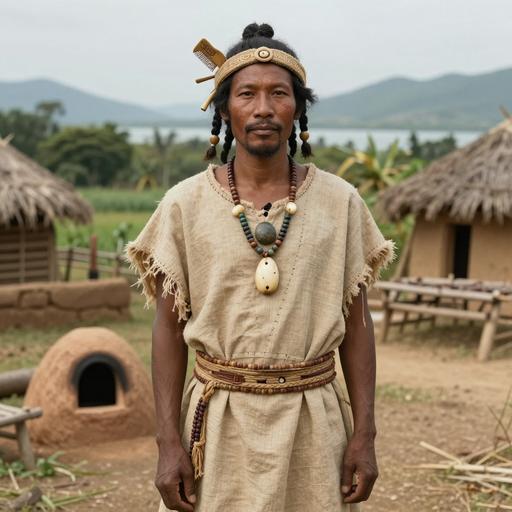
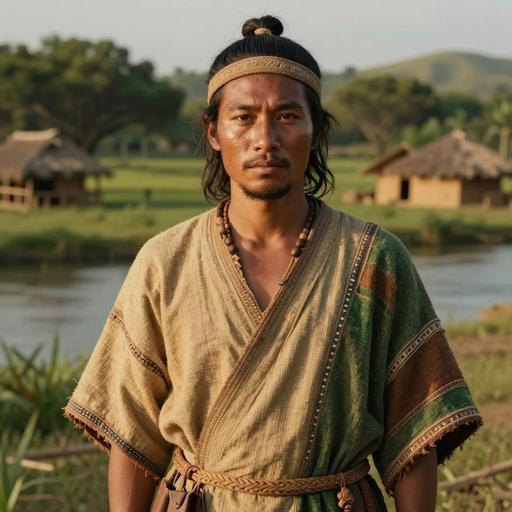
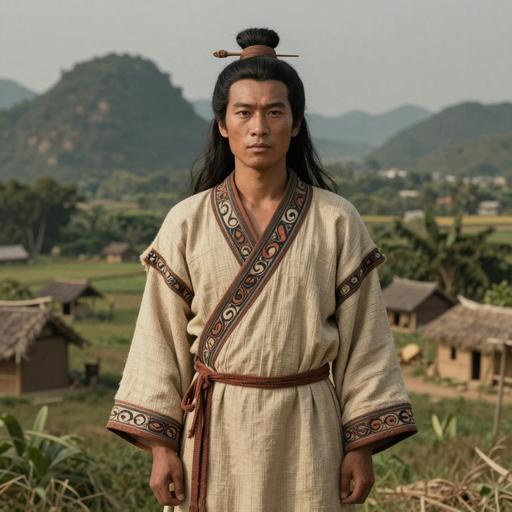
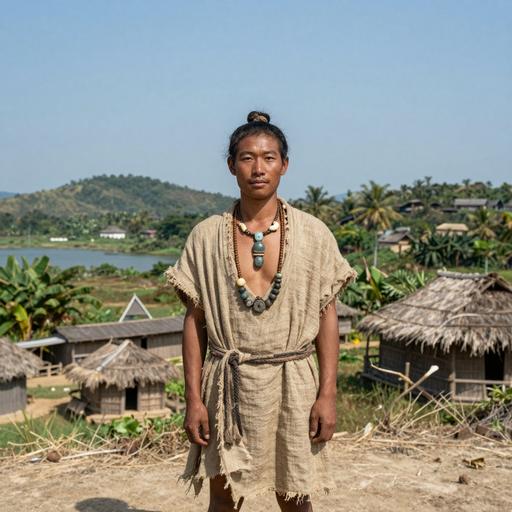
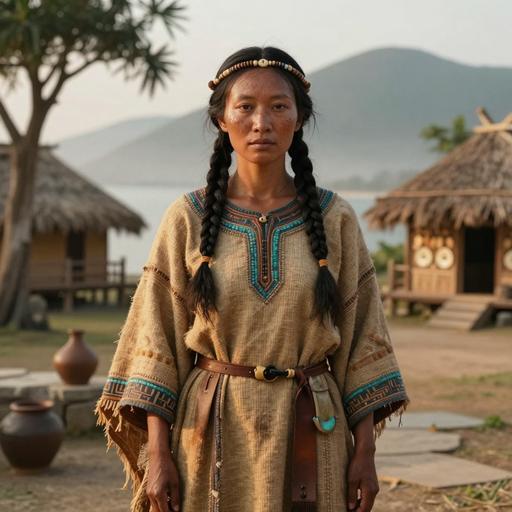
Daily life on the Early_Tibetan plateau, as reconstructed from scattered archaeological contexts, would have been shaped by altitude, seasonality and resource patches. Hearths and burned bone at multiple sites imply reliance on wild ungulates and, later, domesticated herds; cut-marked bones and toolkits indicate hunting and butchery combined with skin and hide working. Temporary camps on river terraces and alpine meadows fit a pattern of mobility: households likely followed pasture rotations and exploited riparian resources during the short growing season.

Material culture is generally simple and functional: flake tools, ground stone for plant processing, and storage pits in later horizons. Architectural traces are limited; where stone foundations or cairns appear, they tend to mark more permanent or ritual activity. Mortuary practices show regional diversity — isolated burials coexisting with probable secondary deposition in some sites — but the small and discontinuous sample sizes make firm generalizations risky.

Climate oscillations and glacial influence would have punctuated lifeways: periods of relative warmth allow expanded use of upland zones, while colder phases compress populations into refugia. Ethnographic analogy with historic Tibetan pastoralists helps envision household organization, but archaeologists emphasize that deep-time parallels must be used cautiously.

  • Seasonal mobility and pastoral strategies emphasized by faunal and camp evidence
  • Simple toolkits and episodic structures reflect adaptation to harsh environments
Chapter V

Genetic Profile

The genetic profile of the 48-sample Early_Tibetan collection provides a tangible bridge between bones and behavior. Y-chromosome haplogroups are dominated by N (14), with notable counts of O (6), D (5), C (3) and a single CT lineage. Maternal lineages are represented by G (5), D (4), D4i (3), M (3) and A6 (1). These markers together suggest a complex web of ancestry with major contributions from northeastern and high-altitude East Asian lineages.

Haplogroup N is often associated with northern East Asian hunter-gatherer and forest-steppe groups; its prominence here may reflect north–northeastern connections into parts of the plateau. Haplogroup D — seen in Tibetans and some Andaman and East Asian populations — appears at moderate frequency and is consistent with lineages associated with high-altitude adaptation zones. Haplogroup O reflects broader East Asian agricultural expansions; its presence points to gene flow from lowland agrarian groups at various times. Maternal haplogroups G, D and M are common across northern and eastern Asia and align with regional Holocene demographics.

Caveats: while 48 samples are a meaningful dataset for the plateau, temporal heterogeneity (samples span ~25,000 years to recent centuries) complicates chronological interpretation. Population continuity, admixture timing and links to cultural transitions require denser temporal sampling and formal modeling. Haplogroups indicate ancestry components but do not map cleanly onto language, culture or subsistence without integrated archaeological context.

  • Y-DNA dominated by N, with O, D and C indicating mixed northern and East Asian inputs
  • mtDNA (G, D, M) aligns with northeastern/plateau maternal lineages; interpretations are provisional
Chapter VI

Legacy & Modern Connections

The Early_Tibetan assemblage connects deep-time human presence to the living mosaic of Tibetan populations. Genetic affinities seen in Y and mtDNA echo components present in modern Tibetan and neighboring East Asian groups, supporting scenarios of long-term local ancestry combined with episodic inflows. Archaeological continuity in certain valleys and the persistence of high-altitude adaptations point to enduring cultural strategies: pastoralism, transhumance and sacred landscape use.

Importantly, modern cultural identity is shaped by many recent historical processes; ancient DNA offers one line of evidence among archaeology, linguistics and ethnography. Because the dataset spans a vast temporal range and sample sizes per subperiod vary, claims of direct ancestry should be framed as hypotheses to be tested with denser sampling and formal demographic models. When sample counts per site or period are small, conclusions remain tentative. Nonetheless, this combined archaeological–genetic picture powerfully illustrates how human communities have repeatedly learned to live—and thrive—on the world’s highest inhabited plateaus.

  • Genetic components echo in modern Tibetan groups, suggesting long-term regional ancestry
  • Dense, well-dated sampling is needed to clarify continuity versus episodic migration
Chapter VII

Sample Catalog

20 ancient DNA samples associated with the Early Tibetan: Voices from the High Plateau culture

Ancient DNA samples from this era, providing genetic insights into the people who lived during this period.

20 / 20 samples
Portrait Sample Country Era Date Culture Sex Y-DNA mtDNA
Portrait of ancient individual C4783_C202 from China, dated 3311 BCE
C4783_C202
China TibetanPlateau_Zongri 3311 BCE Early Tibetan M N-CTS4714 D4i
Portrait of ancient individual C056 from China, dated 2907 BCE
C056
China TibetanPlateau_Zongri 2907 BCE Early Tibetan F - -
Portrait of ancient individual C205 from China, dated 2137 BCE
C205
China TibetanPlateau_Zongri 2137 BCE Early Tibetan M N-F2407 -
Portrait of ancient individual C208 from China, dated 2893 BCE
C208
China TibetanPlateau_Zongri 2893 BCE Early Tibetan M O-CTS3776 -
Portrait of ancient individual C4774 from China, dated 3400 BCE
C4774
China TibetanPlateau_Zongri 3400 BCE Early Tibetan M O-CTS3776 G2b2a
Portrait of ancient individual C4775 from China, dated 3400 BCE
C4775
China TibetanPlateau_Zongri 3400 BCE Early Tibetan F - D4
Portrait of ancient individual C4777 from China, dated 2137 BCE
C4777
China TibetanPlateau_Zongri 2137 BCE Early Tibetan M N-CTS4714 D4i
Portrait of ancient individual C4778 from China, dated 3400 BCE
C4778
China TibetanPlateau_Zongri 3400 BCE Early Tibetan F - G2b2a
Portrait of ancient individual C4779 from China, dated 3400 BCE
C4779
China TibetanPlateau_Zongri 3400 BCE Early Tibetan M N-F2407 G2b2a
Portrait of ancient individual C4780 from China, dated 3400 BCE
C4780
China TibetanPlateau_Zongri 3400 BCE Early Tibetan M I-BY3778 G2b2a
AI Powered

AI Assistant

Ask questions about the Early Tibetan: Voices from the High Plateau culture

AI Assistant by DNAGENICS

Unlock this feature
Ask questions about the Early Tibetan: Voices from the High Plateau culture. Our AI assistant can explain genetic findings, historical context, archaeological evidence, and modern connections.
Sample AI Analysis

The Early Tibetan: Voices from the High Plateau culture represents a fascinating chapter in human history...

Genetic analysis reveals connections to earlier populations while showing evidence of unique adaptations and cultural innovations. The ancient DNA samples provide insights into migration patterns, social structures, and the biological relationships between ancient populations.

This is a preview of the AI analysis. Unlock the full AI Assistant to explore detailed insights about:

  • Genetic composition and ancestry
  • Migration patterns and origins
  • Daily life and cultural practices
  • Modern genetic legacy
Use code for 30% off Expires May 12