Menu
Store
Blog
Russia_KusnarenkovoKarajakupovo_Medieval Russia (Karelia, Ingria, Trans‑Ural), Finland

Echoes of Finno‑Ugric North

Archaeology and DNA tracing lives from Mesolithic Karelia to Medieval Ingria (7050 BCE–900 CE)

7050 BCE - 900 CE
1 Ancient Samples
Scroll to begin
Chapter I

The Story

Understanding the Echoes of Finno‑Ugric North culture

A synthesis of 27 ancient genomes from Russia and Finland (7050 BCE–900 CE) linking tarand cemeteries, Mesolithic gravefields and bog burials with a mixed genetic heritage: dominant R Y‑lineages, diverse maternal lines (H, U, C1*), and signals of east–west admixture across northern Eurasia.

Time Period

7050 BCE – 900 CE

Region

Russia (Karelia, Ingria, Trans‑Ural), Finland

Common Y-DNA

R (6), J (1)

Common mtDNA

H (6), U (5), C1* (2), T (2), H3h (2)

Chapter II

Timeline

Key moments in the history of this culture

7050 BCE

Mesolithic burials in Karelia

Early Mesolithic cemetery activity at Yuzhnyy Oleni Ostrov marks some of the earliest human interments in the dataset and anchors a long regional sequence of occupation.

Chapter III

Origins & Emergence

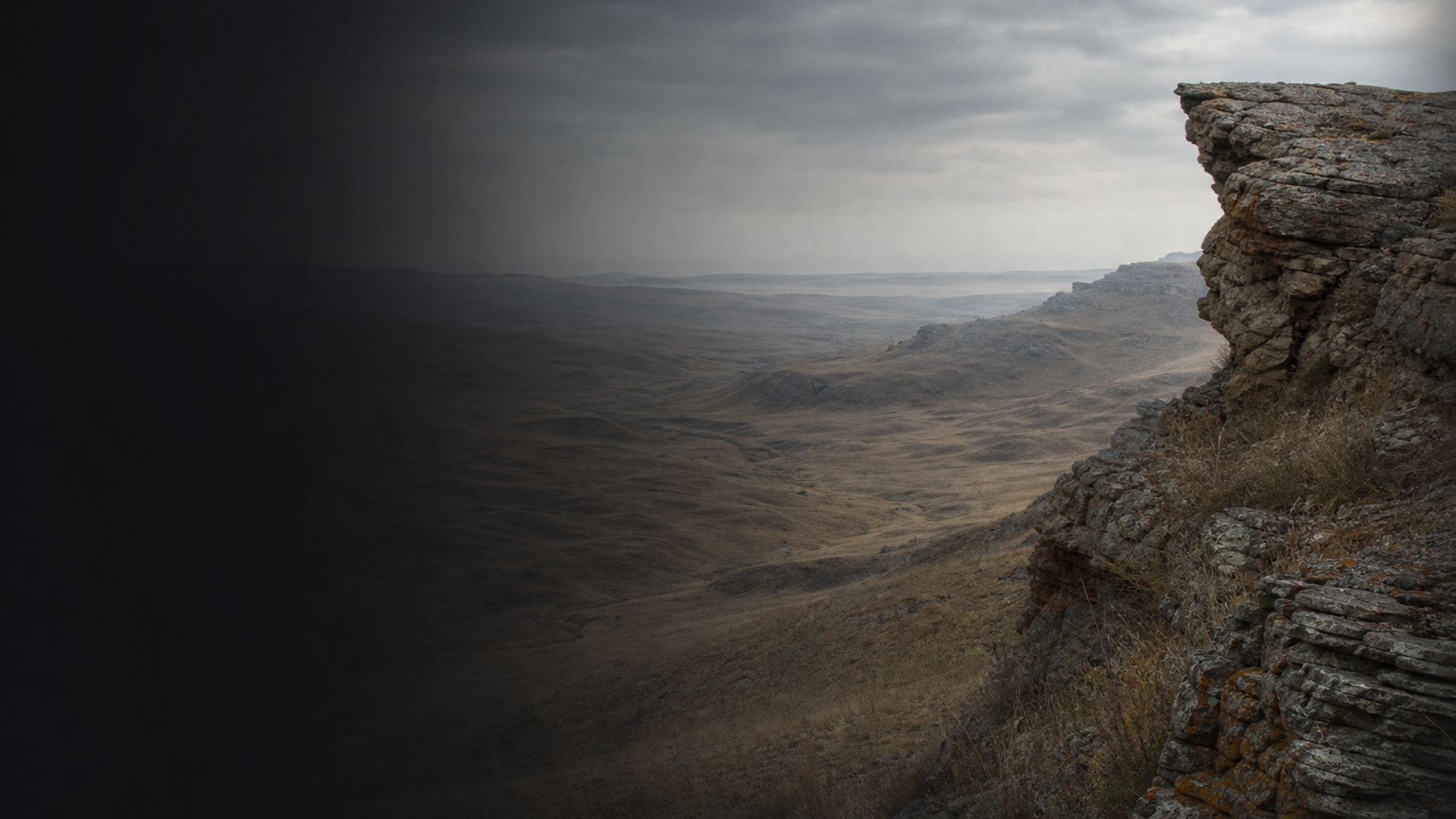
The deepest roots of this Finno‑Ugric–associated assemblage reach into a dramatic northern landscape of lakes and conifer forests. Archaeological anchors in the dataset include Yuzhnyy Oleni Ostrov — a Mesolithic cemetery in Karelia — and a broad scatter of later sites across Ingria, Ivanovo Oblast (Bolshoye‑Davydovskoye‑2) and the Trans‑Ural (Uyelgi, Chelyabinsk). The full chronological sweep (7050 BCE to 900 CE) captures multiple cultural horizons: early hunter–gatherer communities of Karelia, the Davydovskoye archaeological horizon, Iron Age Ingria and medieval Kusnarenkovo‑Karajakupovo contexts.

Archaeological data indicates a complex picture of continuity and change rather than a single migratory event. Early Mesolithic burial grounds show long‑standing local traditions of interment; later tarand enclosures and bog burials mark Iron Age and historic ritual landscapes. The genetic evidence from 27 individuals provides a moderate but informative window into this long sequence: the sites cluster geographically around waterways and forested corridors that would have structured mobility, trade and gene flow. Limited evidence suggests that cultural innovations — stone tarands, distinctive funerary assemblages, and shifts in subsistence strategies — often coincide with subtle shifts in genetic composition, implying repeated contacts between local hunter–gatherers and incoming groups over millennia. Caution is required: temporal gaps and uneven sampling mean that many inferences remain provisional.

  • Earliest samples from Mesolithic Karelia (Yuzhnyy Oleni Ostrov)
  • Later archaeological horizons: Davydovskoye, Iron Age Ingria, medieval Trans‑Ural
  • Evidence points to long‑term regional interaction rather than a single migration
Chapter IV

Daily Life & Society

The everyday and the ceremonial in these northern societies were interwoven with the seasonal rhythm of lakes, rivers and forests. Archaeological contexts in Ingria (Kerstovo I, Malli) preserve stone tarand enclosures — rectangular stone outlines used for burials — while Levanluhta in Finland is famous for Iron Age water burials where human remains were deposited in a wetland setting. Such funerary choices reflect social identities expressed through landscape and material practice.

Subsistence strategies were diverse and adapted to northern ecologies: archaeological assemblages indicate fishing, freshwater shellfish exploitation, hunting of forest ungulates and a growing engagement with pastoral or agricultural items in later horizons. Settlement traces cluster near waterways, suggesting boats and riverine routes as the highways of exchange. Craft specializations — flint and bone tools, and later metal artifacts — appear intermittently across sites, indicating both local production and long‑distance contacts.

Archaeological interpretation must be careful: preservation bias in wetlands and the variable visibility of ephemeral wooden structures can skew our picture. Still, combined osteological and contextual evidence paints a portrait of mobile, adaptable communities with layered ritual practices and social networks that connected the central Russian forest zone, the eastern Baltic coast, and the Trans‑Ural frontier across millennia.

  • Funerary diversity: tarand stones (Ingria), bog burials (Levanluhta), Mesolithic cemeteries
  • Economy centered on fishing, hunting and seasonal mobility with later agricultural signals
Chapter V

Genetic Profile

The genetic snapshot from 27 individuals reveals a mosaic of northern Eurasian ancestries that complements the archaeological record. On the paternal side, broad R lineages appear most frequently (6 individuals) with a single J lineage. R is a wide‑ranging macro‑haplogroup found across Europe and western Eurasia; its presence here is consistent with long‑term west–east connections but does not by itself specify precise source populations or subclades. The single J Y‑chromosome hints at occasional gene flow from more southerly or west Asian sources.

Mitochondrial diversity is pronounced: haplogroups H (6) and U (5) are common and are typical of European maternal lineages, while C1* (2) and other eastern markers (T, H3h) indicate eastern Siberian or circumpolar maternal inputs. The coexistence of western mtDNA (H, U) and eastern types (C1*) in the same regional network is a genetic signature of admixture across northern Eurasia. Temporal layering in the dataset — Mesolithic through Medieval — suggests shifts in maternal composition through time, with some eastern lineages persisting alongside later incoming European‑associated mtDNA.
Interpretive caveats: with 27 genomes the sample is moderate in size. Patterns seen here are suggestive rather than definitive; more high‑resolution Y‑chromosome subtyping and denser temporal sampling would clarify the timing and routes of male‑mediated vs. female‑mediated gene flow. Nonetheless, the combined archaeological and genetic evidence supports a narrative of sustained regional interaction, episodic migration and cultural exchange that shaped ancestral Finno‑Ugric landscapes.

  • Paternal: predominance of broad R lineages; occasional J signal
  • Maternal: mix of western (H, U) and eastern (C1*) lineages indicating admixture
Chapter VI

Legacy & Modern Connections

The traces preserved in stone, bog and bone ripple into the present. Modern populations of Finland, Karelia and neighboring Russian regions carry echoes of the genetic mixtures observed in these ancient samples, but continuity is not one‑to‑one. Linguistic, cultural and genetic identities have been reshaped repeatedly by millennia of contact, trade and mobility. Archaeogenetic links show that some maternal lineages common today (H, U) have deep roots locally, while eastern maternal markers attest to long‑standing links across the taiga and tundra.
Museums and field sites like Levanluhta and Yuzhnyy Oleni Ostrov function as tangible bridges: their human remains, burial architecture and artifacts provide the cultural stage on which genetic actors can be placed. For citizens tracing ancestry through DNA platforms, these data offer a scientifically grounded view of northern Europe as a palimpsest of peoples — not a static homeland but a crossroads where eastern and western gene pools met and blended. Continued sampling, especially from underrepresented time slices and regions, will refine our understanding and bring more nuanced stories into focus.

  • Modern genetic affinities reflect layered admixture, not simple continuity
  • Archaeological sites provide context that anchors DNA-based ancestry narratives
Chapter VII

Sample Catalog

1 ancient DNA samples associated with the Echoes of Finno‑Ugric North culture

Ancient DNA samples from this era, providing genetic insights into the people who lived during this period.

1 / 1 samples
Portrait Sample Country Era Date Culture Sex Y-DNA mtDNA
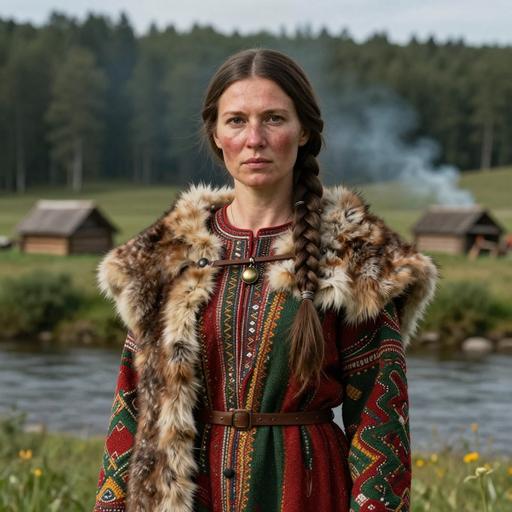
Portrait of ancient individual MS20 from Russia, dated 800 CE
MS20
Russia Russia_KusnarenkovoKarajakupovo_Medieval 800 CE Finno-Ugric U - C1b8
AI Powered

AI Assistant

Ask questions about the Echoes of Finno‑Ugric North culture

AI Assistant by DNAGENICS

Unlock this feature
Ask questions about the Echoes of Finno‑Ugric North culture. Our AI assistant can explain genetic findings, historical context, archaeological evidence, and modern connections.
Sample AI Analysis

The Echoes of Finno‑Ugric North culture represents a fascinating chapter in human history...

Genetic analysis reveals connections to earlier populations while showing evidence of unique adaptations and cultural innovations. The ancient DNA samples provide insights into migration patterns, social structures, and the biological relationships between ancient populations.

This is a preview of the AI analysis. Unlock the full AI Assistant to explore detailed insights about:

  • Genetic composition and ancestry
  • Migration patterns and origins
  • Daily life and cultural practices
  • Modern genetic legacy
Use code for 35% off Expires May 20




