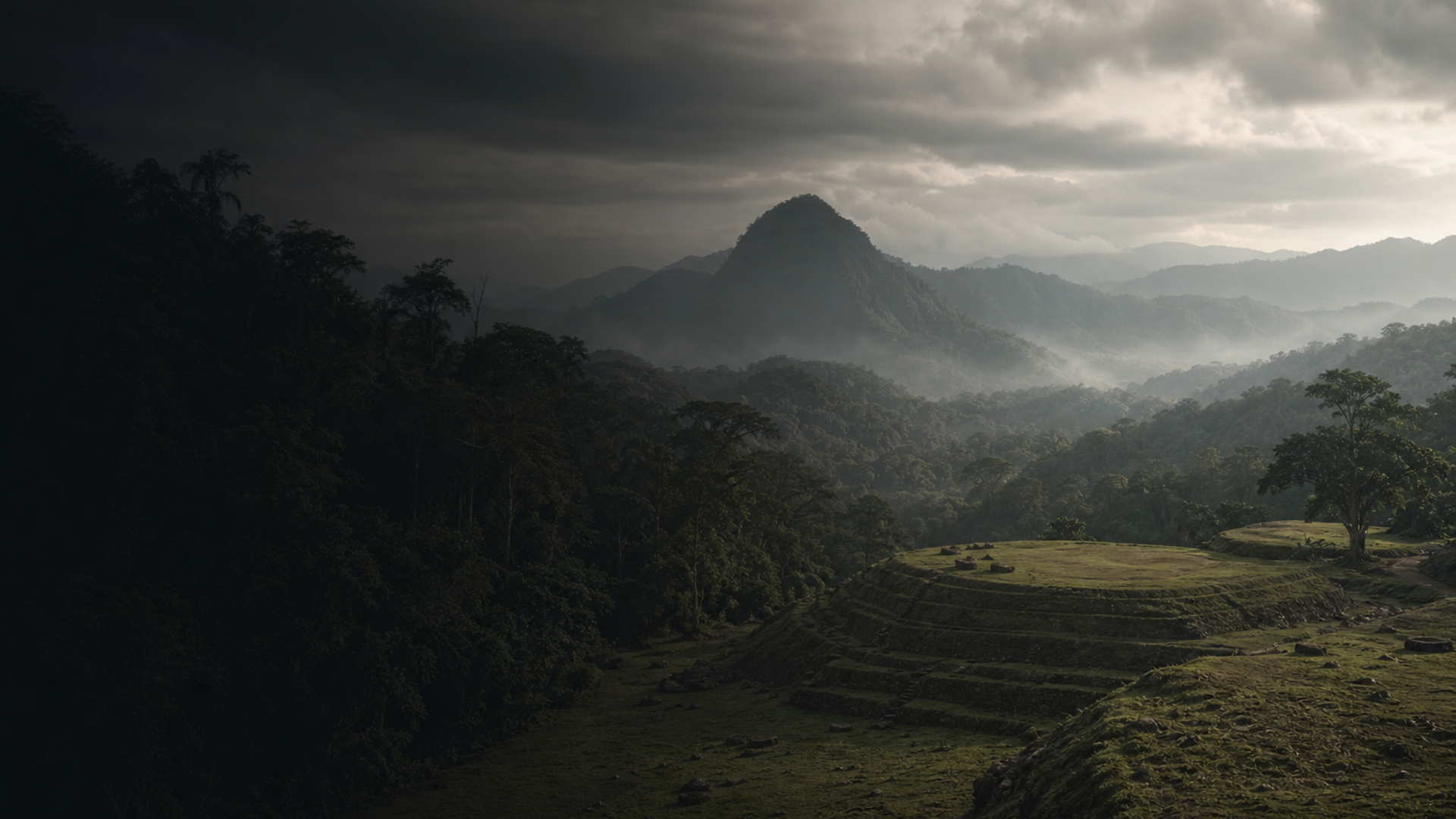
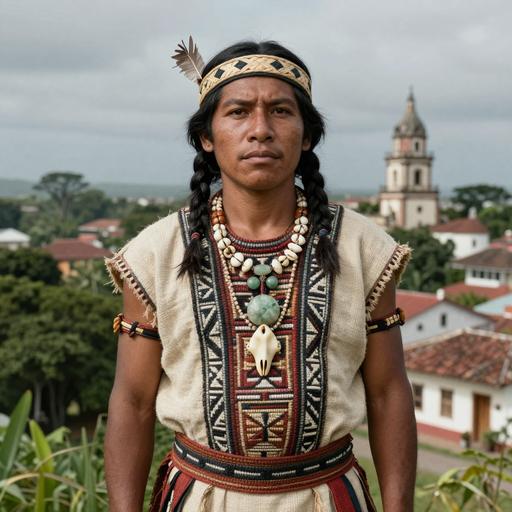
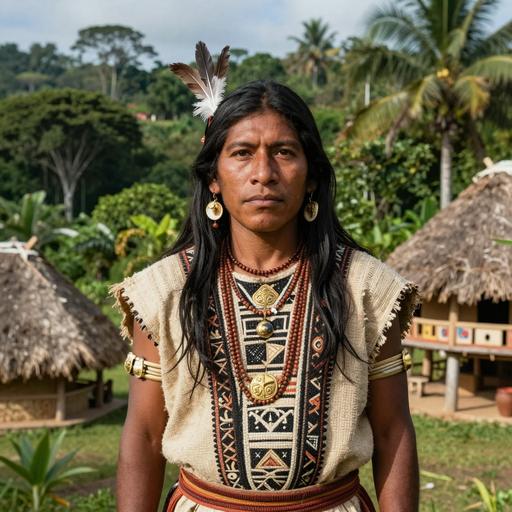
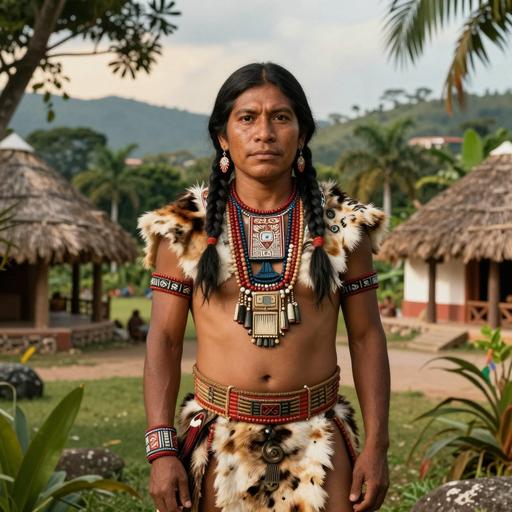
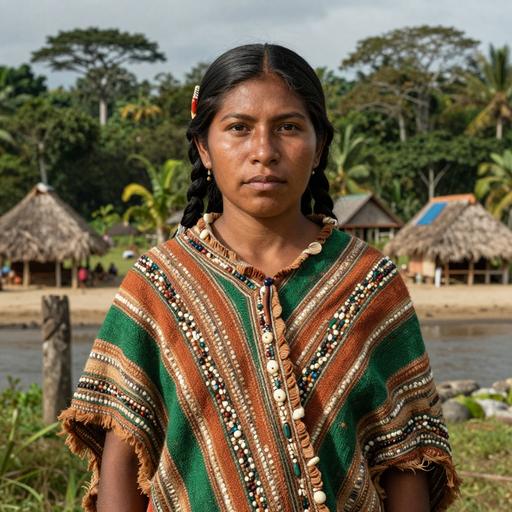
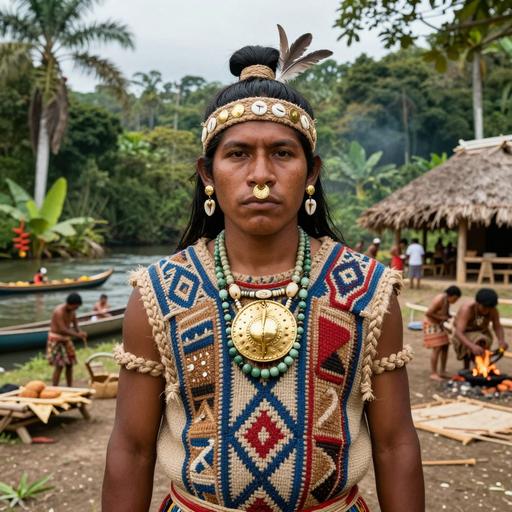
Across a sweep of coastlines, river valleys and uplands, the deep past of Mesoamerican Civilizations unfolds through stone tools, shell middens and burial contexts recovered at sites such as LC-218 (Baja), Comondú (Baja), Piedra Gorda (Las Palmas culture, Mexico) and the highland Sierra Tarahumara. Archaeological data indicates continuous human presence in parts of this region from the mid-Holocene: our dataset reaches back to ca. 4000 BCE. These early communities were often maritime and riverine foragers, exploiting rich coastal and estuarine resources; shell middens and fish bone concentrations attest to seasonal and year‑round exploitation of marine protein.
Material culture — lithics, shell ornaments, and early ceramics in later horizons — documents regional differentiation long before the rise of the Classic Mesoamerican polities. Limited evidence suggests episodic long-distance interaction: obsidian sourcing, shell trade, and stylistic parallels hint at networks that linked Baja and mainland coasts with inland Campeche and Isthmo-Colombian Panama. While 61 genetic samples provide a window into population continuity and change, spatial sampling is uneven; some areas are well represented, others remain archaeologically thin. Accordingly, the origins sketched here combine solid archaeological patterns with genetic signals but should be read as a dynamic, still-developing picture.