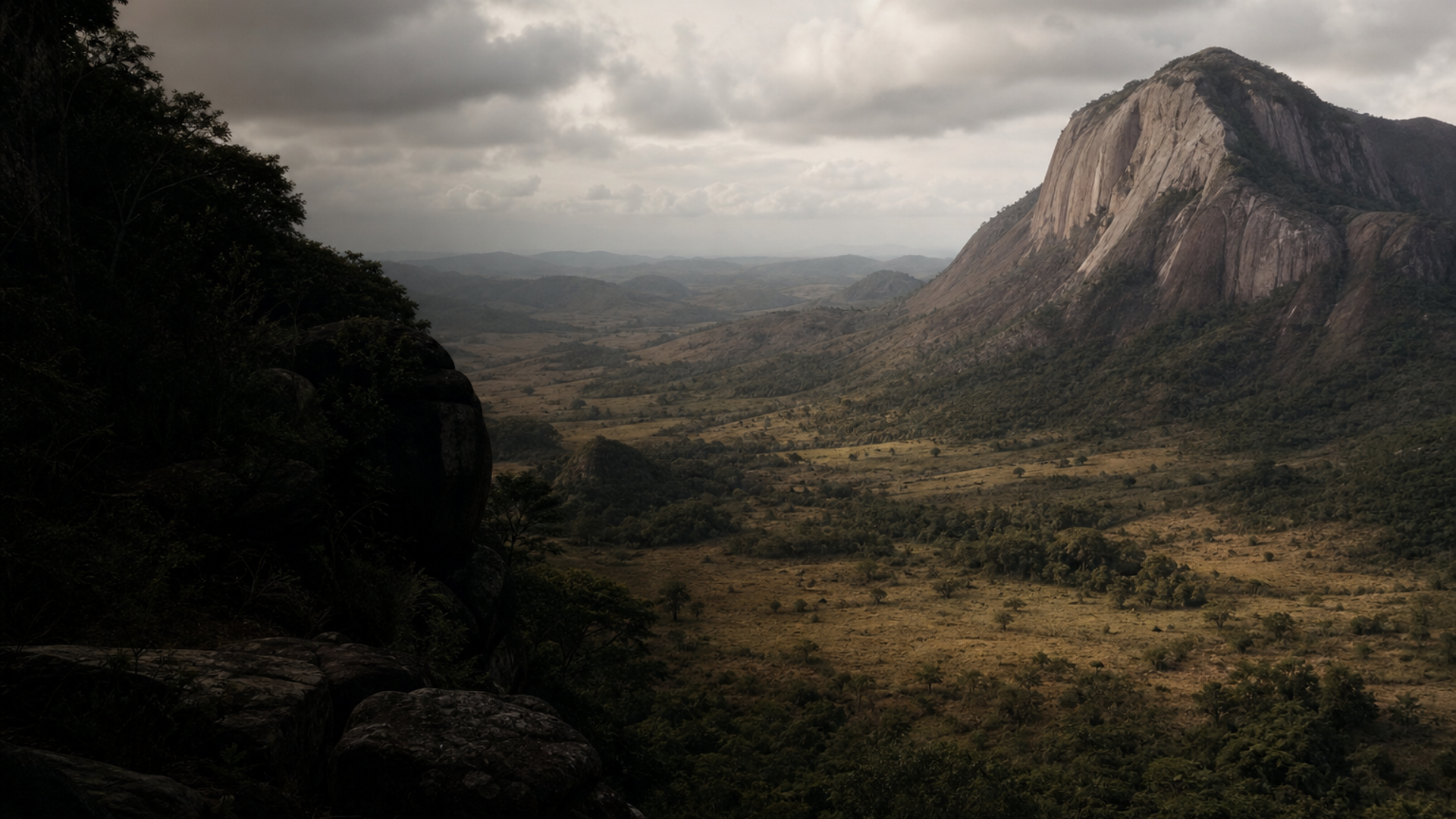
Archaeological imagination paints a cinematic scene: dawn mist over the Rio Doce, fish smoke rising from riverbank hearths, and skillful hunters and gatherers moving between forest and field. Ethnohistoric accounts and regionally recovered artifacts suggest Botocudo lifeways emphasized mobility, riverine resource use, and intimate knowledge of seasonal cycles. Small camps, temporary clearings for tuber cultivation, and fishing sites would have structured daily labor and social networks.
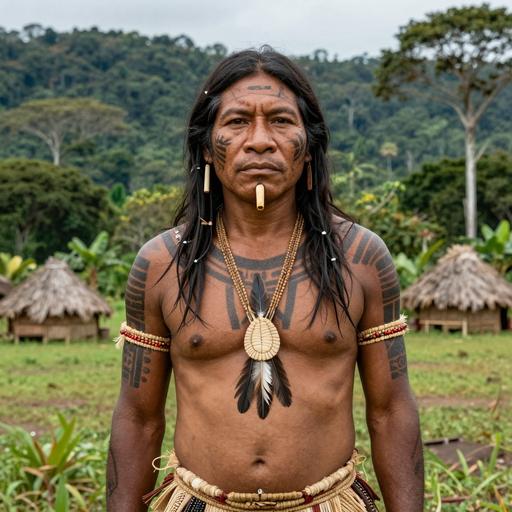
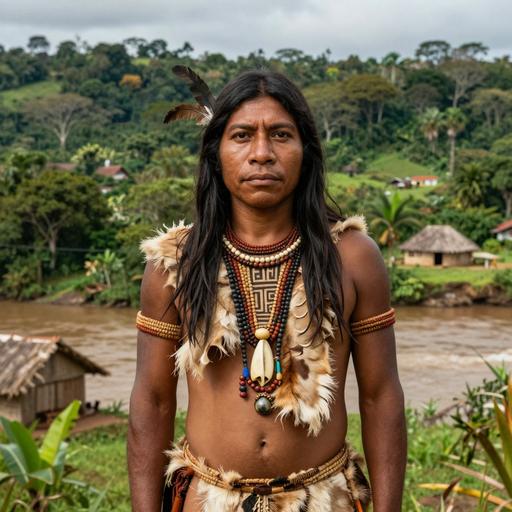
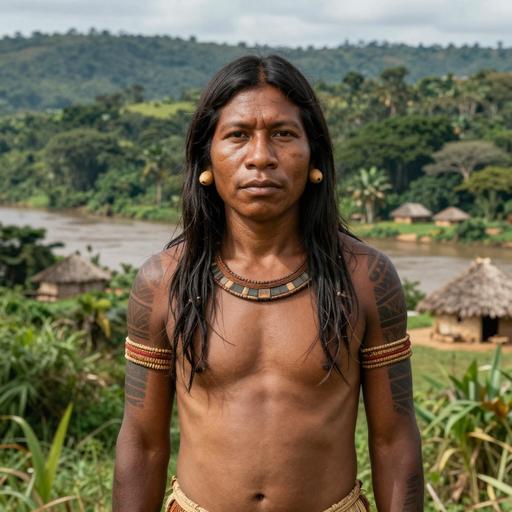
Burials and bone chemistry, when preserved, provide concrete details. Stable isotope data from dentition and bone (where available in similar regional contexts) often point to diets rich in freshwater fish, wild game and C3 plant resources rather than maize-dominated agriculture. Material culture remains modest: flaked stone tools, occasional pottery fragments, and personal adornment attest to local craft traditions. Historical descriptions note distinctive forms of bodily ornamentation and social identity — visible markers that likely encoded kinship, status and group affiliation.
Archaeological evidence from the Rio Doce Valley itself is limited, so these reconstructions borrow cautiously from better-documented neighboring zones. Importantly, social disruption during the colonial era — forced displacement, disease, and conflict — dramatically reshaped community composition, and the skeletal record from 1479–1842 CE captures communities in a time of upheaval as well as continuity.