Menu
Store
Blog
Belize_5600BP Belize — Maya Mountains, Toledo District (Mayahak Cab Pek)

Echoes of the Maya Mountains

A lone Archaic-period individual from Mayahak Cab Pek links Belize's deep past to regional genetic threads

3761 CE - 3637 BCE
1 Ancient Samples
Scroll to begin
Chapter I

The Story

Understanding the Echoes of the Maya Mountains culture

Archaeological and genetic evidence from a single individual (3761–3637 BCE) recovered at Mayahak Cab Pek, Belize, offers a tentative glimpse of Archaic-period life in the Maya Mountains. Limited sample size makes conclusions preliminary; archaeological context and regional DNA patterns provide broader interpretation.

Time Period

3761–3637 BCE (sample) — Archaic Period

Region

Belize — Maya Mountains, Toledo District (Mayahak Cab Pek)

Common Y-DNA

Not reported (sample n=1)

Common mtDNA

Not reported (sample n=1)

Chapter II

Timeline

Key moments in the history of this culture

3700 BCE

Archaic occupation at Mayahak Cab Pek

A human interment dated to 3761–3637 BCE provides a rare mid-Holocene snapshot of highland Belizean occupation.

Chapter III

Origins & Emergence

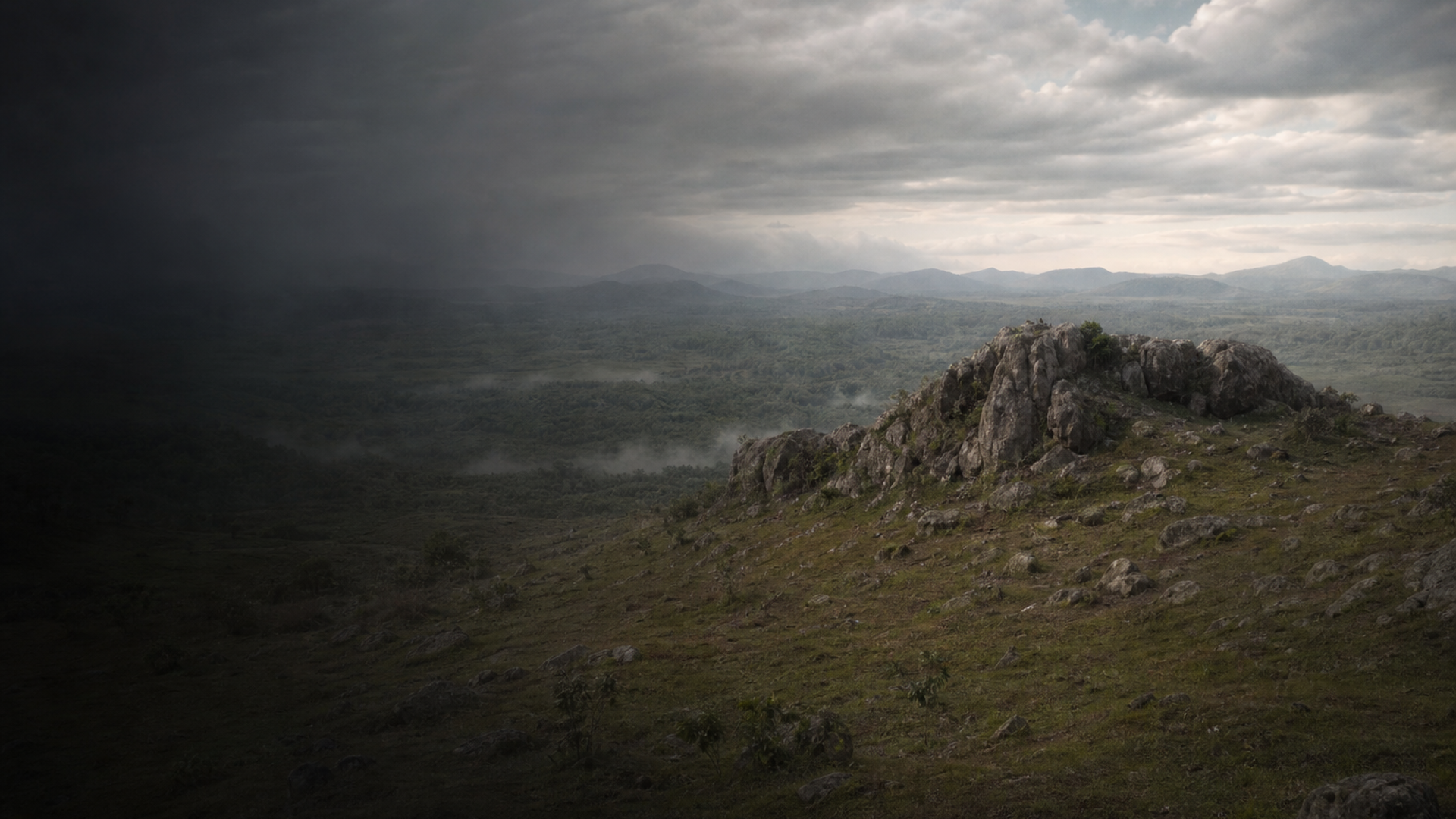
Beneath the canopy of the Maya Mountains, Mayahak Cab Pek preserves an Archaic heartbeat. Archaeological data indicates human presence in southern Belize across the mid-Holocene, when shifting climates and rich riverine resources shaped mobile lifeways. The radiocarbon-calibrated interval for this individual (3761–3637 BCE) places them firmly within the Belizean Archaic Period, a time when groups exploited terrestrial and aquatic food webs and experimented with local plant management.

Limited evidence from the Bladen Nature Reserve and surrounding highlands suggests repeated seasonal or persistent occupations rather than large permanent villages. Stone tool scatters, isolated hearth features, and ephemeral camps are typical of the era in the region; specific artifact inventories from Mayahak Cab Pek remain modest, and interpretation must remain cautious. Environmental reconstructions indicate mosaic landscapes of upland forests, river corridors, and wetlands that would have supported diverse subsistence strategies.

Because only one genome/sample is currently available from Mayahak Cab Pek, broad claims about population origins or migration are provisional. Nevertheless, when woven with regional archaeology, this individual's date contributes a precise temporal anchor for human activity in the Maya Mountains during the middle Holocene.

  • Sample dated to 3761–3637 BCE, within the Belizean Archaic Period
  • Site located in Mayahak Cab Pek, Toledo District, Maya Mountains, Bladen Nature Reserve
  • Evidence suggests mobile, small-scale occupations exploiting upland and riverine resources
Chapter IV

Daily Life & Society

Archaic communities in Belize likely moved through a rhythm set by landscape and seasonality. Archaeological indicators from comparable sites in southern Belize point to foraging strategies centered on fish, shellfish, small mammals, and gathered plants, with emerging use of managed plants rather than full-scale agriculture. At Mayahak Cab Pek, hearths and lithic debris imply on-site tool production and food processing; however, the light artifact record means details of social organization—households, craft specialization, or ritual practice—remain conjectural.

Life in the Maya Mountains would have been tied to ecological knowledge: tracking game through forest understory, fishing along creeks, and exploiting riverine plants. Exchange networks probably connected lowland and coastal groups, moving raw materials such as high-quality chert or exotic shells and ideas across the landscape. Burials from the Archaic in Belize are rare; the presence of a human interment at Mayahak Cab Pek is therefore especially valuable, but archaeologists caution that one burial cannot represent the full variability of mortuary practice across time and space.

  • Subsistence likely mixed foraging with early plant management
  • Small, mobile groups with tool production evident from lithic debris
Chapter V

Genetic Profile

The genetic data from Mayahak Cab Pek derive from a single sampled individual (n=1) dated to ~3761–3637 BCE. Because only one genome is available, conclusions must be described as highly provisional. The dataset does not report Y-chromosome or mitochondrial haplogroups for publication here; therefore specific paternal or maternal lineages cannot be assigned with confidence.

Despite the limited sample, the find is scientifically meaningful: ancient DNA from early Holocene and mid-Holocene Mesoamerica often shows continuity with broader Native American genetic ancestries. Regional modern and ancient datasets commonly reveal mitochondrial haplogroups such as A2, B2, C1, and D1 and paternal lineages often including Q or C variants—patterns consistent with deep shared ancestry across the Americas. It is important to stress that such regional patterns are not direct evidence for this individual but provide a comparative framework.

Future sampling at Mayahak Cab Pek and nearby sites could reveal whether this individual represents local continuity, long-distance connection, or demographic shifts. With only one sample, genetic signals of kinship, population structure, or admixture cannot be robustly tested; additional genomes (n>10) would markedly improve statistical power and allow more confident population genetic inferences.

  • Only one ancient genome available — interpretations are preliminary
  • No specific Y- or mtDNA haplogroups reported for this sample; regional patterns offer comparative context
Chapter VI

Legacy & Modern Connections

The skeletal echo from Mayahak Cab Pek connects living landscapes to a deep human past. Archaeological data indicates continuity of human presence in southern Belize long before the rise of later complex societies. For contemporary communities in Belize and the greater Maya region, such finds deepen the temporal depth of local heritage and underscore long-term relationships with land, water, and biodiversity.

Genetically, while this single sample cannot trace direct ancestry to modern groups, it contributes a temporal data point that, when combined with future ancient and modern genomes, will help reconstruct population continuity, migration, and interaction in Mesoamerica. Respectful collaboration with local communities and conservation-minded fieldwork in protected areas like the Bladen Nature Reserve remain essential to preserving both cultural heritage and ecological context.

  • Provides a temporal anchor for human activity in the Maya Mountains
  • Highlights need for additional sampling and community collaboration to clarify modern connections
Chapter VII

Sample Catalog

1 ancient DNA samples associated with the Echoes of the Maya Mountains culture

Ancient DNA samples from this era, providing genetic insights into the people who lived during this period.

1 / 1 samples
Portrait Sample Country Era Date Culture Sex Y-DNA mtDNA
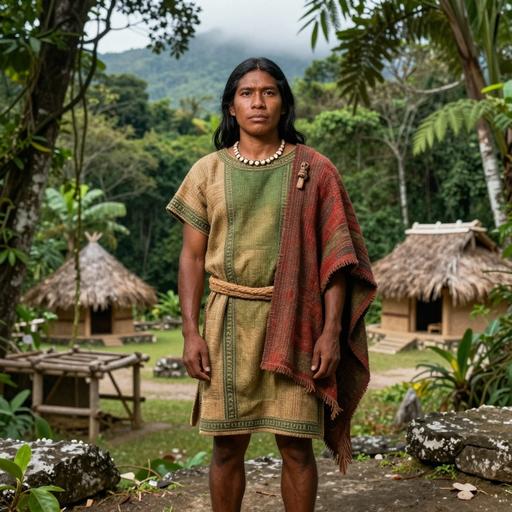
Portrait of ancient individual I7556 from Belize, dated 3761 BCE
I7556
Belize Belize_5600BP 3761 BCE Pre-Maya M - -
AI Powered

AI Assistant

Ask questions about the Echoes of the Maya Mountains culture

AI Assistant by DNAGENICS

Unlock this feature
Ask questions about the Echoes of the Maya Mountains culture. Our AI assistant can explain genetic findings, historical context, archaeological evidence, and modern connections.
Sample AI Analysis

The Echoes of the Maya Mountains culture represents a fascinating chapter in human history...

Genetic analysis reveals connections to earlier populations while showing evidence of unique adaptations and cultural innovations. The ancient DNA samples provide insights into migration patterns, social structures, and the biological relationships between ancient populations.

This is a preview of the AI analysis. Unlock the full AI Assistant to explore detailed insights about:

  • Genetic composition and ancestry
  • Migration patterns and origins
  • Daily life and cultural practices
  • Modern genetic legacy
Use code for 35% off Expires May 20