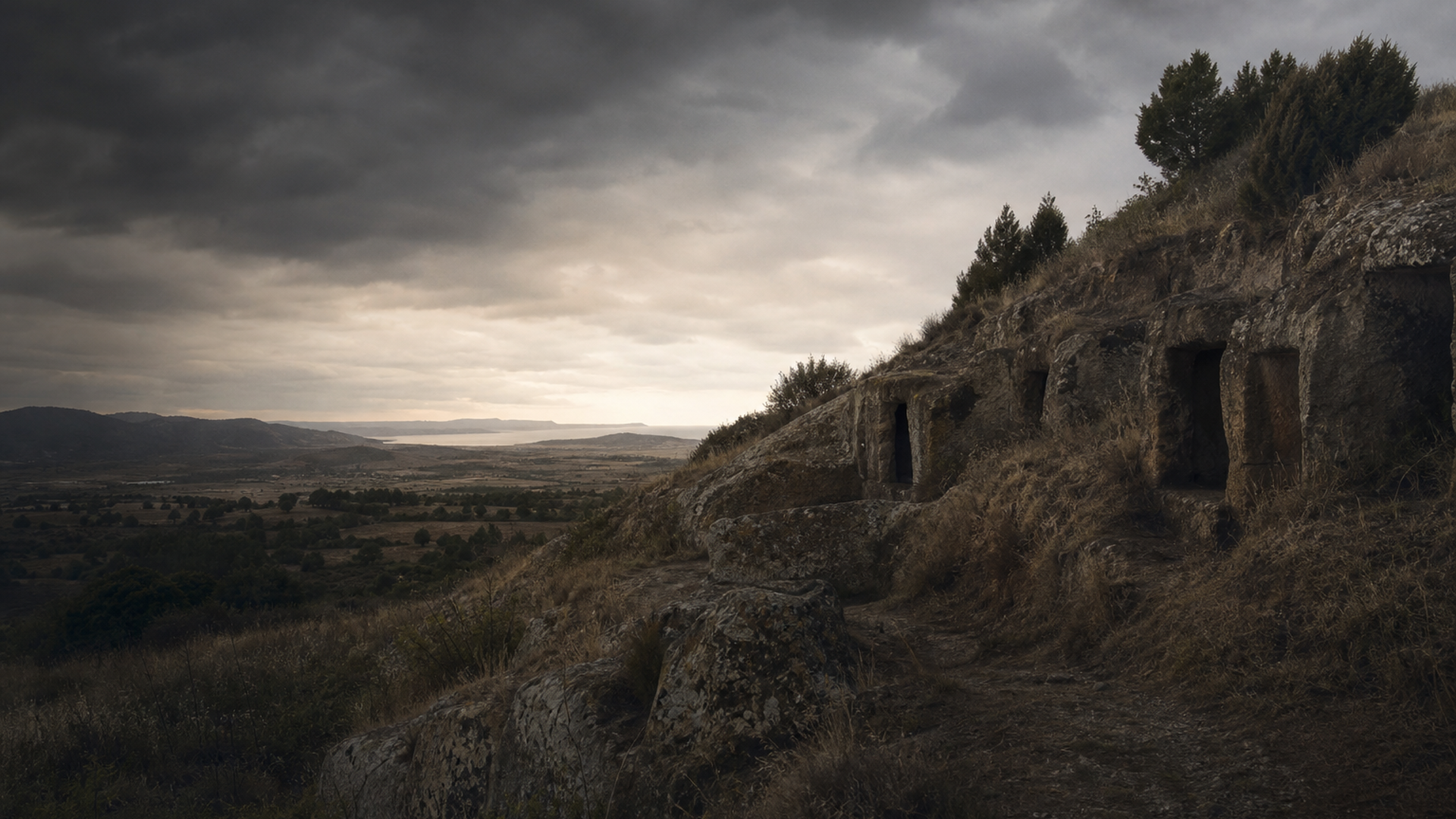
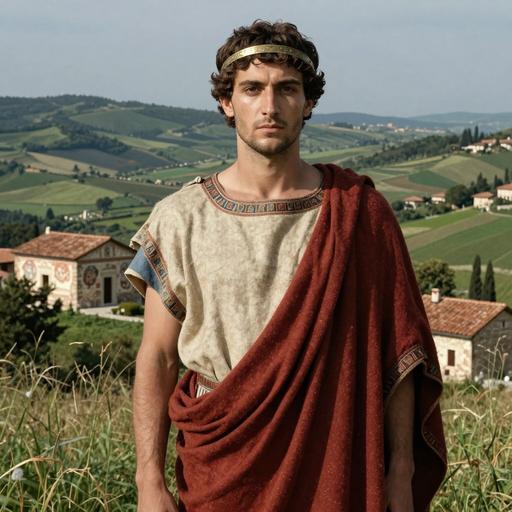
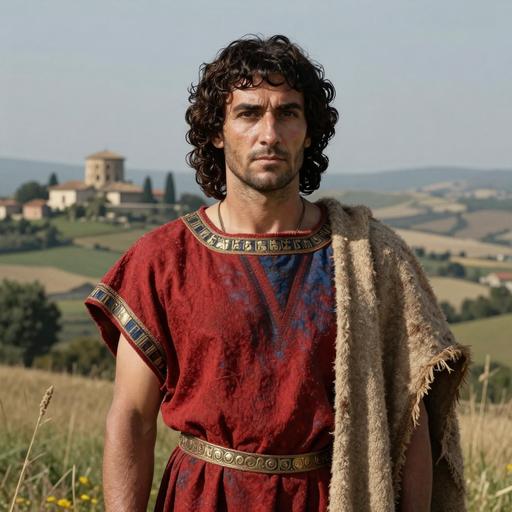
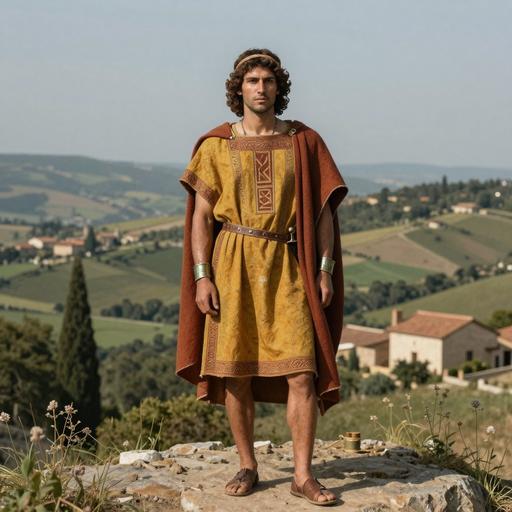
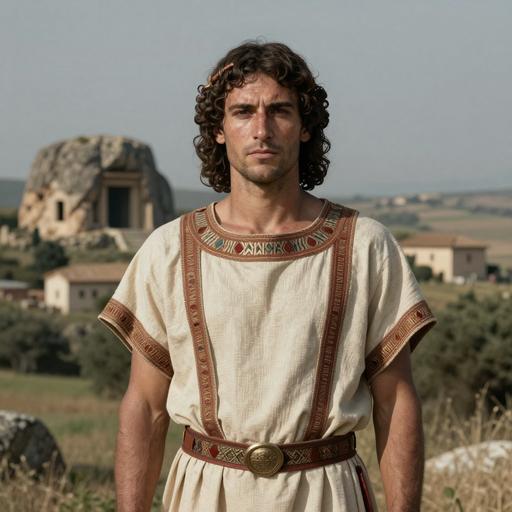
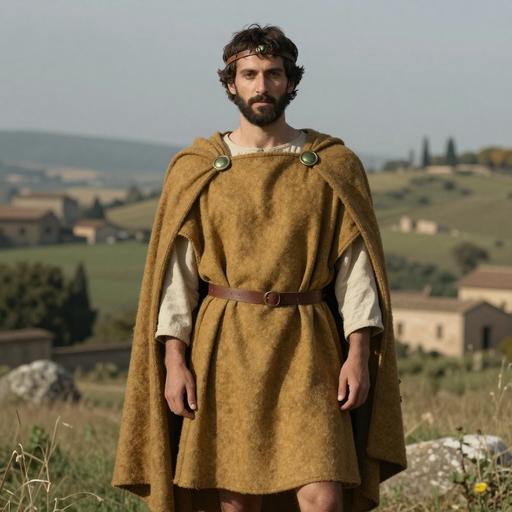
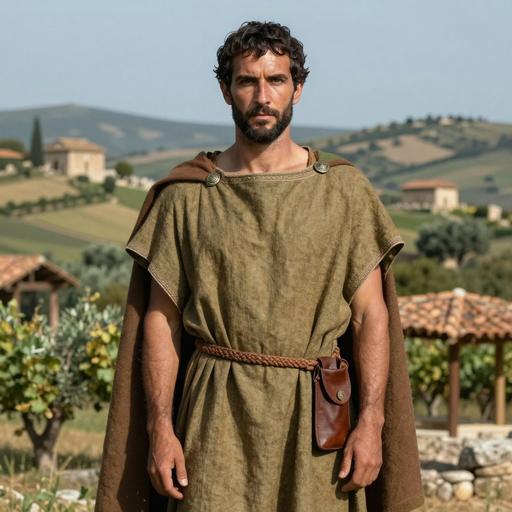
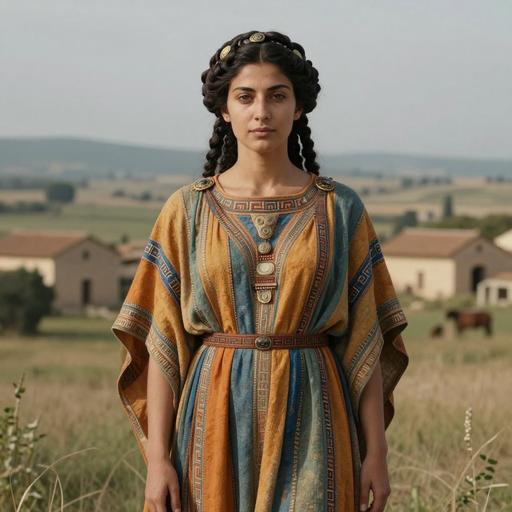
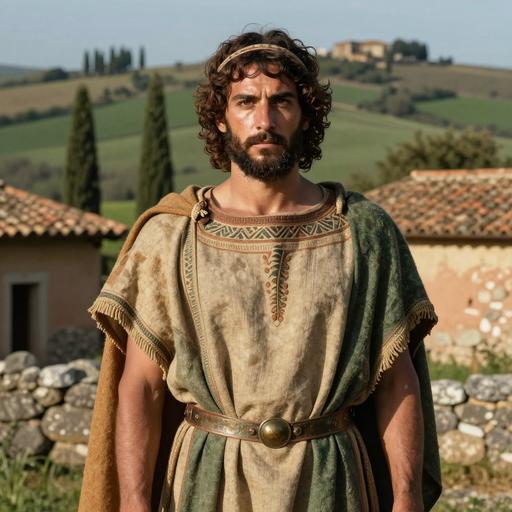
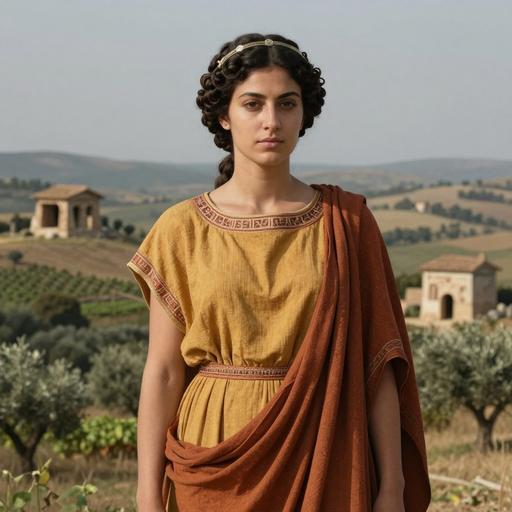
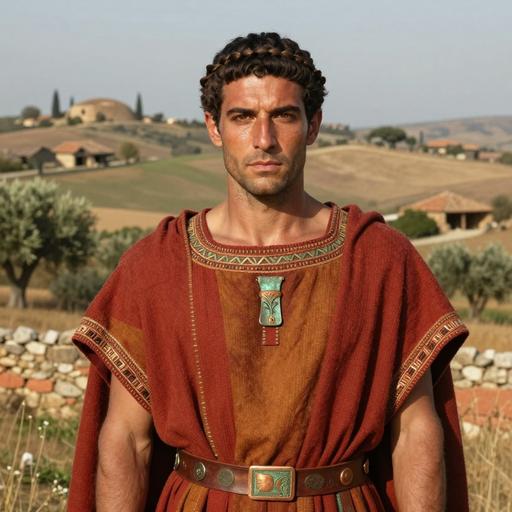
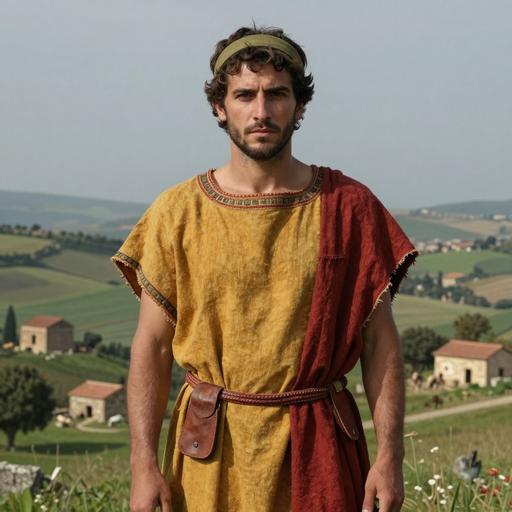
The Etruscan civilization emerges in the archaeological record as a constellation of cities and necropoleis across Tuscany and southern Etruria. From the painted tombs of Tarquinia's Monterozzi necropolis to fortified hilltop settlements at Volterra and Chiusi, a distinct material culture crystallizes from roughly the 9th to 1st centuries BCE. Archaeological data indicate strong continuity with the preceding Villanovan horizon in burial practice and metallurgy, while urban growth and increasing trade links with the Greek world and the wider Mediterranean infuse new iconographies and wealth into Etruscan life.
Limited evidence from this genetic series (43 samples dated 806 BCE–3 CE) supports a picture of regional population continuity rather than replacement: maternal lineages commonly associated with European Bronze Age and Neolithic populations (notably mtDNA H and J) are frequent. However, the story is nuanced — craft imports, imported luxury objects, and heterogeneous burial rites point to intensive cultural exchange even as much genealogical continuity persists. Where sample coverage is uneven across sites (Tarquinia, Volterra, Chiusi, Vetulonia, Magliano, Marsiliana, Casenovole, Campiglia dei Foci, Poggio Renzo), interpretations must remain cautious.