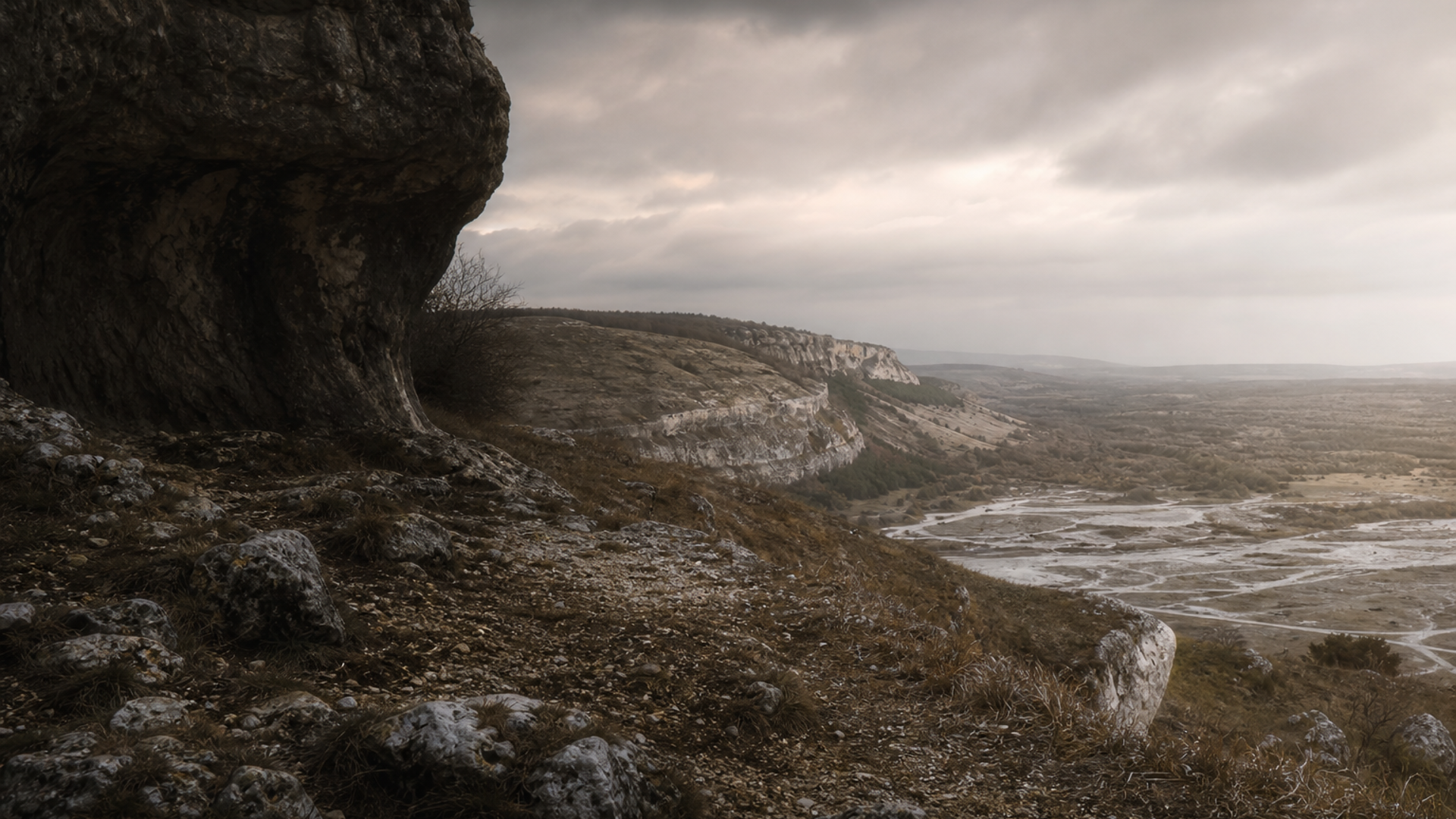
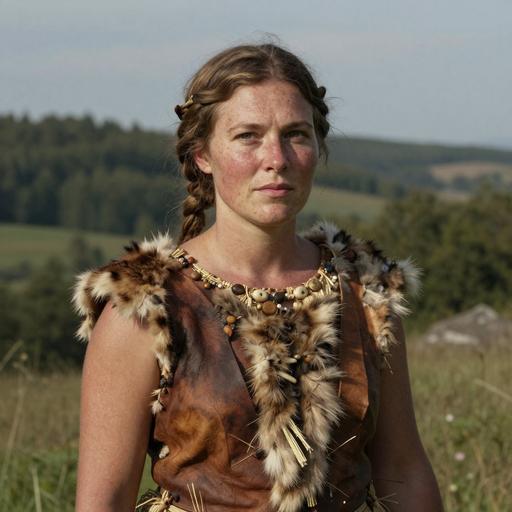
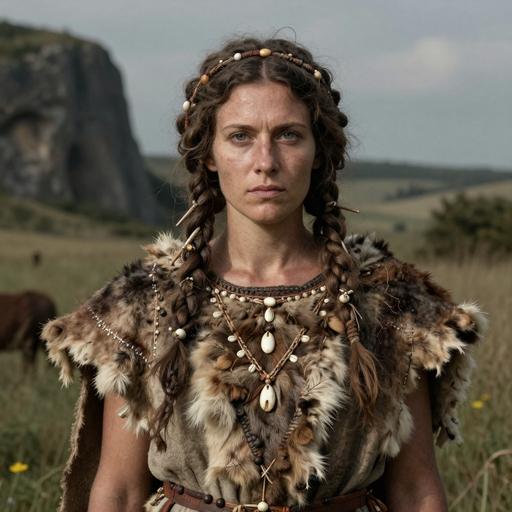
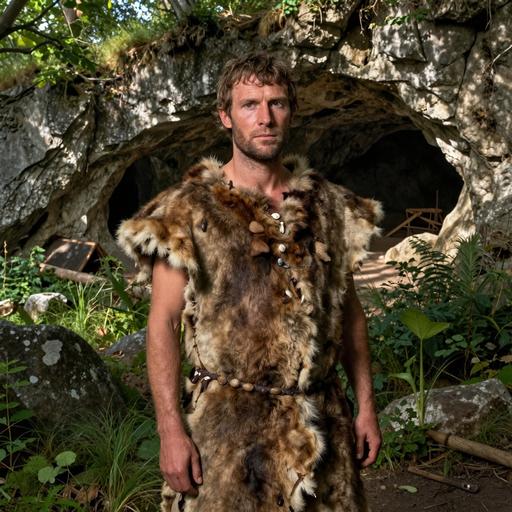
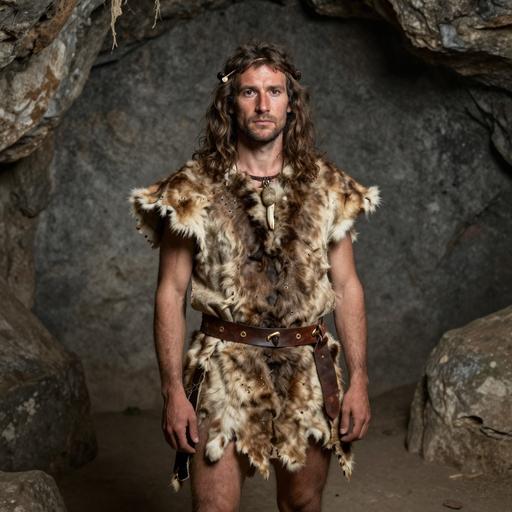
Beneath the dark throat of Goyet Cave, on a limestone ridge above the Meuse, humans of the Gravettian horizon occupied, hunted, and left traces between roughly 26,307 and 23,994 BCE. Archaeological data indicate repeated episodes of use at the Troisième caverne (Gesves, Namur province), where lithics, faunal bones and ornament fragments weave a picture of mobile, skilled hunter-gatherers adapting to cold, steppe-like environments.
The Gravettian tradition across Europe is characterized by small backed blades, personal ornaments, and an emphasis on big-game hunting. In Belgium, layers at Goyet preserve stone tool assemblages and faunal remains consistent with this broader cultural package. Limited evidence suggests seasonal occupation patterns and specialized hunting of reindeer, horse and other Pleistocene fauna nearby.
Genetically, these people lived during a turbulent climatic interval of the Last Glacial Maximum’s decline. Archaeological context from Goyet anchors the genetic samples to a specific landscape and material culture, letting us ask how cultural patterns and ancestry moved together. Given the small sample set (four genomes), the timing and pattern of arrival, local continuity, and relationships to neighboring groups remain hypotheses that require more data to confirm.