Menu
Store
Blog
Belgium_UP_Magdalenian Belgium (Goyet cave)

Goyet Magdalenian Hunter-Gatherer

A single Magdalenian individual from Troisième caverne, Goyet — archaeology and DNA in conversation

13305 CE - 12976 BCE
1 Ancient Samples
Scroll to begin
Chapter I

The Story

Understanding the Goyet Magdalenian Hunter-Gatherer culture

Late Upper Paleolithic individual (c. 13,300–12,976 BCE) from Troisième caverne, Goyet, Belgium. Archaeological context ties to Magdalenian lifeways; ancient DNA (one sample) reveals Y‑haplogroup I and mtDNA U8a, offering a preliminary window into post‑glacial hunter‑gatherer ancestry in northwestern Europe.

Time Period

13305-12976 BCE

Region

Belgium (Goyet cave)

Common Y-DNA

I (1 sample)

Common mtDNA

U8a (1 sample)

Chapter II

Timeline

Key moments in the history of this culture

13240 BCE

Occupation at Troisième caverne, Goyet

A Magdalenian individual lived and was deposited at Troisième caverne, Goyet; archaeological layers and aDNA date this context to about 13,305–12,976 BCE (preliminary).

Chapter III

Origins & Emergence

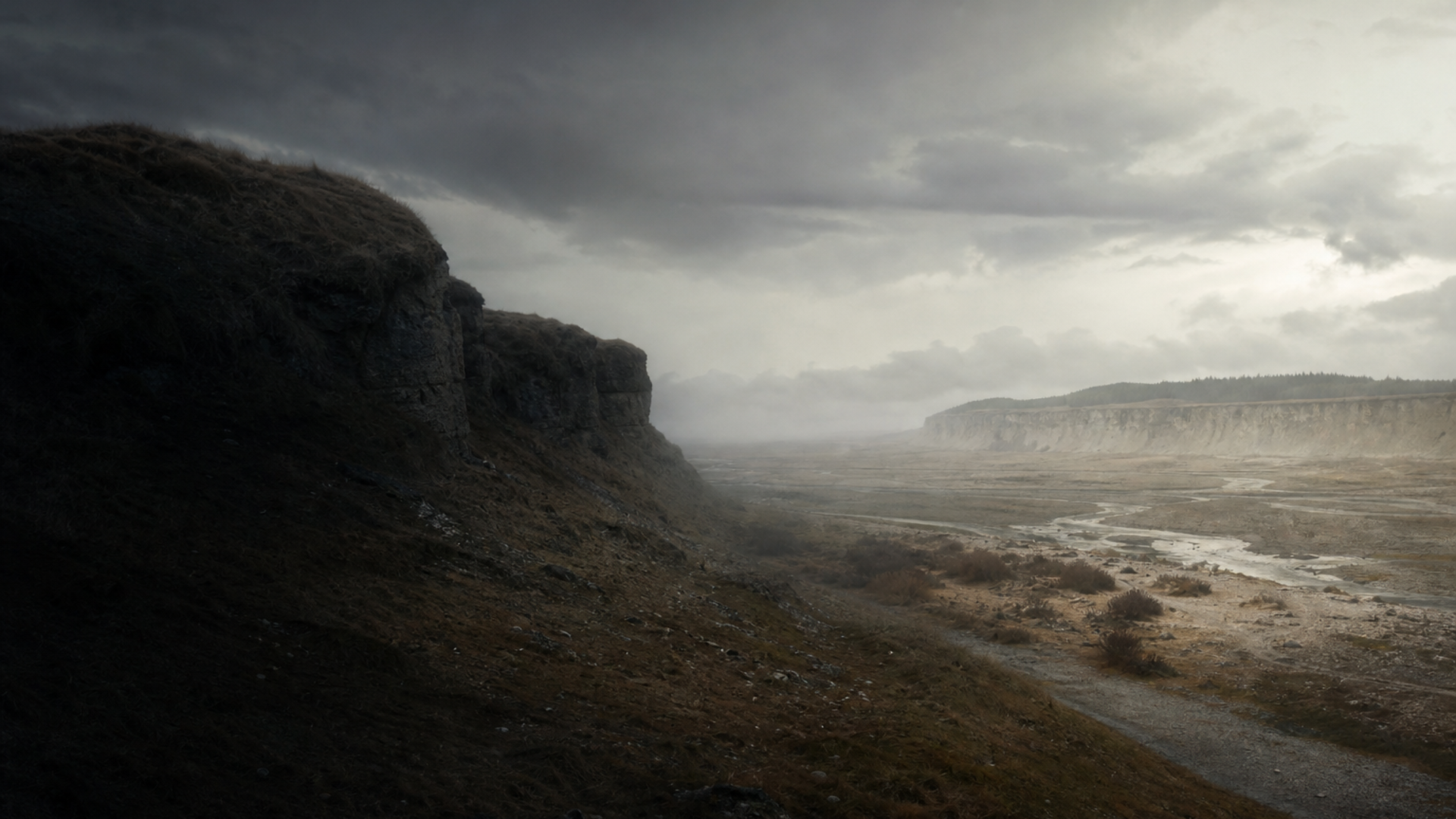
The Troisième caverne of Goyet (province of Namur, Belgium) preserves human remains and cultural layers attributed to the Upper Paleolithic Magdalenian tradition. Dated to roughly 13,305–12,976 BCE, this individual lived during the late glacial tapestry that followed the Last Glacial Maximum. Archaeological data indicates seasonal use of caves, specialized stone and osseous toolkits, and a rich relationship with large Ice Age fauna.

Magdalenian industries across western Europe are known for finely retouched blades, bone and antler tool elaboration, and portable art — expressions of a mobile, highly skilled hunter‑gatherer lifeway. At Goyet, stratigraphy and associated finds place human activity within this broader cultural horizon. Limited evidence suggests local groups exploited river valleys and upland margins as climates ameliorated and habitats shifted.

From a population perspective, the emergence of Magdalenian communities represents a continuation and regional adaptation of Late Upper Paleolithic lifeways. Genetic data from this site are extremely limited (one sampled individual), so while the DNA hints at affinities shared with other European hunter‑gatherers, broader demographic patterns across Belgium and adjacent regions remain provisional.

Bulleted origins summary:

  • Troisième caverne, Goyet (Namur, Belgium), dated c. 13.3–13.0 kya BCE
  • Cultural assignment: Upper Paleolithic Magdalenian
  • Environment: post‑glacial landscapes, riverine and upland resource zones
  • Site: Troisième caverne, Goyet (Namur, Belgium)
  • Date range: c. 13,305–12,976 BCE, Late Upper Paleolithic
  • Cultural context: Magdalenian technological and artistic traditions
Chapter IV

Daily Life & Society

Archaeological traces at Magdalenian sites convey a cinematic tableau of hunter‑gatherer life: people moving across richly textured landscapes, crafting delicate points from stone and antler, and creating images that speak to ritual and memory. At Goyet, cave spaces likely served as episodic shelters, processing locales for game, and sites of interment or ritual — though specific behaviors at Troisième caverne require cautious interpretation.

Zooarchaeological patterns from Magdalenian contexts elsewhere indicate seasonal hunting of reindeer, horse and red deer, with targeted use of flint and osseous materials for projectile armatures and finishing tools. Hearth features, tool concentrations and bone refuse in comparable sites suggest small, mobile groups living in kin‑based bands, with high technical skill in working multiple raw materials.

Social life would have been organized around mobility, resource tracking, and information networks — festival‑like aggregations may have punctuated long seasonal rounds, enabling exchange of raw materials and stylistic ideas. Artistic expression, visible across the Magdalenian world in portable and parietal art, hints at symbolic landscapes and shared cosmologies.

Bulleted daily life summary:

  • Mobile hunter‑gatherer bands exploiting river valleys and uplands
  • Sophisticated osseous and lithic tool production with likely seasonal site use

  • Mobile, kin‑based groups with seasonal rounds
  • Specialized tools made from stone, bone, and antler
Chapter V

Genetic Profile

Ancient DNA from the Troisième caverne at Goyet is currently represented by a single sampled individual. The Y‑chromosome belongs to haplogroup I, and mitochondrial DNA falls within U8a. Both markers have been observed in Upper Paleolithic contexts elsewhere in Europe, making them consistent with broader patterns of Paleolithic hunter‑gatherer ancestry.

Haplogroup I on the paternal line is frequently associated with Mesolithic and some Paleolithic European males, suggesting continuity of male lineages in post‑glacial Europe. The mitochondrial U8a lineage is one of several deep maternal branches documented in Upper Paleolithic populations; these lineages contribute to the genetic foundation from which later Western Hunter‑Gatherers (WHG) and other groups were formed.

However, because conclusions rest on a single individual (sample count: 1), interpretations must remain provisional. The sample provides a valuable data point linking the Goyet Magdalenian context to known Paleolithic genetic signatures, but we cannot extrapolate regional population structure, admixture events, or demographic dynamics from one genome alone. Future sampling across Goyet and nearby Magdalenian sites is essential to test hypotheses about continuity, migration, and local diversity.

Genetics bullets:

  • Y‑DNA: haplogroup I (1 sample) — consistent with Paleolithic/Mesolithic male lineages in Europe
  • mtDNA: U8a (1 sample) — a deep maternal lineage observed in Upper Paleolithic contexts
  • Y‑haplogroup I identified in the single sampled individual
  • mtDNA U8a aligns with other Upper Paleolithic maternal lineages
Chapter VI

Legacy & Modern Connections

The human story at Goyet is part of the long, multi‑millennial tapestry that underpins modern European genetic diversity. Archaeologically, the Magdalenian legacy survives in spectacular art and a record of technological refinement. Genetically, Paleolithic hunter‑gatherers contributed foundational ancestry to many later European populations, though that legacy was reshaped by subsequent Neolithic farmers and Bronze Age migrations.

For Goyet specifically, the single ancient genome offers a tangible link between a named place and the deep past, but it cannot alone map direct descent to any modern group. Instead, it serves as a piece in a growing puzzle: when combined with additional samples and archaeological context, such data illuminate migration paths, population continuity, and the shifting human footprint across post‑glacial Europe.

Legacy bullets:

  • Contributes to the broader picture of Paleolithic ancestry in Europe
  • Highlights the need for more sampling to clarify connections to modern populations
  • Part of broader ancestral contributions to modern European populations
  • Single sample underscores need for further research to confirm continuities
Chapter VII

Sample Catalog

1 ancient DNA samples associated with the Goyet Magdalenian Hunter-Gatherer culture

Ancient DNA samples from this era, providing genetic insights into the people who lived during this period.

1 / 1 samples
Portrait Sample Country Era Date Culture Sex Y-DNA mtDNA
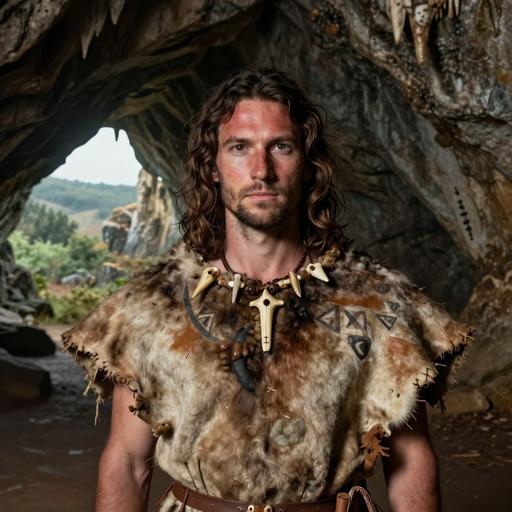
Portrait of ancient individual GoyetQ-2 from Belgium, dated 13305 BCE
GoyetQ-2
Belgium Belgium_UP_Magdalenian 13305 BCE European Paleolithic M I-M170 U8a
AI Powered

AI Assistant

Ask questions about the Goyet Magdalenian Hunter-Gatherer culture

AI Assistant by DNAGENICS

Unlock this feature
Ask questions about the Goyet Magdalenian Hunter-Gatherer culture. Our AI assistant can explain genetic findings, historical context, archaeological evidence, and modern connections.
Sample AI Analysis

The Goyet Magdalenian Hunter-Gatherer culture represents a fascinating chapter in human history...

Genetic analysis reveals connections to earlier populations while showing evidence of unique adaptations and cultural innovations. The ancient DNA samples provide insights into migration patterns, social structures, and the biological relationships between ancient populations.

This is a preview of the AI analysis. Unlock the full AI Assistant to explore detailed insights about:

  • Genetic composition and ancestry
  • Migration patterns and origins
  • Daily life and cultural practices
  • Modern genetic legacy
Use code for 35% off Expires May 21