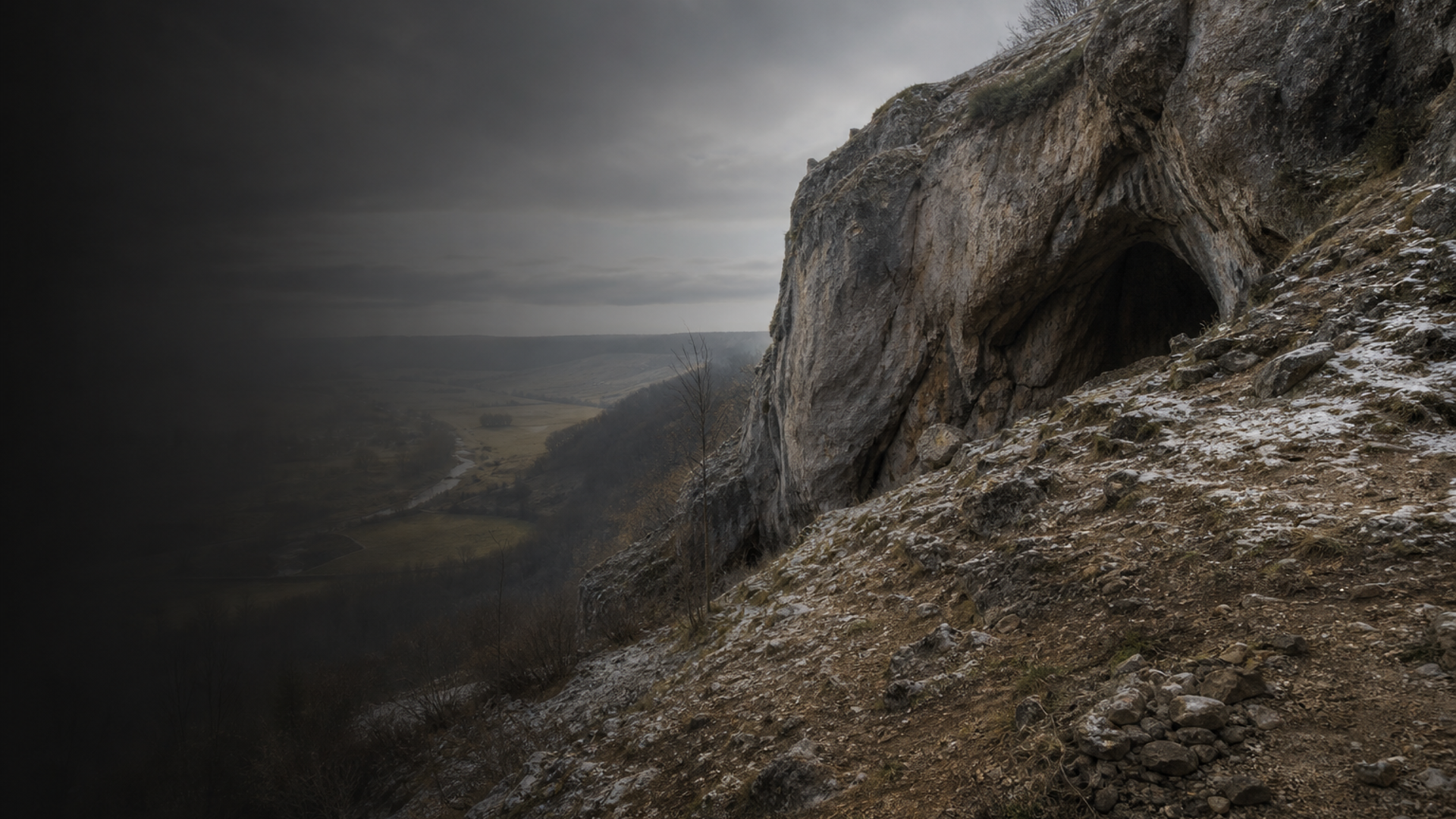
Archaeological deposits in Magdalenian contexts evoke a world animated by craft, mobility, and close knowledge of a cold but changing landscape. At Goyet, occupation layers preserve the residues of flint knapping, bone and antler working, and the preparation of animal carcasses—activities that would have filled daily rhythms from dawn hunts to long nights within sheltered rock rooms.
Material evidence from Magdalenian sites more broadly shows specialized toolkits: backed bladelets, harpoons, and finely worked bone points suitable for hunting fish and large ungulates. Portable art and personal ornaments suggest complex symbolic lives; beads, perforated teeth and worked ivory present signals of identity, exchange, and social networks. Archaeological data indicates seasonal rounds tied to riverine corridors and patchy resources, with groups likely moving between hunting territories and cave sites used for shelter and mortuary practices.
At Goyet, contextual evidence hints at repeated use of the cave for both living and ritual purposes. Yet, daily life reconstructions must remain cautious: the single genetic sample can illuminate biological ancestry but cannot by itself reveal community size, kinship structures, or social organization. Multiple lines of archaeology are essential to flesh out the human stories behind the bones.