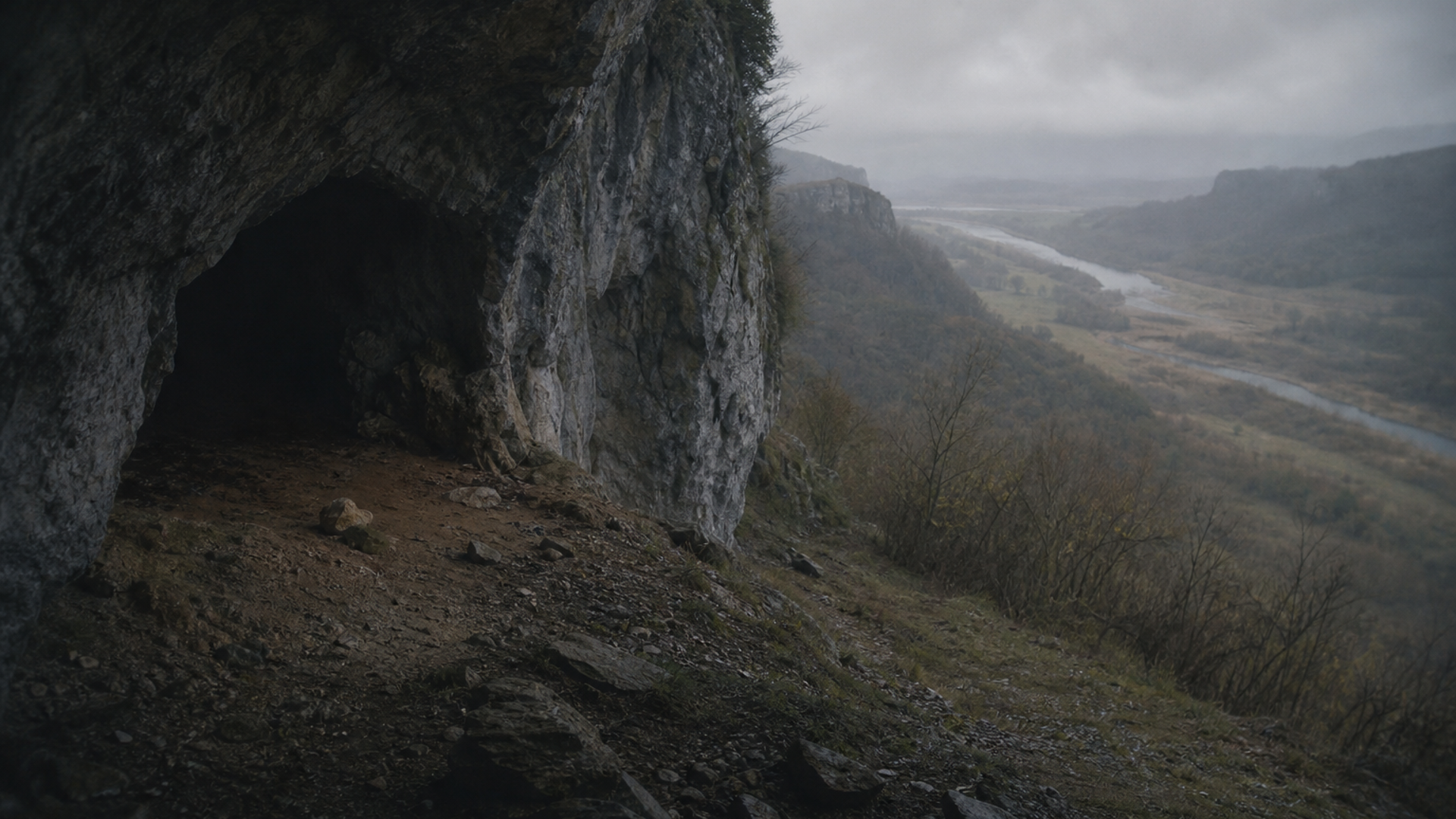
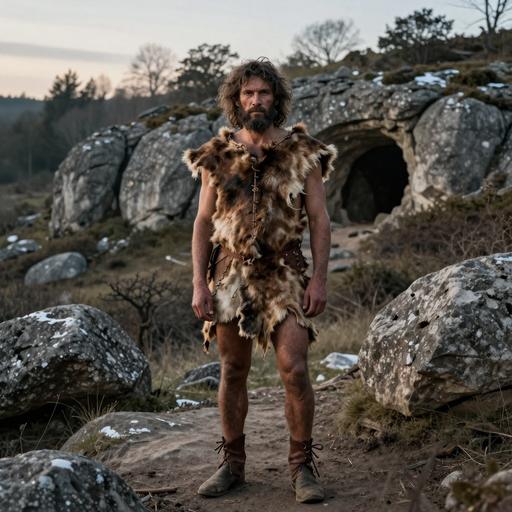
Beneath the dripstone chambers of the Troisième caverne at Goyet, layers of flint and charcoal record human presence during the cold caress of the Upper Paleolithic. The radiocarbon window for the specimen labeled Belgium_UP_GoyetQ116_1 falls between 33,678 and 32,771 BCE, placing it in a landscape of wooded valleys and steppe pockets where small groups tracked game and moved seasonally.
Archaeological data indicates that Goyet contains multiple Upper Paleolithic horizons with lithic technology and faunal remains; this individual derives from those deep, stratified deposits. Limited evidence suggests association with typical hunter‑gatherer lifeways of the period—flake tools, animal processing, and temporary hearths—but the specific burial context for this sample is sparse. Importantly, with a sample count of one, interpretations about population origins and movements remain provisional.
Genetically, this individual provides a rare snapshot of people living in northwestern Europe during a period of climatic fluctuation and cultural innovation. When literary language meets stratigraphy, we see a moment where behavioral archaeology and paleogenomics combine to hint at dispersals of early modern humans across Eurasia. Yet the story is incomplete: each new specimen can substantially alter the narrative built from single genomes.