Menu
Store
Blog
Spain_MLN Iberian Peninsula (Spain)

Iberian Neolithic: Farmers of the Atlantic Edge

4700–2500 BCE Spain: caves, tombs and DNA illuminate the first farming communities

4700 CE - 2500 BCE
50 Ancient Samples
Scroll to begin
Chapter I

The Story

Understanding the Iberian Neolithic: Farmers of the Atlantic Edge culture

Iberian Neolithic communities (4700–2500 BCE) across Spain left cave burials, megaliths and domestic sites. Forty‑seven archaeological locales and 57 ancient genomes reveal a mosaic of Anatolian-farmer and local hunter‑gatherer ancestry, regionally varying Y and mtDNA lineages, and emergent social complexity.

Time Period

4700–2500 BCE

Region

Iberian Peninsula (Spain)

Common Y-DNA

I (22), H (4), G (4), BT (2), CT (1)

Common mtDNA

U (14), J (11), K (11), H (6), X (4)

Chapter II

Timeline

Key moments in the history of this culture

2500 BCE

Late Neolithic to Early Chalcolithic transition

Around 2500 BCE the Iberian Neolithic gives way to Chalcolithic currents; social and genetic landscapes begin to shift with new material cultures and later influxes.

Chapter III

Origins & Emergence

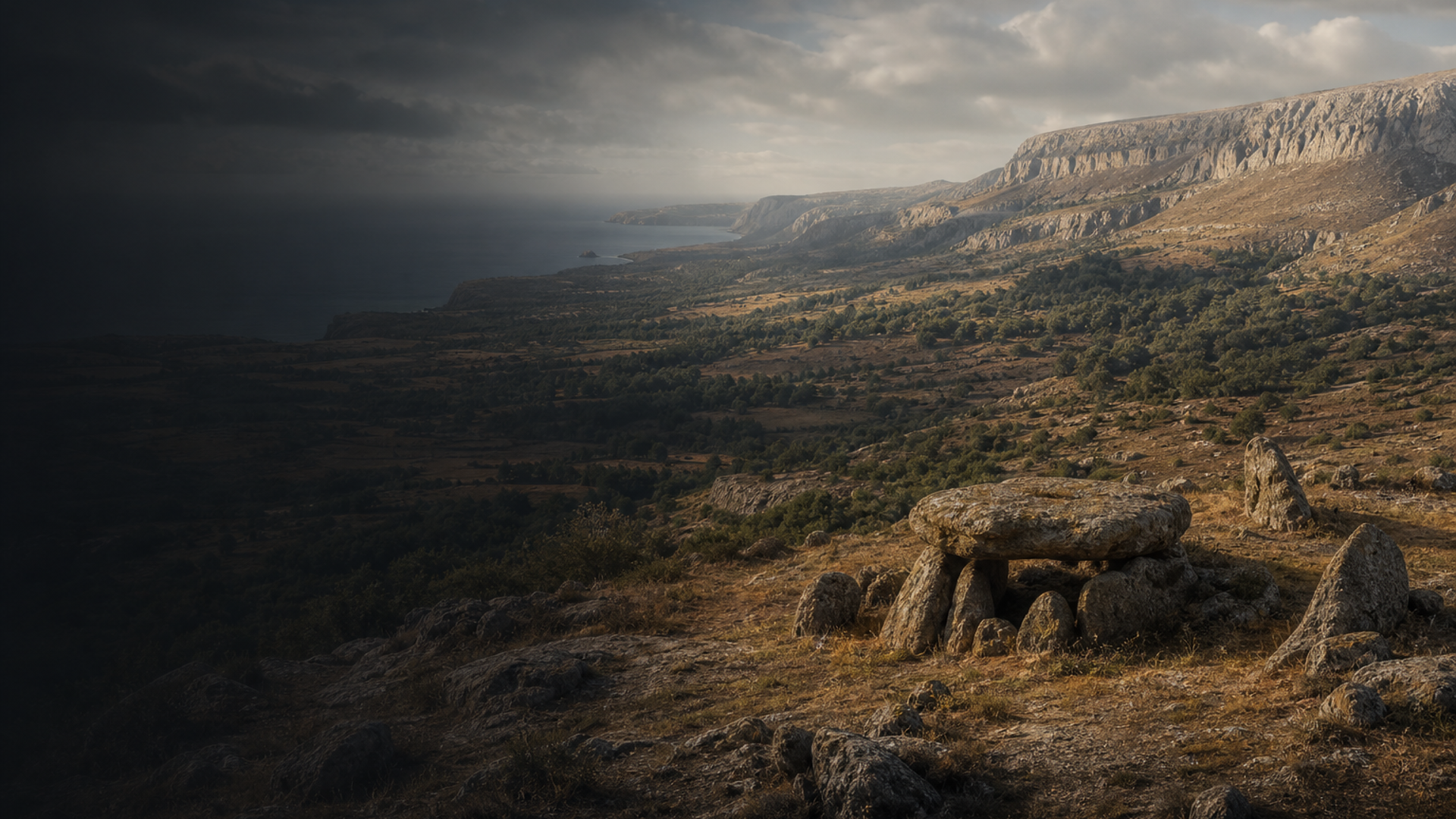
The Iberian Neolithic (c. 4700–2500 BCE) is the cinematic meeting of migrating farmers and resilient local peoples. Archaeological data indicates that farming traditions—domestic cereals, pastoralism, and pottery—spread into the peninsula from Mediterranean routes and along the Atlantic coast. Key sites from this dataset include Cova de Els Trocs (central Pyrenees), La Chabola de la Hechicera (Álava dolmen), Campo de Hockey (Cádiz), and cave burials such as Cova de la Guineu and Cueva de la Paloma.

Genetic evidence from 57 individuals shows a dominant Anatolian-farmer-derived ancestry blended with variable contributions from Western Hunter‑Gatherers (WHG). This admixture was not homogeneous: upland caves and interior valley sites sometimes show higher WHG signal than coastal settlements, suggesting local persistence of forager groups and heterogenous farmer–forager interactions. Radiocarbon-dated material culture and burial architectures reveal a slow, centuries‑long process of cultural incorporation rather than an instantaneous replacement.

Limited evidence suggests regionally distinct pathways: the Basque‑area samples and some Atlantic sites preserve continuity in burial and material practices that archaeologists link to enduring local traditions. However, the overall picture is one of mosaic communities—farmers adapting to Iberia’s varied micro‑environments and incorporating local people and practices into new Neolithic lifeways.

  • Farming traditions enter Iberia along Mediterranean and Atlantic corridors.
  • Key sites: Cova de Els Trocs, La Chabola de la Hechicera, Campo de Hockey.
  • Genomes (n=57) show Anatolian-farmer + local WHG admixture, spatially variable.
Chapter IV

Daily Life & Society

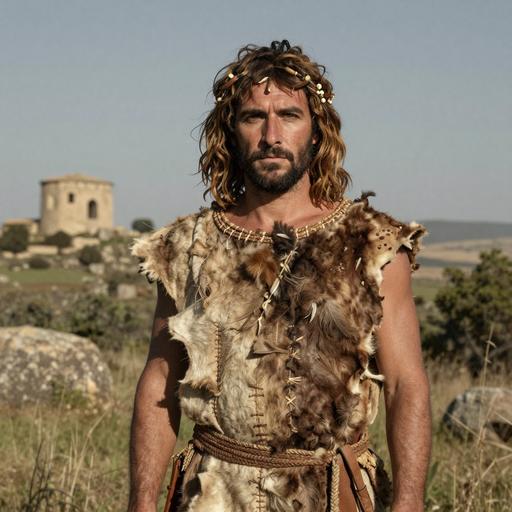
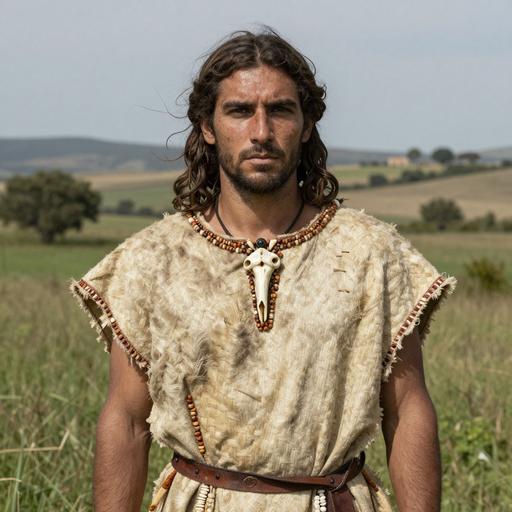
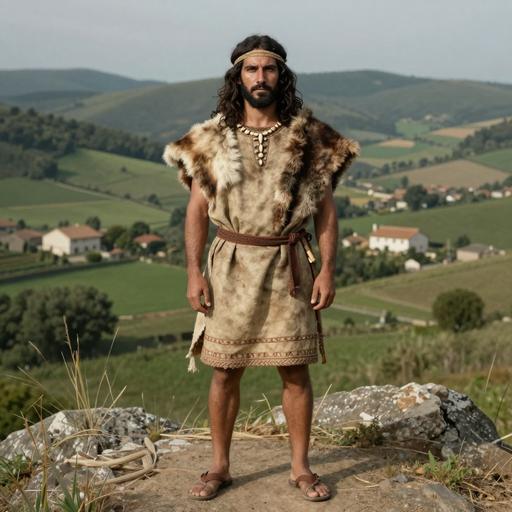
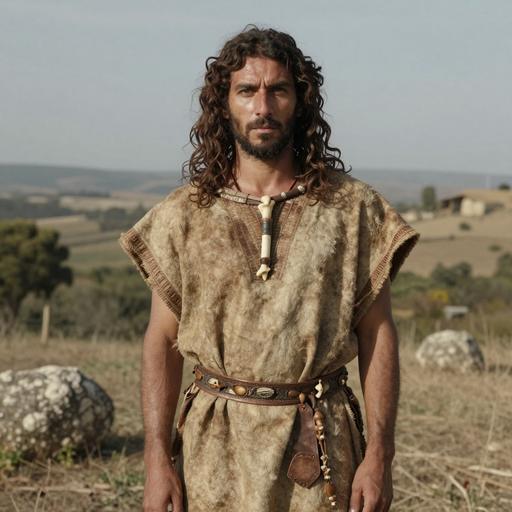
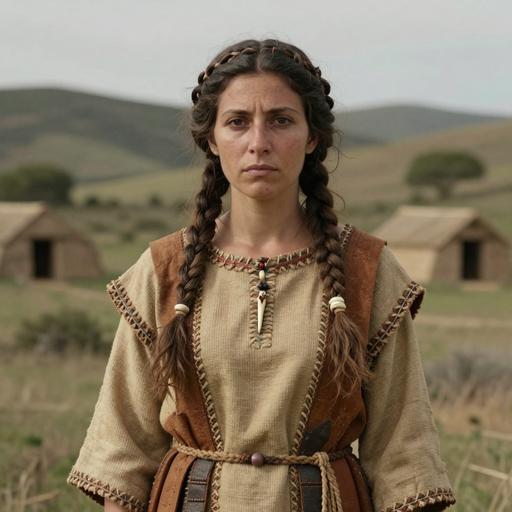
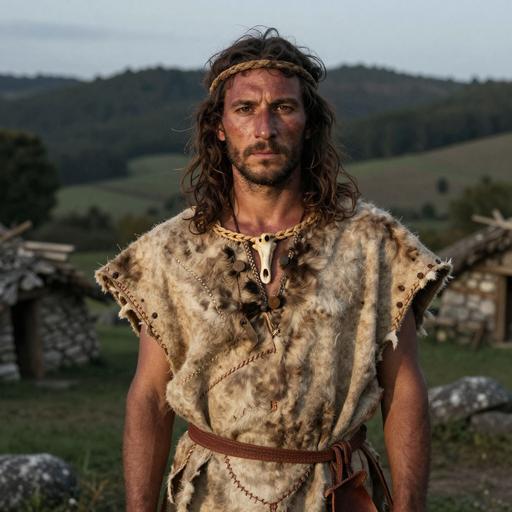
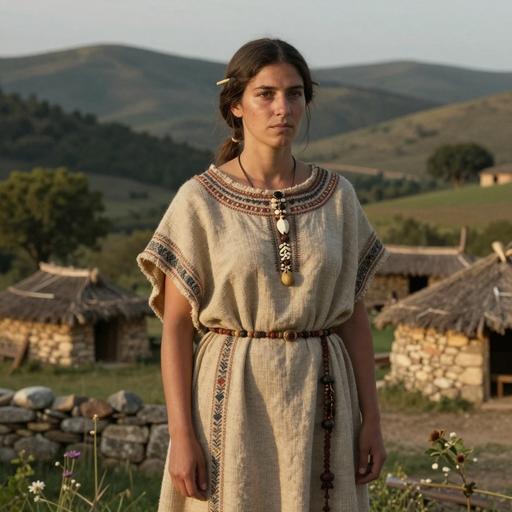
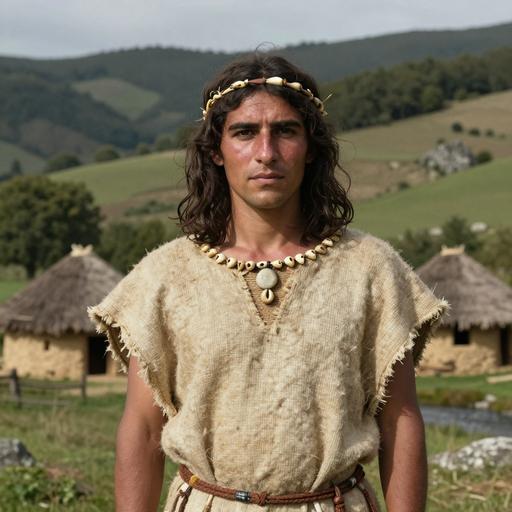
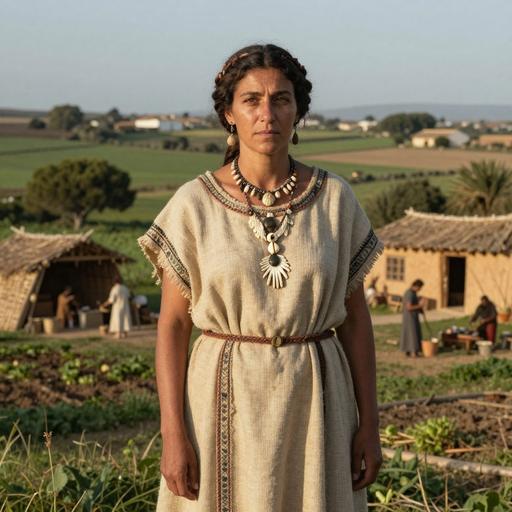
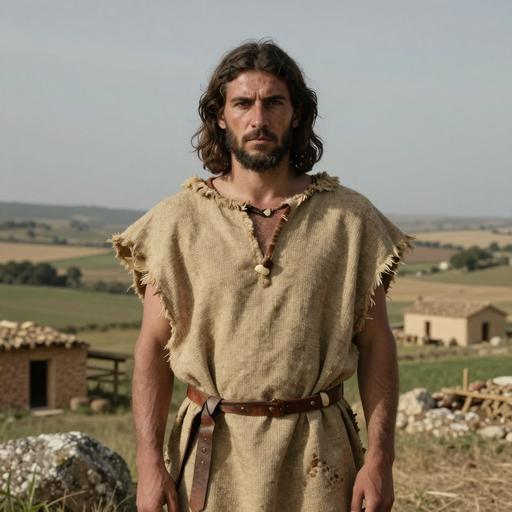
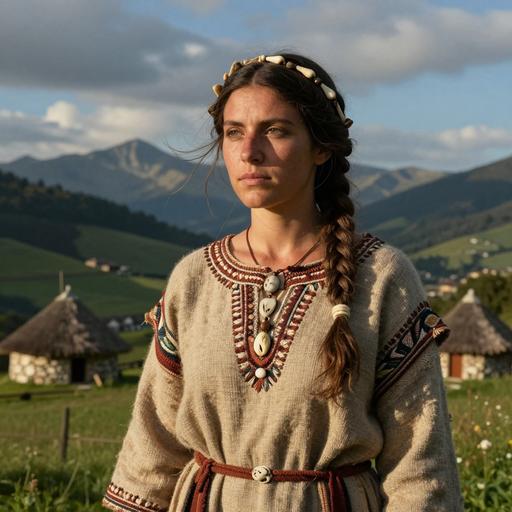
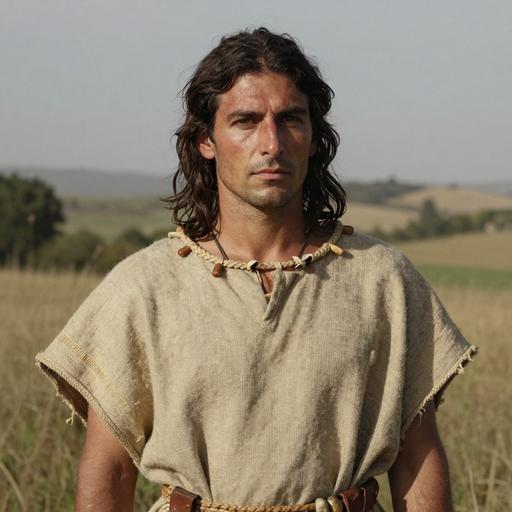
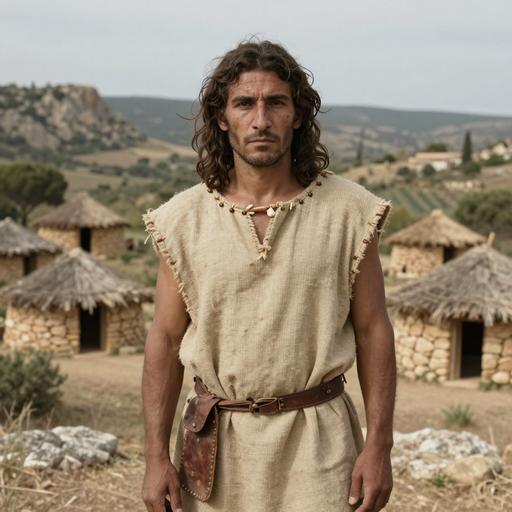
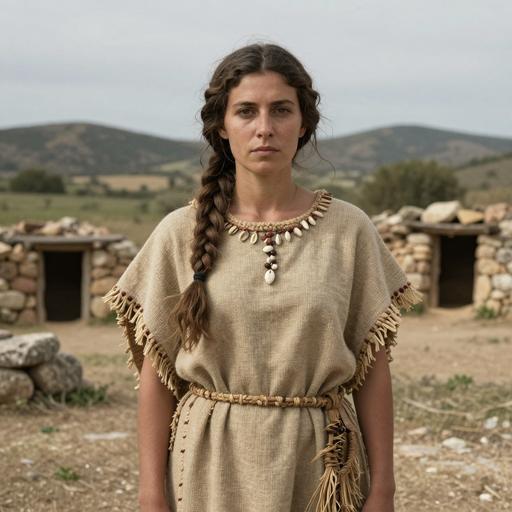
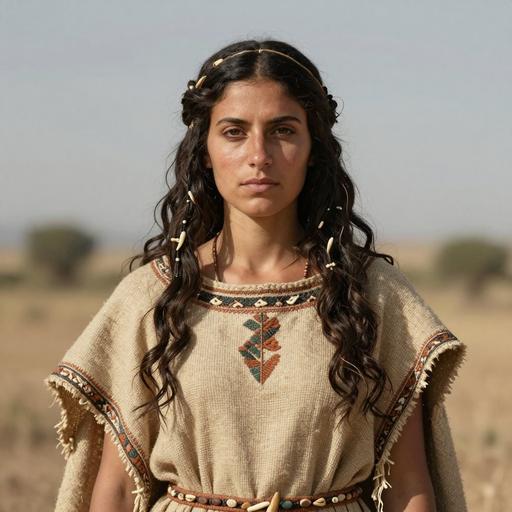
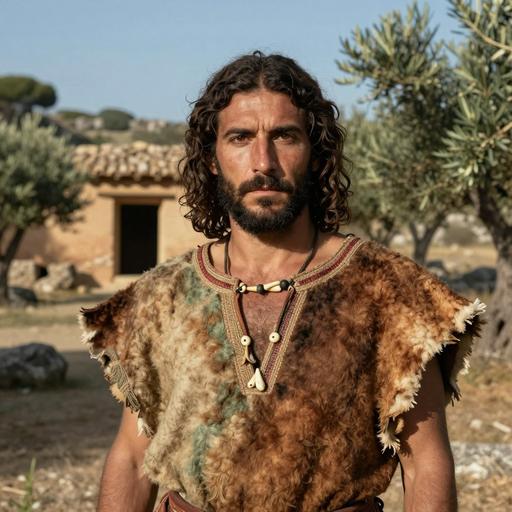
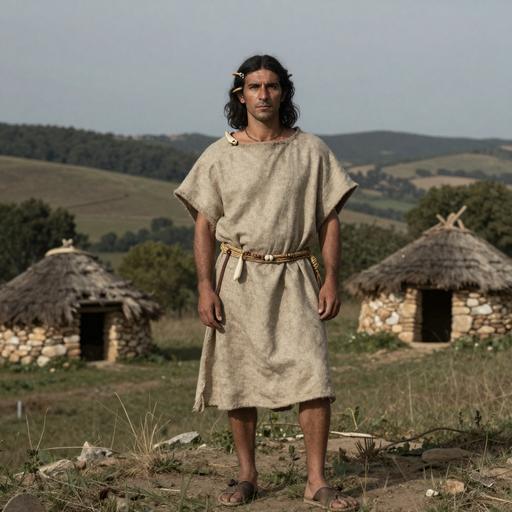
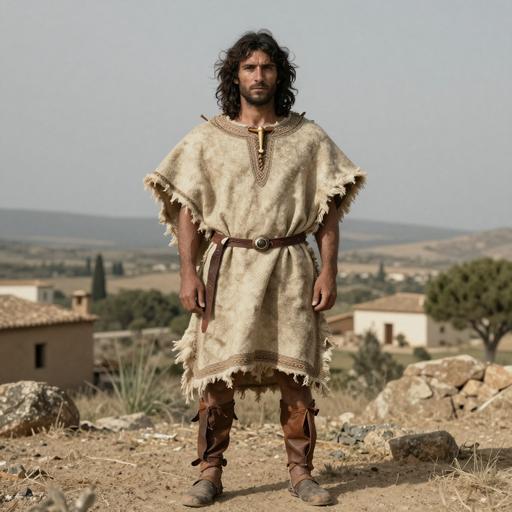
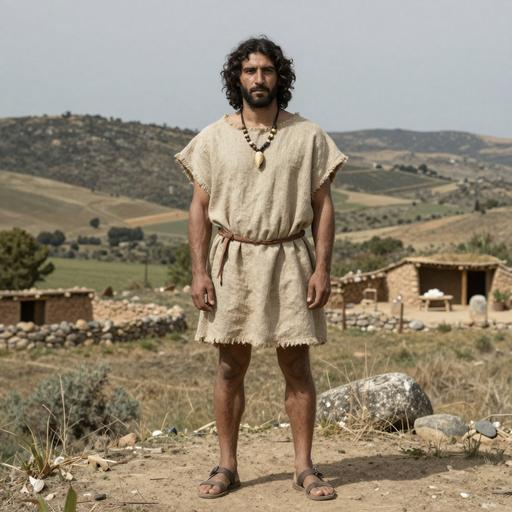
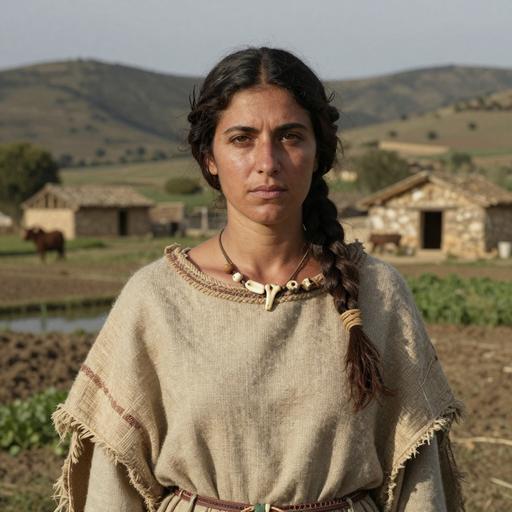
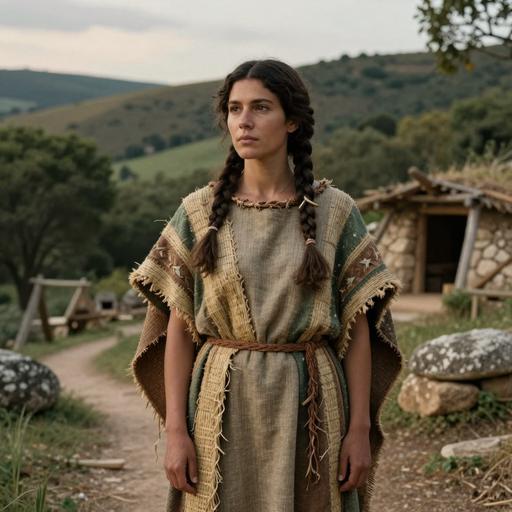
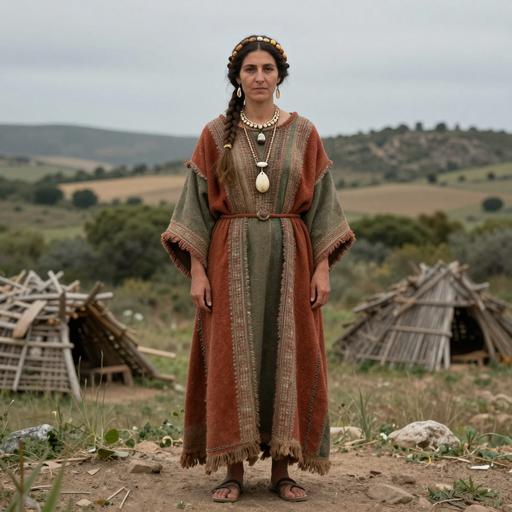
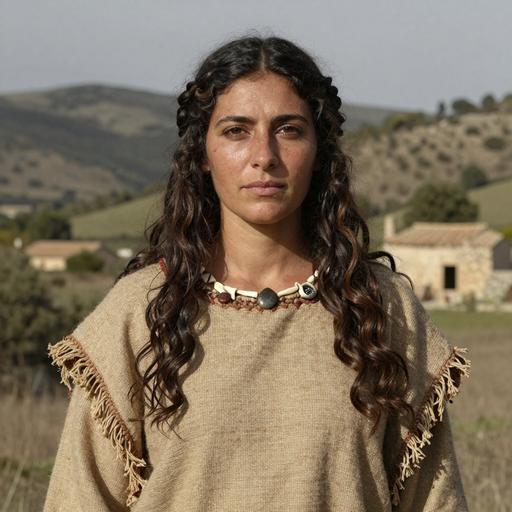
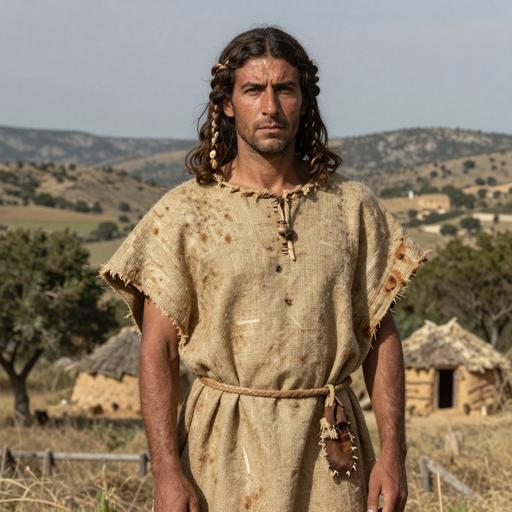
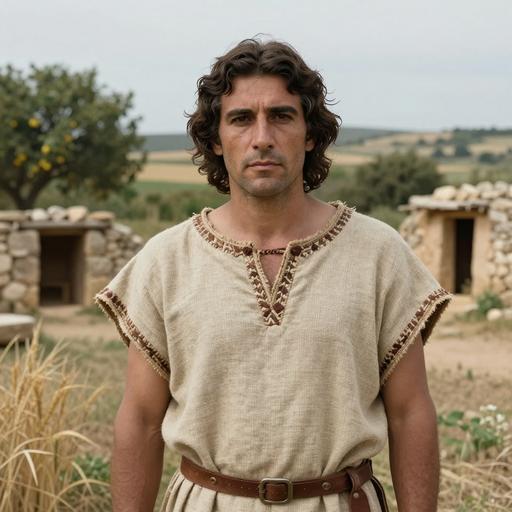
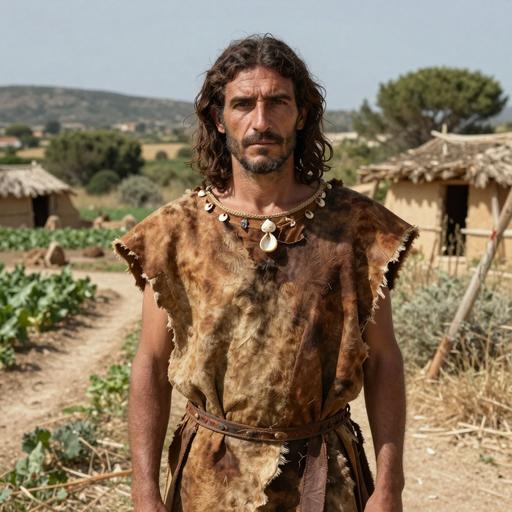
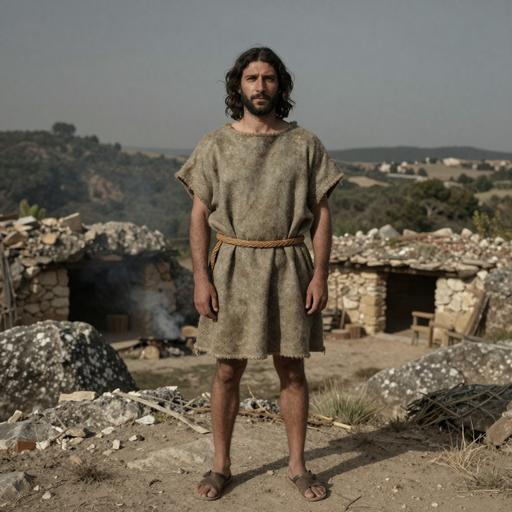
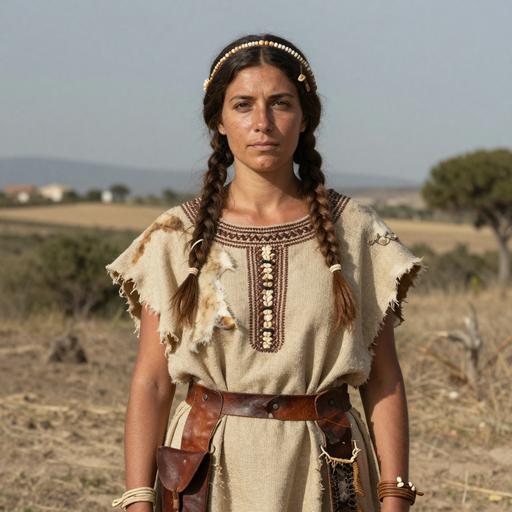
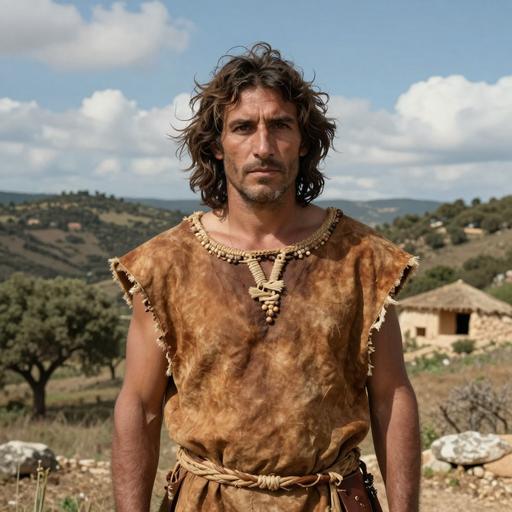
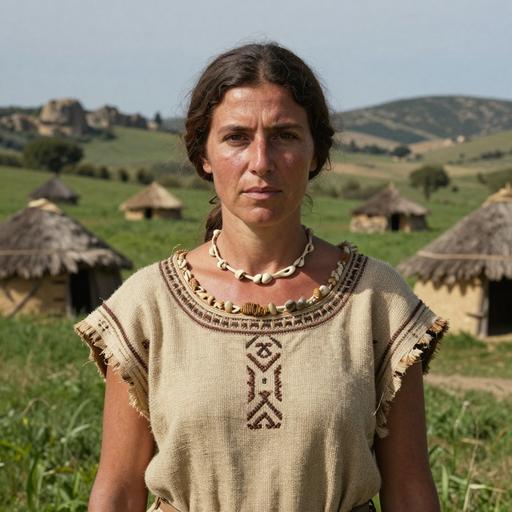
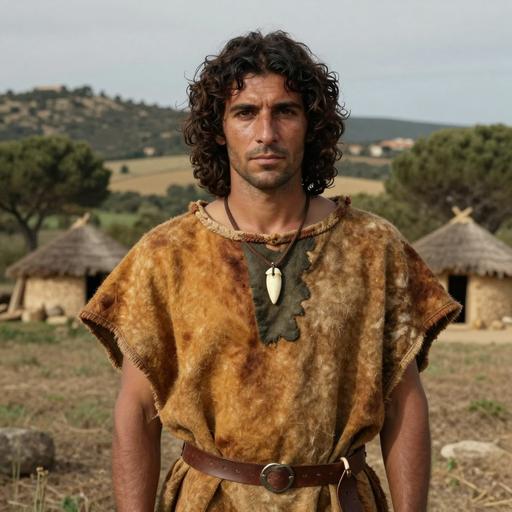
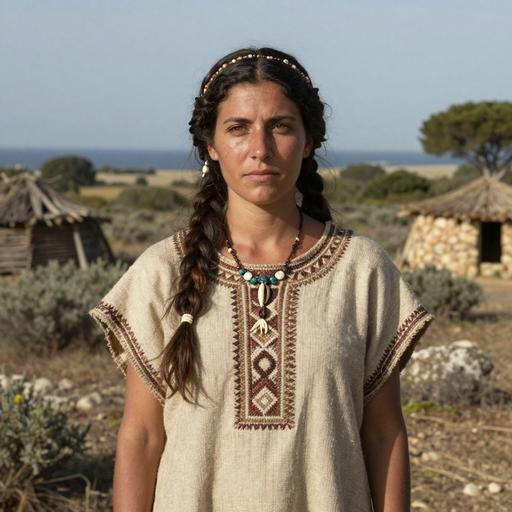
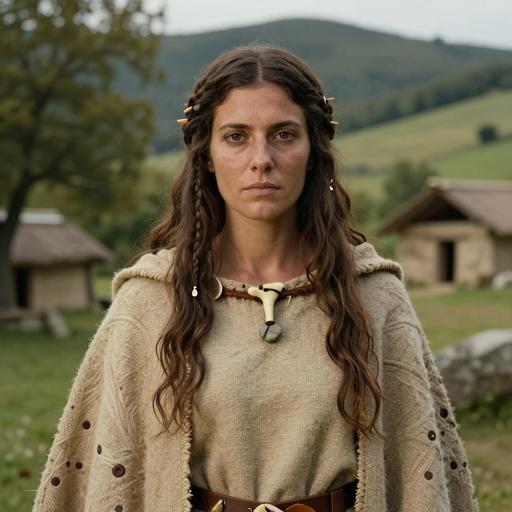
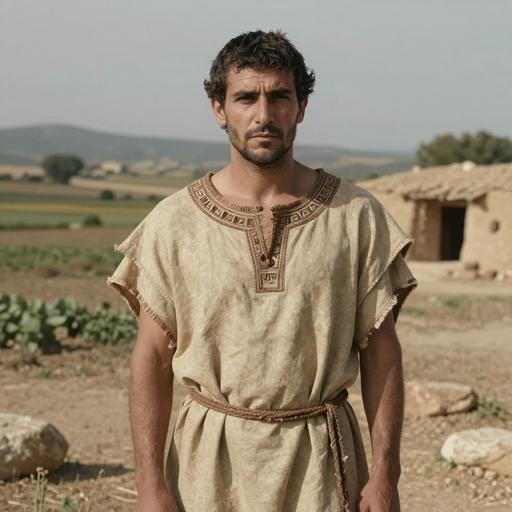
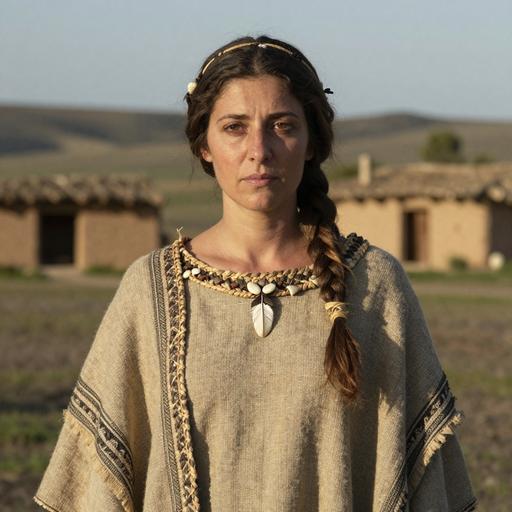
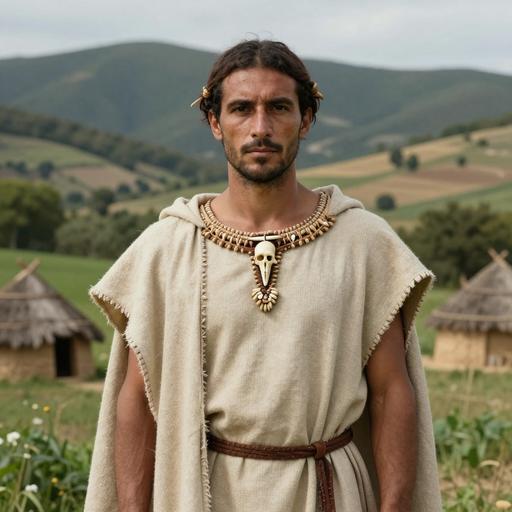
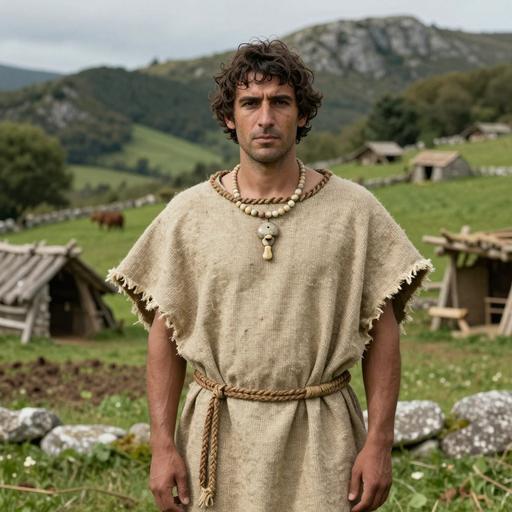
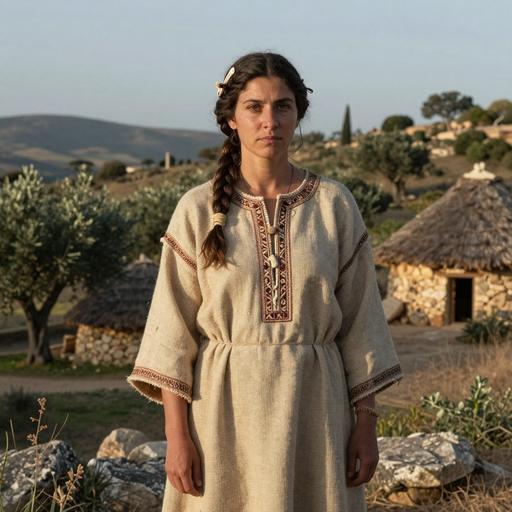
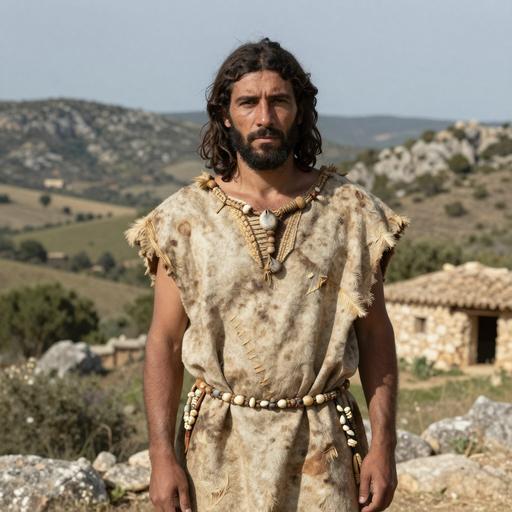
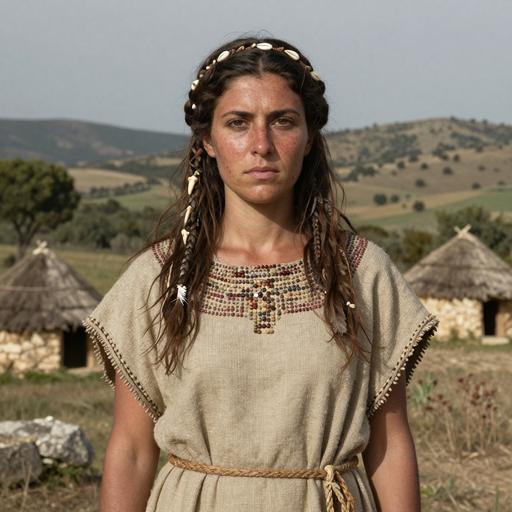
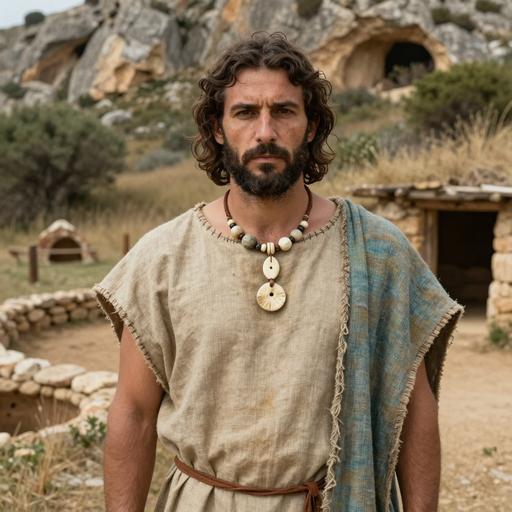
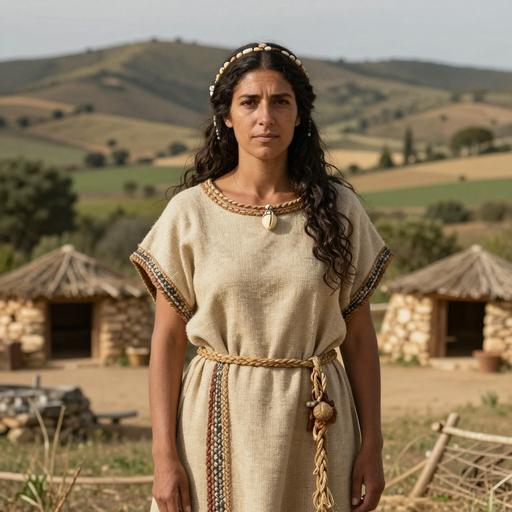
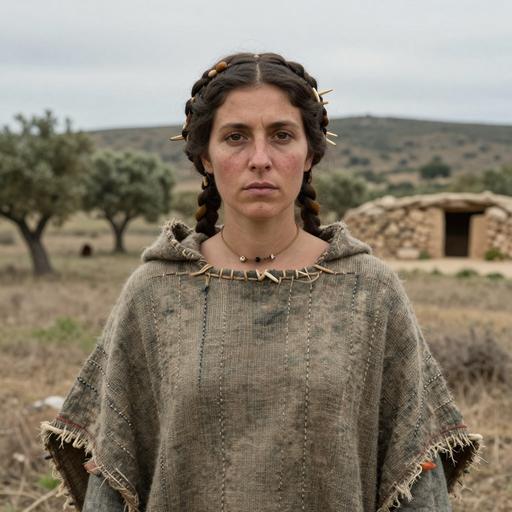
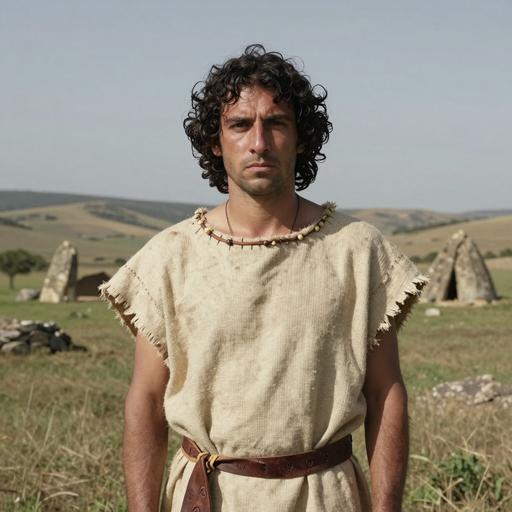
Daily life in Neolithic Iberia was shaped by new foodways and older landscapes. Archaeobotany and zooarchaeology from sites such as Campo de Hockey and the caves of the Pyrenees record cereals (emmer, einkorn, barley), pulses, sheep, goats and cattle—introductions associated with early farmers—alongside continued exploitation of wild resources in upland and coastal contexts. Pottery styles, grave goods and house plans vary by region, indicating diverse local traditions.

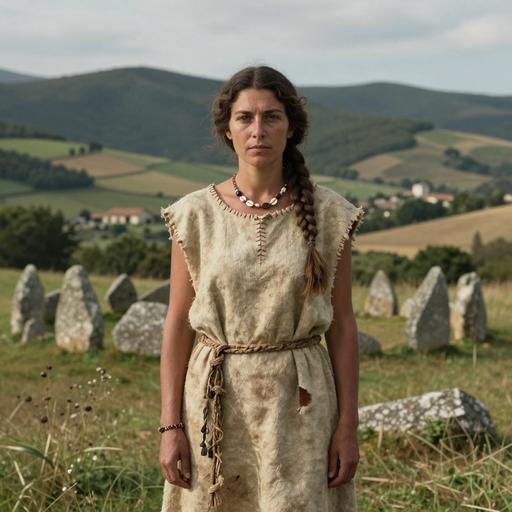
Cave burials (Cova de Els Trocs, Cova de la Guineu) and megalithic tombs (La Chabola de la Hechicera) attest to evolving ritual and ancestral practices. Community size likely ranged from small farming hamlets to larger seasonal aggregation sites; archaeological indicators—storage pits, hearths, and communal tombs—point to coordination of labor and shared ritual life.

Sex- and age-specific burial treatments are visible at several funerary sites, hinting at differentiated social roles, though how these map onto household leadership or kinship remains debated. Trade in stone, shells and exotic materials connected coastal and interior communities, producing networks visible in the distribution of artifacts and, in genetic terms, in shared ancestry components across distant sites.

  • Mixed farming economy with regional reliance on wild resources.
  • Cave and megalithic tombs document evolving ritual and communal memory.
Chapter V

Genetic Profile

The genetic portrait of Iberian Neolithic communities derives from 57 sampled individuals dated between 4700 and 2500 BCE drawn from Spain (including Basque Country, Asturias, Cádiz, Alicante and Alava). Y‑chromosome diversity is led by haplogroup I (22 samples), with lesser counts of H (4), G (4), BT (2) and CT (1). Mitochondrial lineages are dominated by U (14), J (11), K (11), H (6) and X (4).

Interpretation: mtDNA shows the dual signature expected for Neolithic Europe—U lineages often reflect persistence of hunter‑gatherer maternal ancestry, while J and K are commonly associated with incoming farmer populations. The prominence of haplogroup I on the Y chromosome may indicate substantial local male-line continuity or assimilation of hunter‑gatherer paternal lines; G (frequently G2 in other contexts) appears at low frequency and is typically linked to early farmer expansions. The presence of Y‑lineage H and broad categories like BT/CT at low counts must be read cautiously: without fine subclade resolution, their deeper affinities are uncertain.

Genome-wide analyses indicate a majority Anatolian-farmer-derived ancestry with variable WHG admixture across sites. Importantly, archaeological and genetic data together show minimal Steppe‑related ancestry in these Neolithic samples before ~2500 BCE—a notable contrast to the later Chalcolithic and Bronze Age transformations in Iberia. Overall, the DNA supports a picture of admixture, regional continuity and social incorporation rather than wholesale population replacement.

  • Genome-wide signal: dominant Anatolian farmer ancestry with variable WHG admixture.
  • Y and mtDNA patterns indicate mixed origins: local hunter‑gatherer and incoming farmer lineages.
Chapter VI

Legacy & Modern Connections

The Neolithic imprint on modern Iberian populations is real but layered. Genetic contributions from these early farmers and their mixed descendants form a significant component of later Iberian genomes; mtDNA haplogroups like J and K and hunter‑gatherer U lineages persist in the modern gene pool. Yet subsequent movements—Chalcolithic/Beaker expansions and Bronze Age migrations—reshaped the peninsula’s genetic landscape, adding Steppe-related ancestry and new Y‑lineage profiles.
Culturally, megalithic monuments and certain ritual traditions trace through to later prehistoric periods and shape regional identities (for example in the Basque region and Atlantic façade). Archaeogenetic study of these 57 individuals provides a window into early demographic processes that underlie modern diversity, but it is not a complete record: later admixture, medieval population shifts, and historical migrations all layered on top of Neolithic foundations. Continued sampling, especially from underrepresented locales and finer Y/mtDNA subclade resolution, will refine connections between ancient communities and modern populations.
  • Neolithic ancestry contributes to modern Iberian genetic diversity but was reshaped by later migrations.
  • Megalithic and funerary traditions reveal cultural continuities visible in the archaeological record.
Chapter VII

Sample Catalog

50 ancient DNA samples associated with the Iberian Neolithic: Farmers of the Atlantic Edge culture

Ancient DNA samples from this era, providing genetic insights into the people who lived during this period.

50 / 50 samples
Portrait Sample Country Era Date Culture Sex Y-DNA mtDNA
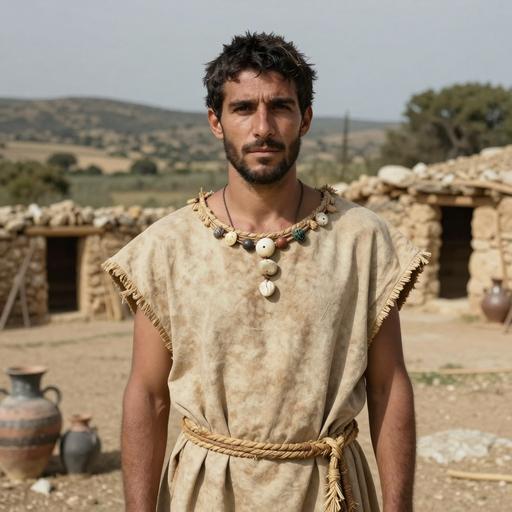
Portrait of ancient individual I0408 from Spain, dated 3895 BCE
I0408
Spain Spain_MLN 3895 BCE Iberian Neolithic F - U5b1
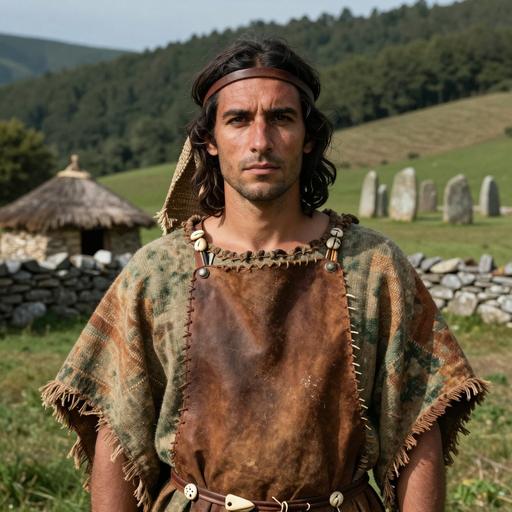
Portrait of ancient individual I0406 from Spain, dated 3900 BCE
I0406
Spain Spain_MLN 3900 BCE Iberian Neolithic M I-Z161 H1
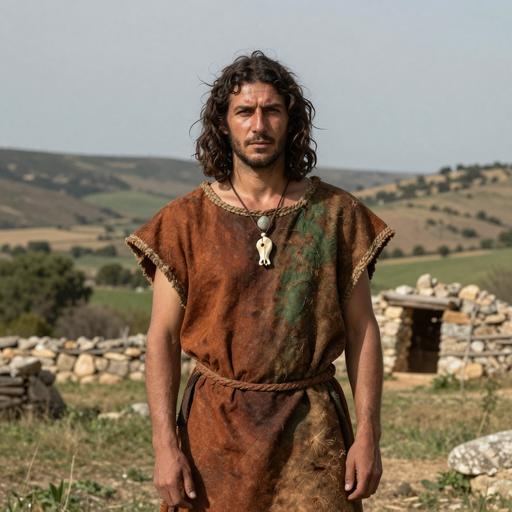
Portrait of ancient individual ELT002 from Spain, dated 3941 BCE
ELT002
Spain Spain_MLN 3941 BCE Iberian Neolithic M I2a1a1 J1c1b
Portrait of ancient individual I7606 from Spain, dated 3500 BCE
I7606
Spain Spain_MLN 3500 BCE Iberian Neolithic M I-BY37398 U5b1-a1
Portrait of ancient individual I11248 from Spain, dated 3500 BCE
I11248
Spain Spain_MLN 3500 BCE Iberian Neolithic M I-BY37398 J2a1a1
Portrait of ancient individual ELT006 from Spain, dated 3949 BCE
ELT006
Spain Spain_MLN 3949 BCE Iberian Neolithic M I2a1a1 U3a1
Portrait of ancient individual I8134 from Spain, dated 4700 BCE
I8134
Spain Spain_MLN 4700 BCE Iberian Neolithic F - U5b3
Portrait of ancient individual I11249 from Spain, dated 3500 BCE
I11249
Spain Spain_MLN 3500 BCE Iberian Neolithic M I-BY37398 U5b1
Portrait of ancient individual I0407 from Spain, dated 3900 BCE
I0407
Spain Spain_MLN 3900 BCE Iberian Neolithic F - K1b1a1
Portrait of ancient individual I7604 from Spain, dated 3500 BCE
I7604
Spain Spain_MLN 3500 BCE Iberian Neolithic M I-S10631 H1ak
AI Powered

AI Assistant

Ask questions about the Iberian Neolithic: Farmers of the Atlantic Edge culture

AI Assistant by DNAGENICS

Unlock this feature
Ask questions about the Iberian Neolithic: Farmers of the Atlantic Edge culture. Our AI assistant can explain genetic findings, historical context, archaeological evidence, and modern connections.
Sample AI Analysis

The Iberian Neolithic: Farmers of the Atlantic Edge culture represents a fascinating chapter in human history...

Genetic analysis reveals connections to earlier populations while showing evidence of unique adaptations and cultural innovations. The ancient DNA samples provide insights into migration patterns, social structures, and the biological relationships between ancient populations.

This is a preview of the AI analysis. Unlock the full AI Assistant to explore detailed insights about:

  • Genetic composition and ancestry
  • Migration patterns and origins
  • Daily life and cultural practices
  • Modern genetic legacy
Use code for 35% off Expires May 20