Menu
Store
Blog
America_Precolumbian Peru, Argentina, Chile (Andes)

Inca Civilization — Andean Threads

A cinematic synthesis of archaeology and DNA from the high Andes

1040 CE - 1532 CE
21 Ancient Samples
Scroll to begin
Chapter I

The Story

Understanding the Inca Civilization — Andean Threads culture

Archaeological and genetic evidence from 28 individuals (1040–1532 CE) illuminates Inca-era lifeways across Peru, Chile and Argentina. Material culture from Cusco, Machu Picchu and Cerro Aconcagua complements ancient DNA that echoes deep Andean maternal lineages and native Y‑DNA haplogroup Q.

Time Period

1040–1532 CE

Region

Peru, Argentina, Chile (Andes)

Common Y-DNA

Q (noted)

Common mtDNA

B2, C1b, A, C, B2b

Chapter II

Timeline

Key moments in the history of this culture

1040 CE

Earliest samples in dataset

Earliest dated individuals in this series (~1040 CE) reflect pre‑imperial highland communities that later contributed to Inca formation.

1438 CE

Imperial expansion begins

Mid‑15th century expansion under Inca rulers (historically associated with Pachacuti) consolidated diverse highland polities into a broader state.

1450 CE

Construction phase at Machu Picchu

Archaeological evidence dates major construction at Machu Picchu to the mid‑15th century, reflecting imperial architectural standards.

1532 CE

First sustained European contact

Spanish arrival and the onset of colonial disruption, marking a turning point in demographic and cultural history.

Chapter III

Origins & Emergence

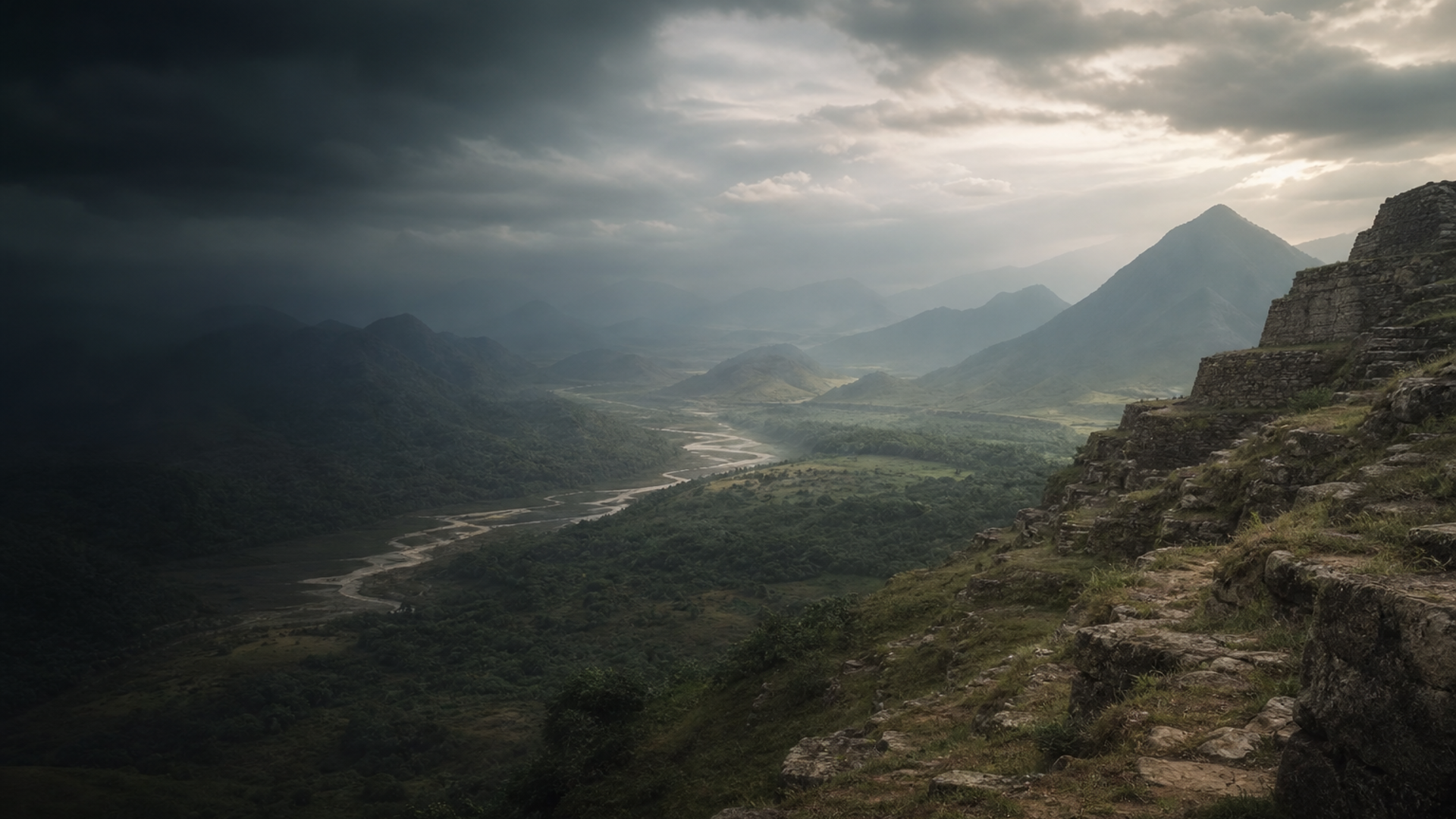
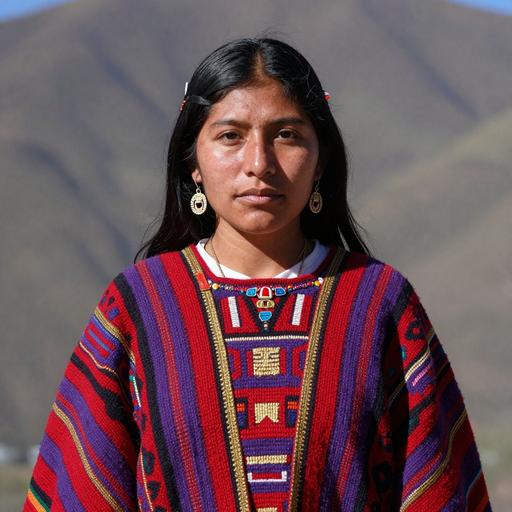
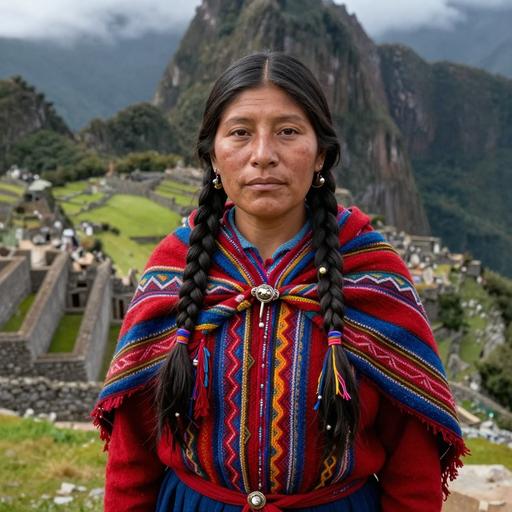
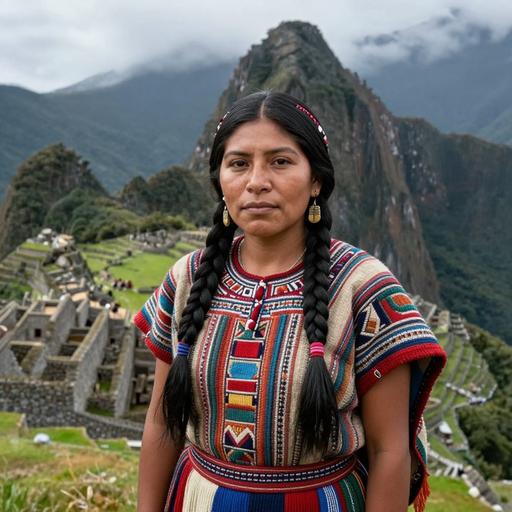
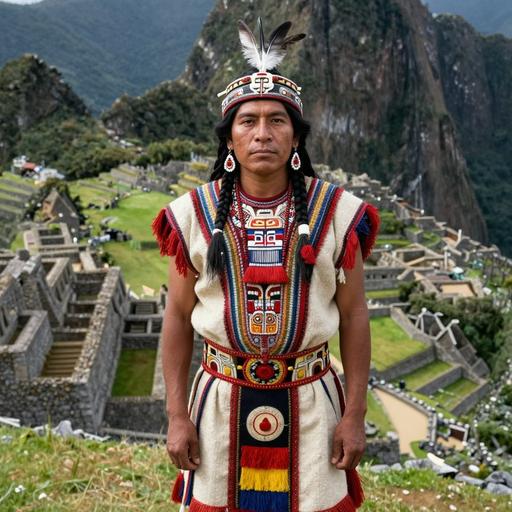
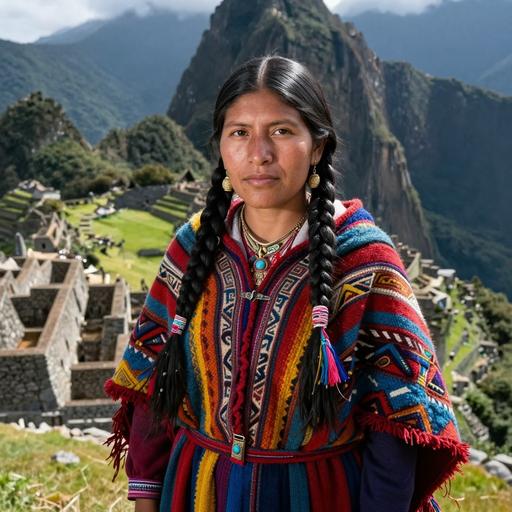
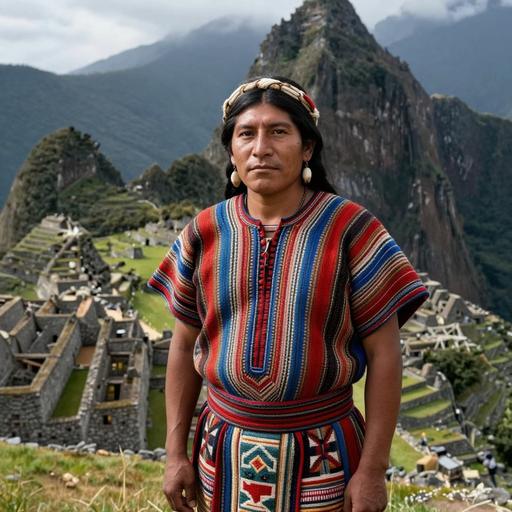
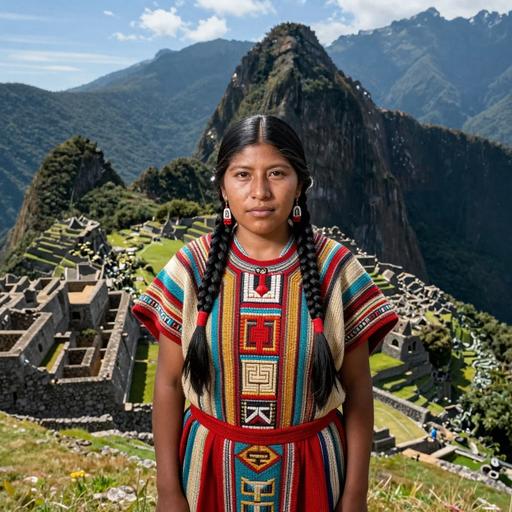
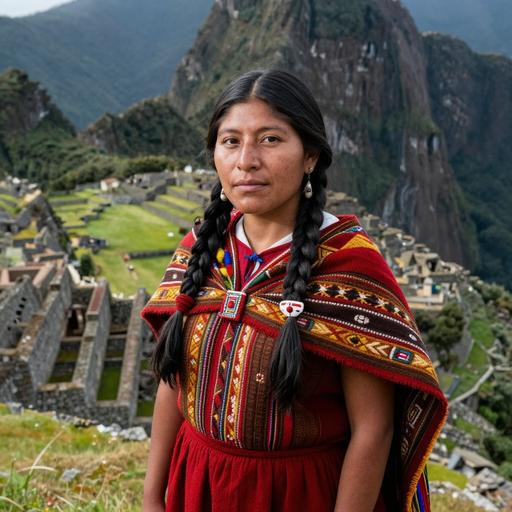
Across high ridgelines and river valleys the Inca state rose not as a single moment but as a braided story of local polities, conquest and administration. Archaeological data from Cusco (San Sebastián sector), Machu Picchu and outlying sites such as Cerro Aconcagua in Mendoza Province document centuries of occupation and cultural change between roughly 1040 and the Spanish arrival in 1532 CE. Material remains — terraced agriculture, imperial architecture, and road networks — speak to a polity that stitched diverse ecological zones into a managed landscape.

Limited evidence indicates earlier highland traditions and regional cultures (for example Aconcagua and Conchalí) provided the social and technological substrate that enabled imperial expansion during the Late Intermediate to Late Horizon periods. Radiocarbon dates cluster in the 13th–15th centuries for key constructions at Machu Picchu and related sites, aligning with historical accounts of dynastic expansion under rulers such as Pachacuti (mid‑15th century). Archaeological excavations show both continuity with local predecessors and an increasing standardization of stone masonry, administrative centers, and ritual architecture as the Inca realm consolidated.

Archaeology reveals the bones, buildings and roads; genetics helps trace the people who lived within those structures. When combined, the material and molecular records create a richer, if still incomplete, picture of emergence: an Andean polity built from local roots, widened by alliances and conquest, and animated by communities tied to specific valleys and altitudinal niches.

  • Occupation spans Late Intermediate Period to Late Horizon (1040–1532 CE)
  • Key sites: Cusco (San Sebastián), Machu Picchu, Cerro Aconcagua, Conchalí
  • Cultural fusion of local Aconcagua/Conchalí traditions with imperial practices
Chapter IV

Daily Life & Society

Daily life in the Inca world unfolded between razor‑edged ecology and meticulous human design. Stone terraces held soils and water on steep slopes; storage houses (qullqas) safeguarded surplus; and roadways funneled goods, people and information across the spine of the continent. Archaeological layers at Machu Picchu reveal domestic neighborhoods, craft areas and ritual plazas where pottery, textiles and food remains speak to a diet of tubers, quinoa and maize supplemented by camelid protein.

Social organization operated through the ayllu — kin‑based units that managed land and labor — and through state administrators who coordinated large public works. Burial practices recovered at San Sebastián and Conchalí show a range of mortuary treatments, from bundled interments to offerings that reflect lineage and status. Stone architecture, finely woven textiles and standardized ceramic forms indicate both local craft traditions and empire‑wide styles imposed or encouraged by centralized policy.

Archaeobotanical and faunal remains, along with wear on tools and textiles, allow us to listen to the textures of everyday life: the grind of grain, the rhythmic beat of weaving, the seasonal movement of herds. Yet the archaeological record is incomplete; preservation varies by altitude and soil chemistry, and many intimate practices leave only faint traces.

  • Terracing, storage (qullqa) and road networks structured daily economy
  • Ayllu-based labor and state administration shaped production and mobility
Chapter V

Genetic Profile

Ancient DNA from 28 individuals dated between 1040 and 1532 CE offers direct genetic windows into Inca-associated populations sampled in Peru (Machu Picchu, Cusco), Chile (Conchalí, Santiago RM) and Argentina (Cerro Aconcagua, Mendoza). The male lineages show a notable presence of Y‑DNA haplogroup Q (7 individuals), a lineage widely observed among Indigenous peoples of the Americas and consistent with deep continental ancestry. Maternal lineages are dominated by Native American mtDNA haplogroups: B2 (5), C1b (4), A (4), C (3), and B2b (3), reflecting the typical Andean maternal spectrum.

These genetic signals align with archaeological expectations of local continuity: matrilineal diversity within an indigenous framework and male lineages characteristic of First‑Peoples ancestry. However, caution is required. Although 28 samples are a meaningful contribution, geographic sampling is uneven (several sites in Cusco and just a few in Mendoza and Santiago), and some haplogroup counts are small. Limited evidence suggests regional differences in haplogroup frequencies, but those patterns remain provisional until larger, more spatially balanced datasets are available.

Importantly, these genomes predate or coincide with early colonial contact in some cases; therefore, they mostly reflect pre‑contact Andean genetic structure rather than post‑contact admixture. When combined with archaeological context, the DNA helps trace mobility, local continuity, and the threads of kinship that tied communities to specific valleys — revealing how a living empire was both built and inhabited.

  • Y‑DNA: haplogroup Q present in 7 of 28 individuals — common in Native American males
  • mtDNA: predominant maternal lineages B2, C1b, A and C; patterns suggest Andean continuity
Chapter VI

Legacy & Modern Connections

The living legacy of these people persists in language, craft traditions and genetic continuity among modern Andean populations. Archaeological sites such as Machu Picchu and Cusco remain powerful cultural symbols, while ancient genomes connect present‑day communities to predecessors in tangible ways. Genetic affinities observed in the ancient samples echo patterns seen in contemporary Quechua‑ and Aymara‑speaking groups, supporting a broad narrative of regional continuity across centuries.

At the same time, genetics is not destiny: cultural identity, language and social memory are complex and shaped by historical processes beyond ancestry alone. Museum displays and ancestry reports that integrate archaeology and DNA can humanize individuals from the past, but should emphasize uncertainty where the data are thin and acknowledge that 28 samples represent a fragmentary view. Ongoing, ethically engaged research with descendant communities and expanded sampling will sharpen our understanding of how ancient people lived, moved and became the ancestors of modern Andean populations.

  • Ancient DNA complements cultural continuity observed in modern Andean groups
  • Genetics must be contextualized: ancestry patterns are one thread among many in identity
Chapter VII

Sample Catalog

21 ancient DNA samples associated with the Inca Civilization — Andean Threads culture

Ancient DNA samples from this era, providing genetic insights into the people who lived during this period.
21 / 21 samples
Portrait Sample Country Era Date Culture Sex Y-DNA mtDNA
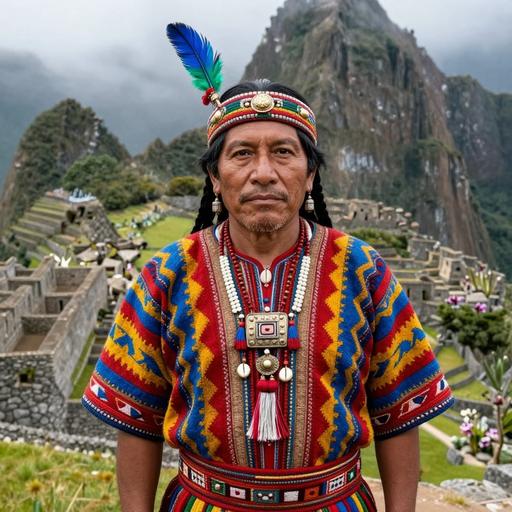
Portrait of ancient individual MP27 from Peru, dated 1420 CE
MP27
Peru America_Precolumbian 1420 CE Inca Civilization M - B2
Portrait of ancient individual MP63 from Peru, dated 1420 CE
MP63
Peru America_Precolumbian 1420 CE Inca Civilization F - D1f
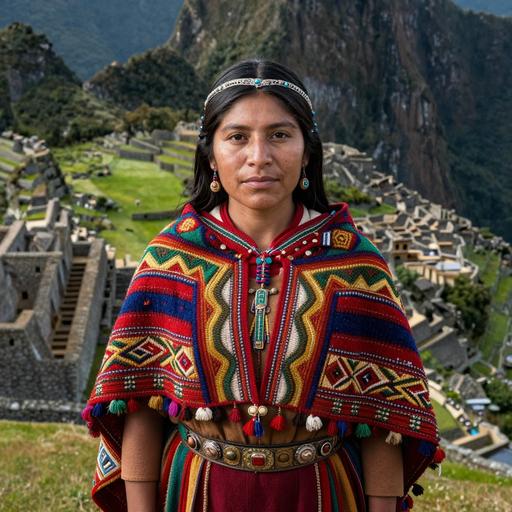
Portrait of ancient individual MP3a from Peru, dated 1420 CE
MP3a
Peru America_Precolumbian 1420 CE Inca Civilization F - C1b2
Portrait of ancient individual MP61 from Peru, dated 1420 CE
MP61
Peru America_Precolumbian 1420 CE Inca Civilization F - B2o
Portrait of ancient individual KMA-15A-1 from Peru, dated 1420 CE
KMA-15A-1
Peru America_Precolumbian 1420 CE Inca Civilization F - C
Portrait of ancient individual KMA-19-1 from Peru, dated 1420 CE
KMA-19-1
Peru America_Precolumbian 1420 CE Inca Civilization F - C1b
Portrait of ancient individual CCA-7-2 from Peru, dated 1420 CE
CCA-7-2
Peru America_Precolumbian 1420 CE Inca Civilization F - B2
Portrait of ancient individual KMA-28-1 from Peru, dated 1420 CE
KMA-28-1
Peru America_Precolumbian 1420 CE Inca Civilization F - B2y
Portrait of ancient individual SHN-575 from Peru, dated 1420 CE
SHN-575
Peru America_Precolumbian 1420 CE Inca Civilization M - A2+(64)
Portrait of ancient individual OTT-1160 from Peru, dated 1420 CE
OTT-1160
Peru America_Precolumbian 1420 CE Inca Civilization F - D1
AI Powered

AI Assistant

Ask questions about the Inca Civilization — Andean Threads culture

AI Assistant by DNAGENICS

Unlock this feature
Ask questions about the Inca Civilization — Andean Threads culture. Our AI assistant can explain genetic findings, historical context, archaeological evidence, and modern connections.
Sample AI Analysis

The Inca Civilization — Andean Threads culture represents a fascinating chapter in human history...

Genetic analysis reveals connections to earlier populations while showing evidence of unique adaptations and cultural innovations. The ancient DNA samples provide insights into migration patterns, social structures, and the biological relationships between ancient populations.

This is a preview of the AI analysis. Unlock the full AI Assistant to explore detailed insights about:

  • Genetic composition and ancestry
  • Migration patterns and origins
  • Daily life and cultural practices
  • Modern genetic legacy
Use code for 30% off Expires May 20