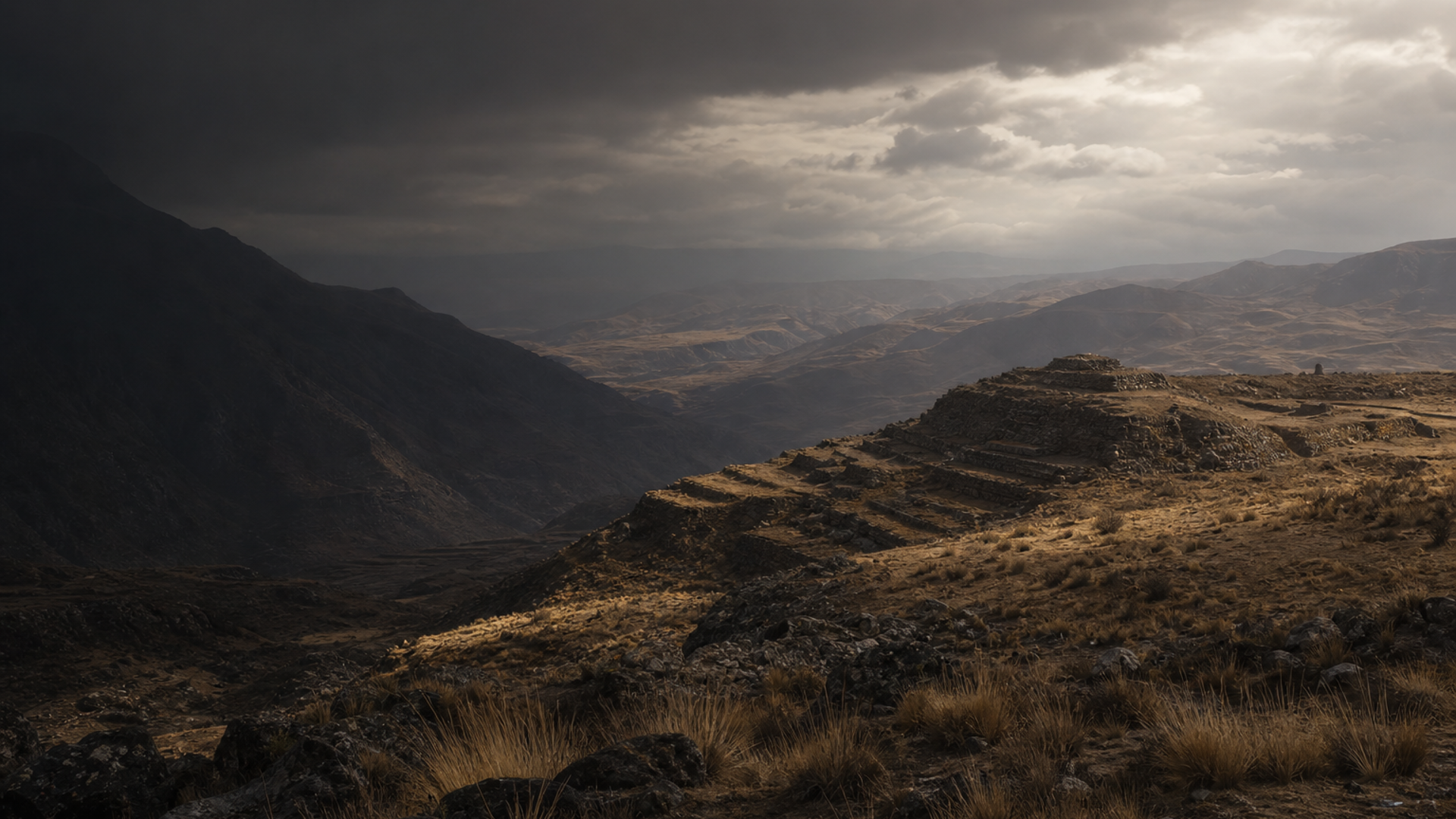
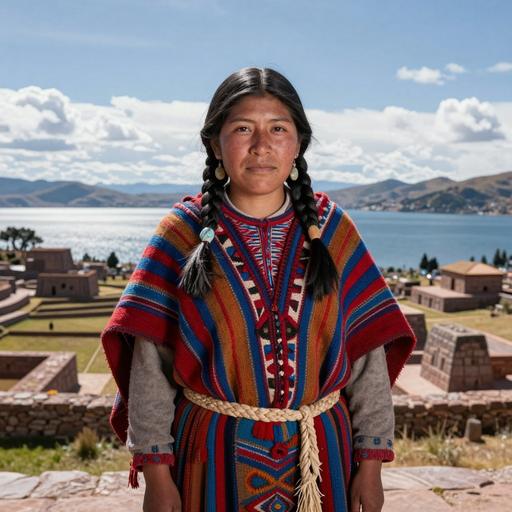
The genetic profile from the labeled Bolivia_MH_Iroco_1050BP dataset is based on one individual dated between 775 and 1155 CE, recovered from the Titicaca Basin. This person carries Y-chromosome haplogroup Q and mitochondrial haplogroup B2. Both haplogroups are well-established components of Native American genetic diversity: haplogroup Q is a major paternal lineage observed widely across the Americas, and mtDNA B2 is a common maternal lineage in Andean and broader Native American populations.
These markers suggest continuity with longstanding highland and continental ancestries rather than clear evidence of recent external gene flow. However, because the sample count is one (well below a robust threshold), any interpretation is preliminary. Limited evidence suggests local Andean ancestry for this individual, but it cannot reveal population-level structure, sex-biased migration, or fine-scale kinship patterns on its own.
Future aDNA work with larger sample sizes across household, community, and cemetery contexts in the Titicaca Basin would allow researchers to test whether haplogroup frequencies mirror those observed here, identify potential mobility or admixture events, and link biological kinship to archaeological patterns of residence and inheritance. For now, genetics offers a single, powerful thread connecting an individual life to the deep genetic tapestry of the Americas.