Menu
Store
Blog
Greece_Crete_HgCharalambos_EMBA Crete, Greece (Heraklion, Lasithi, Chania)

Isles of Red Clay: The Minoans

A seafaring Bronze Age culture on Crete seen through archaeology and ancient DNA

2300 CE - 1060 BCE
28 Ancient Samples
Scroll to begin
Chapter I

The Story

Understanding the Isles of Red Clay: The Minoans culture

Archaeological and genetic evidence from 60 Minoan-era individuals (c. 2300–1060 BCE) from Crete (Heraklion, Lasithi, Chania) reveals a population with Near Eastern-linked Y haplogroup J, European mtDNA H and K lineages, and signs of local continuity with episodic external contact.

Time Period

c. 2300–1060 BCE

Region

Crete, Greece (Heraklion, Lasithi, Chania)

Common Y-DNA

J (most common), G, T, R, I

Common mtDNA

H, HV(+), K, T

Chapter II

Timeline

Key moments in the history of this culture

2500 BCE

Palatial precursors and island networks

Early Bronze Age communities on Crete develop complex craft production and long-distance exchange that set the stage for later Minoan palaces and maritime networks.

Chapter III

Origins & Emergence

The Minoan world emerged on Crete in the Early to Middle Bronze Age and expanded into a distinctive island culture by the 3rd millennium BCE. Archaeological horizons represented in this dataset span c. 2300–1060 BCE and include graves and cave deposits associated with Hagios Charalambos (Early Minoan contexts) and later Late Minoan occupations around major centers. Excavations at sites near Heraklion, Lasithi (including Ierapetra, Schinokapsala, Vornospilia) and Chania reveal complex settlement patterns: fortified towns are rare, while palatial centers, workshops and coastal ports speak to maritime exchange.

Material culture—frescoes, storage ceramics, metallurgical remains and imported goods—documents broad contacts across the eastern Mediterranean. Archaeological data indicates a long-running local continuity from Neolithic farming communities, yet also episodes of intensified contact with Anatolian and Levantine networks. The genetic profile of the sampled population (see Genetics) is compatible with this archaeological picture: a mix reflecting deep Aegean farmer ancestry alongside gene-flow signals consistent with eastern Mediterranean connections. Limited evidence requires caution in assigning precise migration events; the pattern is best described as sustained interaction layered onto local demographic continuity rather than a single, large-scale population replacement.

  • Data covers 2300–1060 BCE across Heraklion, Lasithi, Chania
  • Archaeology shows maritime exchange, palatial economies, cave ritual use
  • Genetics suggest local continuity with episodic eastern Mediterranean input
Chapter IV

Daily Life & Society

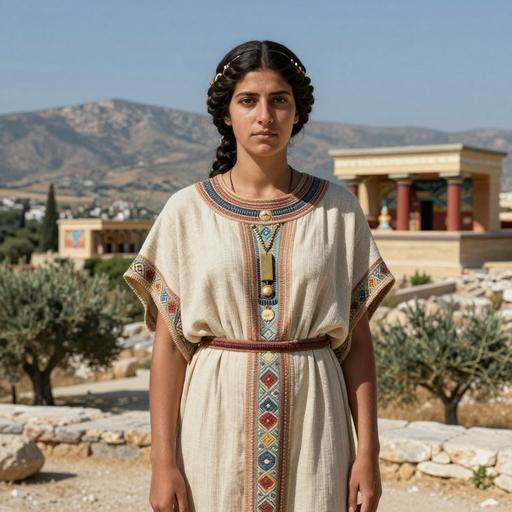
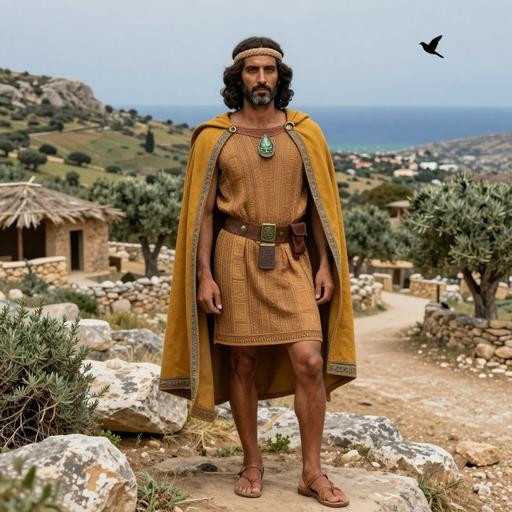
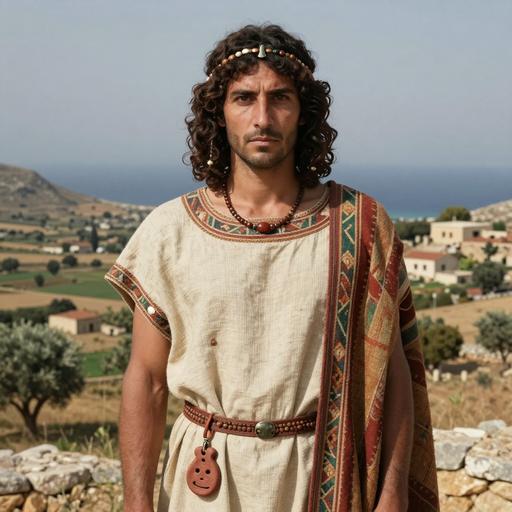
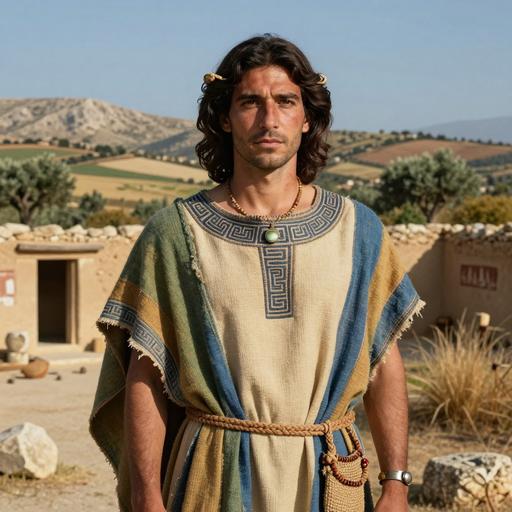
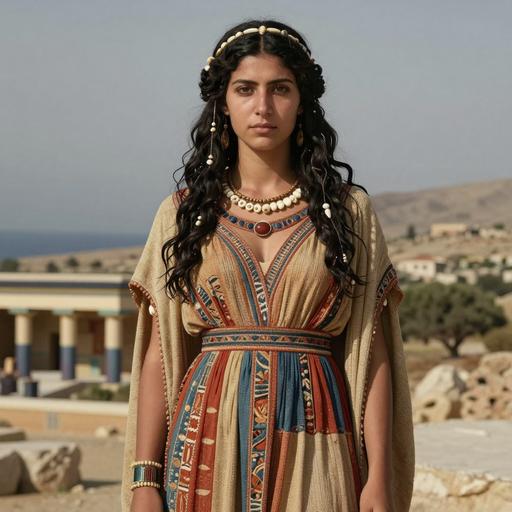
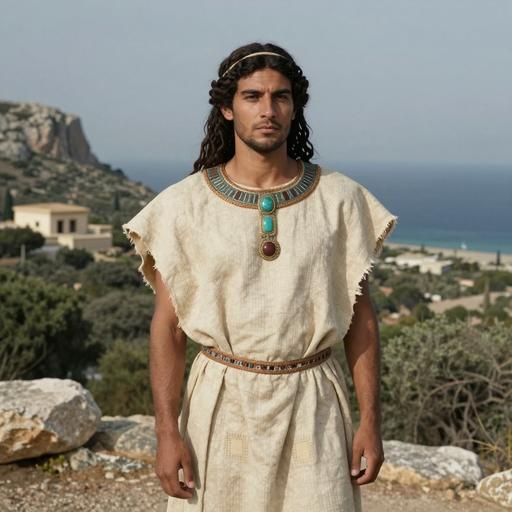
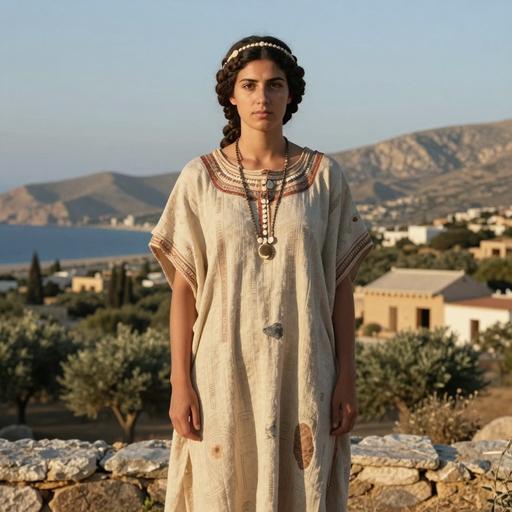
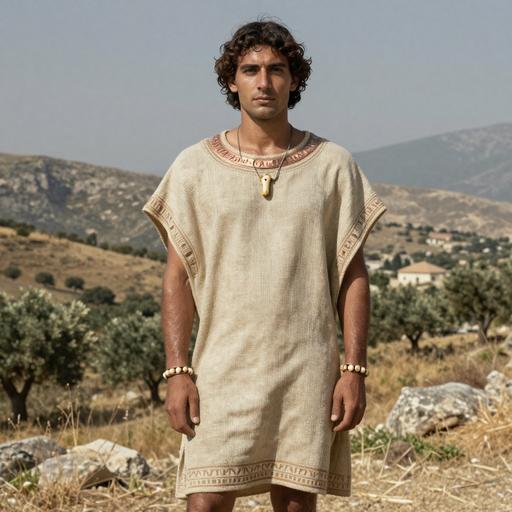
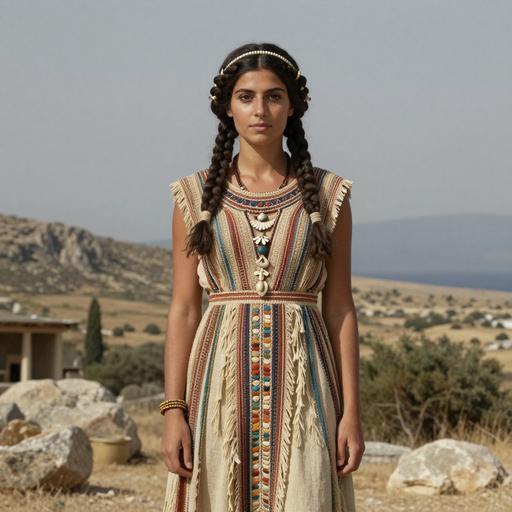
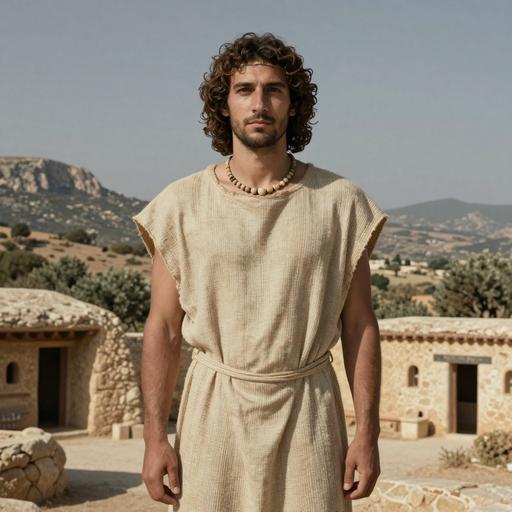
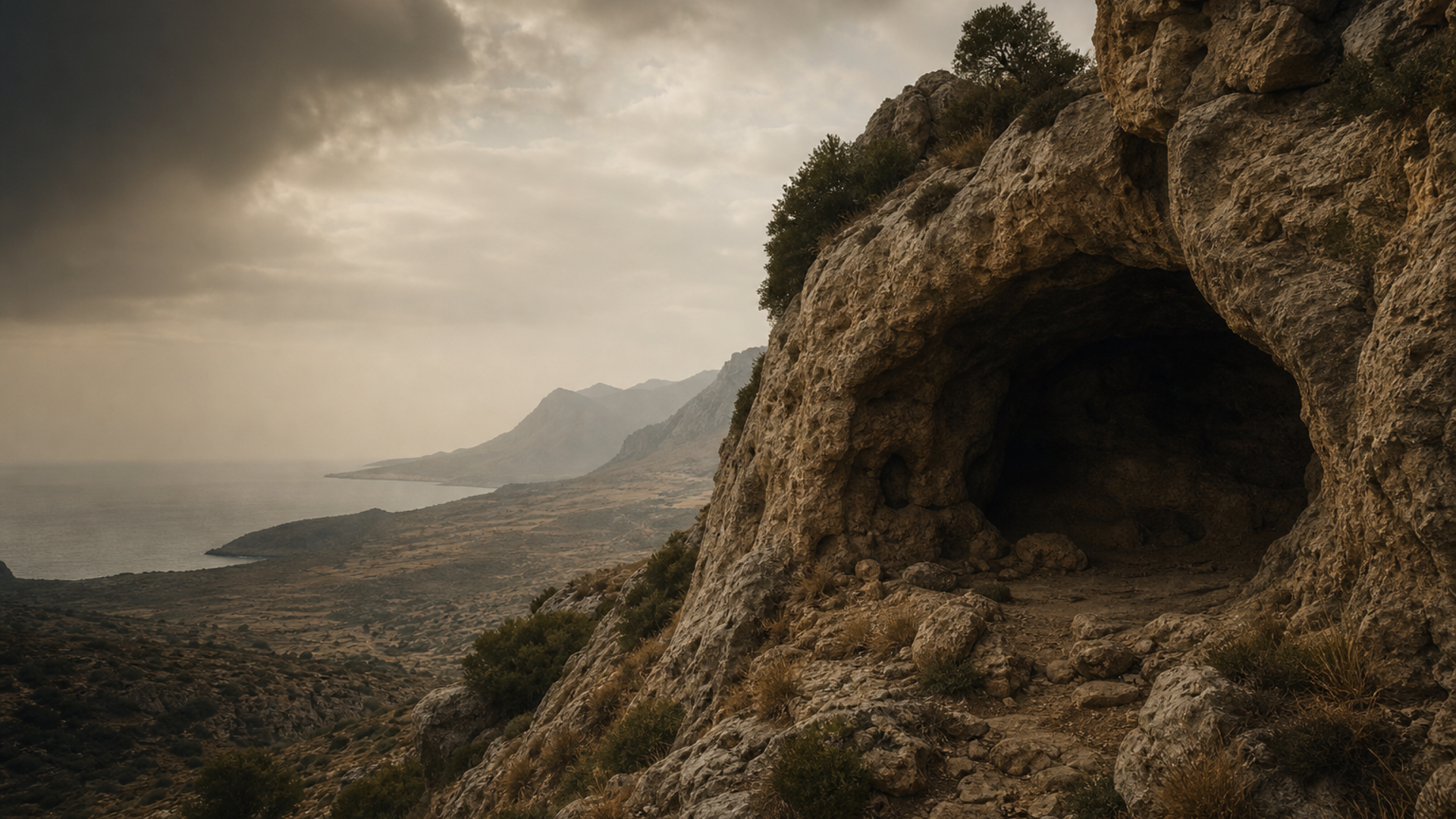
Life in Minoan Crete was oriented toward the sea and the fertile island interior. Houses and storerooms near coastal sites and inland valleys reveal economies based on cereal agriculture, olive cultivation, viticulture and artisanal production—pottery, stone-vessel carving and metallurgy. Frescoes and seal iconography portray ritual scenes, maritime processions and bull-related motifs that imply a complex symbolic world and communal ritual practice. Caves such as Hagios Charalambos were used as depositional and votive spaces; archaeologists have recovered adult and juvenile skeletal remains, pottery offerings and worked bone that attest to both funerary and ritual functions.

Social organization appears neither strictly centralized nor uniformly egalitarian: palace complexes concentrated administrative and craft activities, while smaller settlements maintained local production networks. Osteological studies from Crete indicate varied diets and workloads, with some regional differences in health markers—though isotopic coverage remains limited and results preliminary. Trade networks brought objects from the Cyclades, mainland Greece, Anatolia and the Levant; imported luxury items found in palaces and tombs testify to Crete’s integration into Bronze Age exchange circuits. Archaeological evidence thus paints a picture of everyday life shaped by agriculture, craft specialization, ritual places and seafaring commerce.

  • Economy: cereals, olives, wine, craft production, maritime trade
  • Ritual spaces: caves (Hagios Charalambos), palaces, and coastal sanctuaries
Chapter V

Genetic Profile

Genomes from 60 Minoan-period individuals provide one of the best ancient-DNA windows into Bronze Age Crete. Y-chromosome calls are dominated by haplogroup J (24/60), with smaller counts of G (4), T (2), R (2) and I (1). Maternal lineages are led by haplogroup H (11) with clusters of HV and HV+ (combined 7), K (3) and T (3) among others. The predominance of J among male lineages is notable: haplogroup J has a long presence in the Near East and eastern Mediterranean and its frequency here is compatible with sustained eastern connections, whether via maritime networks or longer-term gene flow. Haplogroup G is commonly associated with early agricultural expansions into Europe, suggesting a legacy of Neolithic farmer ancestry on Crete.

Mitochondrial lineages dominated by H and K mirror patterns seen across Neolithic and Bronze Age Europe and the Aegean, supporting archaeological indications of continuity in maternal lines. Occasional R and I Y-lineages may reflect minor inputs from mainland or broader Eurasian sources, but low counts (R:2, I:1) mean these inferences are tentative. Overall, the genetic picture is one of local Aegean continuity augmented by episodic eastern Mediterranean admixture—consistent with pottery, trade goods and isotopic data. Because some haplogroups here have small counts, interpretations about specific migration events should remain cautious and open to revision with additional samples.

  • Y-DNA dominated by J (24/60), suggesting Near Eastern/eastern Mediterranean links
  • mtDNA shows European/Aegean continuity (H, HV, K); low-count Y lineages are tentative
Chapter VI

Legacy & Modern Connections

The Minoans left an enduring cultural legacy: myths of labyrinths and bull-leaping, administrative innovations and art that shaped later Aegean identities. Genetic data from Bronze Age Crete also informs modern narratives of ancestry. Contemporary populations of Crete and the broader Aegean carry a mosaic of ancestries—Neolithic farmer-derived lineages, Bronze Age components reflected in Minoan genomes, and subsequent historic inputs—so any direct claim of uninterrupted descent should be made carefully.
For users of DNA ancestry platforms, links to a “Minoan” genetic profile imply shared components rather than exclusive or uniform heritage. With 60 ancient samples, this dataset offers robust signals compared with smaller studies, yet regional sampling biases (concentrated in Heraklion, Lasithi, Chania) and limited temporal resolution mean conclusions about island-wide demography remain provisional. Archaeology and genetics together create a cinematic, evidence-based portrait: an island society rooted in local landscapes but open to the sea, where genes and goods flowed across the eastern Mediterranean.

  • Minoan cultural motifs influenced later Aegean civilizations and myth
  • Genetic links reflect shared ancestry components; direct lineal descent is nuanced
Chapter VII

Sample Catalog

28 ancient DNA samples associated with the Isles of Red Clay: The Minoans culture

Ancient DNA samples from this era, providing genetic insights into the people who lived during this period.

28 / 28 samples
Portrait Sample Country Era Date Culture Sex Y-DNA mtDNA
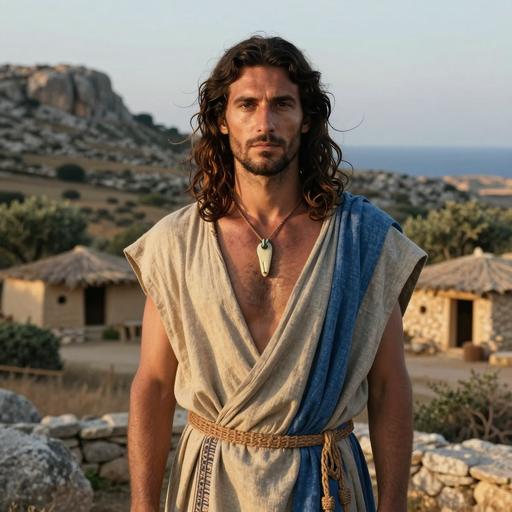
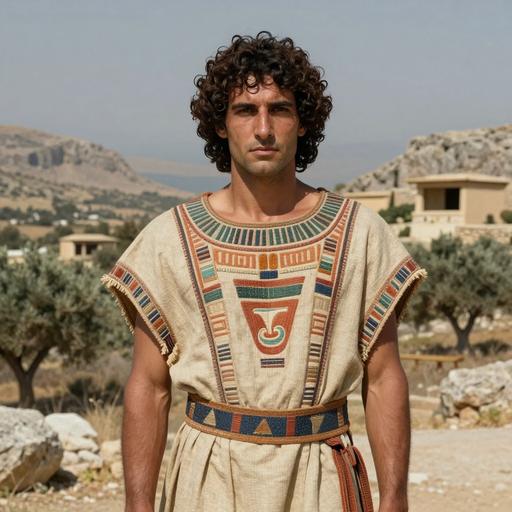
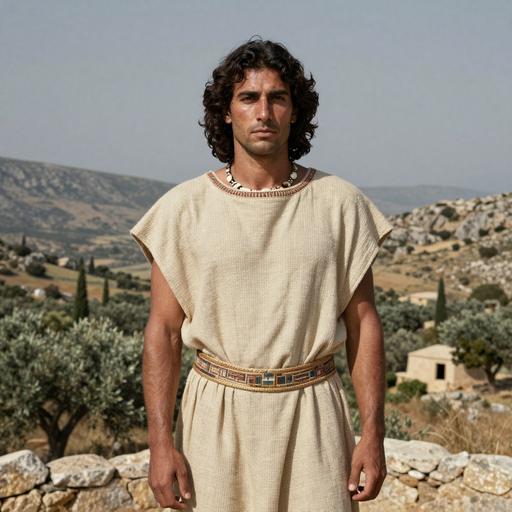
Portrait of ancient individual HGC001 from Greece, dated 2200 BCE
HGC001
Greece Greece_Crete_HgCharalambos_EMBA 2200 BCE Minoan M J-P58 H
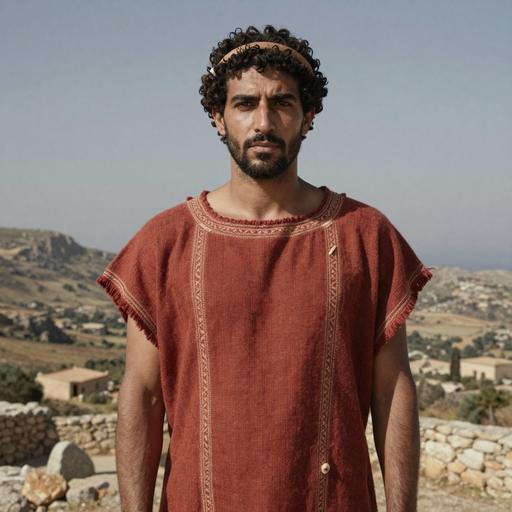
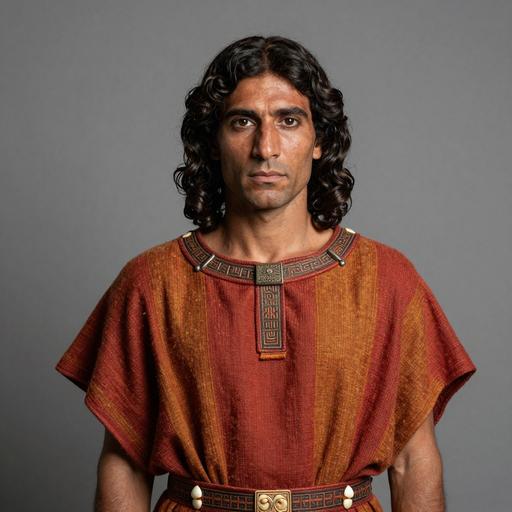
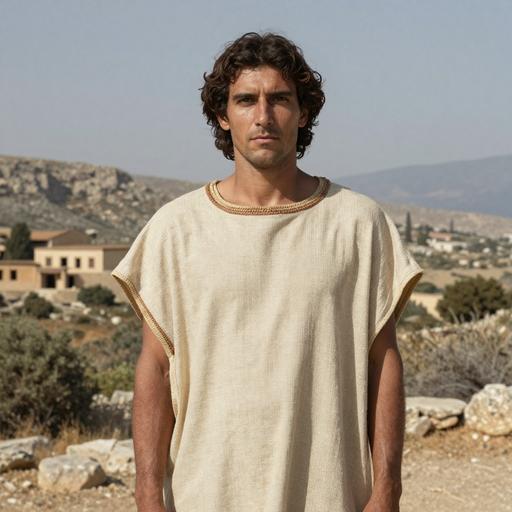
Portrait of ancient individual HGC002 from Greece, dated 2283 BCE
HGC002
Greece Greece_Crete_HgCharalambos_EMBA 2283 BCE Minoan M J-P58 T2+16189
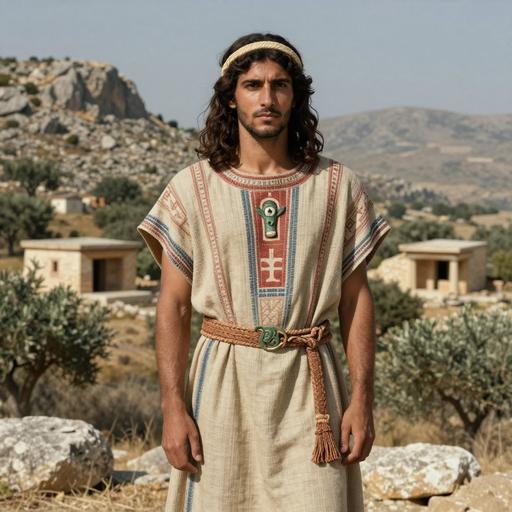
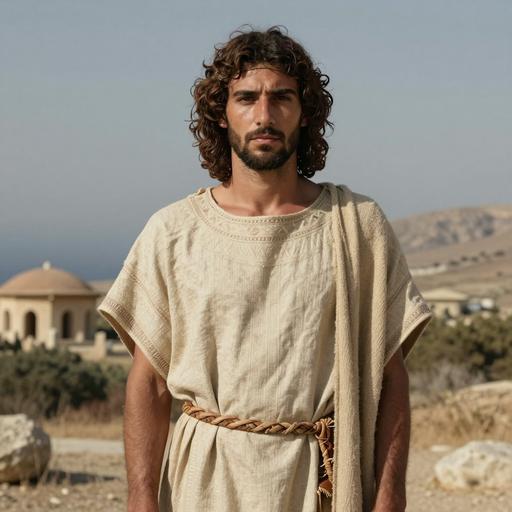
Portrait of ancient individual HGC003 from Greece, dated 2125 BCE
HGC003
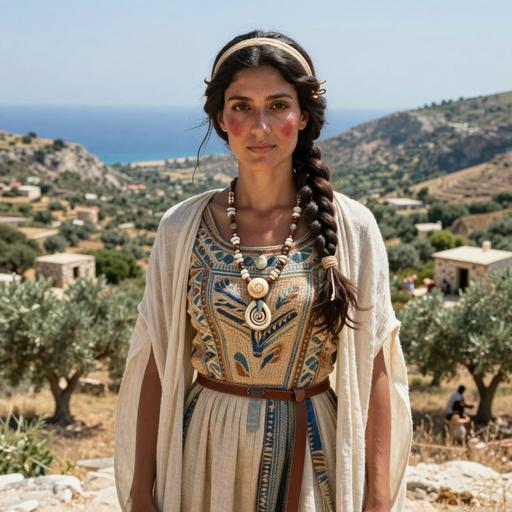
Greece Greece_Crete_HgCharalambos_EMBA 2125 BCE Minoan F - -
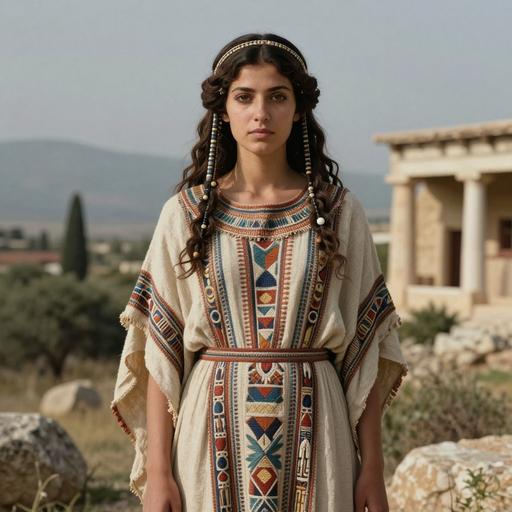
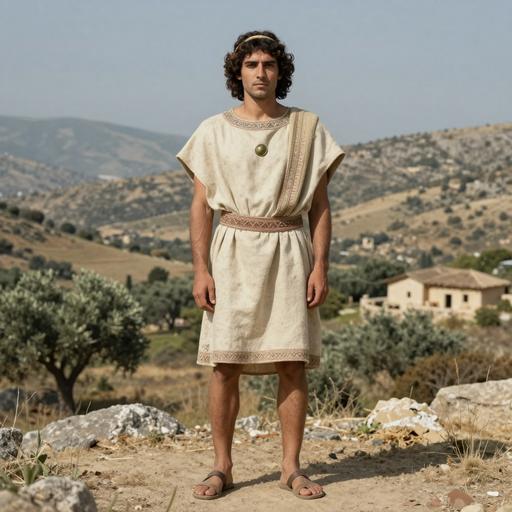
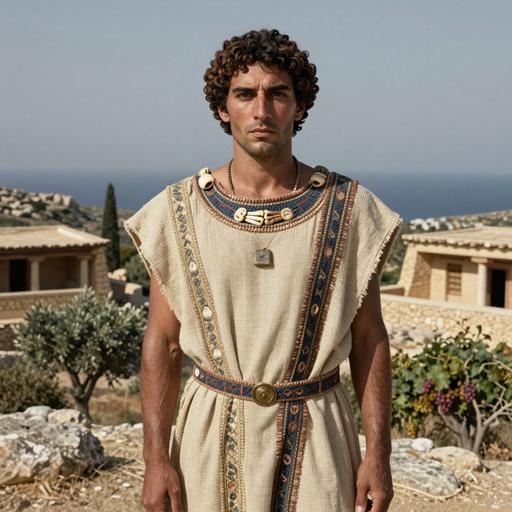
Portrait of ancient individual HGC005 from Greece, dated 2276 BCE
HGC005
Greece Greece_Crete_HgCharalambos_EMBA 2276 BCE Minoan M J-P58 H4a1
Portrait of ancient individual HGC006-035 from Greece, dated 2279 BCE
HGC006-035
Greece Greece_Crete_HgCharalambos_EMBA 2279 BCE Minoan M J-Y6240 H13a1a
Portrait of ancient individual HGC008 from Greece, dated 2290 BCE
HGC008
Greece Greece_Crete_HgCharalambos_EMBA 2290 BCE Minoan F - T2b25
Portrait of ancient individual HGC009 from Greece, dated 2035 BCE
HGC009
Greece Greece_Crete_HgCharalambos_EMBA 2035 BCE Minoan M J-PF7394 H
Portrait of ancient individual HGC010 from Greece, dated 2300 BCE
HGC010
Greece Greece_Crete_HgCharalambos_EMBA 2300 BCE Minoan M T-M70 U1a1a+16129
Portrait of ancient individual HGC011 from Greece, dated 2300 BCE
HGC011
Greece Greece_Crete_HgCharalambos_EMBA 2300 BCE Minoan F - HV+16311
Portrait of ancient individual HGC013 from Greece, dated 2300 BCE
HGC013
Greece Greece_Crete_HgCharalambos_EMBA 2300 BCE Minoan M J-P58 HV1a'b'c
AI Powered

AI Assistant

Ask questions about the Isles of Red Clay: The Minoans culture

AI Assistant by DNAGENICS

Unlock this feature
Ask questions about the Isles of Red Clay: The Minoans culture. Our AI assistant can explain genetic findings, historical context, archaeological evidence, and modern connections.

Sample AI Analysis

The Isles of Red Clay: The Minoans culture represents a fascinating chapter in human history...
Genetic analysis reveals connections to earlier populations while showing evidence of unique adaptations and cultural innovations. The ancient DNA samples provide insights into migration patterns, social structures, and the biological relationships between ancient populations.

This is a preview of the AI analysis. Unlock the full AI Assistant to explore detailed insights about:

  • Genetic composition and ancestry
  • Migration patterns and origins
  • Daily life and cultural practices
  • Modern genetic legacy
Use code for 35% off Expires May 20