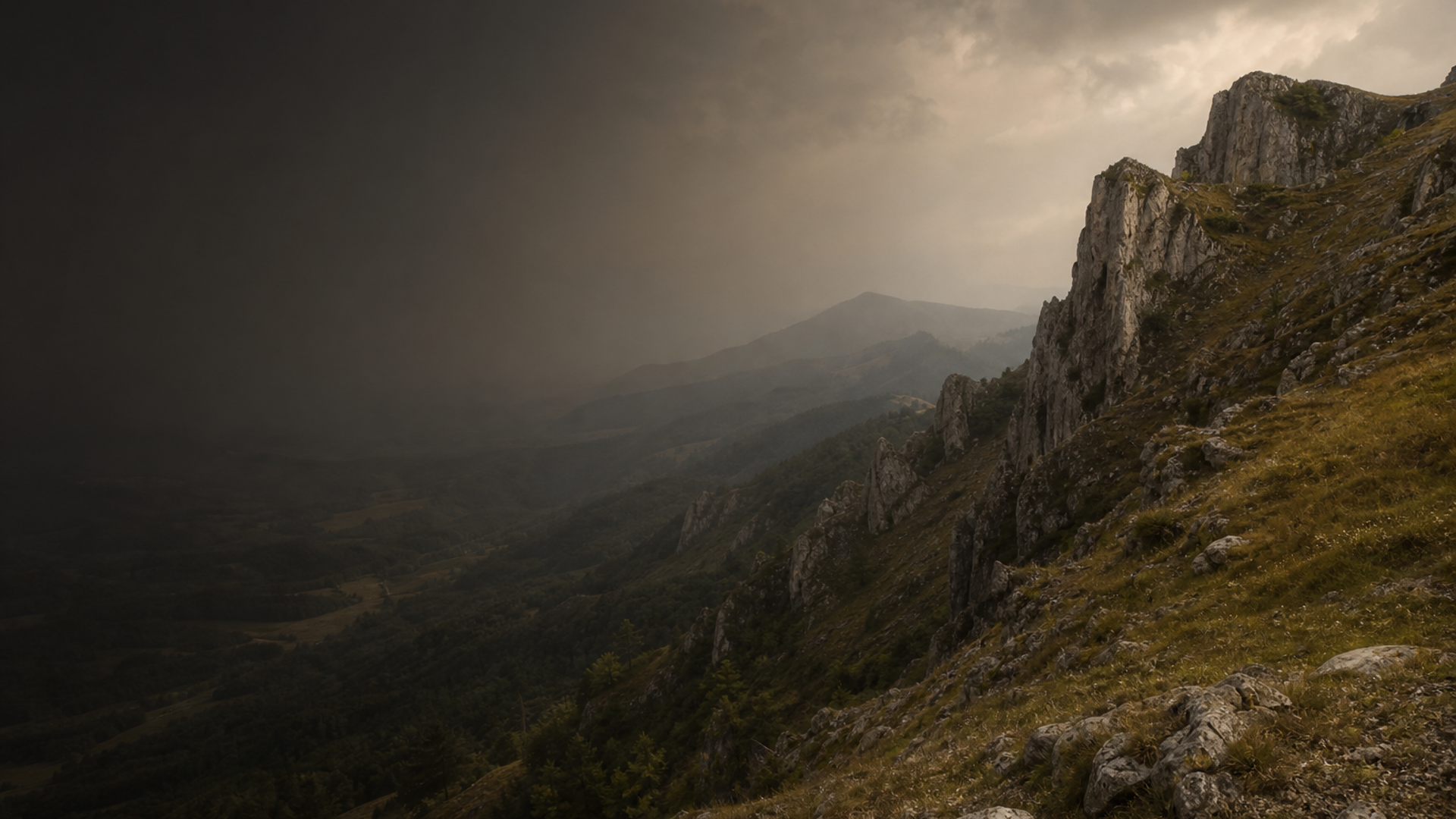
The 13th century in Bosnia was a tapestry of rural lifeways, seasonal rhythms, and patchwork loyalties. Archaeological surveys across the region reveal farming communities cultivating grains, raising livestock, and exploiting woodlands. Villages often clustered near water and fertile terraces; material culture emphasizes utilitarian pottery, iron tools, and occasional luxury imports traded along inland routes.
At the scale of Klakar, the silence of the archaeological record means we must read everyday life through regional analogies. Household economies were likely mixed — cereal agriculture augmented by herding and woodland foraging — with craft production oriented toward local needs. Religious practice in medieval Bosnia was complex: Latin Christianity, Eastern Orthodoxy, and the indigenous Bosnian Church activity created a distinctive spiritual landscape, with local rites and burial practices reflecting both Christian forms and regional variation.
Social structure could be flexible, shaped by kin networks, peasant obligations to local lords, and the influence of monasteries or market towns. The Klakar burial, when imagined against this backdrop, hints at an individual embedded in agrarian life, bound to seasonal cycles and regional exchange. Yet cinematic description must be tempered: with only one burial, specific household details remain speculative and reliant on broader medieval Bosnian archaeology.