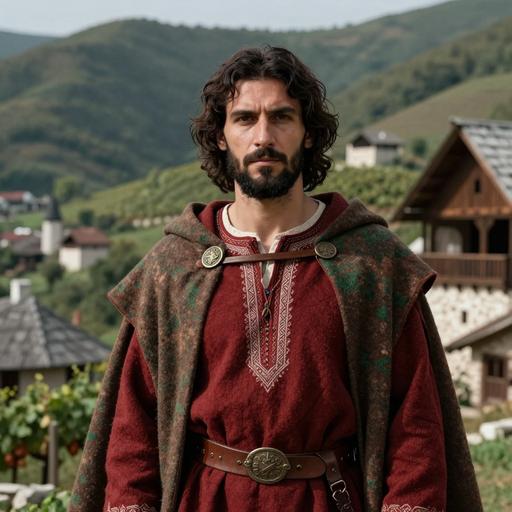
The thirteenth-century landscapes of Bosnia were composed of mixed agricultural plots, pastures, and nucleated settlements clustered around defensible terrain. Archaeological evidence across the region indicates households practiced mixed farming — cereal cultivation, animal husbandry, and woodland management — while artisans and small-scale trade connected villages to market towns. At Klakar, the recovered individual likely lived within this matrix of village life, where livelihoods were seasonal and kinship shaped access to land and resources.
Religious and social identity in medieval Bosnia was complex: Catholic, Orthodox, and locally organized Christian practices coexisted, and regional elites negotiated authority with neighboring powers. Everyday material culture — pottery, metalwork, tools — shows both local traditions and imported forms, reflecting trade along inland routes. Funerary behavior could be conservative yet varied; grave goods and burial positions, when preserved, provide signals of age, sex, and social role but are often fragmentary.
Archaeological data indicates that ordinary lives were embedded in long-term patterns of mobility: marriages and seasonal movement of herds spread genes and ideas across valleys and mountain passes. The Klakar individual therefore represents not only a single life but a node in wider social networks that archaeological and genetic evidence can begin to reveal together.