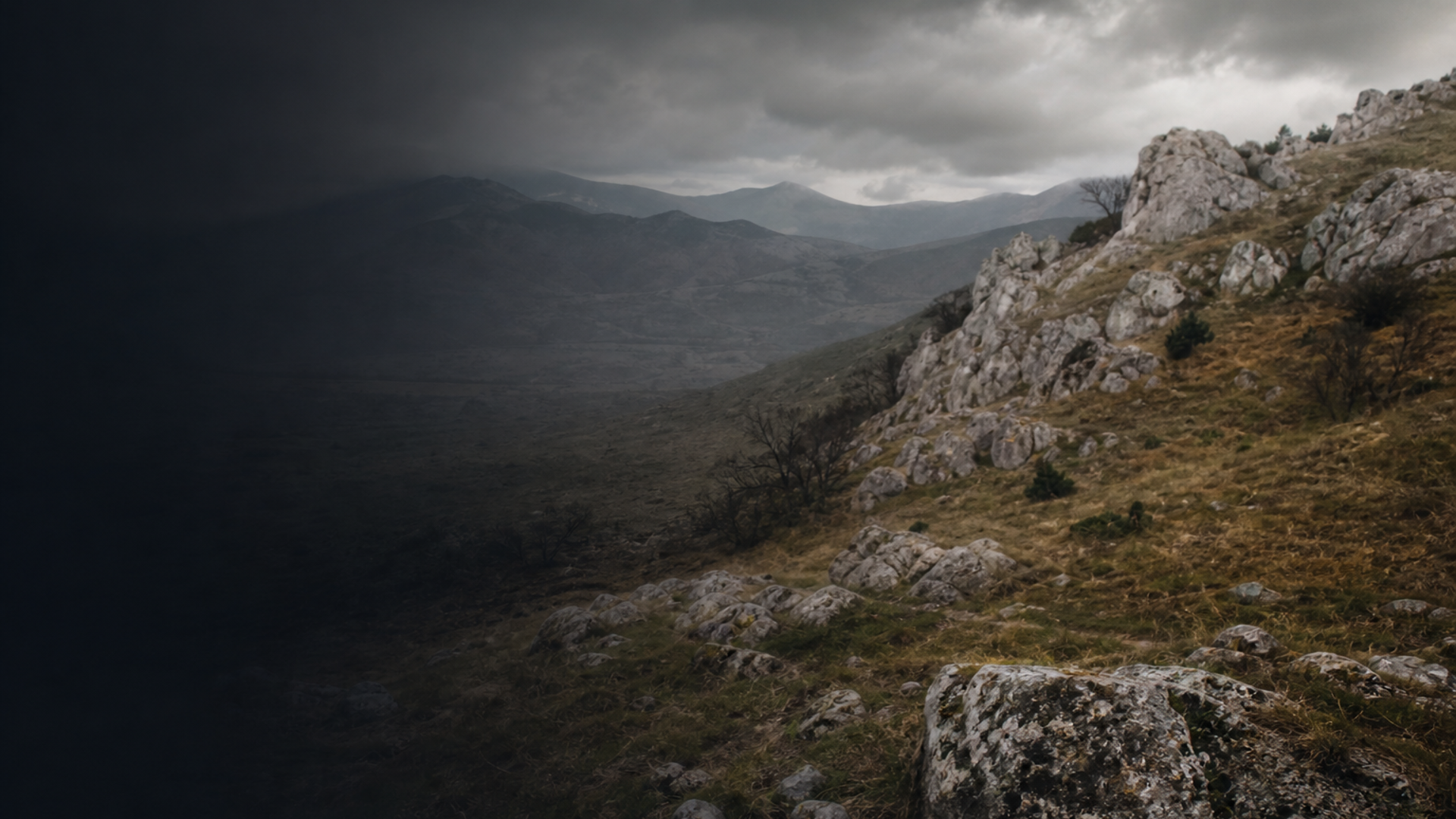
Archaeology paints a cinematic yet fragmentary picture of everyday life in 13th-century Bosnia. Villages clustered in fertile valleys, while fortified sites and hilltop strongholds mediated control of pasture, forests, and trade routes. Subsistence likely combined cereal agriculture, animal husbandry, and seasonal mobility; archaeological assemblages from comparable medieval Bosnian sites show household pottery, metalwork, and agricultural tools that speak to a mixed rural economy.
Social life was textured by kin networks, local lords, and ecclesiastical structures. Parish churches and monastic centers acted as spiritual and administrative hubs, while marketplaces connected inland communities to coastal and continental trade. Skeletal evidence from the wider region indicates a life of physical labor with markers of repetitive stress and healed injuries—an embodied record of work and travel. Cultural practice—burial position, grave orientation, and any associated offerings—can hint at identity, belief, and social status, but for Klakar the archaeological record remains sparse. Thus, while atmosphere and broad patterns are accessible, specific details about this individual’s role, profession, or social rank are largely indeterminate without a larger comparative dataset.