Menu
Store
Blog
Krems‑Wachtberg, Lower Austria (Central Europe)

Krems‑Wachtberg Gravettian Echo

A lone Upper Paleolithic voice from Lower Austria linking burial ritual and ancient DNA

29500 CE - 28500 BCE
Scroll to begin
Chapter I

The Story

Understanding the Krems‑Wachtberg Gravettian Echo culture

Single Upper Paleolithic individual (29,500–28,500 BCE) from Krems‑Wachtberg, Austria. Archaeological context suggests Gravettian funerary behavior; DNA shows Y‑haplogroup I and mtDNA U5*. Interpretations are preliminary (n=1) but align with deep European hunter‑gatherer lineages.

Time Period

29,500–28,500 BCE

Region

Krems‑Wachtberg, Lower Austria (Central Europe)

Common Y-DNA

I

Common mtDNA

U5*

Chapter II

Timeline

Key moments in the history of this culture

29500 BCE

Occupation & burial at Krems‑Wachtberg

Archaeological contexts and radiocarbon dates place human activity and at least one deliberate burial at Krems‑Wachtberg around 29,500 BCE.

Chapter III

Origins & Emergence

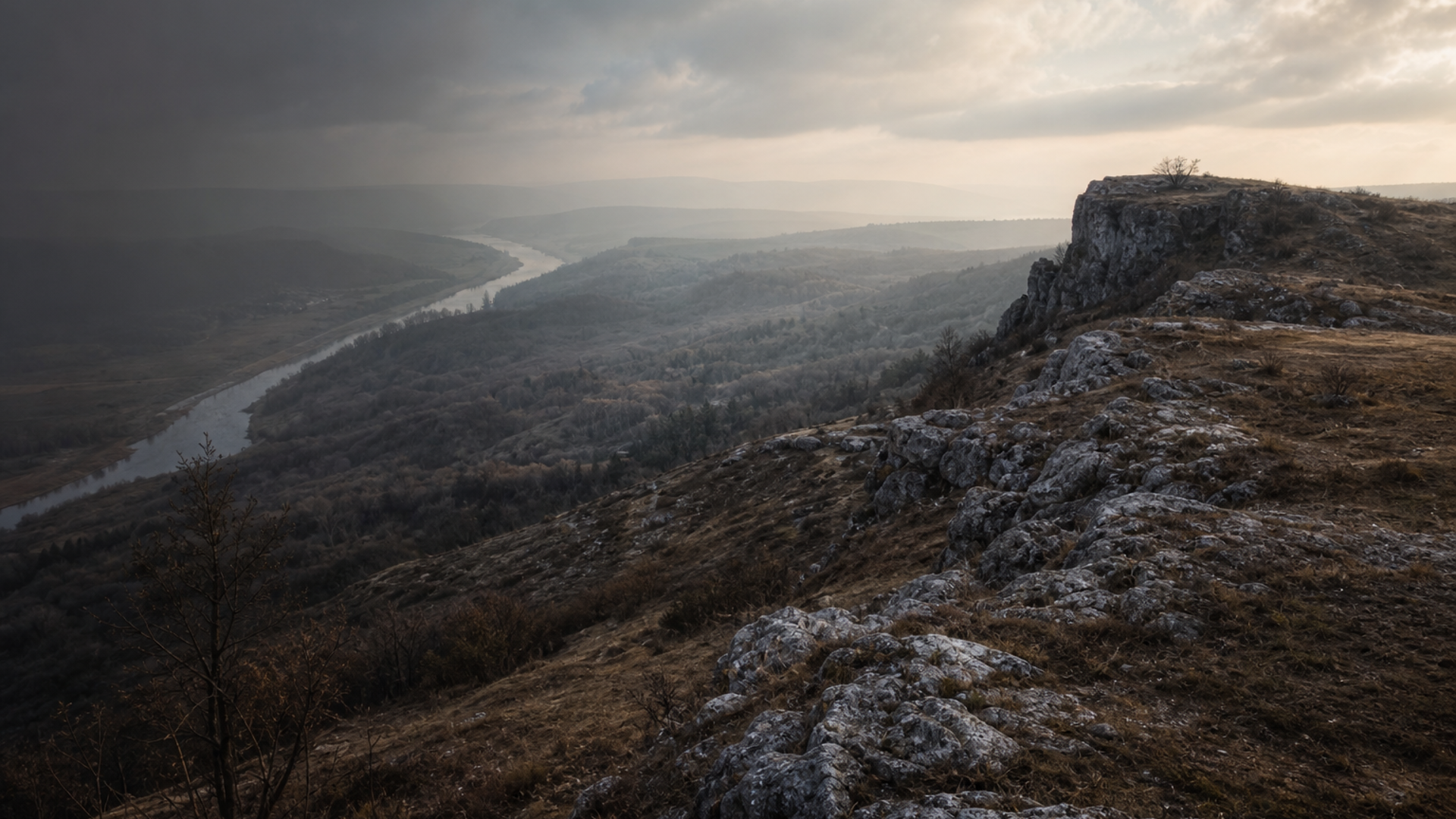
Krems‑Wachtberg sits on the loess terraces of the Danube in Lower Austria. Radiocarbon-calibrated contexts place the occupation and burial activity represented by the single analyzed individual to between 29,500 and 28,500 BCE, a span within the Upper Paleolithic often attributed to Gravettian cultural horizons in Central Europe.

Archaeological data indicates episodic seasonal use of the landscape by mobile hunter‑gatherer groups. Limited evidence from nearby Gravettian sites across Austria and neighbouring regions shows a pattern of deliberate interment and rich personal ornamentation; at Krems‑Wachtberg itself, stratigraphy and associated finds suggest funerary practice but remain sparsely documented in the published record. The name KremsWA3 (Krems‑Wachtberg 3 Site) denotes this specific stratigraphic context used in genomic sampling.

Geologically, the period predates the Last Glacial Maximum, yet climates were cold and variable, shaping human mobility, resource choice, and social networks. Archaeologically, the emergence of distinct Gravettian lifeways—broadly defined by particular stone tool types, hunting strategies, and symbolic behaviors—provides the cultural backdrop for the individual sampled here. Any narrative of origin must therefore be cautious: with a single genetic sample and limited archaeological exposure, conclusions about population dynamics are provisional and framed by broader Upper Paleolithic patterns in Central Europe.

  • Located on Danube loess terraces in Lower Austria
  • Dates to 29,500–28,500 BCE within the Upper Paleolithic (Gravettian context)
  • Evidence for seasonal hunter‑gatherer occupation and funerary behavior
Chapter IV

Daily Life & Society

Reconstructing daily life for the Krems‑Wachtberg individual requires reading material traces and environmental proxies together. During 29,500–28,500 BCE Central Europe was a mosaic of steppe and parkland pockets punctuated by colder phases; human groups followed herds and seasonal plant resources, living in small, mobile bands. Flint toolkits, bone implements, and portable ornaments—typical of Gravettian assemblages regionally—supported hunting of large mammals, hide working, and long‑distance social exchange.

Social life likely centered on multi‑stage task organization: hunting and butchery at kill sites, tool maintenance at base camps, and seasonal aggregation for sharing food, mates, and symbolic goods. Funerary behavior, attested at several contemporaneous Gravettian cemeteries, hints at social memory and identity: intentional burials can reflect kinship, social status, or group cosmology. At Krems‑Wachtberg, archaeological indicators suggest a deliberate interment practice consistent with this broader cultural repertoire, though the dataset is limited.

Material culture served as a language—personal ornaments and decorated tools signaled social ties across landscapes. Mobility, resilient subsistence strategies, and symbolic life combined to sustain small populations across the cold European plains.

  • Mobile hunter‑gatherer bands exploiting steppe‑parkland resources
  • Material culture (tools, ornaments) indicates social networks and seasonal aggregation
Chapter V

Genetic Profile

The genetic data from KremsWA3 derives from a single individual; as such, conclusions are preliminary. The recovered uniparental markers are Y‑chromosome haplogroup I (male lineage) and mitochondrial haplogroup U5* (maternal lineage). Both markers are emblematic of deep Upper Paleolithic and Mesolithic European hunter‑gatherer ancestry.

Haplogroup I is commonly observed among Late Pleistocene and early Holocene males in Europe, suggesting continuity of some paternal lineages in the region. Mitochondrial U5 is one of the earliest maternal lineages widely associated with European hunter‑gatherers and often appears in ancient DNA datasets from the Upper Paleolithic onward. Together they place the Krems‑Wachtberg individual within the broad genetic tapestry of Paleolithic Europe.

However, with an n=1 sample count, population-level inferences (such as proportions of ancestry, migration events, or kinship structures) remain speculative. Limited evidence suggests affinity to other European hunter‑gatherer genomes, but fuller interpretation requires additional samples from Krems‑Wachtberg and nearby Gravettian sites. Integrating archaeology with expanding aDNA datasets will sharpen understanding of how these lineages moved, persisted, or mixed across glacial landscapes.

  • Y‑DNA I and mtDNA U5* indicate ties to European Upper Paleolithic hunter‑gatherers
  • Single sample (n=1) — population inferences are preliminary and require more data
Chapter VI

Legacy & Modern Connections

The genetic echoes from Krems‑Wachtberg resonate into Europe’s deep past. Lineages such as haplogroup I and mitochondrial U5 persist, in diluted form, within the mosaic of modern European ancestry. Archaeology and aDNA together reveal how small hunter‑gatherer groups established genetic and cultural traditions that were later reshaped by migrations and climatic shifts.

Yet direct genealogical links from one individual to specific modern populations cannot be asserted. The value of the KremsWA3 data lies in calibrating models of population continuity and turnover, and in anchoring cultural inferences—funerary practices, mobility, and social networks—to biological evidence. Future sampling at Krems‑Wachtberg and comparative analyses across Central Europe will clarify how this Gravettian voice contributed to Europe’s long human story.

  • Haplogroups reflect deep European hunter‑gatherer ancestry still detectable today
  • Single sample informs models but cannot prove direct continuity to modern groups
AI Powered

AI Assistant

Ask questions about the Krems‑Wachtberg Gravettian Echo culture

AI Assistant by DNAGENICS

Unlock this feature
Ask questions about the Krems‑Wachtberg Gravettian Echo culture. Our AI assistant can explain genetic findings, historical context, archaeological evidence, and modern connections.
Sample AI Analysis

The Krems‑Wachtberg Gravettian Echo culture represents a fascinating chapter in human history...

Genetic analysis reveals connections to earlier populations while showing evidence of unique adaptations and cultural innovations. The ancient DNA samples provide insights into migration patterns, social structures, and the biological relationships between ancient populations.


This is a preview of the AI analysis. Unlock the full AI Assistant to explore detailed insights about:

  • Genetic composition and ancestry
  • Migration patterns and origins
  • Daily life and cultural practices
  • Modern genetic legacy
Use code for 35% off Expires May 20



