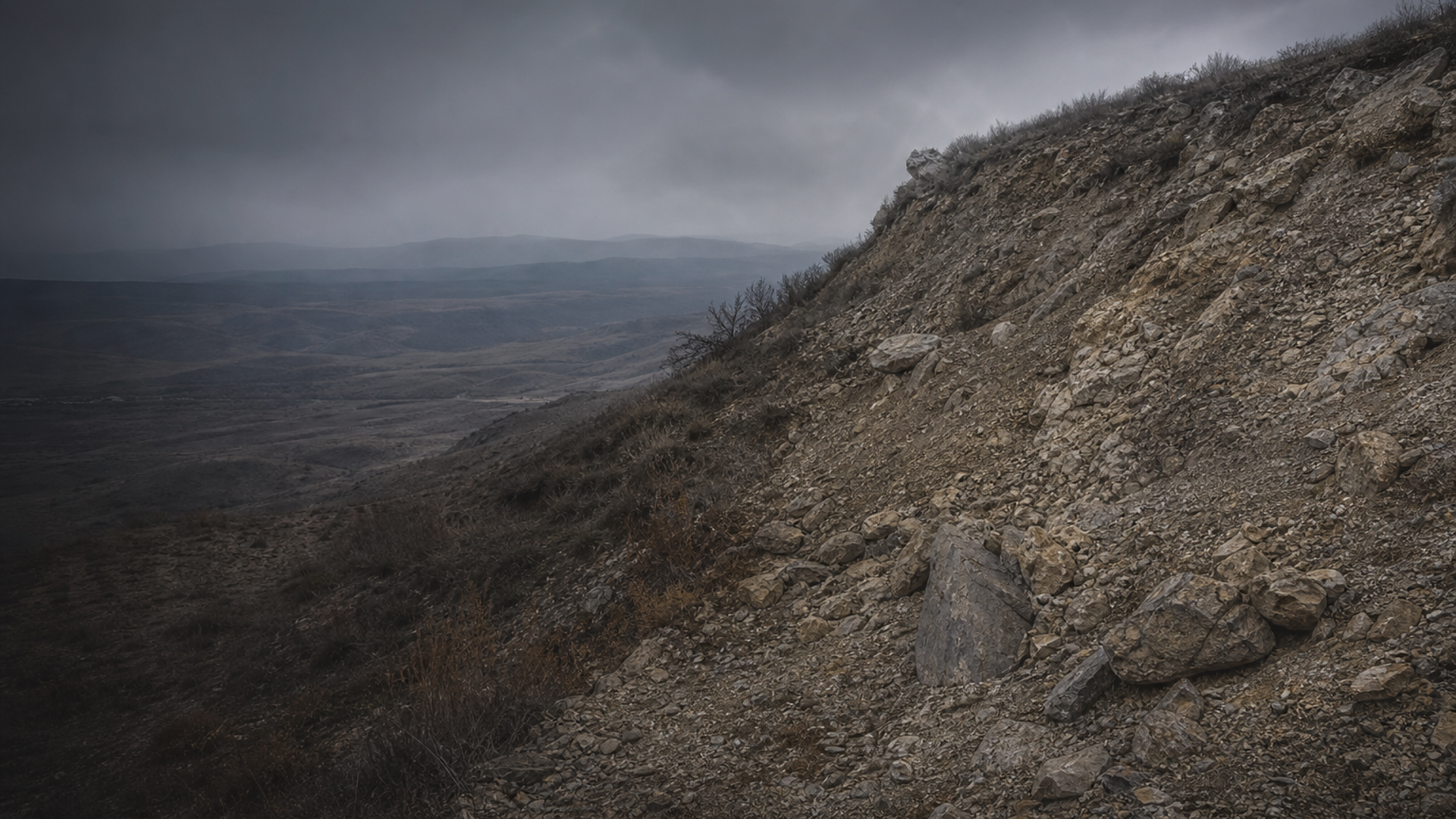
A landscape carved by ice and fire
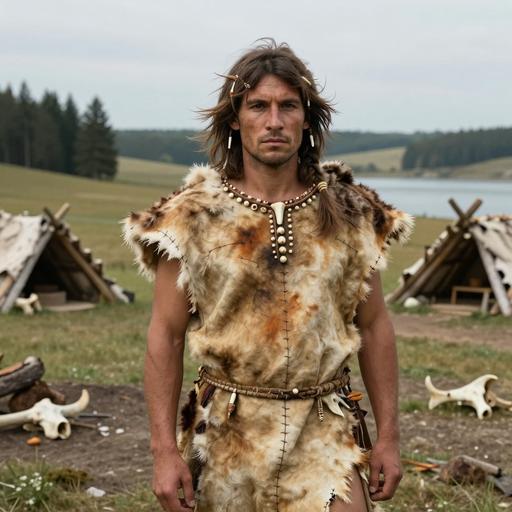
Around 29,500–28,500 BCE, the loess terraces above the Danube at Krems-Wachtberg bore witness to seasonal camps and lifeways shaped by a cold, open landscape. Archaeological data indicates human presence in Upper Paleolithic horizons: fireplaces, flintknapping debris, and faunal remains suggest repeated occupation by mobile hunter-gatherer groups. Stratigraphy at Krems-Wachtberg ties these horizons to broader Gravettian and Upper Paleolithic cultural traditions across central Europe, though precise cultural labeling can be cautious given regional variation.
How this population may have arisen
- Climate-driven mobility: groups tracked large herbivores and exploited riverine corridors at the edges of glacial environments.
- Cultural networks: lithic technologies and portable art forms likely circulated across long distances, knitting together disparate campsites into shared traditions.
- Demographic patchiness: small, dispersed bands with periodic aggregation at rich hunting locales.
Limited evidence suggests that the individual represented by the genetic sample lived within such a mobile hunter-gatherer system. With only one genome available, models of population origin and continuity remain provisional, but the archaeological context places this person firmly in the tapestry of Upper Paleolithic Europe.