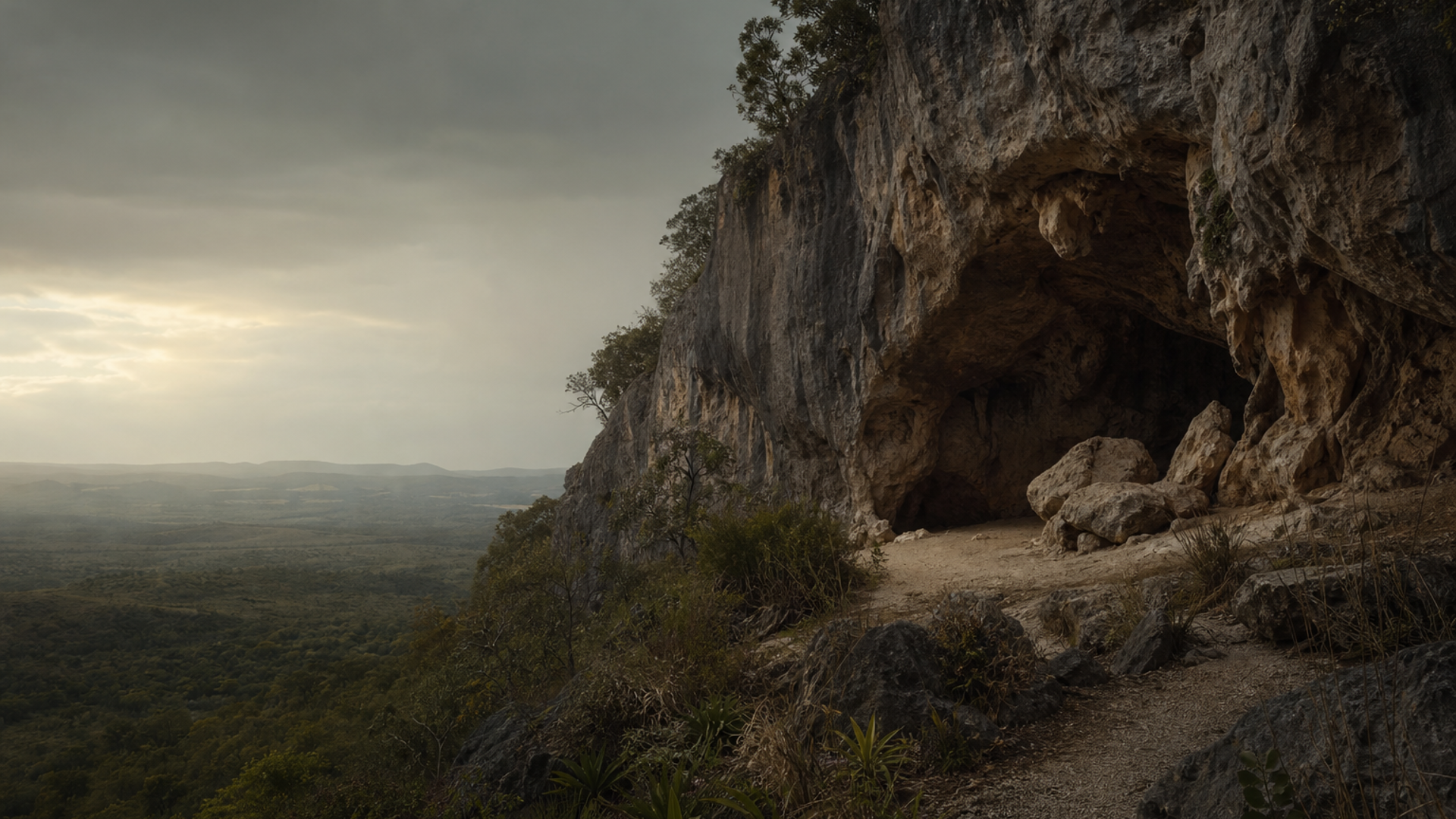
Ancient DNA from seven individuals at Lapa do Santo provides a valuable, but preliminary, window into Early Holocene ancestry in eastern central Brazil. On the paternal side, three individuals carry Y-DNA haplogroup Q and one carries C. Haplogroup Q is widespread among Native American male lineages and is often interpreted as part of the founding paternal diversity of the Americas; haplogroup C also appears in some early American contexts and can reflect early dispersal branches. These signals align Lapa do Santo men with pan-American paternal lineages, though the small count warrants caution.
Mitochondrial DNA is represented by A2 (3 individuals), B2 (2), C (1), and D (1) — four haplogroups that are recognized among founding Native American maternal lineages. The diversity of mtDNA types within seven people suggests that multiple maternal lineages were present in this local population. Archaeogenetic patterns here are consistent with broader models in which early South American groups derive from the same deep ancestral source populations that peopled the continent, followed by regional diversification.
Because the dataset comprises only seven genomes, any population-level inference is tentative. Additional sampling from Lagoa Santa and neighboring regions is necessary to test hypotheses about migration routes, population structure, and kinship practices at burial events.