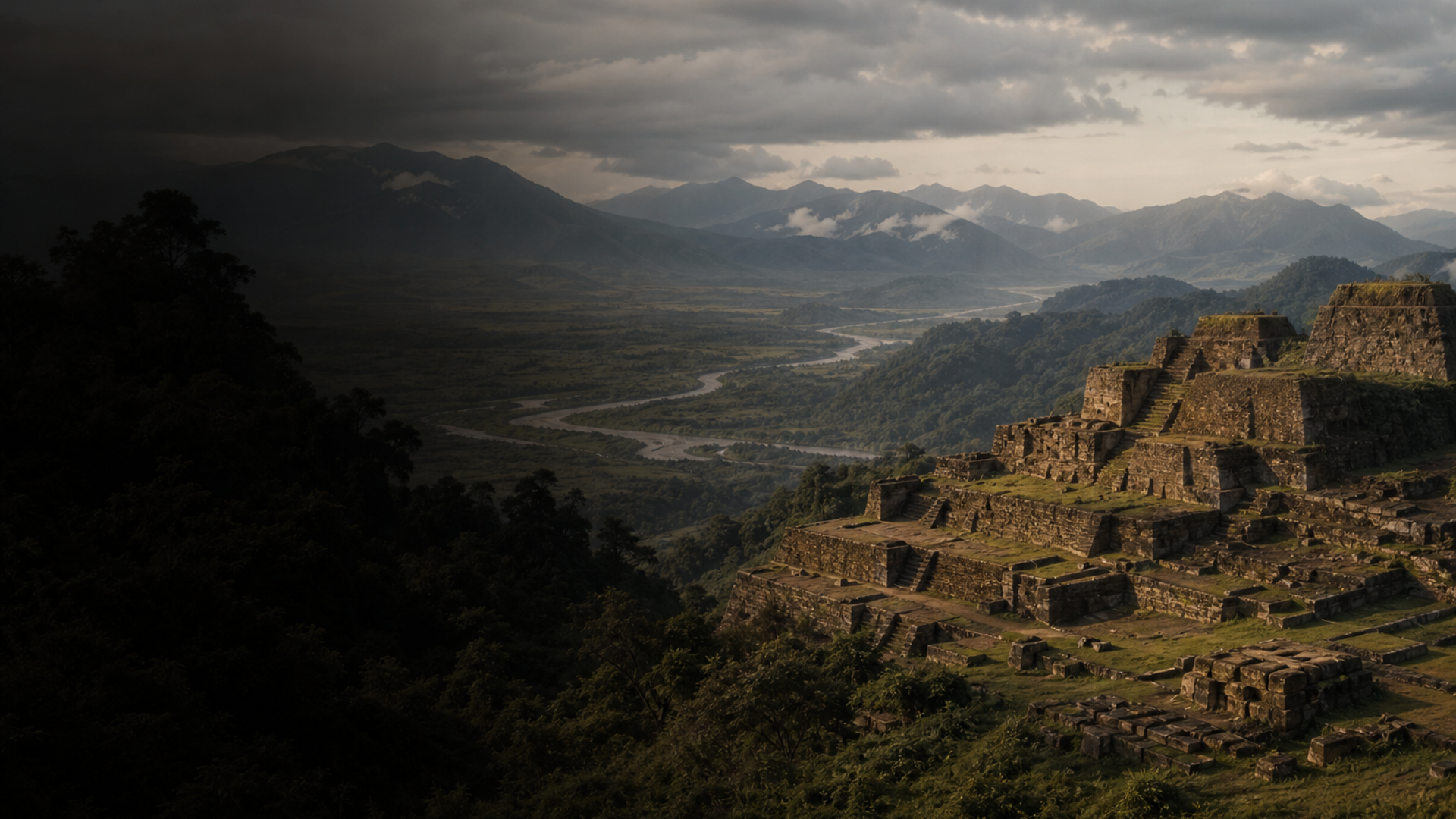
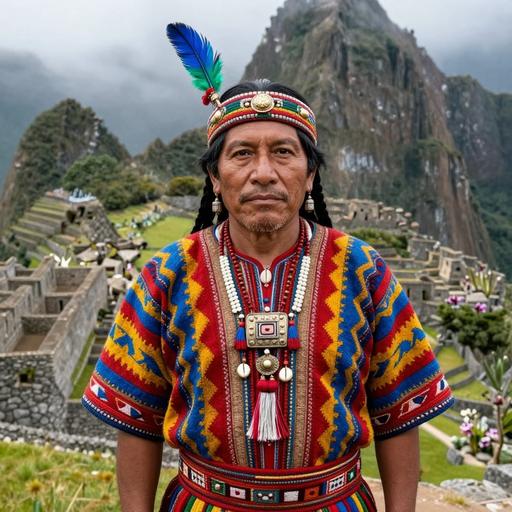
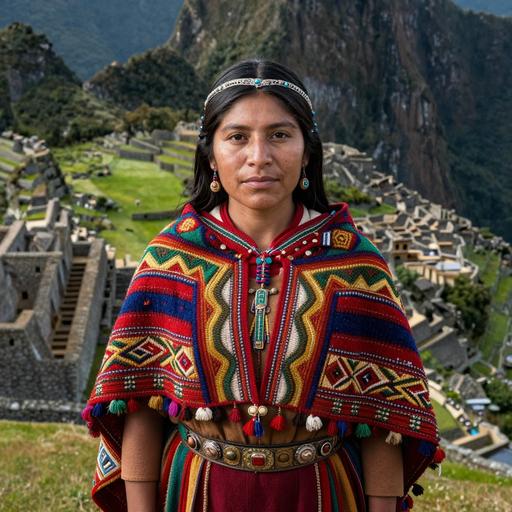
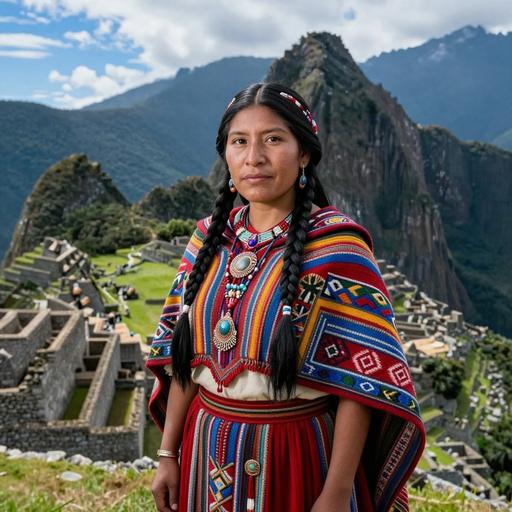
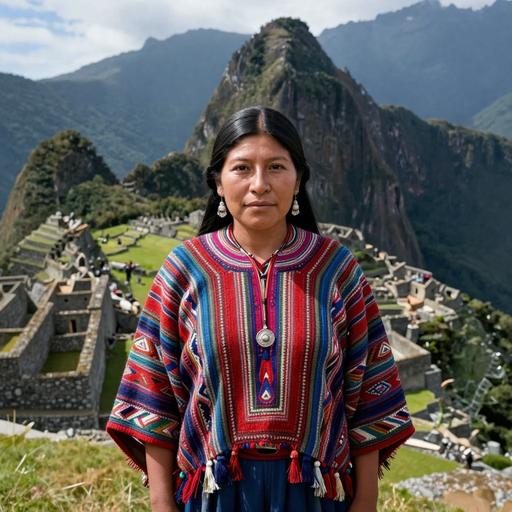
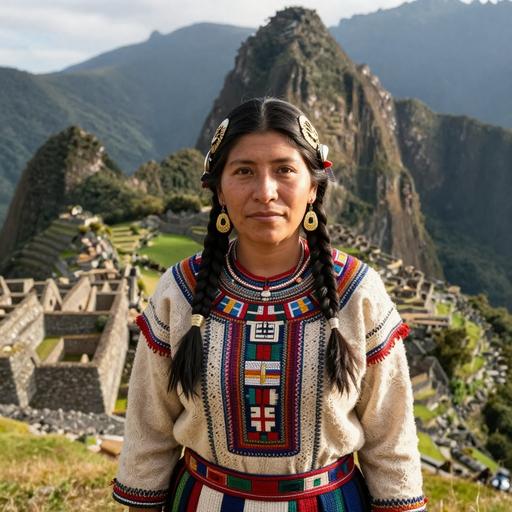
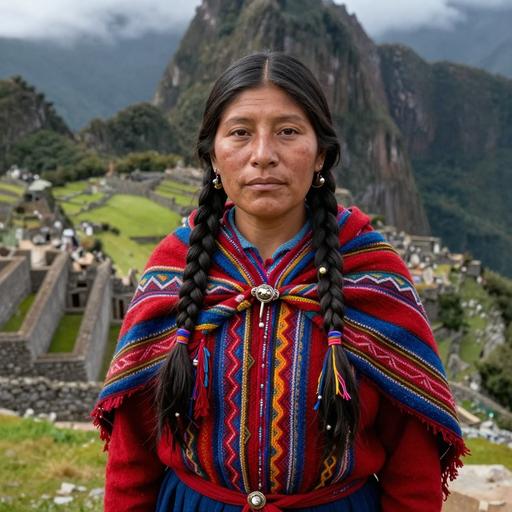
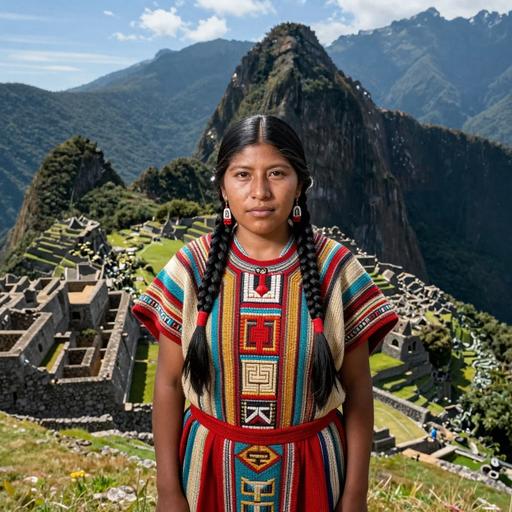
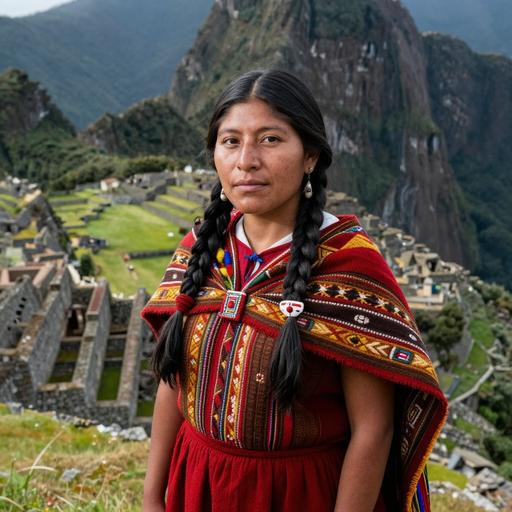
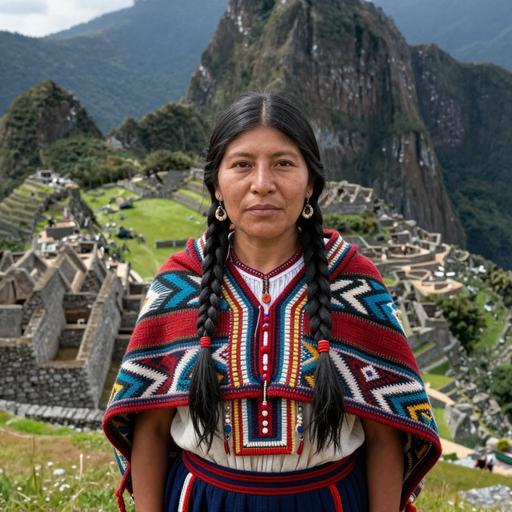
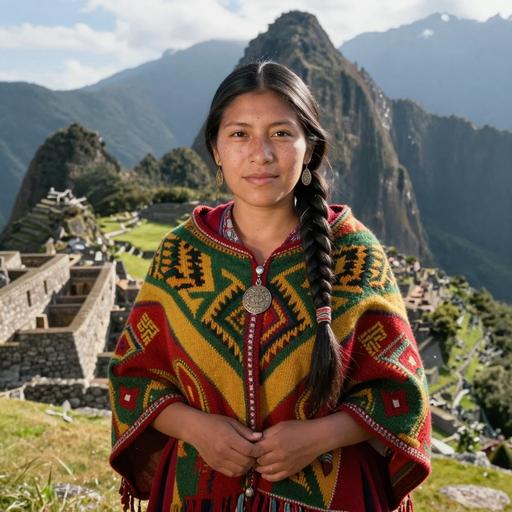
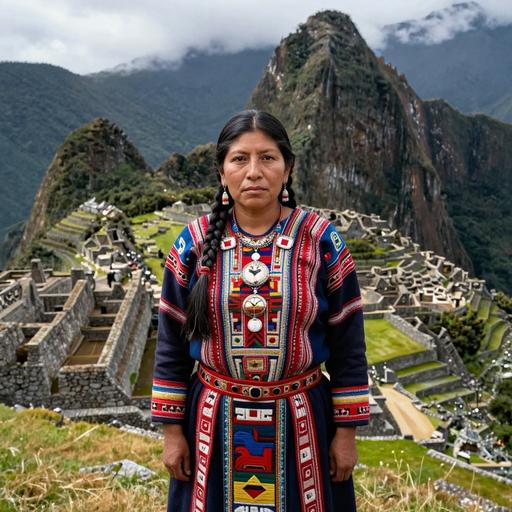
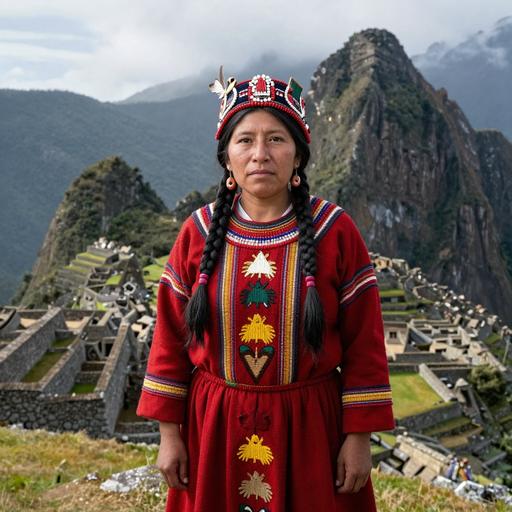
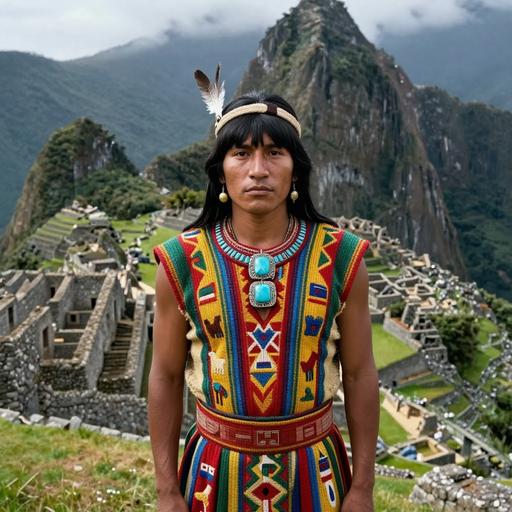
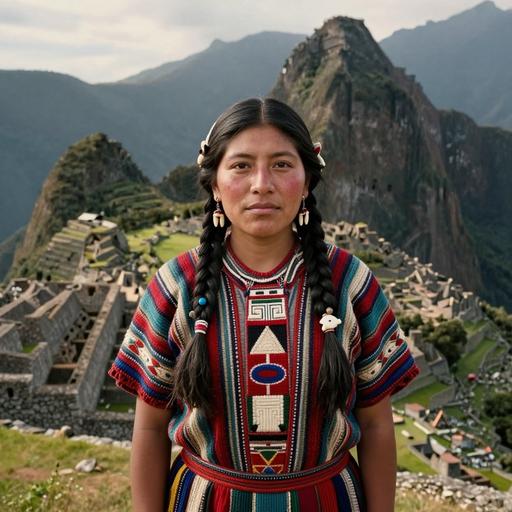
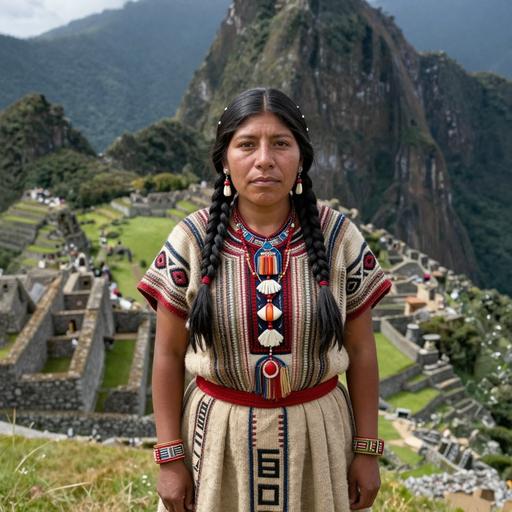
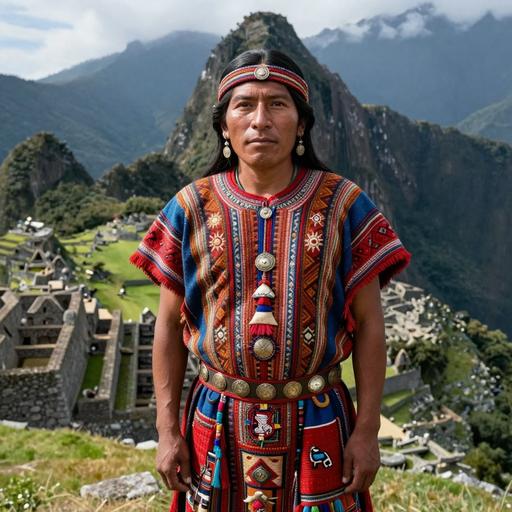
Machu Picchu sits on a spine of granite above the Urubamba Valley. Archaeological data indicates large-scale construction in the mid-15th century—commonly dated around 1450–1460 CE—under the expansion of the Inca state centered at Cusco. The site’s terraces, finely cut ashlar masonry, and planned plazas read like a stone script of imperial ideology: administration, ritual, and elite residence arranged to control water, produce, and movement.
Material culture from excavations—ceramics, metallurgical debris, and agricultural installations—links the site to broader Andean exchange networks. Radiocarbon and stratigraphic evidence suggest an intense period of occupation lasting until the early 16th century, overlapping with the initial years of Spanish intrusion across the Andes. Limited osteological assemblages and mausoleum features imply selective interment practices for some residents, perhaps reflecting social differentiation.
Cinematic in its silhouette, Machu Picchu is both a lived landscape and a stage of imperial power. Archaeological evidence indicates it was not an isolated village but part of a constellation of state-managed sites. However, many questions remain open: the precise founding agents, the balance between local and relocated populations (mitmaqkuna), and the daily rhythms of those who worked the terraces. Genetic data can illuminate these threads, but must be read alongside material culture and caution; preservation and sampling biases shape what ancient DNA can—and cannot—reveal.