Menu
Store
Blog
Hungary_Conqueror_Elite Carpathian Basin (modern Hungary)

Magyar Conquerors: Carpathian Dawn

Elite newcomers in the 9th–11th centuries who fused steppe mobility with Central European roots

706 CE - 1100 CE
48 Ancient Samples
Scroll to begin
Chapter I

The Story

Understanding the Magyar Conquerors: Carpathian Dawn culture

Archaeological and genetic evidence from 94 individuals (706–1100 CE) across Hungary reveals a cosmopolitan conqueror elite: steppe-associated mobility, European farmer ancestry, and East Eurasian maternal lineages merge in the early medieval Carpathian Basin.

Time Period

706–1100 CE

Region

Carpathian Basin (modern Hungary)

Common Y-DNA

Mixed East Eurasian & European lineages (varied)

Common mtDNA

U (16), H (10), J (9), T (9), C (6)

Chapter II

Timeline

Key moments in the history of this culture

706 CE

Earliest samples in collection

Earliest dated human remains in this dataset (706 CE) originate from multiple Hungarian sites, marking pre-conquest and early-conquest horizons.

895 CE

Magyar arrival in the Carpathian Basin

Historical and archaeological evidence places the major Magyar settlement and shifts in political control around the late 9th century CE.

907 CE

Consolidation after conflicts

Battles and political realignments in the early 10th century helped consolidate control of key territories in the Carpathian Basin.

1000 CE

State formation under Stephen I

Coronation of Stephen I marks a turning point toward Christian monarchy and integration into European polities.

1900 CE

Modern archaeological investigations begin

Systematic excavations of Conqueror-era cemeteries begin in the 20th century, revealing rich burial assemblages.

Chapter III

Origins & Emergence

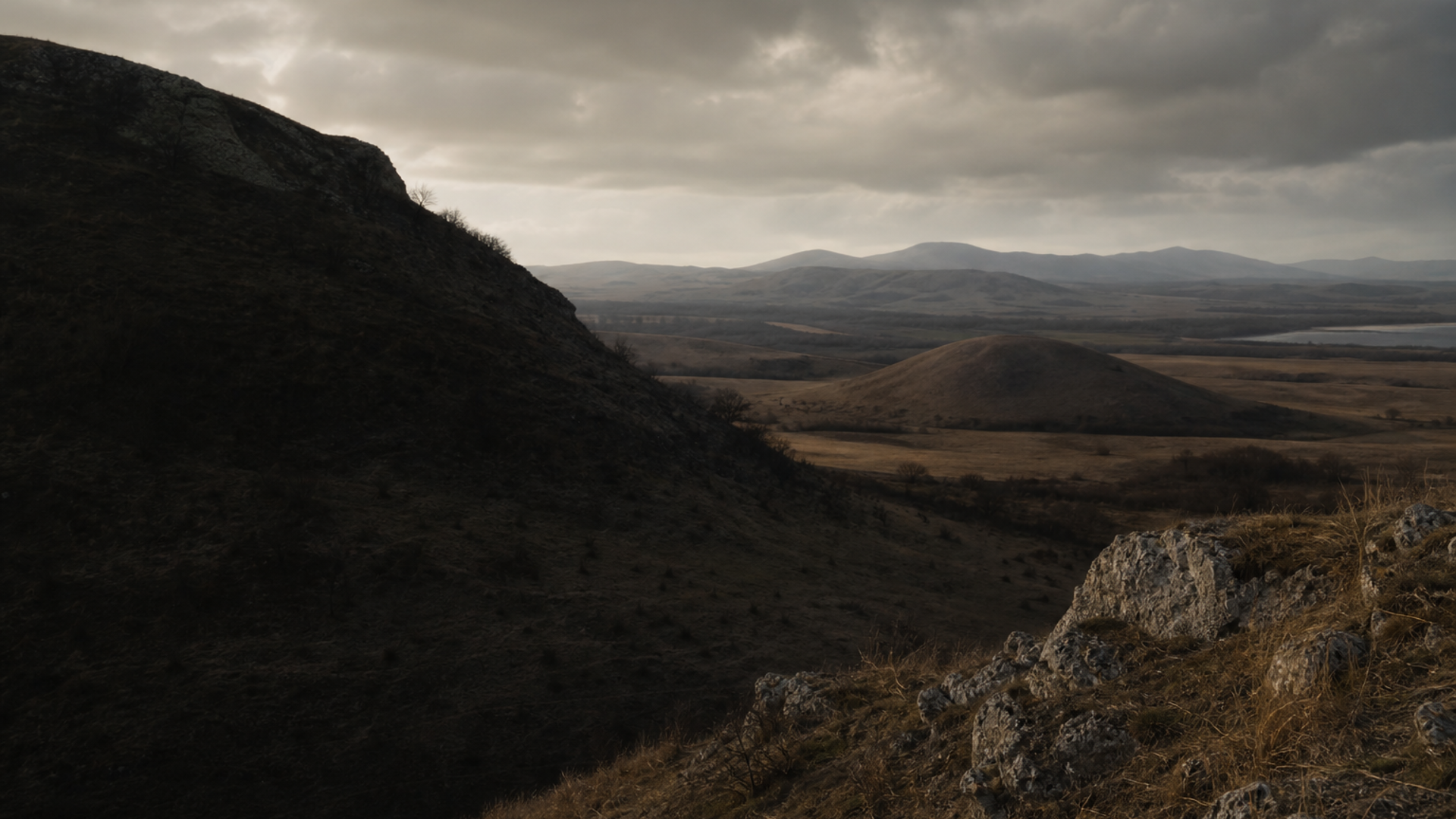
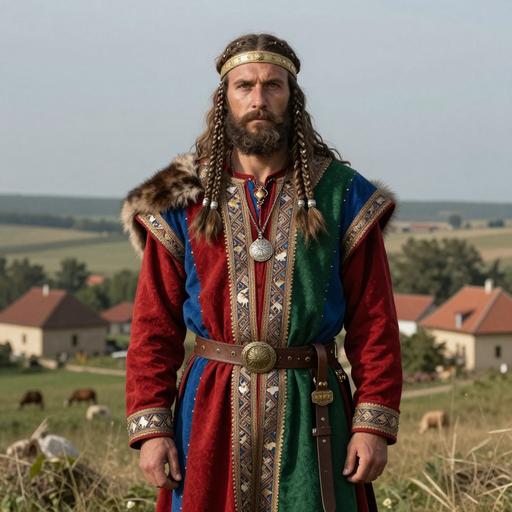
On the edge of forest and steppe, the Magyar elite emerged into the historical record as a migratory force reshaping the Carpathian Basin. Archaeological cemeteries such as Karos‑1/2/3 and Kenézlő‑Fazekaszug (Borsod‑Abaúj‑Zemplén County) display burial customs—mounted warrior interments, horse equipment, and distinct grave goods—that archaeologists interpret as recently arrived steppe-influenced elites who began to dominate the region in the late 9th century. The 94 samples dated between 706 and 1100 CE in this collection (sites across Bács‑Kiskun, Csongrád‑Csongrád, Pest, Szabolcs‑Szatmár‑Bereg, and Borsod‑Abaúj‑Zemplén counties) bracket both the prelude to and consolidation of conquest-era society.

Archaeological data indicates a layered emergence: material culture preserves steppe nomadic traits alongside adoption of local Central European practices. Limited evidence suggests some elite lineages maintained mobility and connections far to the east even after settling. Linguistic and historical models place the Magyar language within the Uralic family, but genetic and material records show that migration was not a single homogeneous movement; instead, multiple waves and alliances likely produced the conqueror elite visible in the cemeteries. The result is a composite origin story — cinematic in movement, complex in composition—and one that genetic data helps to clarify while also reminding us of remaining uncertainties.

  • Sample set: 94 individuals from 706–1100 CE across ten Hungarian sites
  • Key sites: Karos‑1/2/3, Kenézlő‑Fazekaszug, Ibrány‑Esbóhalom, Homokmégy‑Székes
  • Archaeology indicates steppe-origin cultural markers blended with local traditions
Chapter IV

Daily Life & Society

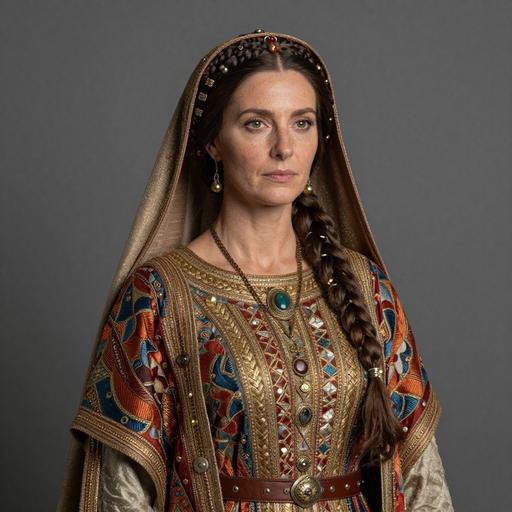
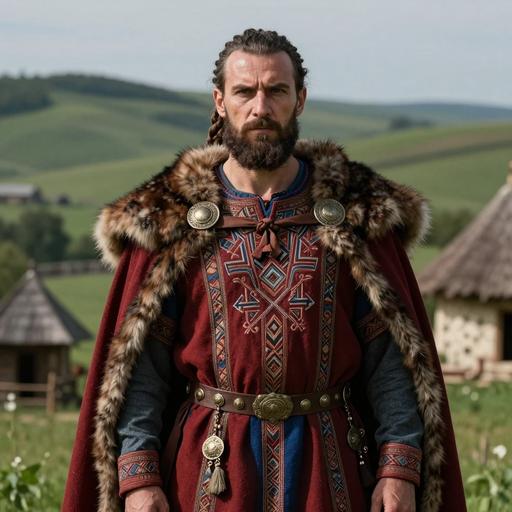
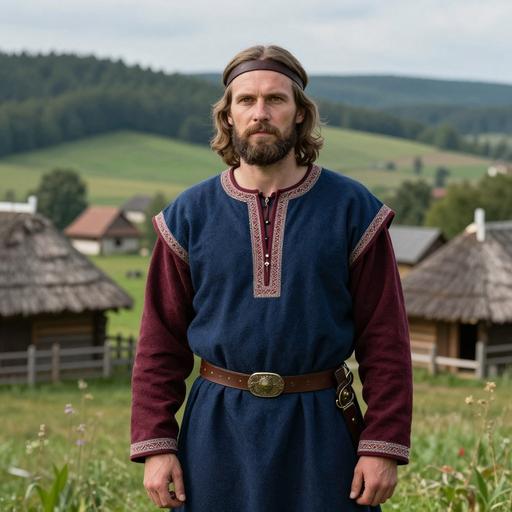
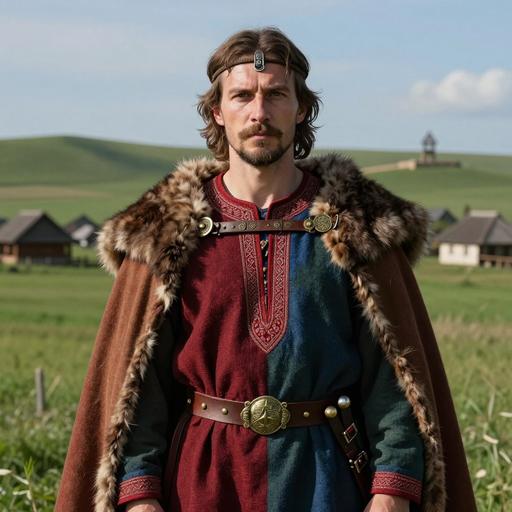
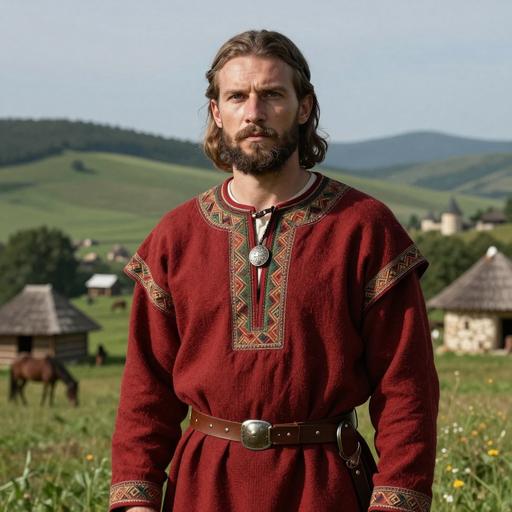
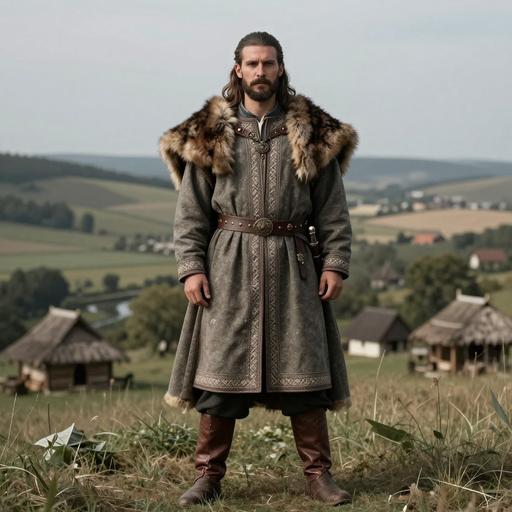
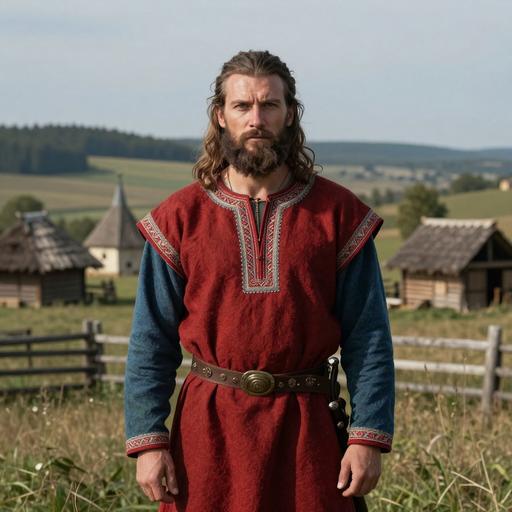
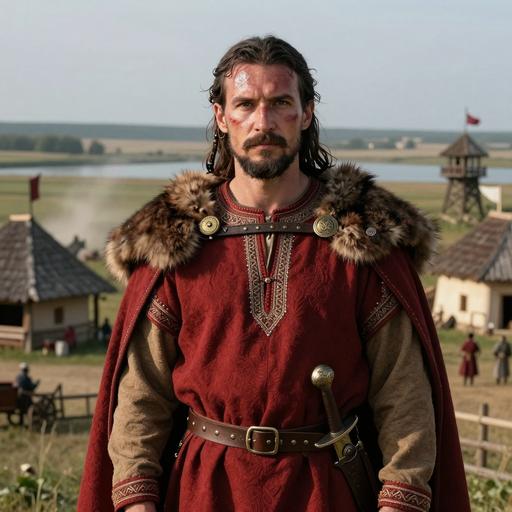
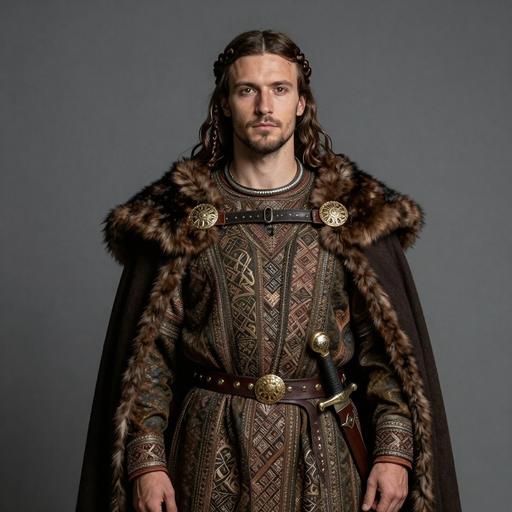
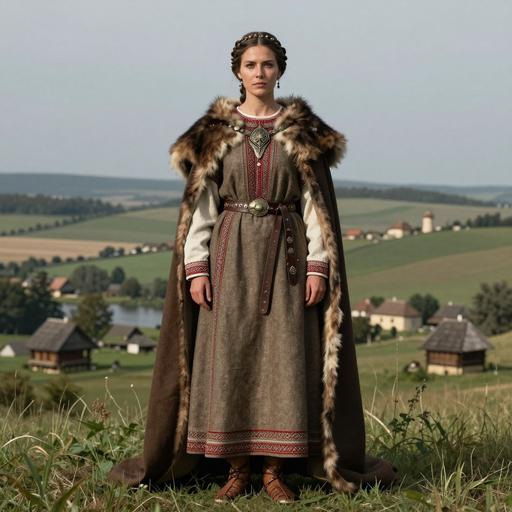
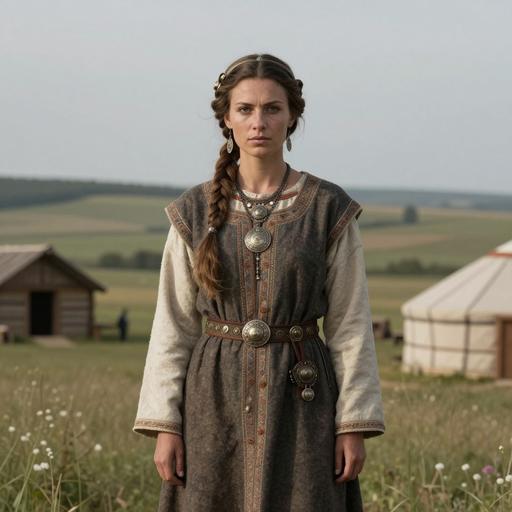
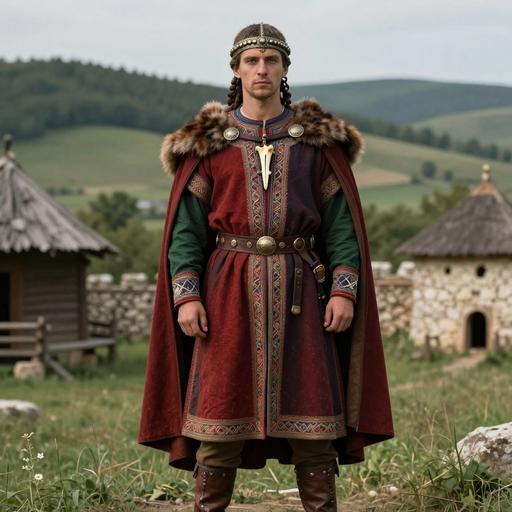
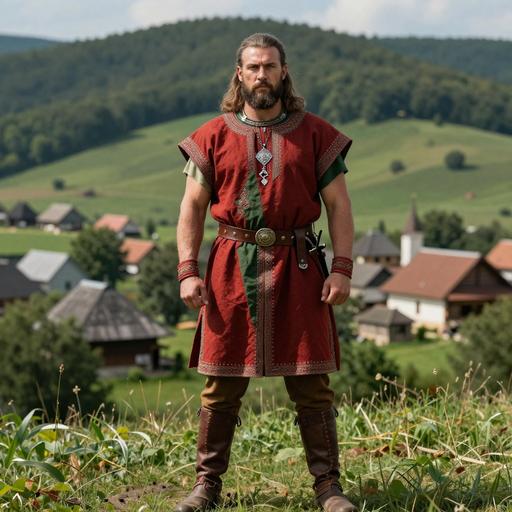
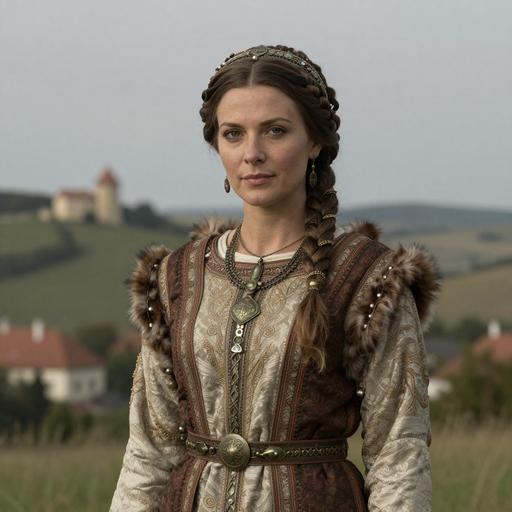
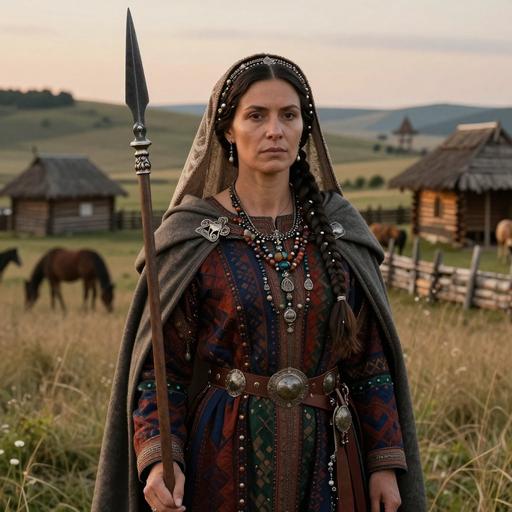
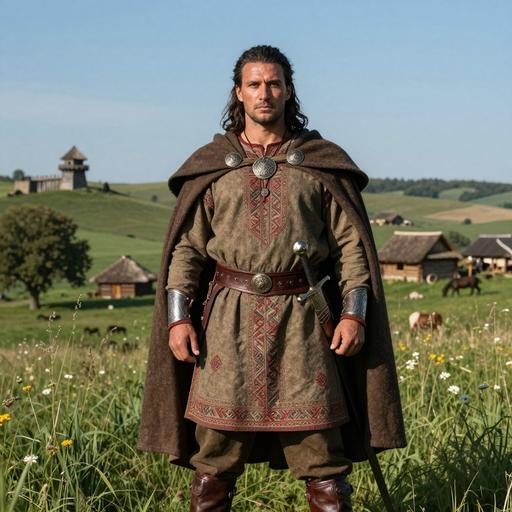
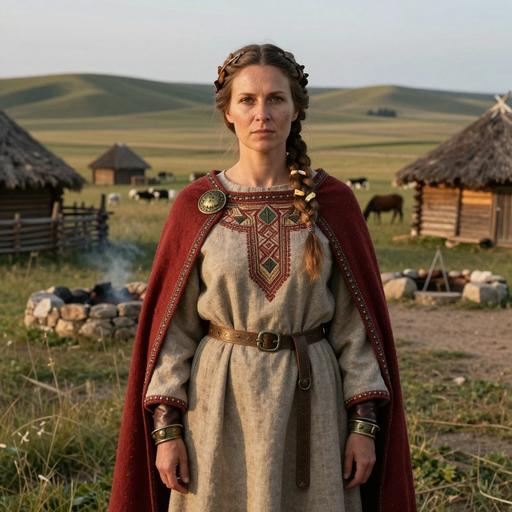
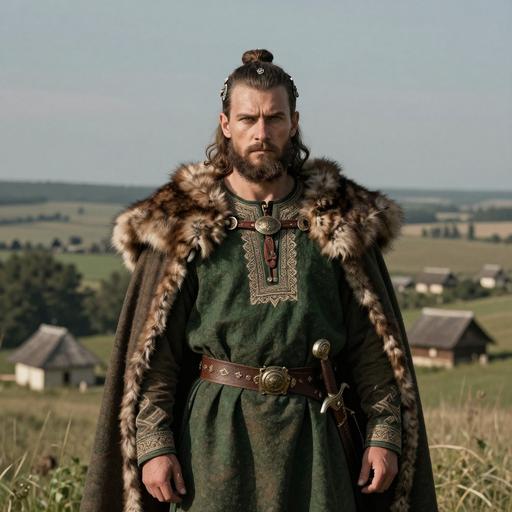
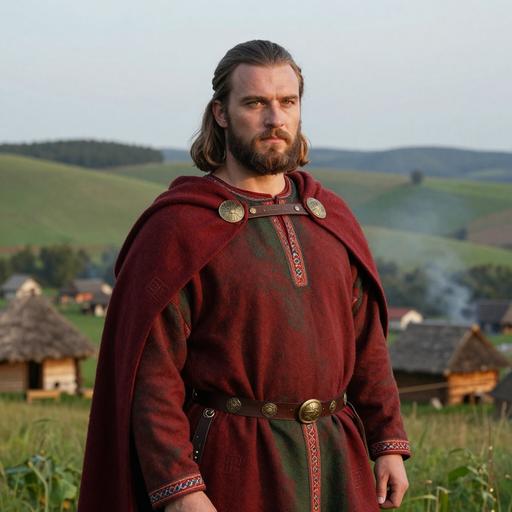
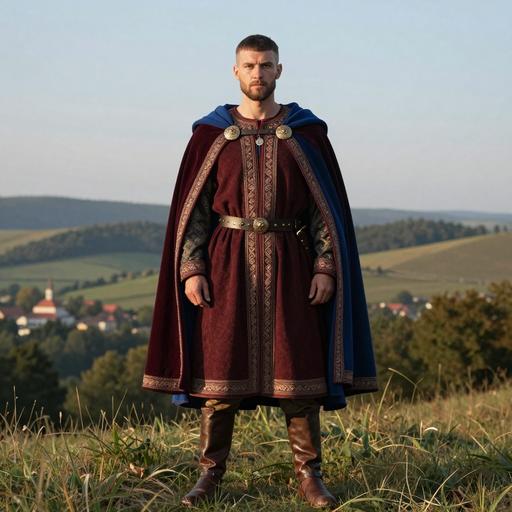
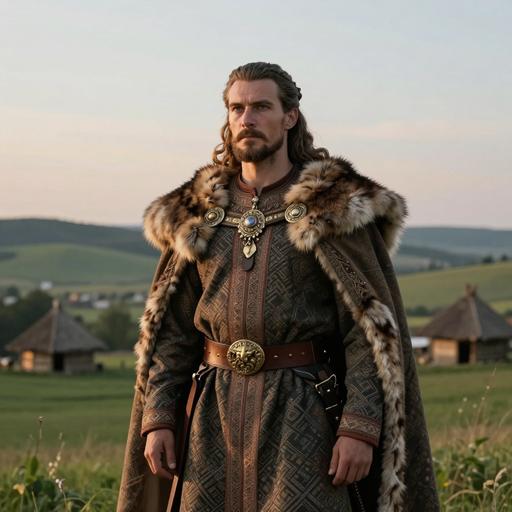
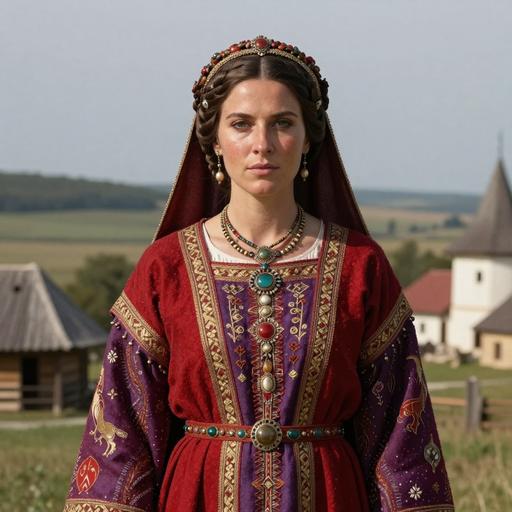
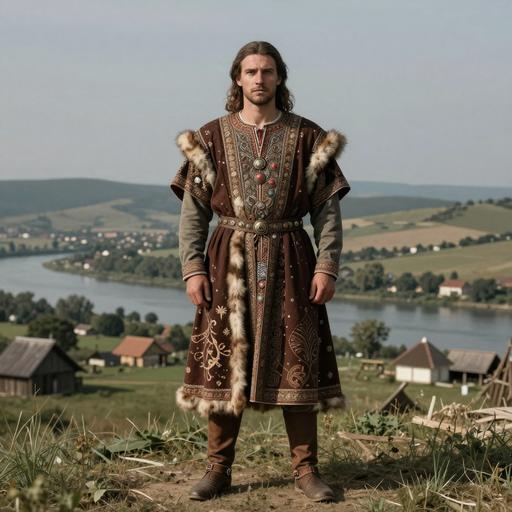
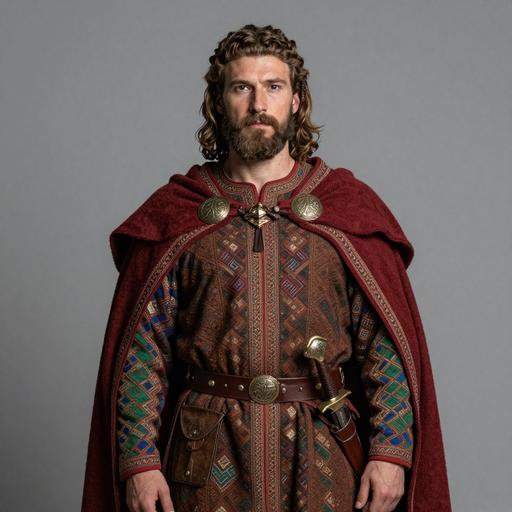
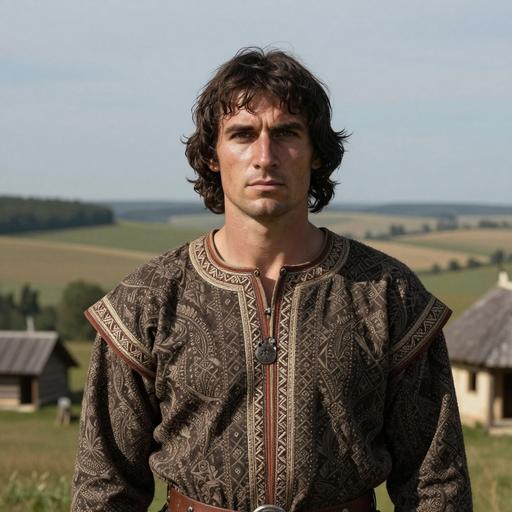
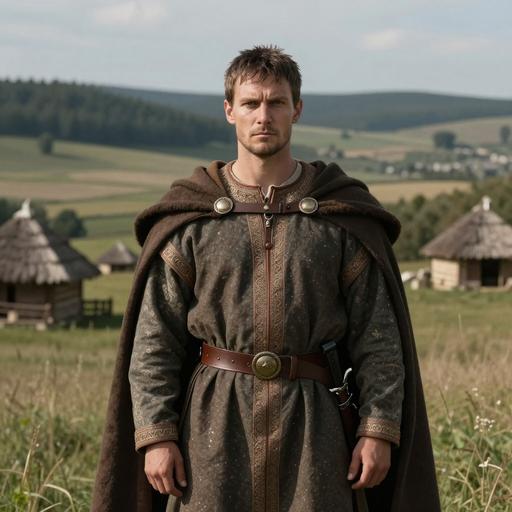
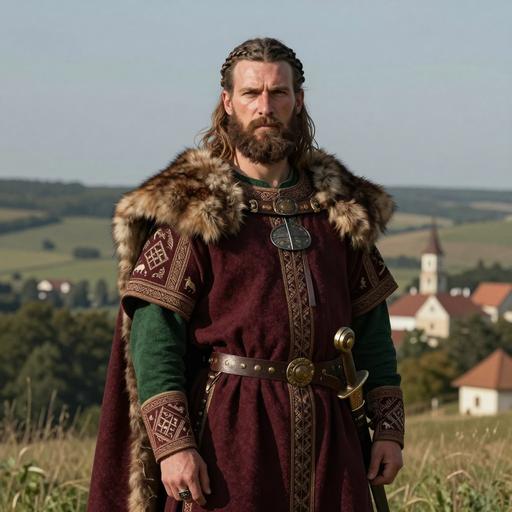
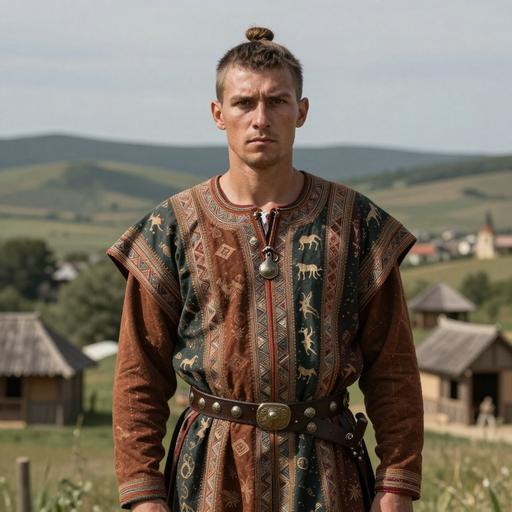
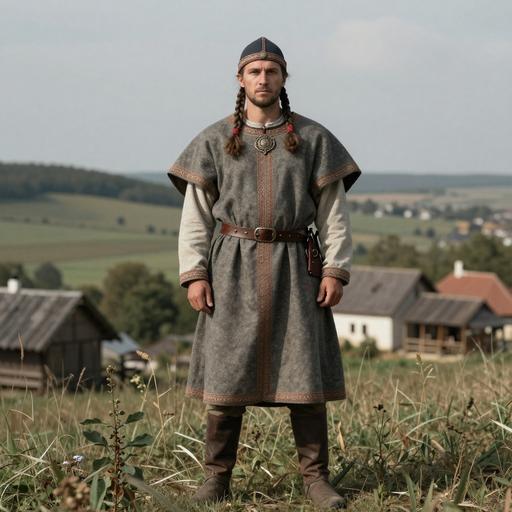
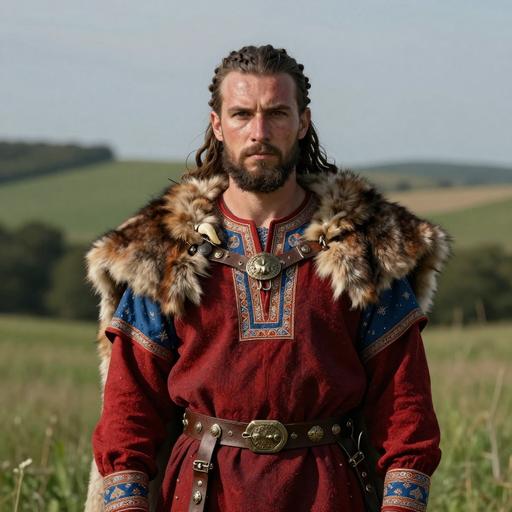
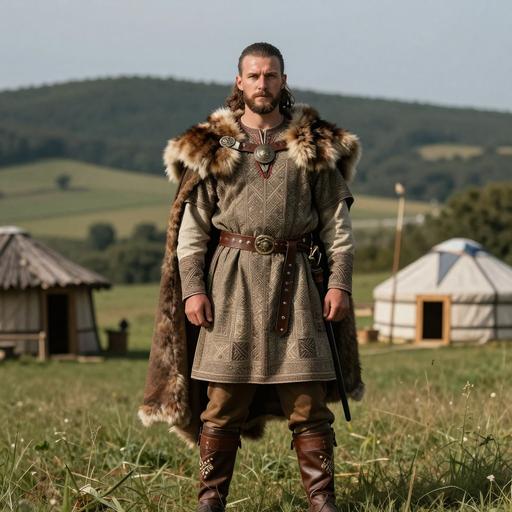
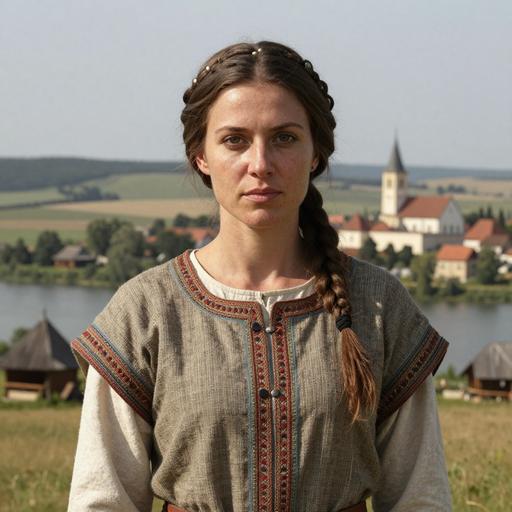
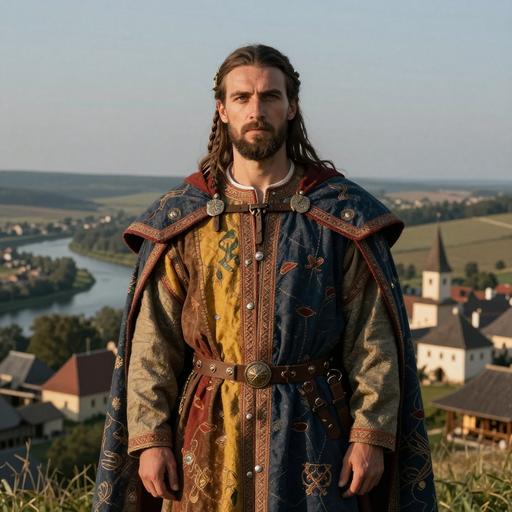
The conquering elite inhabited a world of swift horses, iron weaponry, and showy personal adornment. High-status graves at Karos and Kenézlő contain bridles, stirrups, sabers, and ornate belt fittings—objects that speak to mounted warfare and elite display. Yet alongside these martial accoutrements appear everyday items: pottery, bone tools, and food remains that connect these elites to local agricultural economies and artisan networks.

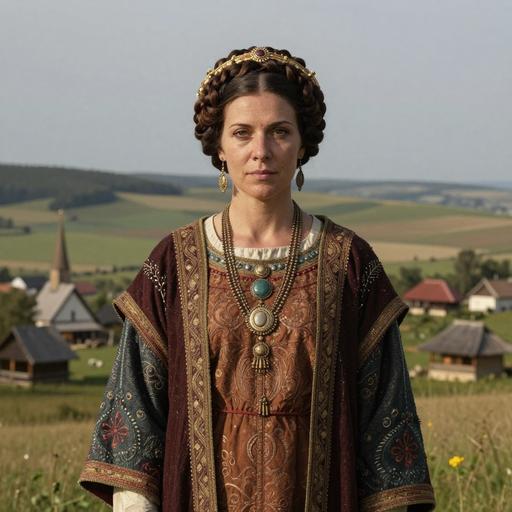
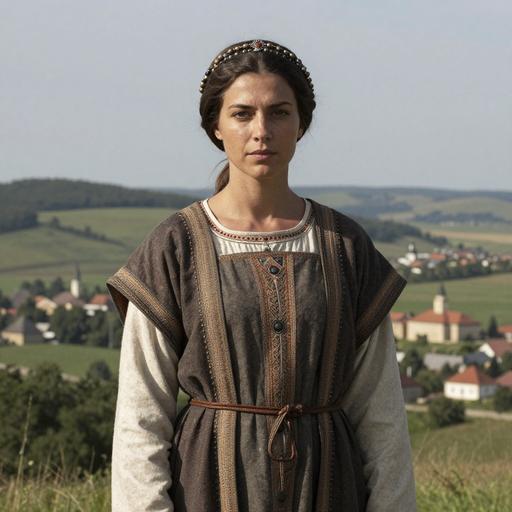
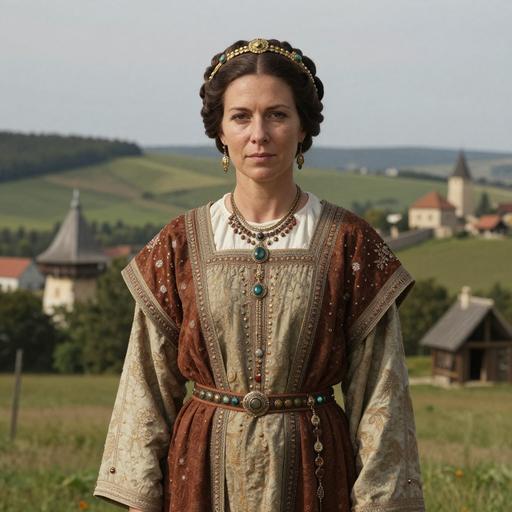
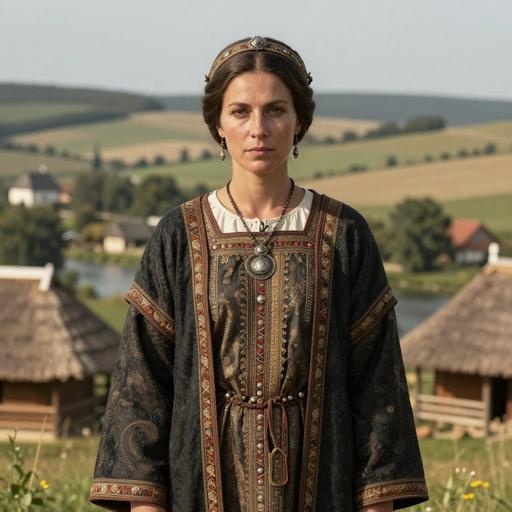
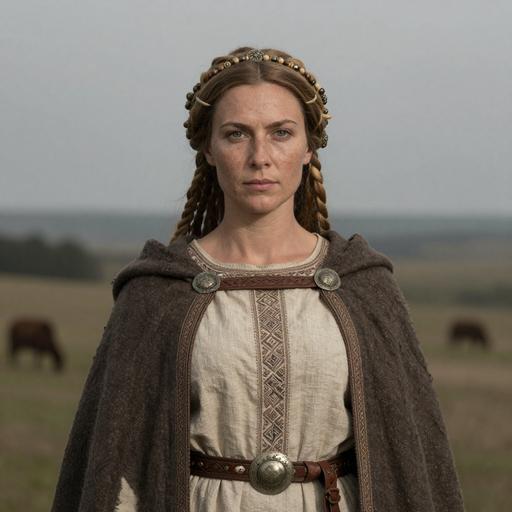
Social structure was likely hierarchical and mobile. Archaeological patterns suggest a military aristocracy exercising control over mixed pastoral–agricultural landscapes; seasonal movement may have continued for some households, while others settled into village agriculture. Children's burials and female graves with jewelry, beads, and imported objects indicate family groups within elite circles and participation in long-distance exchange. Graves without horse-gear or weapons at the same cemeteries imply co-resident non-elite populations or differing social roles.

Isotopic studies elsewhere in the region hint at varied diets and mobility, and burial architecture reflects negotiated identities: part steppe horseman, part Carpathian landed magnate. Archaeological data indicates that the conqueror elite were not culturally monolithic but practiced a repertoire of lifestyle choices shaped by warfare, alliance, and local adaptation.

  • Elite burials contain horse gear, weapons, and imported ornaments
  • Material culture shows a mix of mobile pastoralism and settled agriculture
Chapter V

Genetic Profile

The genetic portrait of these Conqueror elites is strikingly mixed. Mitochondrial DNA in this sample set shows a plurality of West Eurasian lineages—U (16), H (10), J (9), T (9)—alongside Eastern maternal lineages such as C (6). Archaeological data indicates that such mtDNA diversity reflects both local European maternal ancestry and the persistence of East Eurasian maternal lines into the Carpathian Basin. This pattern is consistent with a history of long‑distance mobility and admixture.

Y‑chromosome results for Conqueror‑era elites often reveal a heterogeneous picture (a mixture of lineages associated with European and steppe/East Eurasian origins); in this dataset the paternal haplogroups are varied and suggest multiple male-line ancestries. Autosomal ancestry profiles (when available from contemporaneous studies) frequently combine a steppe pastoralist component, East Eurasian affinity, and substantial European farmer ancestry, implying that conquest-era elites were genetic mosaics rather than genetically isolated immigrants.

With 94 samples spanning multiple cemeteries, conclusions are more robust than single-site studies, yet geographic and social sampling is non-uniform: most remains derive from elite burial contexts. Therefore, while genetic evidence supports a blended origin—steppe-derived, Uralic linguistic association plausible, and local European admixture substantial—archaeogenetic interpretations should remain cautious about extrapolating to the entire population.

  • mtDNA: U (16), H (10), J (9), T (9), C (6) — mix of European and East Eurasian maternal lines
  • Overall genetic signal: admixture of steppe, East Eurasian, and Central European ancestries
Chapter VI

Legacy & Modern Connections

The legacy of the Conqueror elite is both cultural and genetic. Medieval state formation—most visibly the conversion and coronation of Stephen I around 1000 CE—transformed the political landscape founded by these mobile elites. Genetic echoes of the conquest survive in the modern Hungarian gene pool as subtle traces of steppe and East Eurasian ancestry mingled with long-standing Central European lineages.
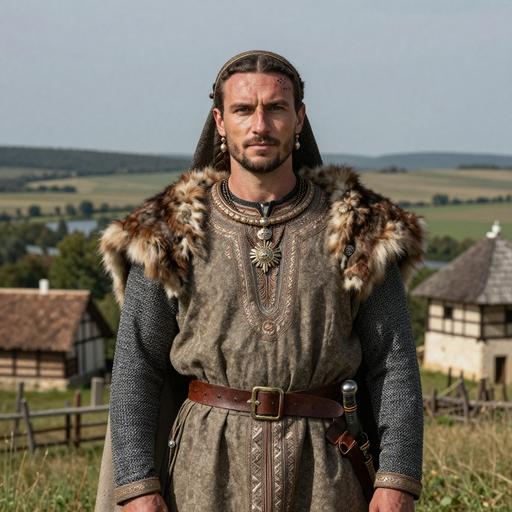
Archaeological continuity in place names, burial rites, and craft traditions links the Carpathian Dawn to later medieval society, while genetics reveals continuity tempered by centuries of admixture. Limited evidence cautions against simple narratives: modern Hungarians are the product of many inputs across time, and the conqueror elite represent one significant but not exclusive strand. For museums and ancestry platforms, these remains invite visitors to imagine the dynamic, multiethnic crucible that forged early medieval Hungary—the sound of hooves, the glint of iron, and the slow merging of peoples across a continent.

  • Conqueror-era ancestry persists but is diluted by later admixture
  • Cultural and genetic evidence together portray a multiethnic foundation for medieval Hungary
Chapter VII

Sample Catalog

48 ancient DNA samples associated with the Magyar Conquerors: Carpathian Dawn culture

Ancient DNA samples from this era, providing genetic insights into the people who lived during this period.

48 / 48 samples
Portrait Sample Country Era Date Culture Sex Y-DNA mtDNA
Portrait of ancient individual K1-1 from Hungary, dated 900 CE
K1-1
Hungary Hungary_Conqueror_Elite 900 CE Magyar/Hungarian U - H
Portrait of ancient individual K1-10 from Hungary, dated 900 CE
K1-10
Hungary Hungary_Conqueror_Elite 900 CE Magyar/Hungarian M - U3b1b
Portrait of ancient individual TCS-5 from Hungary, dated 960 CE
TCS-5
Hungary Hungary_Conqueror_Elite 960 CE Magyar/Hungarian M - U4c2
Portrait of ancient individual K2-29 from Hungary, dated 960 CE
K2-29
Hungary Hungary_Conqueror_Elite 960 CE Magyar/Hungarian M - J1b1a1+146
Portrait of ancient individual K2-33 from Hungary, dated 960 CE
K2-33
Hungary Hungary_Conqueror_Elite 960 CE Magyar/Hungarian M - U4a1b2
Portrait of ancient individual VPB-310 from Hungary, dated 892 CE
VPB-310
Hungary Hungary_Conqueror_Elite 892 CE Magyar/Hungarian M - D4e4
Portrait of ancient individual K2-52 from Hungary, dated 900 CE
K2-52
Hungary Hungary_Conqueror_Elite 900 CE Magyar/Hungarian M - X2f
Portrait of ancient individual K2-61 from Hungary, dated 900 CE
K2-61
Hungary Hungary_Conqueror_Elite 900 CE Magyar/Hungarian M - U4d2
Portrait of ancient individual SE-64 from Hungary, dated 960 CE
SE-64
Hungary Hungary_Conqueror_Elite 960 CE Magyar/Hungarian F - T1a1
Portrait of ancient individual MH1-23 from Hungary, dated 900 CE
MH1-23
Hungary Hungary_Conqueror_Elite 900 CE Magyar/Hungarian M - N1a1a1a1a
AI Powered

AI Assistant

Ask questions about the Magyar Conquerors: Carpathian Dawn culture

AI Assistant by DNAGENICS

Unlock this feature
Ask questions about the Magyar Conquerors: Carpathian Dawn culture. Our AI assistant can explain genetic findings, historical context, archaeological evidence, and modern connections.
Sample AI Analysis

The Magyar Conquerors: Carpathian Dawn culture represents a fascinating chapter in human history...

Genetic analysis reveals connections to earlier populations while showing evidence of unique adaptations and cultural innovations. The ancient DNA samples provide insights into migration patterns, social structures, and the biological relationships between ancient populations.

This is a preview of the AI analysis. Unlock the full AI Assistant to explore detailed insights about:

  • Genetic composition and ancestry
  • Migration patterns and origins
  • Daily life and cultural practices
  • Modern genetic legacy
Use code for 35% off Expires May 20