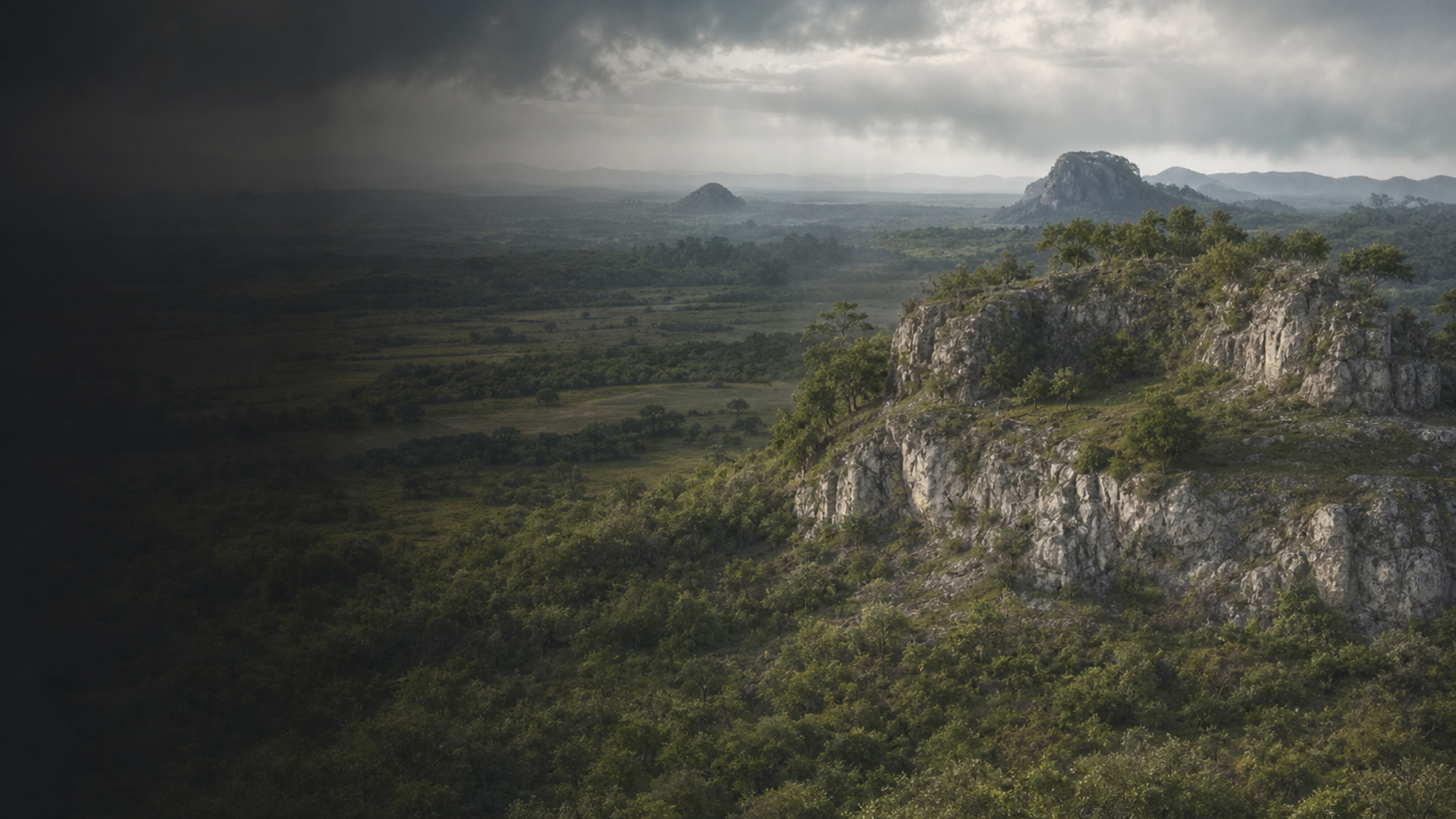
Imagine a shoreline of mangroves and lagoons where mornings begin with the low call of wading birds and the flash of fish beneath shallow water. At Mayahak Cab Pek, artefacts and ecofacts paint a portrait of a community attuned to tidal rhythms. Shell middens and fish bone concentrations indicate diets dominated by marine and estuarine resources: fish, crustaceans, and mollusks. Stone tools recovered from the site — small, versatile flakes and ground implements — suggest tasks of processing fish and plants, crafting cordage, and preparing hides.
Settlement patterns were likely flexible: occupation surfaces and midden accumulations imply repeated use across seasons rather than a single permanent village. Social life in such a setting would have revolved around kin-based groups exploiting predictable resources, sharing catch and labor, and maintaining knowledge of tides, currents, and plant cycles. Ornamentation or pigment fragments found at comparable coastal sites hint at symbolic behaviors, but at Mayahak Cab Pek evidence for ritual or hierarchies is minimal.
Archaeological data indicates a subsistence economy rooted in local ecosystems, with mobility and knowledge transmission shaping social organization. The human story here is intimate and ecological — small groups negotiating a rich but dynamic coastal world.