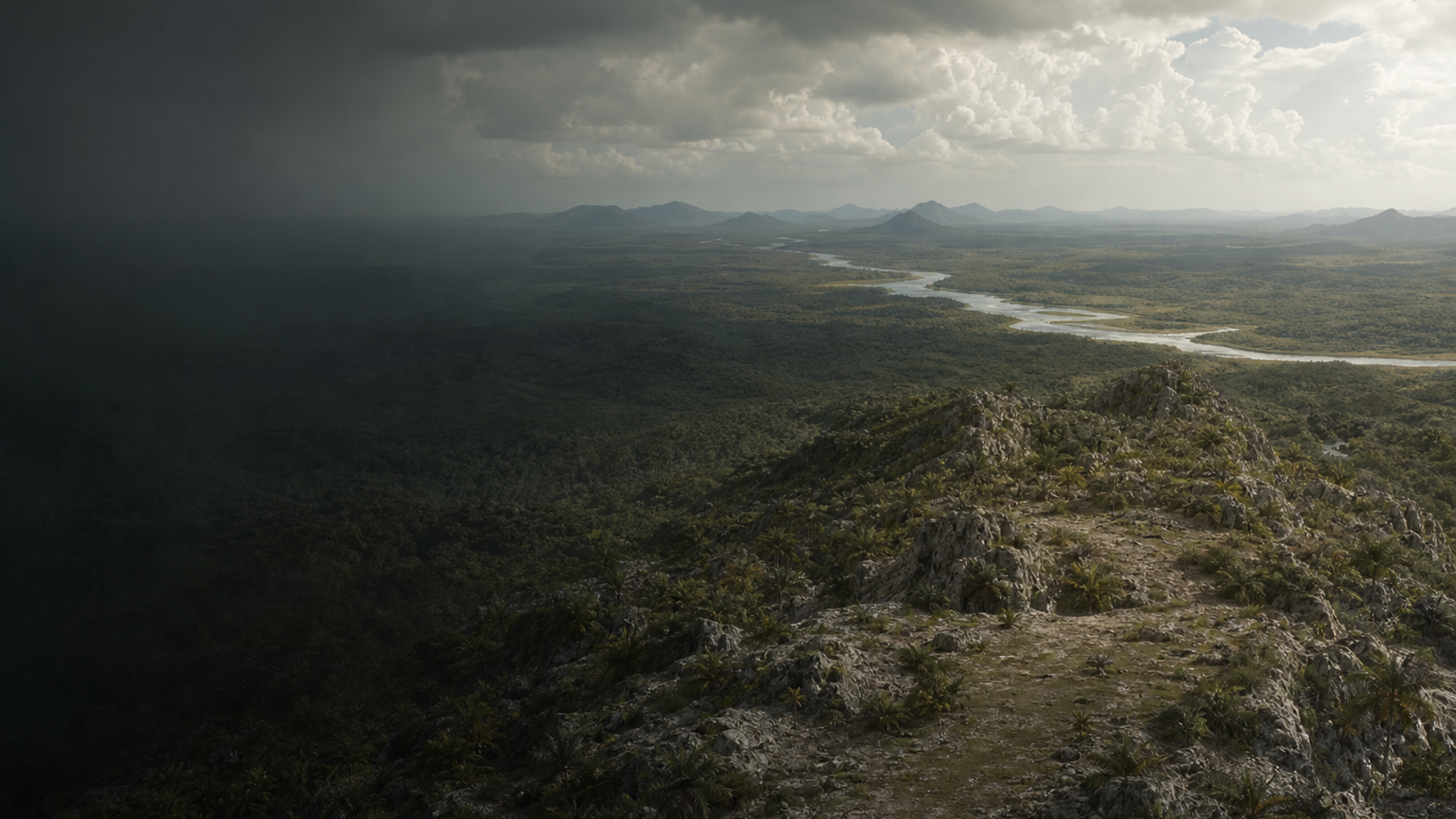
Archaeological traces from Mayahak Cab Pek imply a lifeway centered on the interface of land and sea. Shell middens and food remains (where preserved) point to diets rich in molluscs, fish and estuarine resources. Portable stone tools and fractured flakes suggest on-site tool maintenance rather than large-scale production, consistent with highly mobile households moving along the coast.
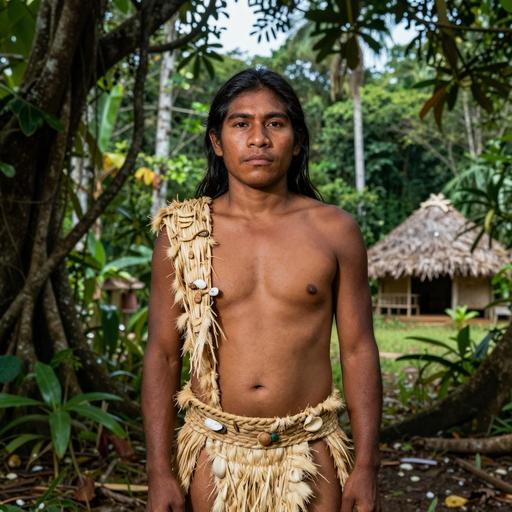
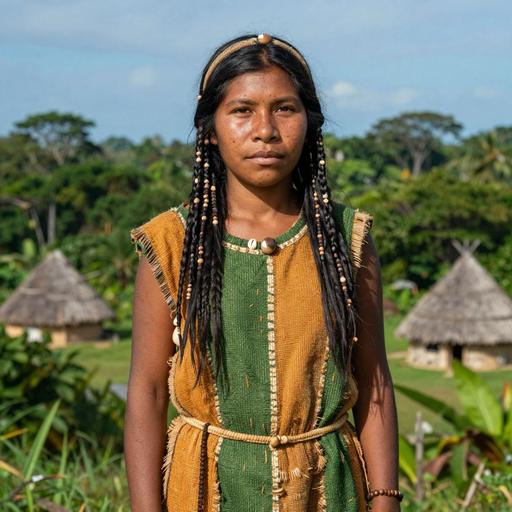
Social organization for such groups was likely flexible: small kin-based bands that congregated seasonally, sharing knowledge of tidal cycles, fishing spots and plant resources. Material culture — ephemeral hearths, worked flake assemblages and occasional groundstone — underscores low-density occupation rather than permanent villages.
Care should be taken not to romanticize these reconstructions. Coastal taphonomy and limited excavation areas constrain what we know. Still, when combined with environmental reconstructions, the archaeological record at Mayahak Cab Pek evokes a resilient adaptation to shifting shorelines, where daily life revolved around tides, tideside resources and finely tuned ecological knowledge.