Menu
Store
Blog
Mayahak Cab Pek, Belize (Central America)

Mayahak Cab Pek — Belize, 9,300 Years Ago

An early Holocene coastal presence revealed by fragile archaeology and a single ancient genome

7472 CE - 71929300 BCE
Scroll to begin
Chapter I

The Story

Understanding the Mayahak Cab Pek — Belize, 9,300 Years Ago culture

Archaeological excavations at Mayahak Cab Pek in Belize (7472–7192 BCE) capture an early Holocene human presence. Limited remains and one sequenced individual (mtDNA D) hint at deep Native American lineages; conclusions remain preliminary pending more samples.

Time Period

c. 7472–7192 BCE (approx. 9,300 years ago)

Region

Mayahak Cab Pek, Belize (Central America)

Common Y-DNA

No data / not reported

Common mtDNA

D (1 sample)

Chapter II

Timeline

Key moments in the history of this culture

7300 BCE

Occupation at Mayahak Cab Pek

Radiocarbon-dated human activity at Mayahak Cab Pek (c. 7472–7192 BCE) indicating early Holocene use of Belizean coastal environments.

Chapter III

Origins & Emergence

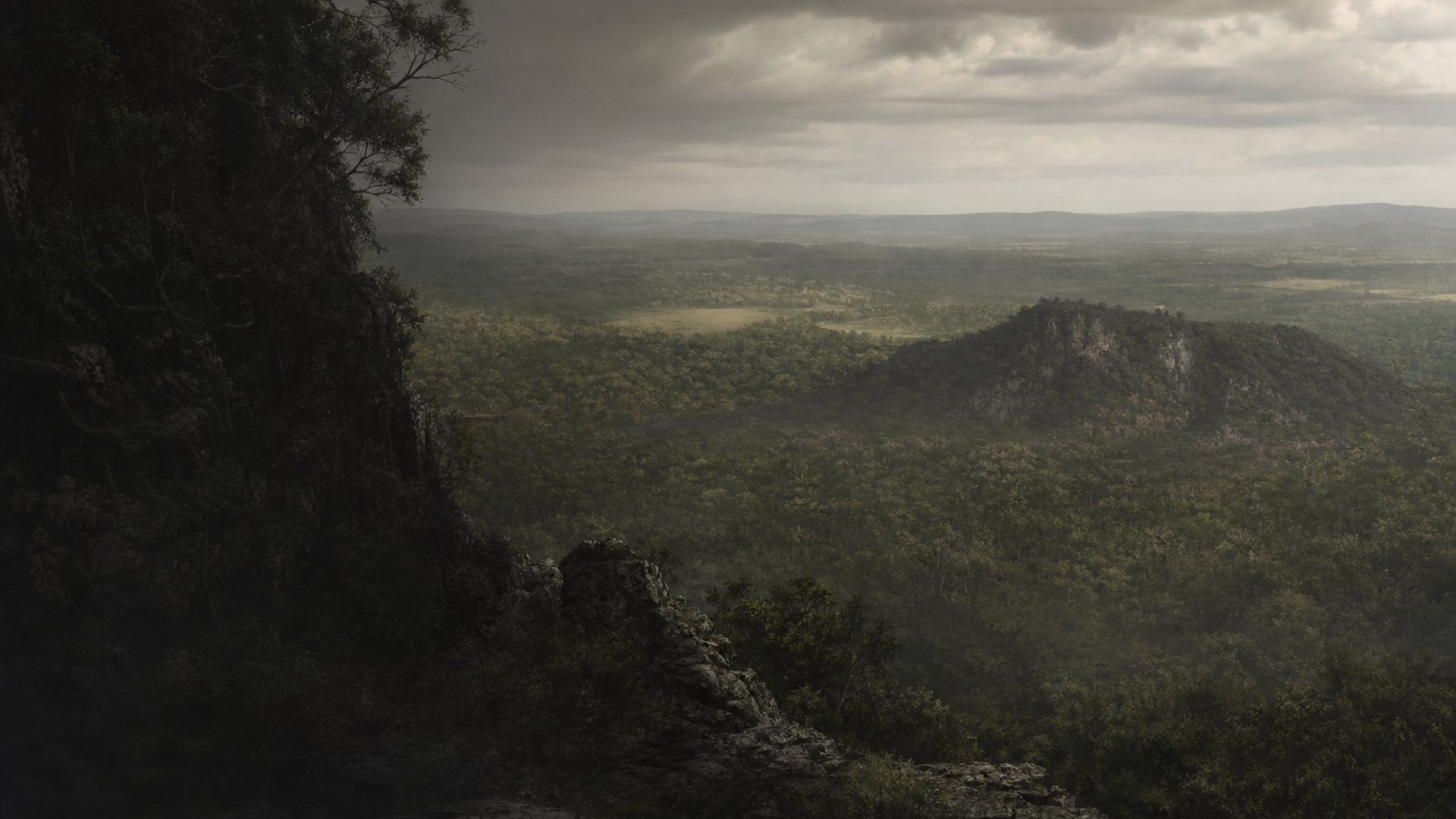
Mayahak Cab Pek sits in present-day Belize and preserves a human presence during the early Holocene (radiocarbon-calibrated range ~7472–7192 BCE). Archaeological data indicates occupation or use of the locale at a time of rising sea levels and changing coastal ecologies. Limited evidence suggests peoples were adapting to shifting resource zones as mangroves, lagoons, and inland forests reconfigured the landscape after the terminal Pleistocene.

The scene is cinematic: small groups moving through a mosaic of wetlands and shoreline, leaving ephemeral traces in cave fills or shell-bearing deposits. Because excavation reports and material remains from Mayahak Cab Pek are sparse, interpretations emphasize possibilities rather than certainties. The site contributes a rare, early data point for southern Mesoamerica when few securely dated human skeletal or genetic samples exist.

Key uncertainties remain: the exact scale of occupation, site function (seasonal camp vs. longer-term habitation), and cultural connections to contemporaneous groups across Central America. Ongoing fieldwork and additional dating are required to refine the picture.

  • Secure radiocarbon range: c. 7472–7192 BCE (early Holocene)
  • Evidence suggests small-scale, mobile foraging lifeways in coastal/near-coastal environments
  • Interpretations are preliminary due to limited archaeological material
Chapter IV

Daily Life & Society

Direct evidence about daily life at Mayahak Cab Pek is minimal; archaeological inference therefore draws on environmental reconstruction and regional parallels. Residents likely exploited a diversity of resources — freshwater and marine fish, shellfish, small mammals, and seasonal plants — using lightweight toolkits suited for mobility. The early Holocene climate produced shifting shorelines and wetland systems that would have structured foraging territories and movement patterns.

Socially, groups were probably small and flexible, with knowledge networks for tracking resources across landscapes. Material culture may have been perishable and ephemeral, leaving only stone fragments, charcoal, and occasional faunal remains. The cinematic image is of intimate camps lit by hearths inside rock shelters or along lagoon margins, where food processing and tool repair took place in daily rhythms attuned to tides and seasons.

Because preservation is uneven and the sample base is tiny, reconstructions of social organization or ritual behavior remain speculative. Each artifact or ecofact from Mayahak Cab Pek should be treated as a fragile whisper from the past.

  • Likely mobile foragers exploiting marine and terrestrial resources
  • Small group sizes and flexible seasonal mobility inferred from regional analogies
Chapter V

Genetic Profile

A single genetic sample from Mayahak Cab Pek carries mitochondrial haplogroup D. In the Americas, haplogroup D is one of the major founding maternal lineages (alongside A, B, C, and X), so its presence here is consistent with deep Pan-American maternal ancestry. However, with only one sequenced individual, any population-level statements are preliminary and should be treated cautiously.

No Y‑chromosome haplogroup data are reported for this sample, so paternal lineage patterns at the site remain unknown. The isolated mtDNA datum can inform hypotheses about matrilineal continuity or mobility when compared to later ancient and modern datasets across Mesoamerica and Central America, but it cannot by itself resolve migration routes or demographic size.

Geneticists and archaeologists must combine this fragile genetic signal with stratigraphic, faunal, and lithic evidence to build robust narratives. Additional samples from Mayahak Cab Pek and nearby early sites are essential to test whether the mtDNA D finding reflects a local lineage, a regional pattern, or a stochastic outcome of small sample size.

  • mtDNA haplogroup D identified in 1 individual — consistent with Pan-American founding lineages
  • No Y-DNA reported; small sample size (<10) makes population inference preliminary
Chapter VI

Legacy & Modern Connections

The genetic and archaeological traces at Mayahak Cab Pek offer a poetic link between the deep past and contemporary peoples of Central America, but that link must be articulated carefully. The presence of mtDNA D aligns with broad mitochondrial continuity seen across many Native American groups, suggesting maternal lineages present in the early Holocene contributed to later gene pools. Yet a single sample cannot establish direct ancestry to any specific modern community.

The true legacy of Mayahak Cab Pek is methodological: it underscores how early Holocene sites in Belize can illuminate migration, adaptation, and resilience as climates and coastlines shifted. Future collaborative research, respectful engagement with Indigenous communities, and additional ancient genomes will be crucial to transform tentative hints into well-supported stories about continuity and change.

  • mtDNA D aligns with widespread Native American maternal lineages, but direct links are unproven
  • Additional sampling and Indigenous collaboration needed to clarify long-term connections
AI Powered

AI Assistant

Ask questions about the Mayahak Cab Pek — Belize, 9,300 Years Ago culture

AI Assistant by DNAGENICS

Unlock this feature
Ask questions about the Mayahak Cab Pek — Belize, 9,300 Years Ago culture. Our AI assistant can explain genetic findings, historical context, archaeological evidence, and modern connections.
Sample AI Analysis

The Mayahak Cab Pek — Belize, 9,300 Years Ago culture represents a fascinating chapter in human history...

Genetic analysis reveals connections to earlier populations while showing evidence of unique adaptations and cultural innovations. The ancient DNA samples provide insights into migration patterns, social structures, and the biological relationships between ancient populations.

This is a preview of the AI analysis. Unlock the full AI Assistant to explore detailed insights about:

  • Genetic composition and ancestry
  • Migration patterns and origins
  • Daily life and cultural practices
  • Modern genetic legacy
Use code for 35% off Expires May 21




