Menu
Store
Blog
Bolivia_MiraFlores_MH Titicaca Basin, Bolivia

Mira Flores: Titicaca Echoes

A single ancient genome illuminates a Middle Horizon presence in the Bolivian highlands

700 CE - 1000 CE
1 Ancient Samples
Scroll to begin
Chapter I

The Story

Understanding the Mira Flores: Titicaca Echoes culture

Archaeological and genetic evidence from the Titicaca Basin (700–1000 CE) reveals a Miraflores-era individual with Y haplogroup Q and mtDNA B2o. Limited sampling makes conclusions preliminary, but the data connect local material culture to Andean genetic lineages.

Time Period

700–1000 CE (Middle Horizon)

Region

Titicaca Basin, Bolivia

Common Y-DNA

Q (observed: 1)

Common mtDNA

B2o (observed: 1)

Chapter II

Timeline

Key moments in the history of this culture

700 CE

Local Miraflores expressions emerge

Material culture and settlement patterns in the Titicaca Basin reflect Miraflores-affiliated styles and practices.

Chapter III

Origins & Emergence

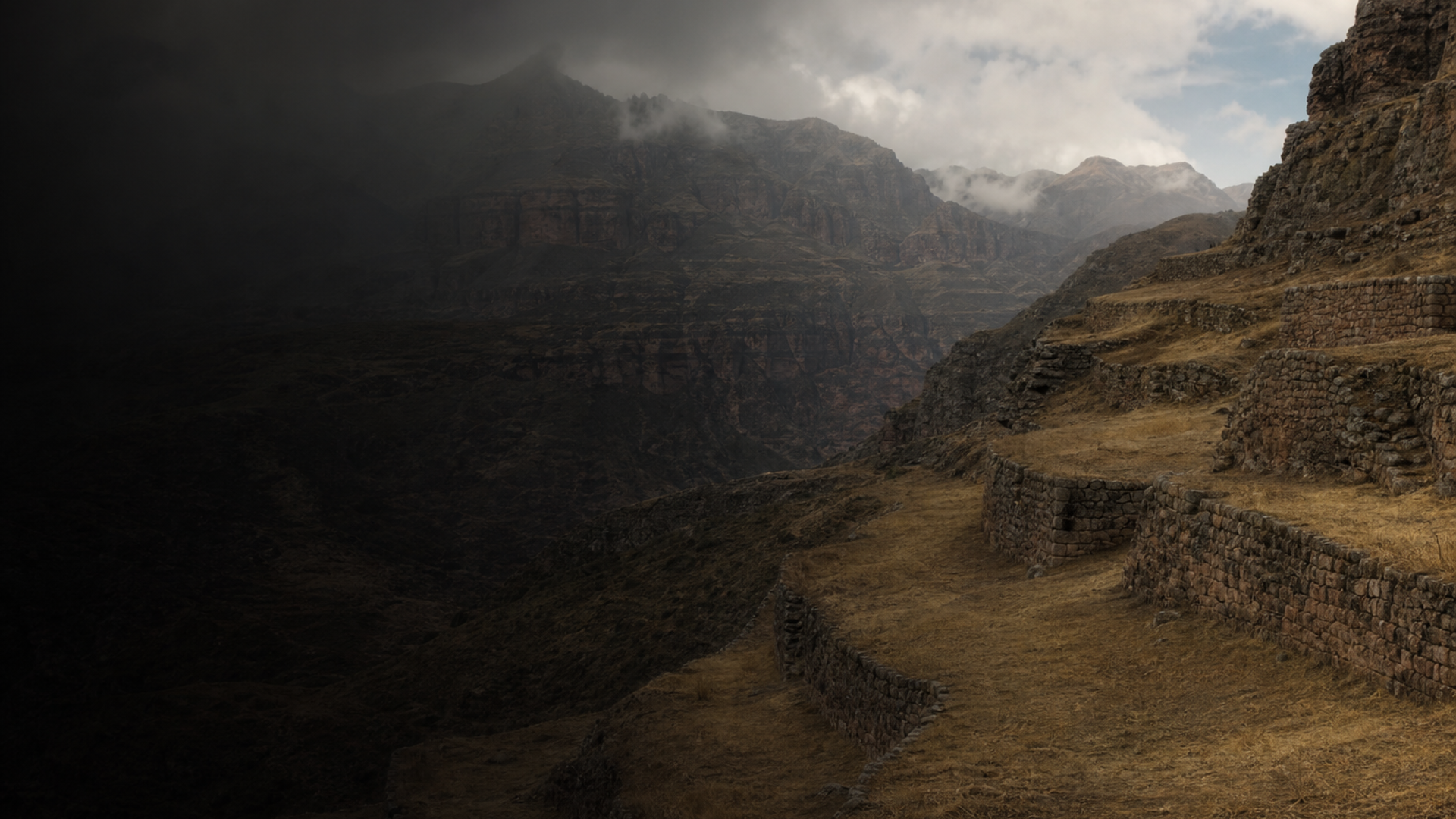
The Mira Flores material horizon is nested within the Middle Horizon world that reshaped the Bolivian highlands between roughly 700 and 1000 CE. Archaeological data indicates settlement clusters and ceramic styles in the Titicaca Basin that archaeologists associate with Miraflores artisanal expressions. Excavations in and around the southern Titicaca shoreline document architectural sequences, ritual platforms, and distinct pottery motifs that reflect local innovation as well as regional interaction across the high plateau.

In cinematic terms, imagine a windswept lakeshore where reedboats cross a glassy plain of water beneath distant volcanoes — that is the landscape these communities navigated. Limited evidence suggests Miraflores groups were engaged in agriculture, pastoralism, and exchange with neighboring polities. Material culture points to continuity with earlier highland traditions while also showing stylistic affinities to wider Middle Horizon visual languages.

Caution is crucial: the present genetic footprint derives from a single sampled individual from the Titicaca Basin. While the archaeological context anchors this person in Miraflores horizons, the small sample count means any reconstruction of population origins must be regarded as preliminary. Future excavations and genomes are needed to test whether this individual represents a broader local pattern or a more unique biography.

  • Associated with Middle Horizon ceramic and architectural features (700–1000 CE)
  • Found within the Titicaca Basin landscape of southern Bolivia
  • Interpretations are preliminary due to limited sampling
Chapter IV

Daily Life & Society

Archaeological traces from Miraflores-era sites in the Titicaca Basin portray communities balancing highland agriculture, herding, and craft production. Terraced fields, raised gardens near lake margins, and evidence for llamas and camelid herding speak to a resilient economy adapted to altitude. Pottery — often finely made and decorated — appears in domestic contexts and ritual caches, suggesting an intimate weave of everyday and ceremonial life.

Skeletal remains and burial practices recovered from nearby Middle Horizon cemeteries often show differential treatment, indicating social distinctions and possibly craft or ritual specialists. Social organization may have included neighborhood-level aggregation, with ceremonial platforms acting as focal points for collective rituals. Exchange networks moved goods — and ideas — across the highlands, linking Mira Flores communities to Tiwanaku-influenced spheres and other regional centers.

Archaeological interpretations must remain tentative: direct associations between specific household activities and the single genetic sample cannot be assumed. The individual’s presence in a given burial context reveals biography, not an entire population’s routine. Nonetheless, material culture and landscape archaeology together provide a textured sense of daily life in a highland world shaped by lake, mountain, and sky.

  • Economy: agriculture, terrace cultivation, and camelid herding
  • Crafts and ritual practices inferred from pottery and platforms
Chapter V

Genetic Profile

Ancient DNA from a single Mira Flores-associated individual in the Titicaca Basin yields a Y-chromosome haplogroup Q and mitochondrial haplogroup B2o. Haplogroup Q is widely recognized across Indigenous populations of the Americas as a predominant Y-lineage, while B2 subclades are common maternal lineages in the highlands and lowlands alike. The presence of Q (1 observed) and B2o (1 observed) in this individual aligns with broad Andean genetic backgrounds documented in other Middle Horizon and later samples.

Because only one genome is available from this Mira Flores context, genetic inferences must be conservative. Limited evidence suggests continuity with regional Andean lineages rather than a major influx of external paternal or maternal ancestry during 700–1000 CE. However, genetic affinity tests require larger comparative datasets to resolve fine-scale population structure, admixture, or mobility patterns. Archaeological patterns of exchange and stylistic influence hint at social connectivity; genetics from more individuals will help determine whether those interactions included notable gene flow.

The most responsible statement is: this genome provides a preliminary genetic anchor tying a Miraflores-era individual to well-established Andean haplogroup lineages. Future sampling across the Titicaca Basin and better chronological coverage will be essential to move from portrait to population-level story.

  • Y-DNA: Q (single observed), consistent with Indigenous American paternal lineages
  • mtDNA: B2o (single observed), a maternal lineage common in Andean populations
Chapter VI

Legacy & Modern Connections

The Mira Flores presence in the Titicaca Basin contributes to a longer human story that threads through the Andes to the present. Modern Aymara and Quechua-speaking communities, and other highland groups, inherit landscapes, agricultural practices, and cultural memories shaped across the Middle Horizon and earlier epochs. Genetic continuity in broad haplogroup patterns (like Q and B2 subclades) suggests enduring biological lineages, though cultural identities and linguistic affiliations have evolved in complex ways.

Remember that one ancient genome is a single echo from a larger chorus. While it resonates with expected Andean genetic signatures, it cannot alone map the mosaic of ancestry among later or contemporary populations. Archaeology and genetics together offer the best path forward: artifacts and architecture set the scene; DNA provides biological lines of connection. Together they illuminate how people adapted, moved, and made meaning in the high puna and along the silver-blue margins of Lake Titicaca.

  • Broad genetic continuity with Andean lineages suggested, but preliminary
  • Cultural practices and landscape adaptations have long-term resonance in the region
Chapter VII

Sample Catalog

1 ancient DNA samples associated with the Mira Flores: Titicaca Echoes culture

Ancient DNA samples from this era, providing genetic insights into the people who lived during this period.

1 / 1 samples
Portrait Sample Country Era Date Culture Sex Y-DNA mtDNA
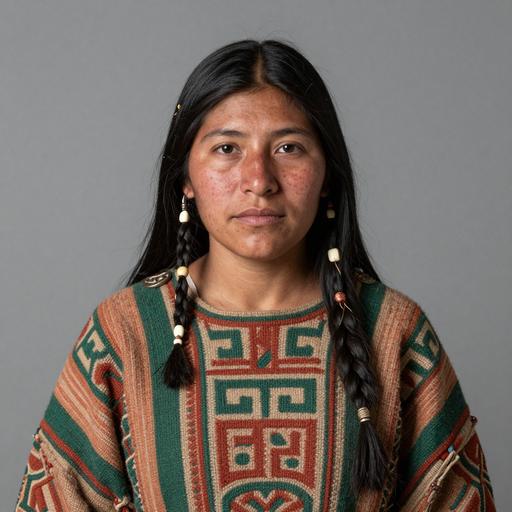
Portrait of ancient individual MIS7 from Bolivia, dated 700 CE
MIS7
Bolivia Bolivia_MiraFlores_MH 700 CE Andean Civilizations U Q-L53 B2o
AI Powered

AI Assistant

Ask questions about the Mira Flores: Titicaca Echoes culture

AI Assistant by DNAGENICS

Unlock this feature
Ask questions about the Mira Flores: Titicaca Echoes culture. Our AI assistant can explain genetic findings, historical context, archaeological evidence, and modern connections.
Sample AI Analysis

The Mira Flores: Titicaca Echoes culture represents a fascinating chapter in human history...

Genetic analysis reveals connections to earlier populations while showing evidence of unique adaptations and cultural innovations. The ancient DNA samples provide insights into migration patterns, social structures, and the biological relationships between ancient populations.

This is a preview of the AI analysis. Unlock the full AI Assistant to explore detailed insights about:

  • Genetic composition and ancestry
  • Migration patterns and origins
  • Daily life and cultural practices
  • Modern genetic legacy
Use code for 35% off Expires May 21