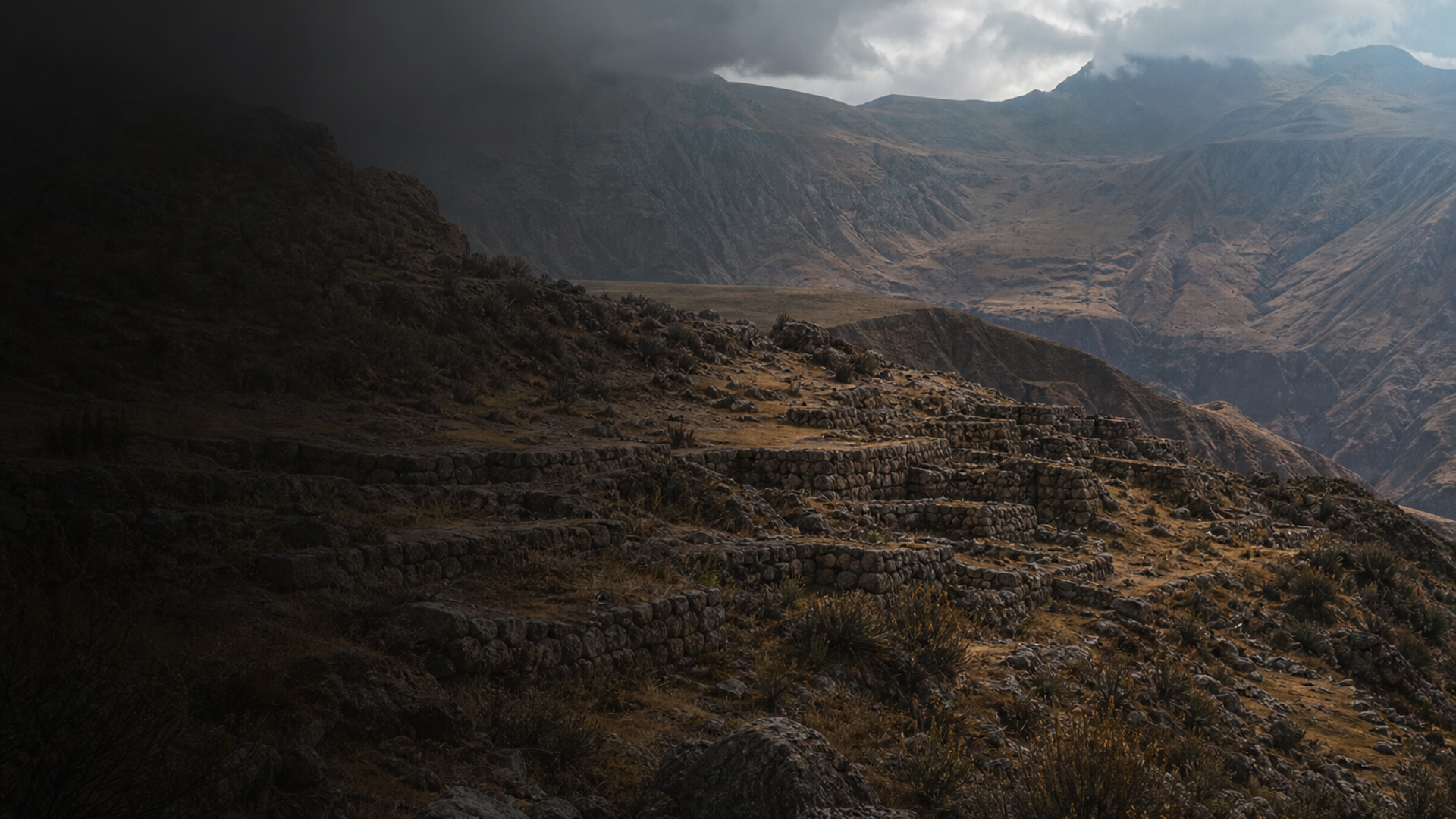
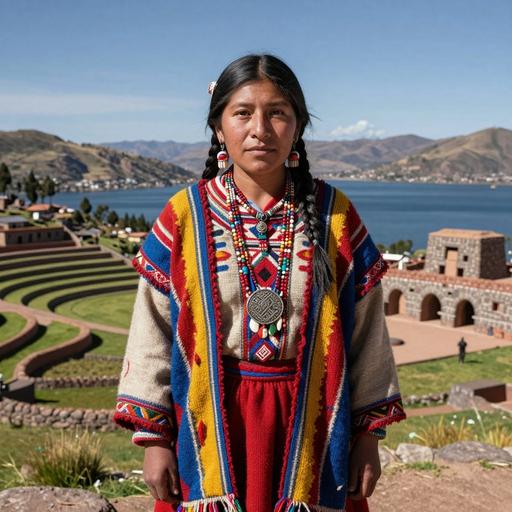
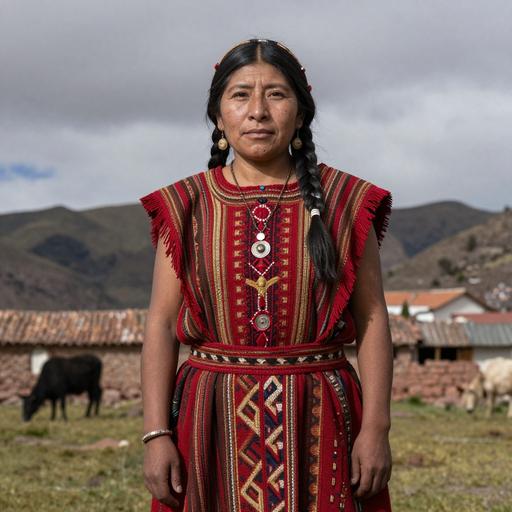
Cinematic scenes of Miraflores life unfold on the altiplano: herders tending camelids across bristling puna grasslands, farmers coaxing tubers and quinoa from raised fields, and potters shaping vessels painted with motifs that echo across plazas and shrines. Archaeological remains attributed to Miraflores contexts in the Titicaca Basin include distinctive ceramics, textile fragments, and evidence for terraced or raised-field agriculture—technologies adapted to cold, hypoxic highlands.
Social organization likely revolved around household units and community labor for irrigation and field maintenance, with ritual spaces articulating collective identity. Archaeological data indicates craft specialization in ceramics and weaving, with styles that mark social alliances and possibly ritual roles. Limited organic preservation makes details of diet and disease harder to reconstruct, but isotopic and macrobotanical studies from Middle Horizon contexts nearby point to mixed reliance on tubers, maize, quinoa, and camelid protein.
Material culture suggests Miraflores communities participated in wider networks that included Tiwanaku-affiliated polities, exchanging goods and ritual forms while retaining local adaptations to the Titicaca Basin's severe environment.