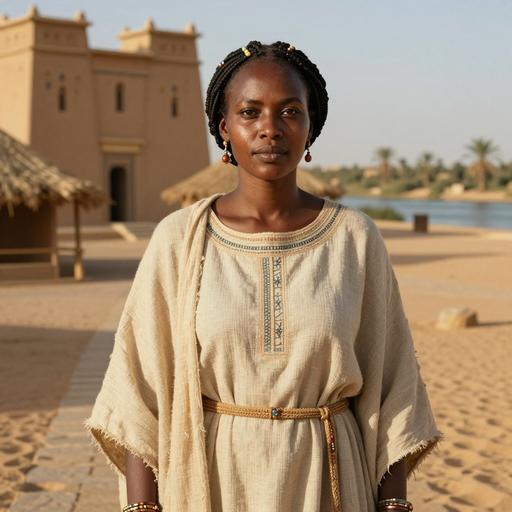
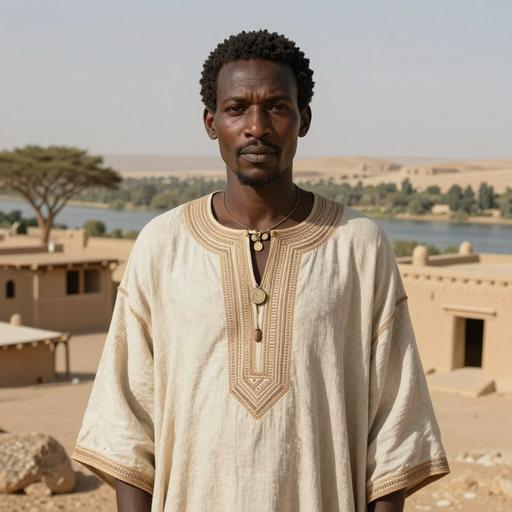
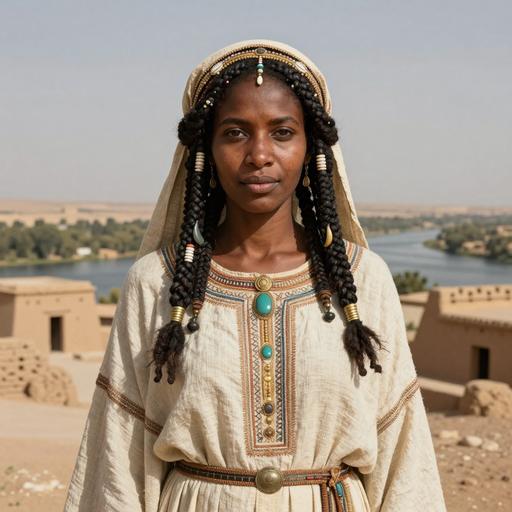
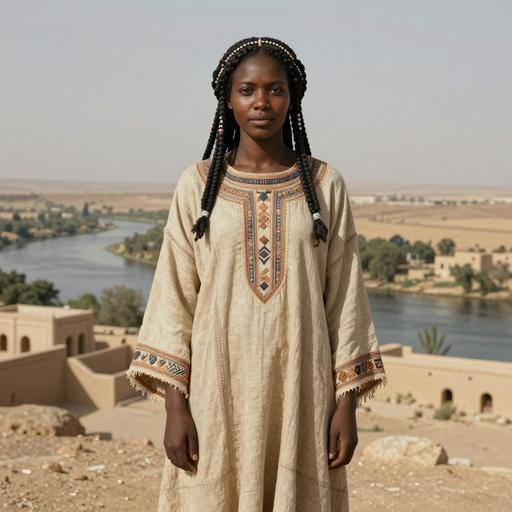
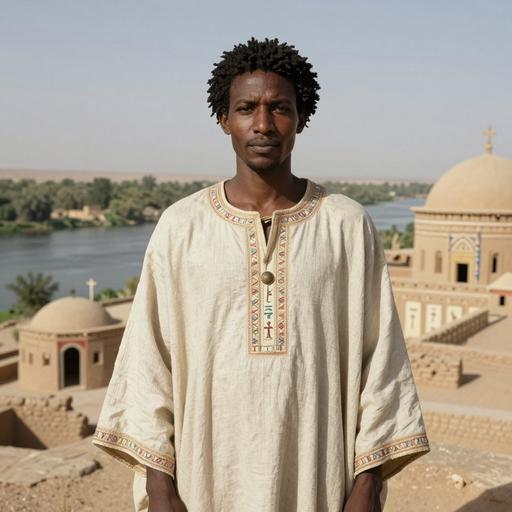
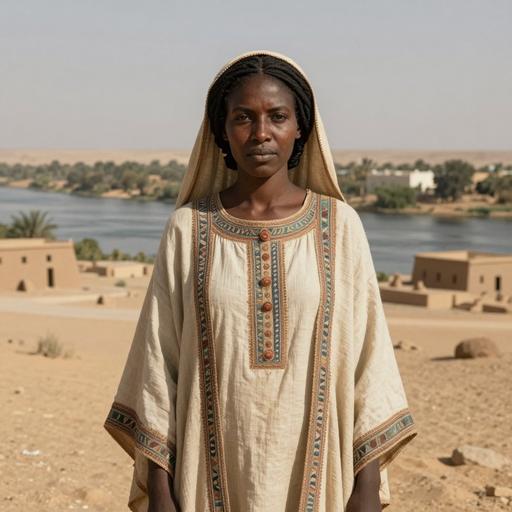
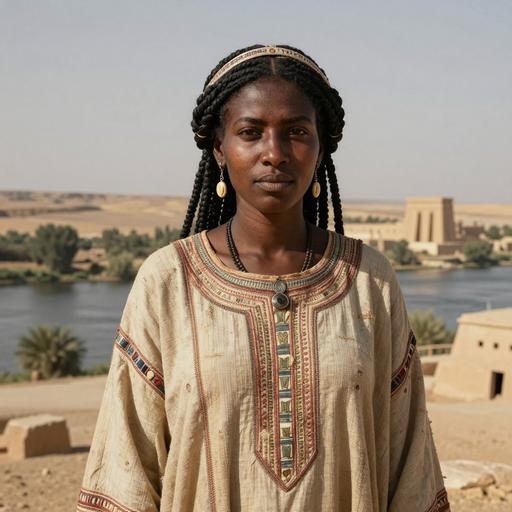
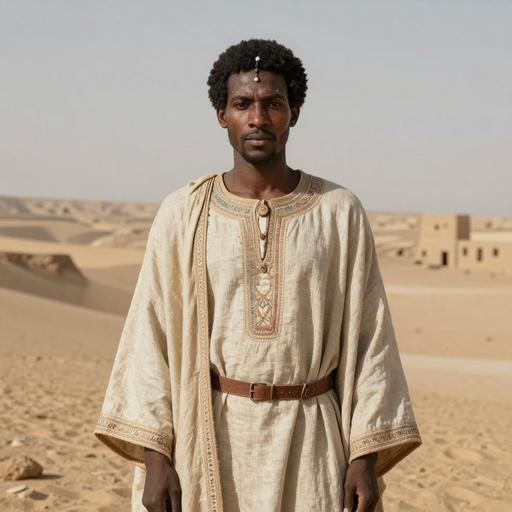
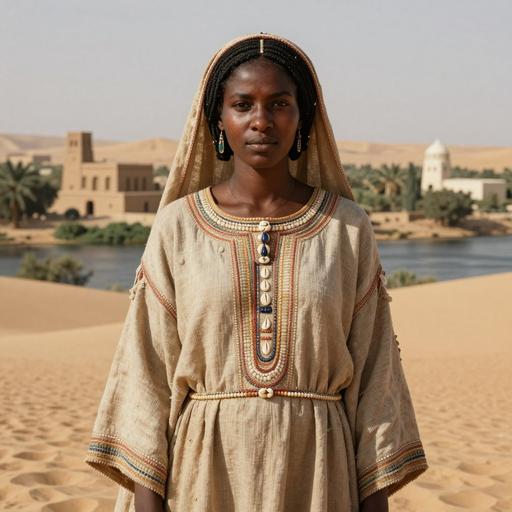
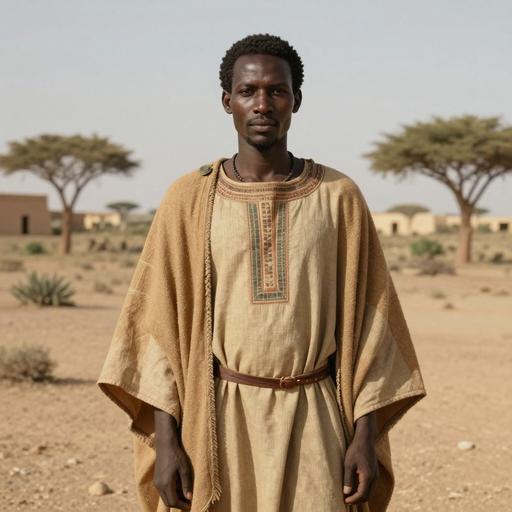
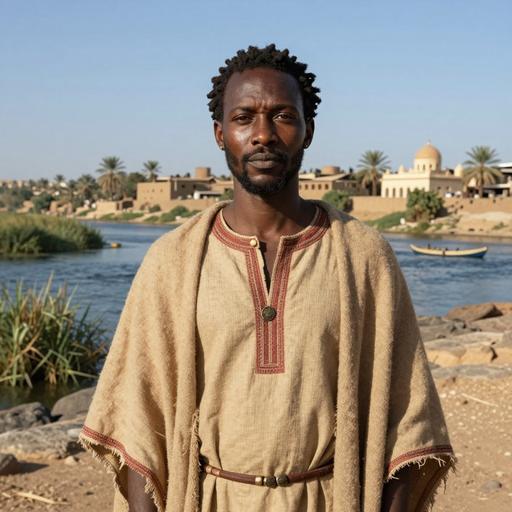
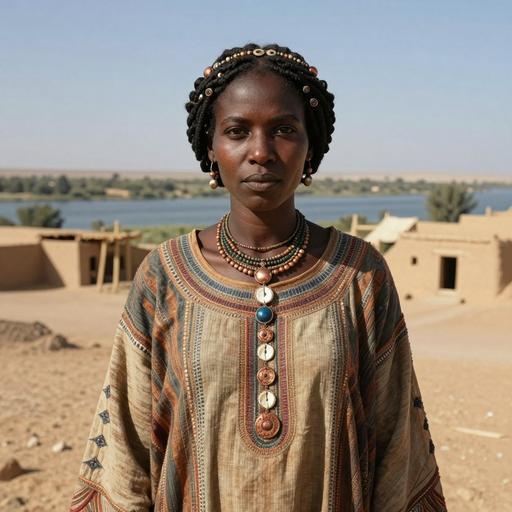
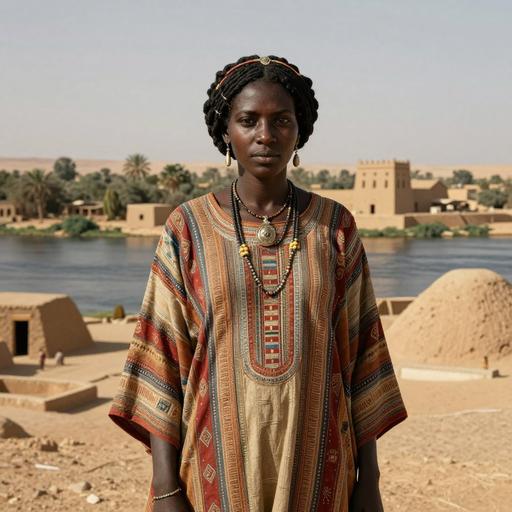
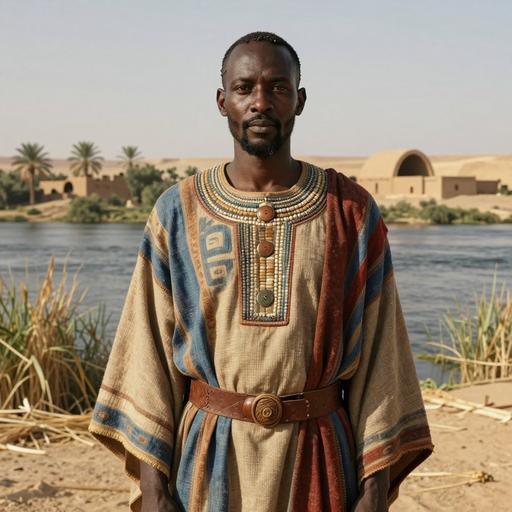
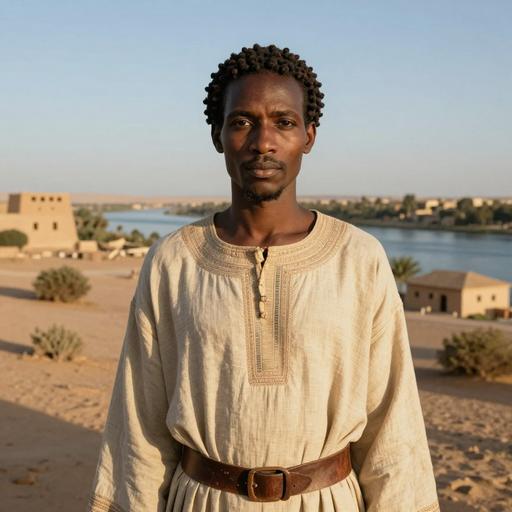
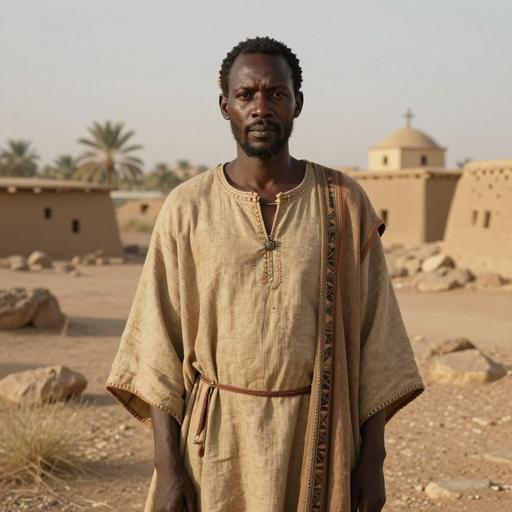
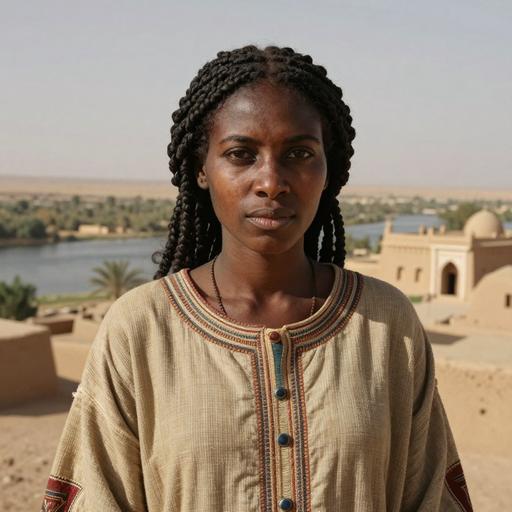
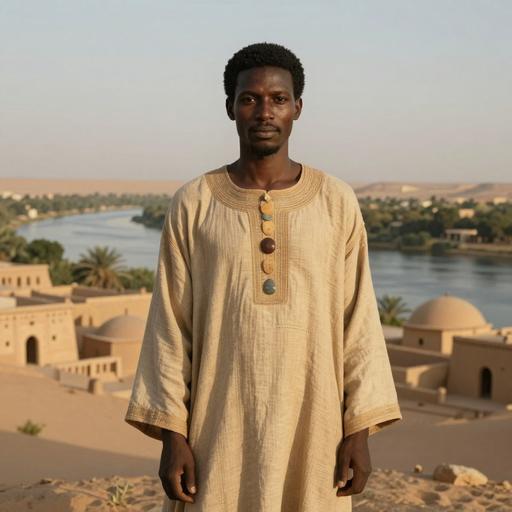
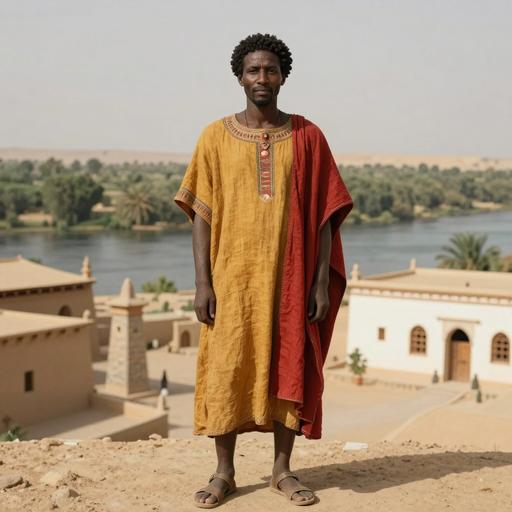
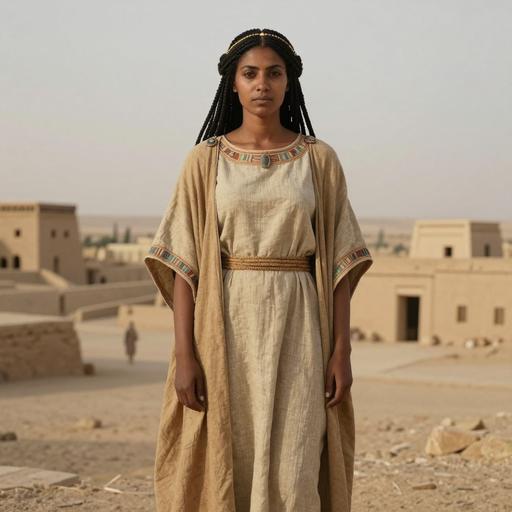
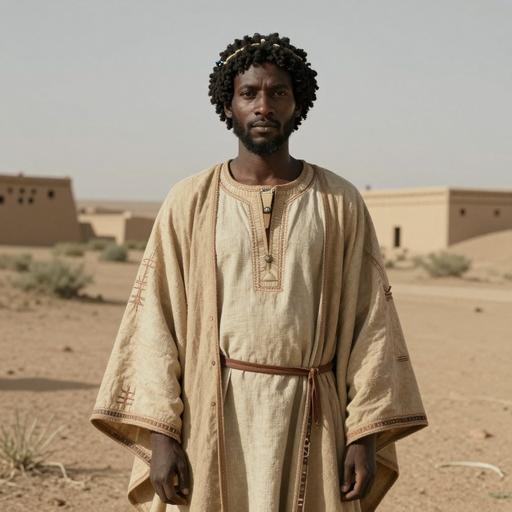
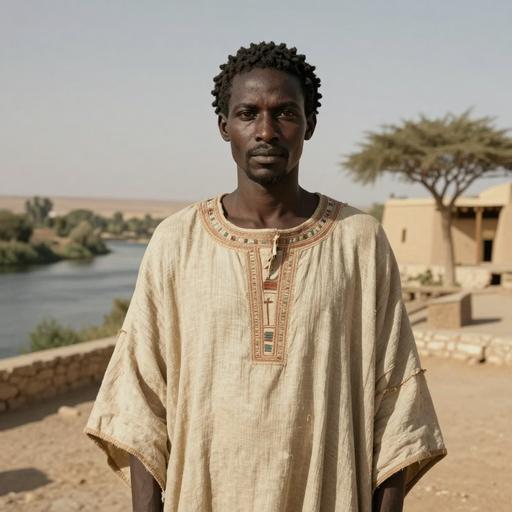
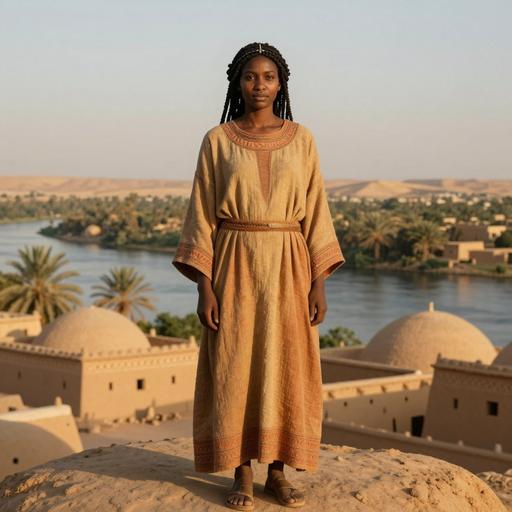
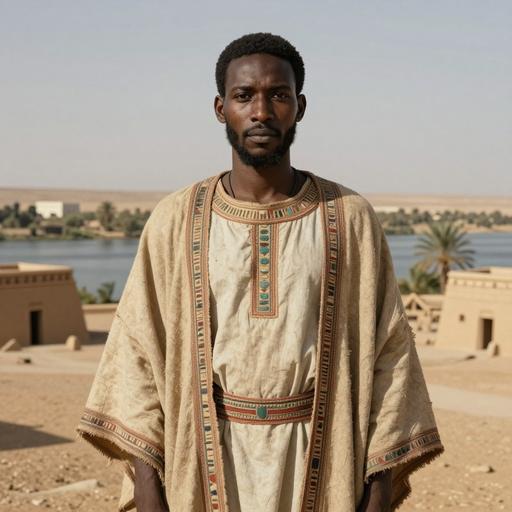
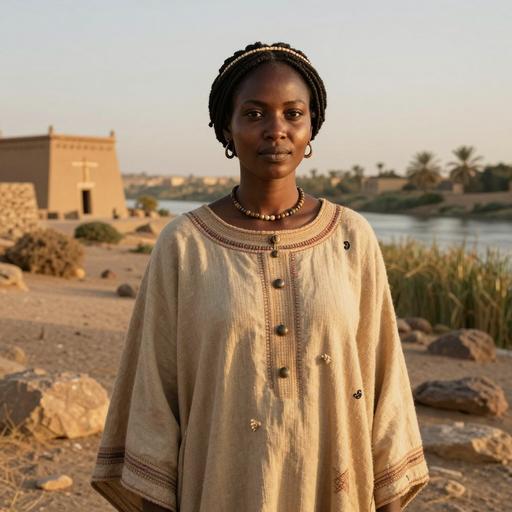
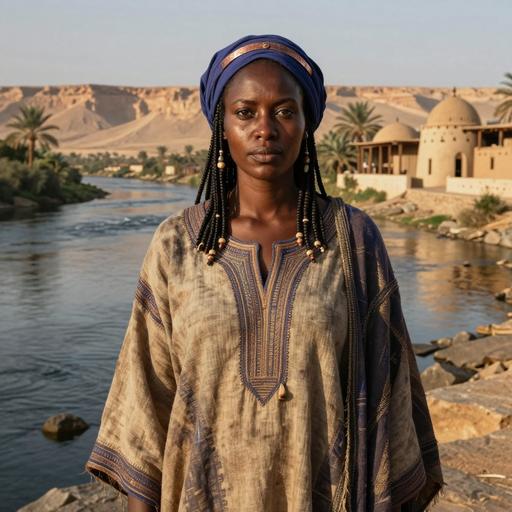
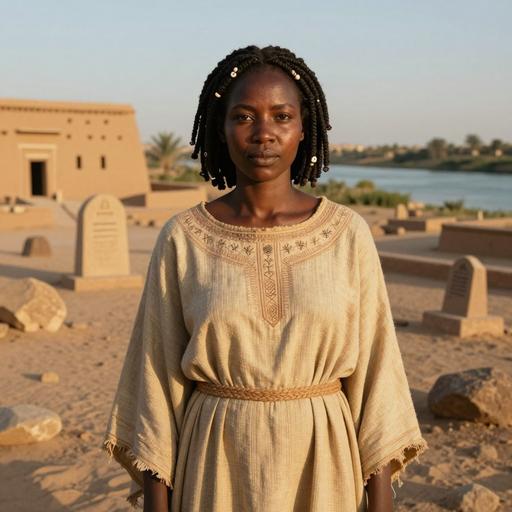
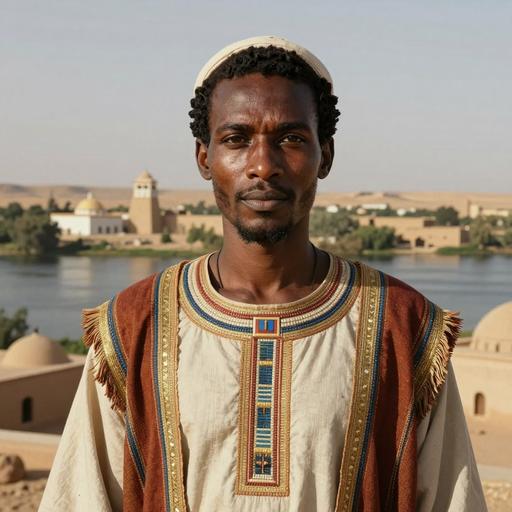
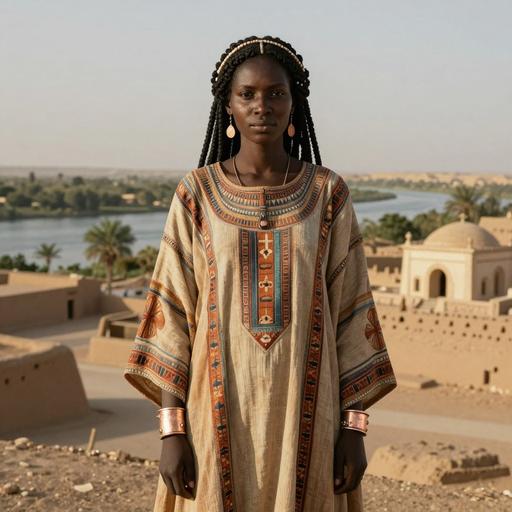
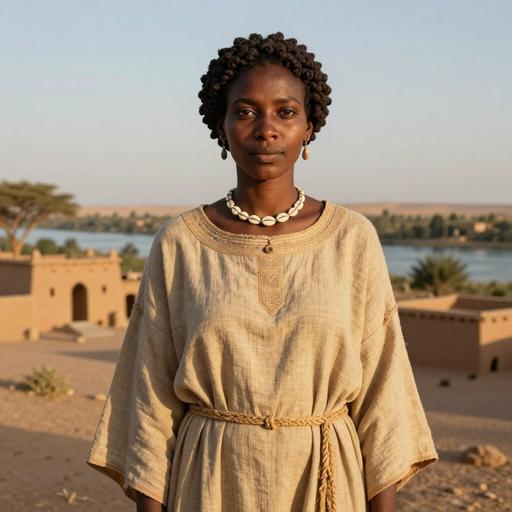
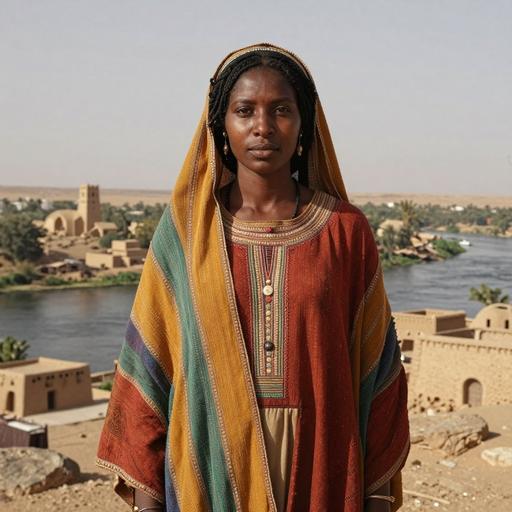
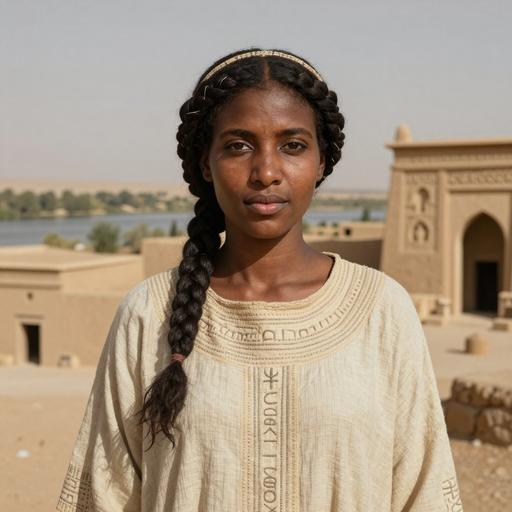
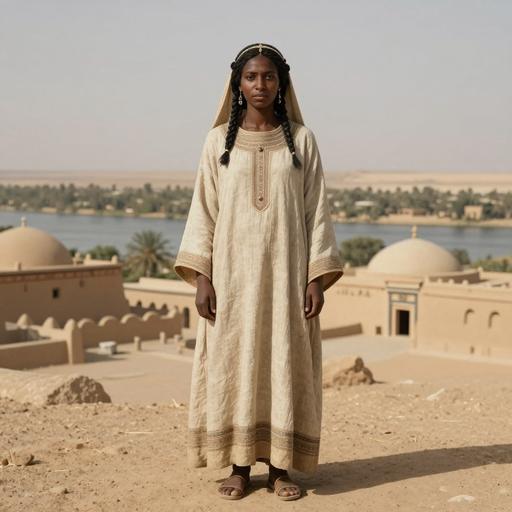
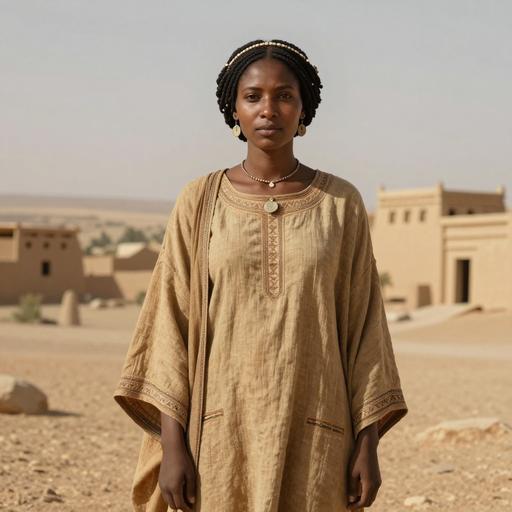
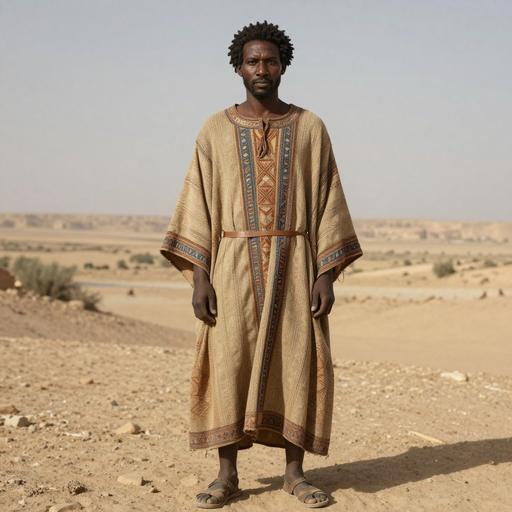
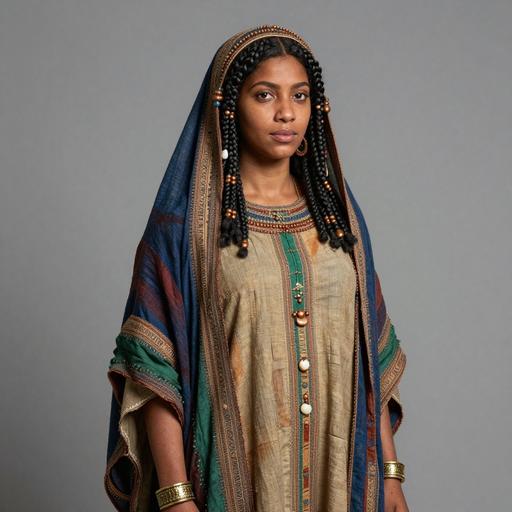
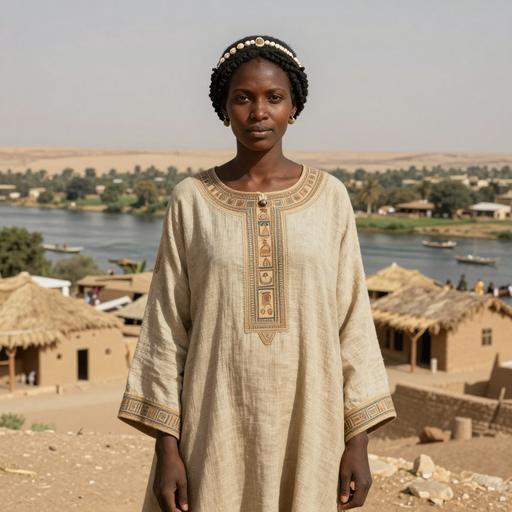
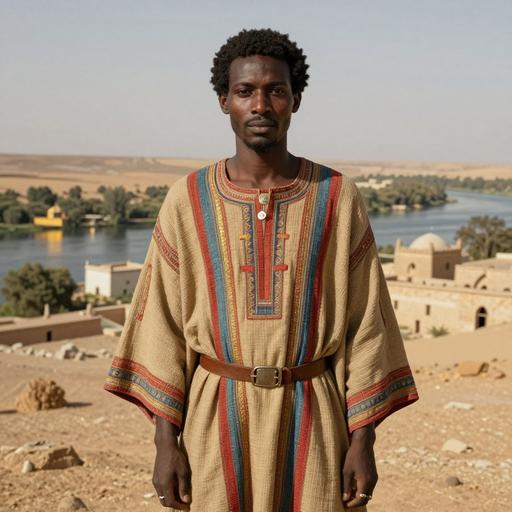
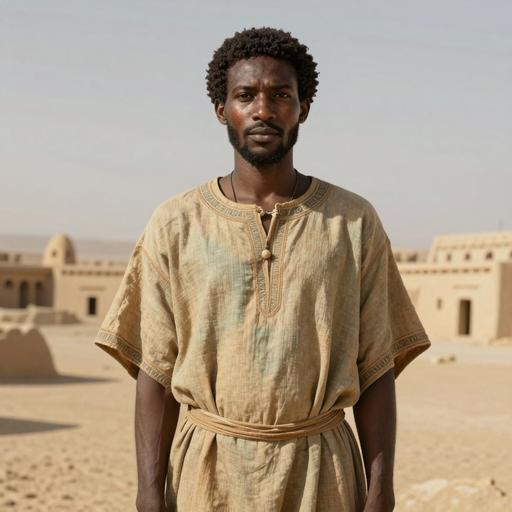
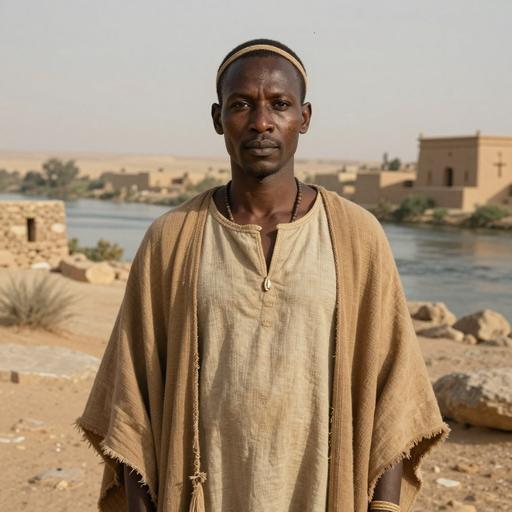
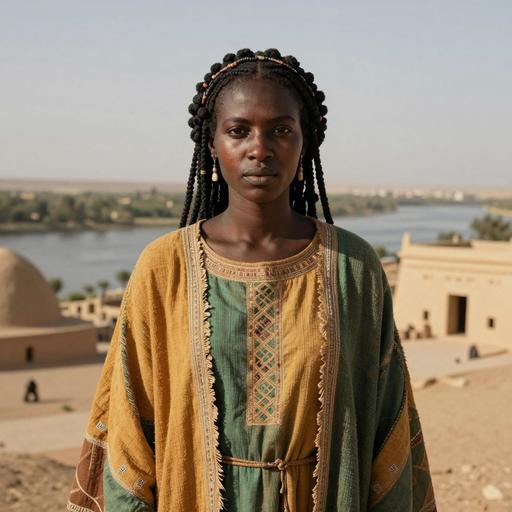
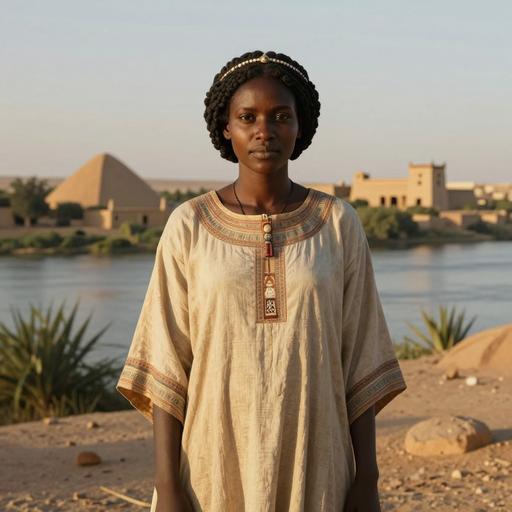
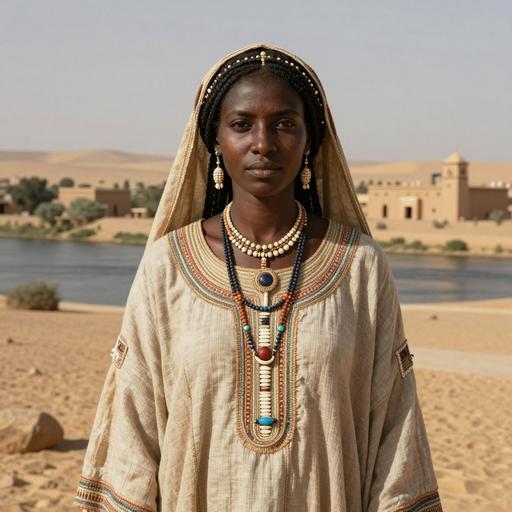
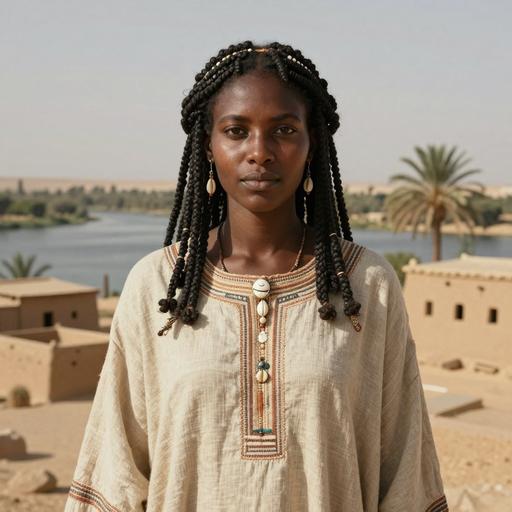
Life in medieval Nubia unfolded in the dramatic light of the Nile: seasonal floods shaped fields and diets, while stone churches and mudbrick houses framed village life. Excavations at Kulubnarti reveal cemeteries with varied burial practices, grave goods, and skeletal evidence that together sketch a world of farmers, craftsmen, and river traders. Archaeological indicators — pottery styles, metalwork fragments, and domestic architecture — argue for communities that balanced local craft traditions with imported items brought by long-distance exchange.
Osteological and burial data indicate a society attentive to both communal and individual identity: variations in grave orientation, artifact assemblages, and tomb construction reflect social differences and changing religious expression across centuries. Archaeological data indicate periodic episodes of disruption and renewal — possibly linked to climatic variability, shifting trade networks, and political transformations — but also remarkable cultural resilience. Textiles, iconography in churches, and funerary architecture conjure a vivid cultural world in which Christian ritual, Nile-based agriculture, and interregional commerce converged.
Limited evidence from non-elite contexts highlights the need for more targeted excavation: some aspects of household economy and gendered labor remain under-documented. Still, the combined archaeological record from Kulubnarti and nearby sites offers a cinematic, human-scale portrait of daily life that complements genetic insights into ancestry and mobility.



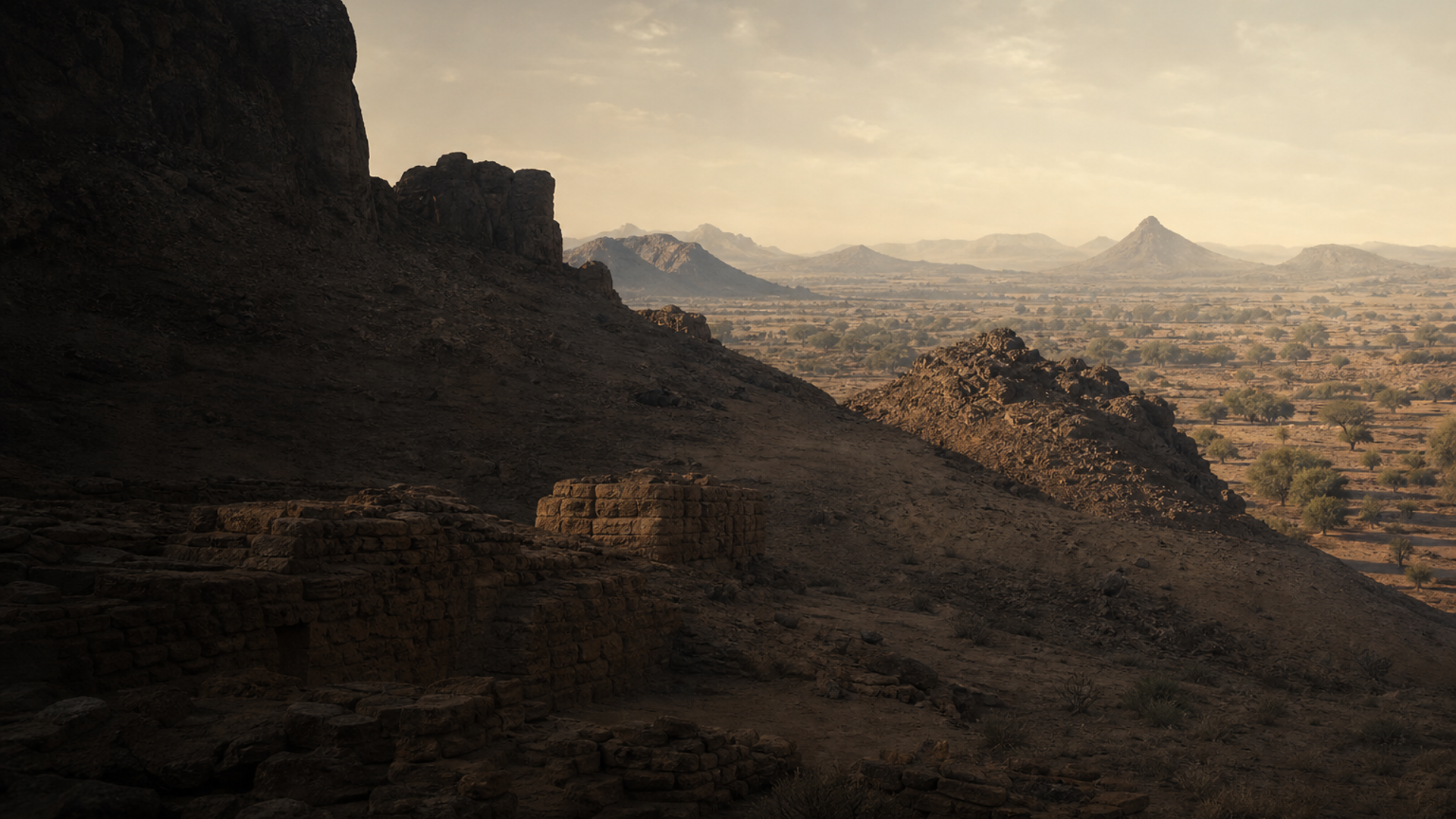
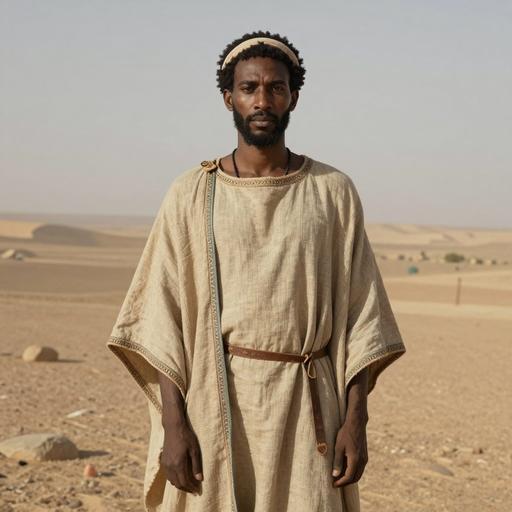
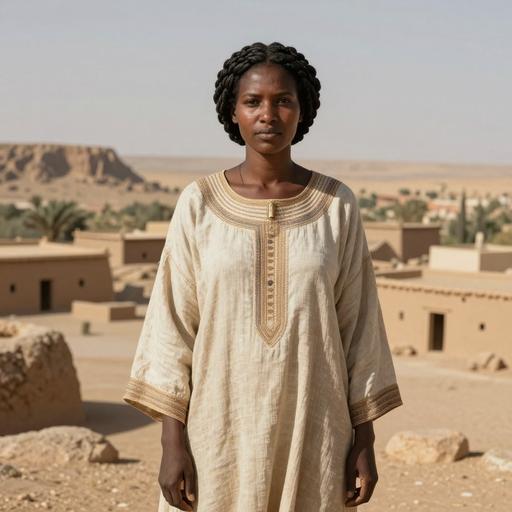
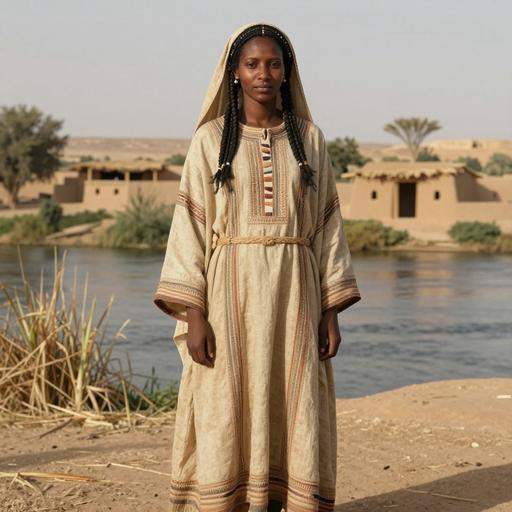
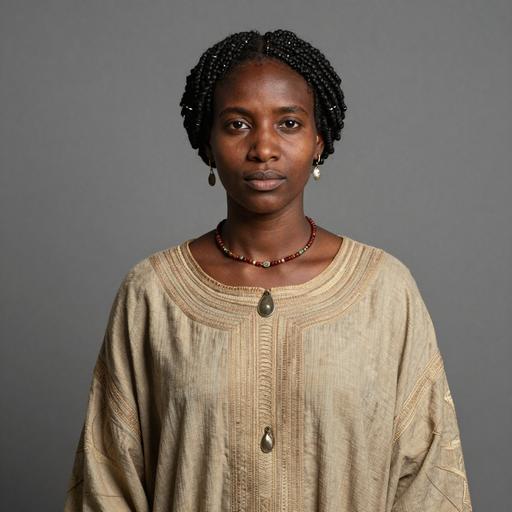
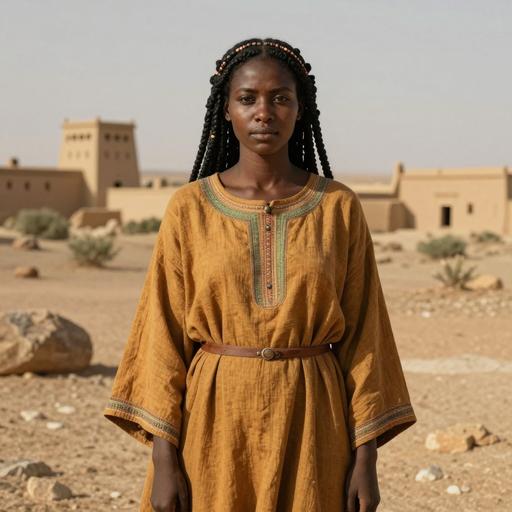
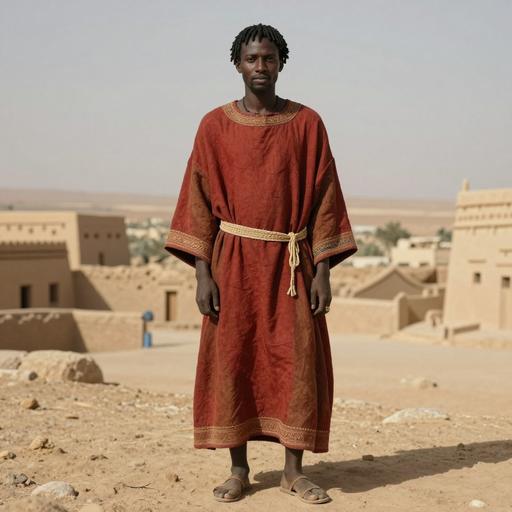
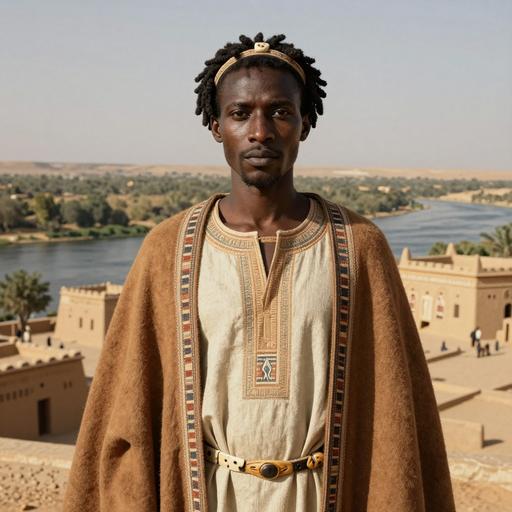
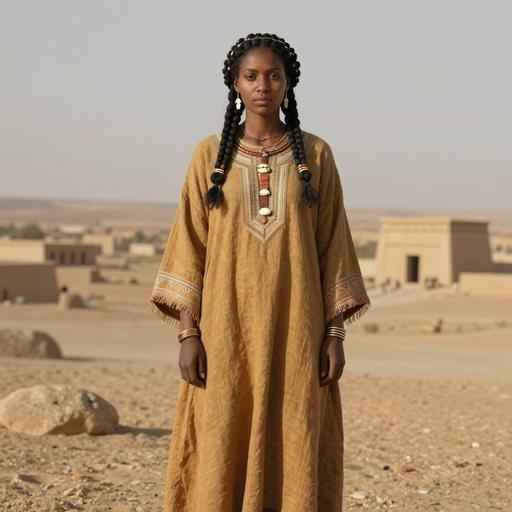
![Portrait of ancient individual I6326 from Sudan, dated 676-773 calCE (1272±12 BP) [R_combine: (1260±22 BP, UGAMS-34409), (1250±25 BP, PSUAMS-3908), (1285±15 BP, PSUAMS-4253)]](https://dgwebcontent.blob.core.windows.net/content/ancestry/ancient/img/individuals/v1_Xd0Nlyl2VkAH-I6326.jpg)
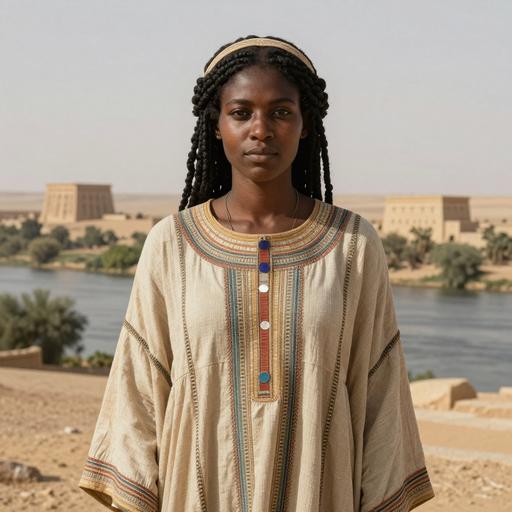

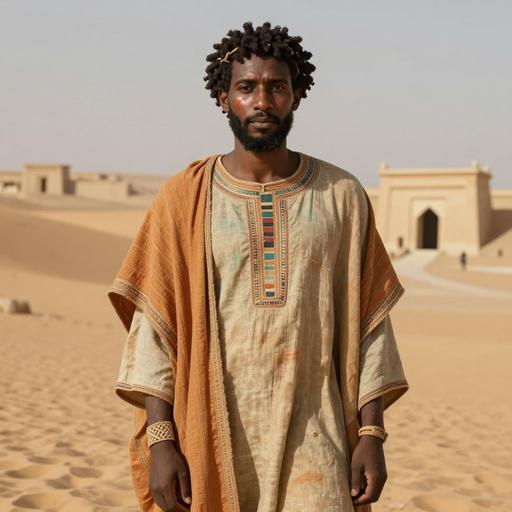
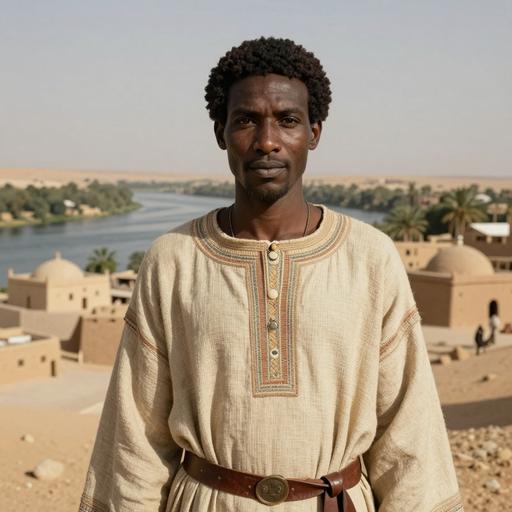
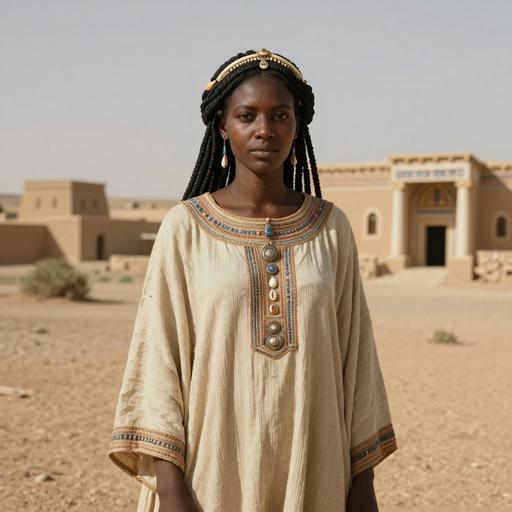
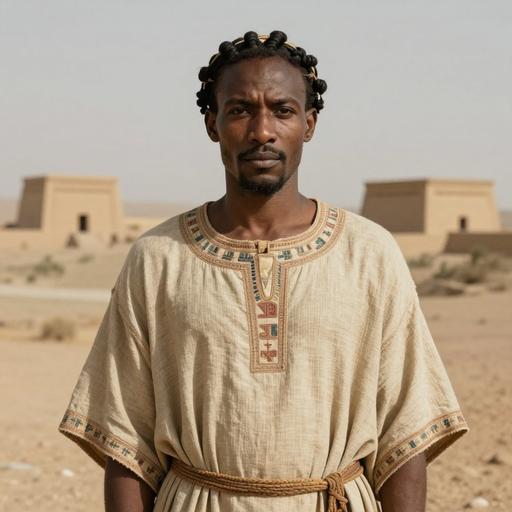
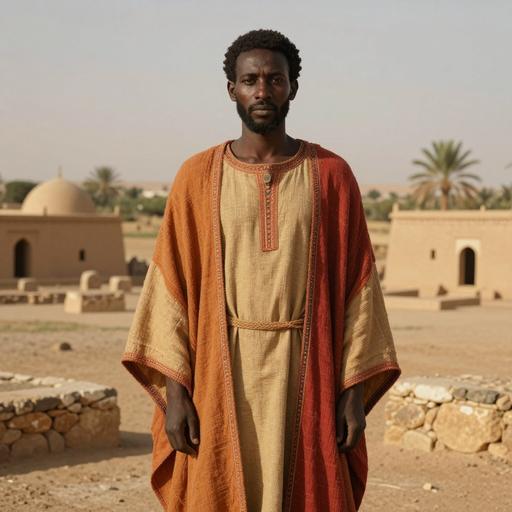
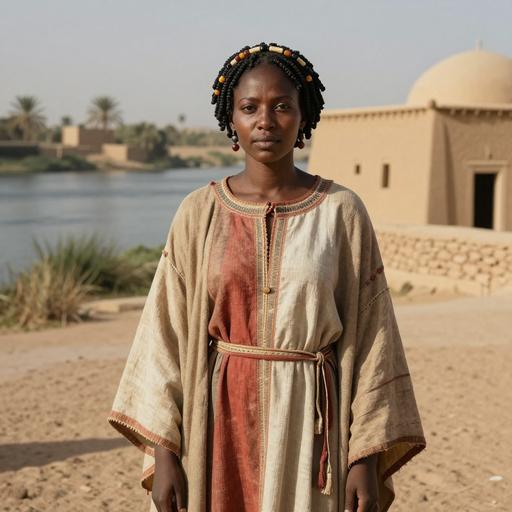
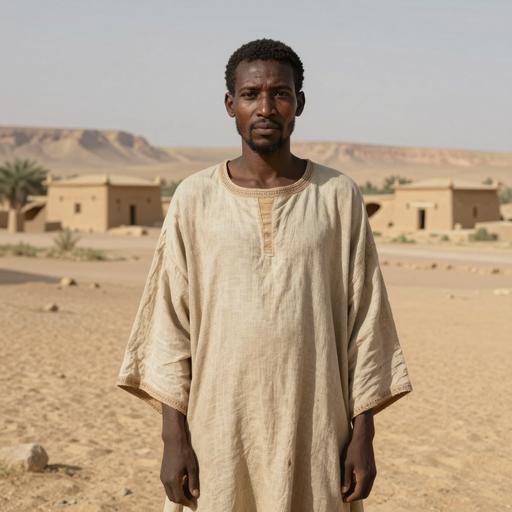
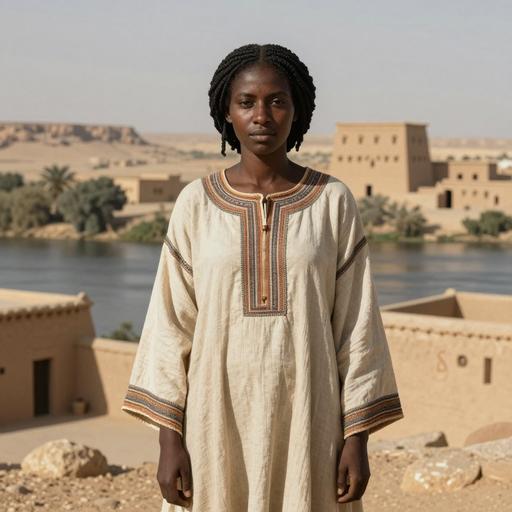
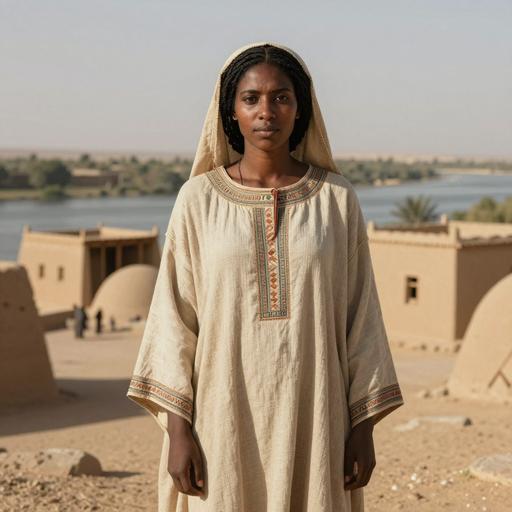
![Portrait of ancient individual I6331 from Sudan, dated 784-879 calCE (1213±13 BP) [R_combine: (1210±22 BP, UGAMS-34395), (1215±15 BP, PSUAMS-4594)]](https://dgwebcontent.blob.core.windows.net/content/ancestry/ancient/img/individuals/v1_ersSkjKy9ruV-I6331.jpg)
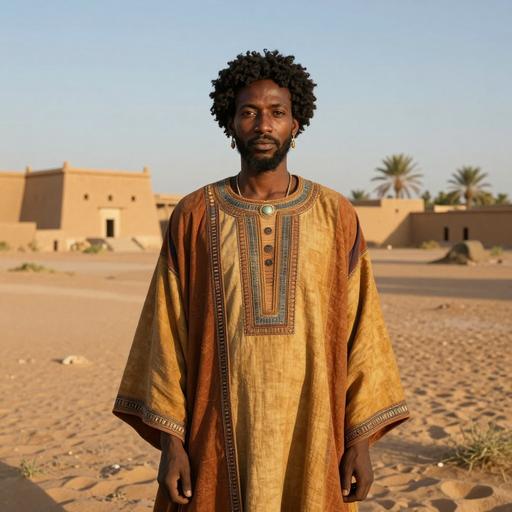
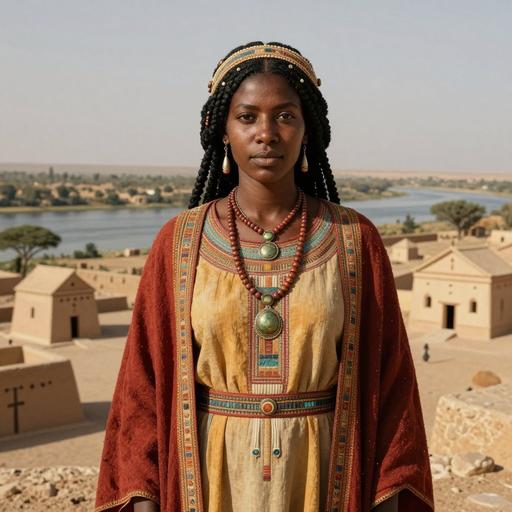

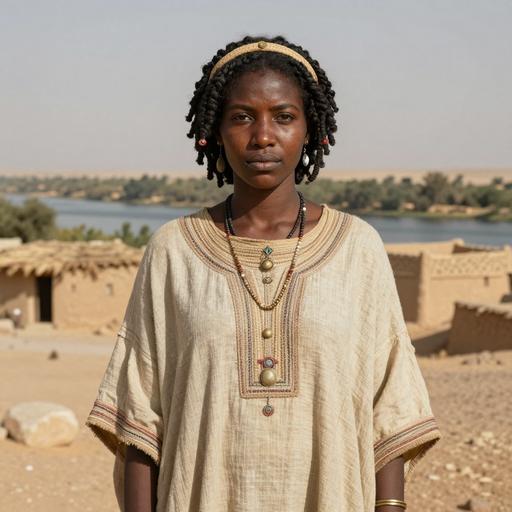
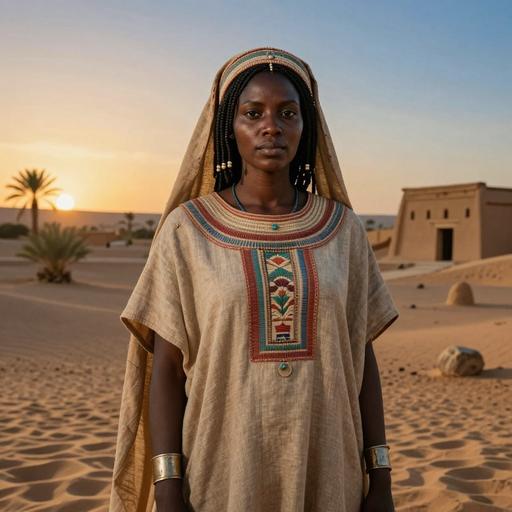
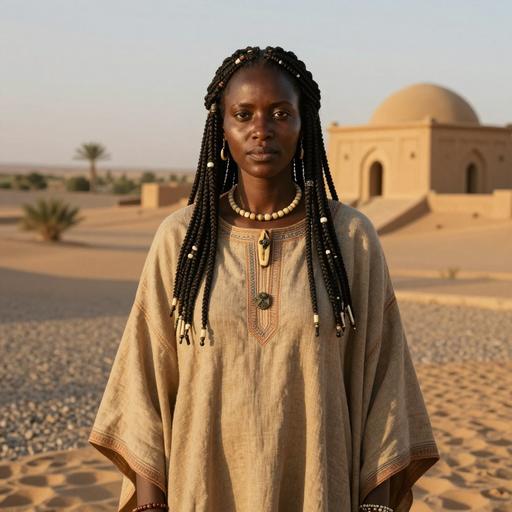
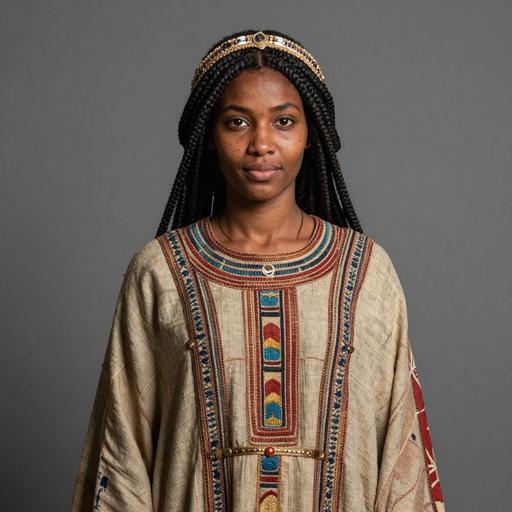

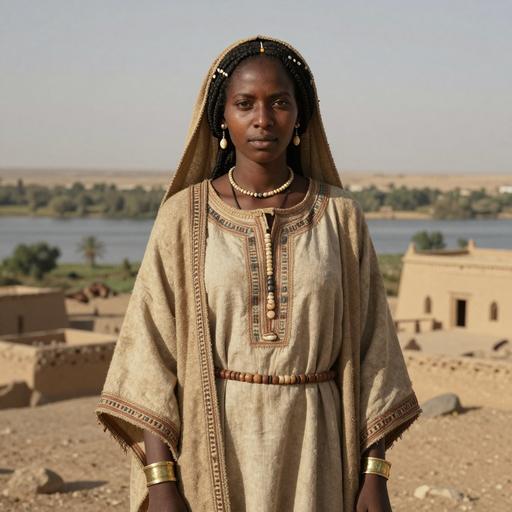
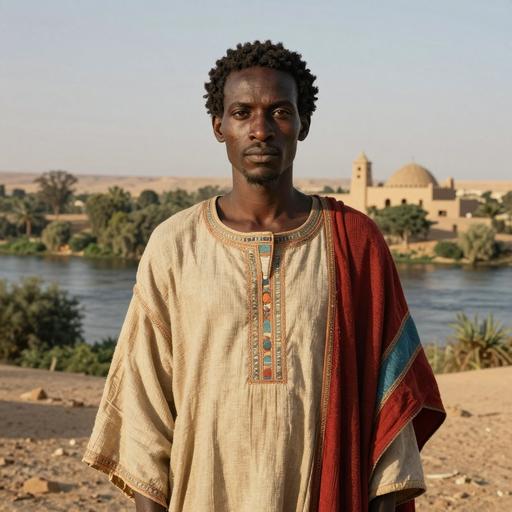
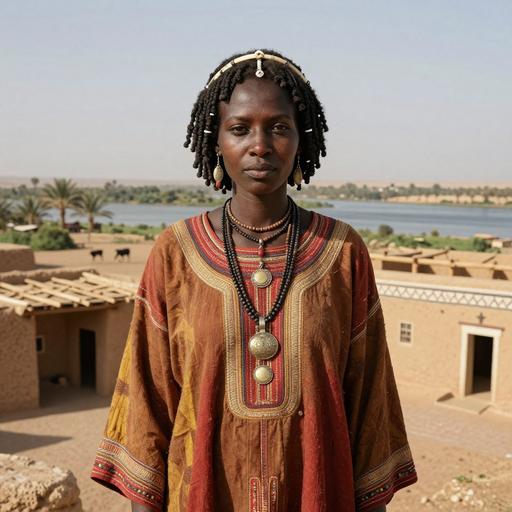
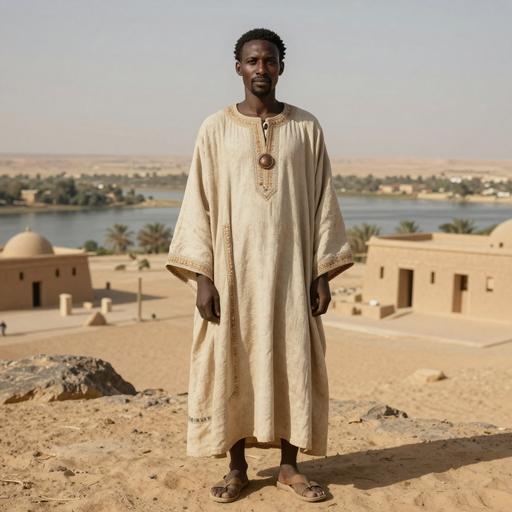
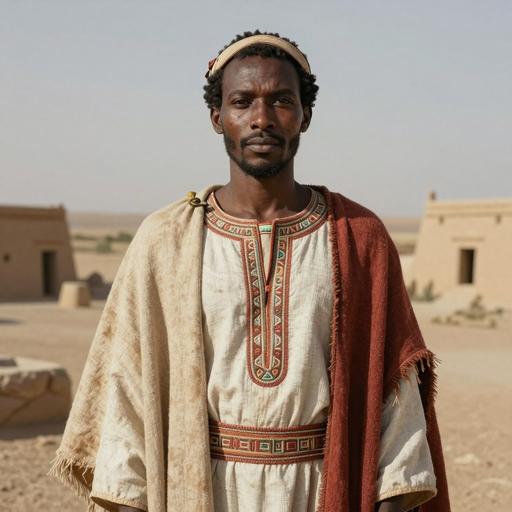
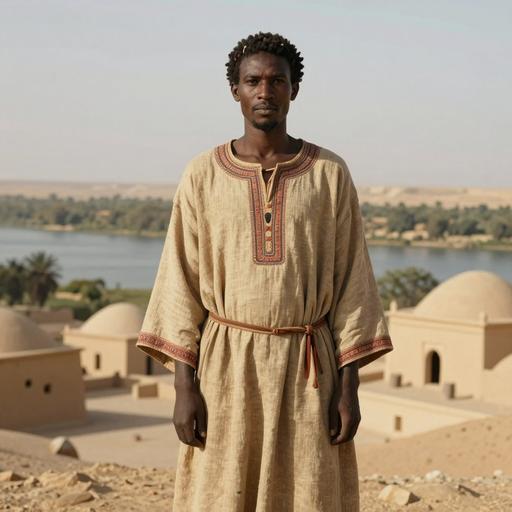
![Portrait of ancient individual I6251 from Sudan, dated 774-884 calCE (1200±13 BP) [R_combine: (1220±22 BP, UGAMS-34384), (1190±15 BP, PSUAMS-4593)]](https://dgwebcontent.blob.core.windows.net/content/ancestry/ancient/img/individuals/v1_2rsQb8Y6eMwN-I6251.jpg)