Menu
Store
Blog
Southeast Amazonia, Brazil (Palmeiras‑Xingu)

Palmeiras‑Xingu Sambaqui (c. 500 BP)

A single late sambaqui burial speaks to coastal‑river life in Southeast Amazonia before European contact

1426 CE - 1485500 CE
Scroll to begin
Chapter I

The Story

Understanding the Palmeiras‑Xingu Sambaqui (c. 500 BP) culture

Archaeological and genetic evidence from a Palmeiras‑Xingu sambaqui burial (dated 1426–1485 CE) ties shell‑mound life in Southeast Amazonia to Indigenous genetic lineages (Y‑DNA Q, mtDNA B). Limited sample size makes conclusions preliminary but evocative of regional continuity.

Time Period

1426–1485 CE (≈500 BP)

Region

Southeast Amazonia, Brazil (Palmeiras‑Xingu)

Common Y-DNA

Q (1 sample)

Common mtDNA

B (1 sample)

Chapter II

Timeline

Key moments in the history of this culture

3000 BCE

Early sambaqui construction begins

Shell‑mound building appears in parts of coastal Brazil, initiating long‑lived midden traditions.

1455 CE

Palmeiras‑Xingu burial dated

Radiocarbon evidence places the sampled individual between 1426–1485 CE, a late precontact context in Southeast Amazonia.

1500 CE

Onset of broader European contact

European incursions into the region begin to reshape demographic and cultural landscapes in subsequent centuries.

Chapter III

Origins & Emergence

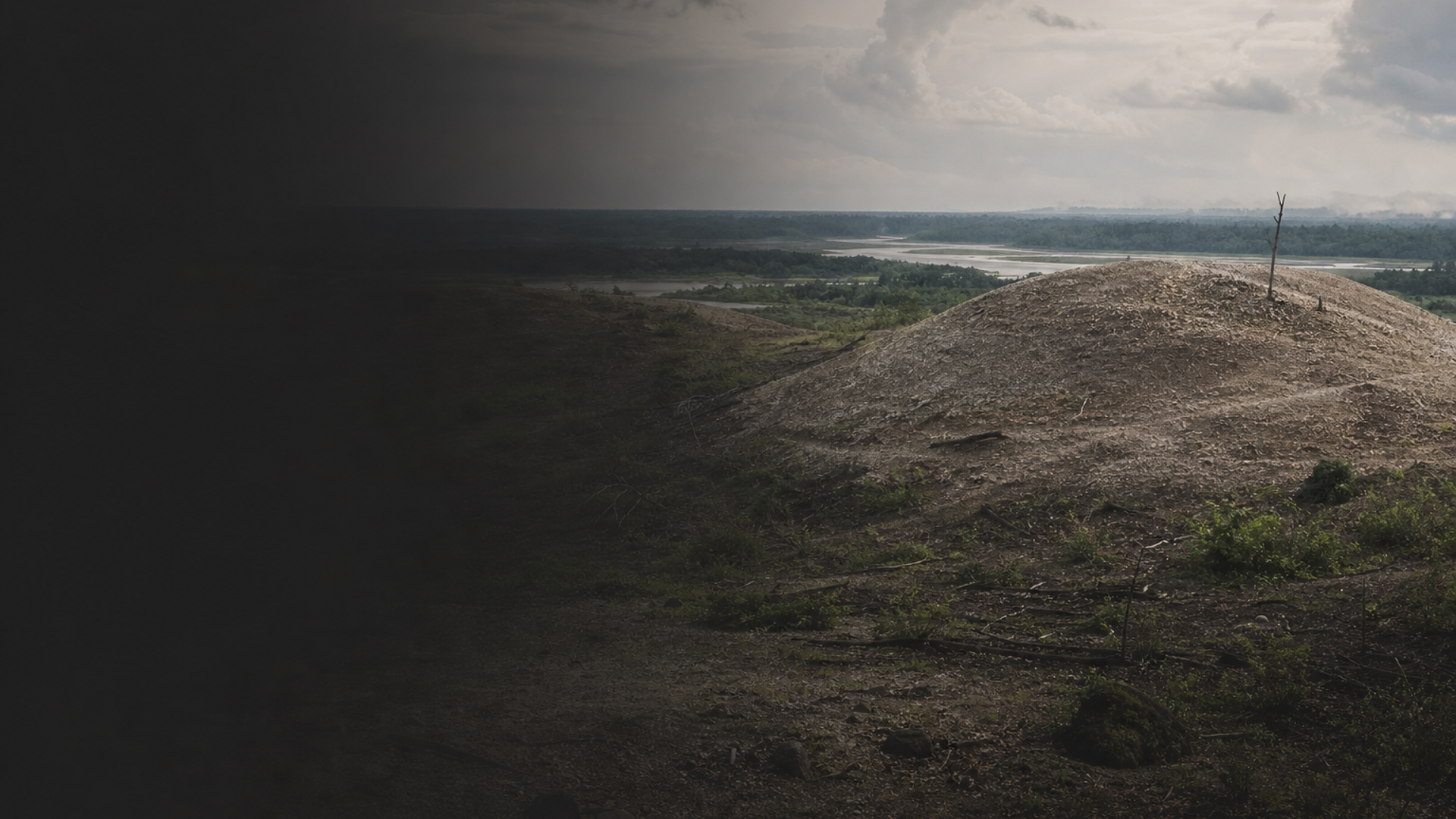
Rising from tides and river bends, sambaquis are mortarless monuments of daily life: layered shells, bones, and hearths that record centuries of coastal and riverine economies. The Palmeiras‑Xingu find lies within the broader Sambaqui tradition that shaped Brazil's Atlantic and Amazonian margins for millennia. Archaeological data indicates sambaqui construction in Southeast Amazonia spans many centuries; some regional mound systems began as early as the mid‑Holocene, while others persisted into the late precontact period.

The Palmeiras‑Xingu burial—radiocarbon dated to 1426–1485 CE—represents a late expression of these mound traditions in an interior‑coastal setting. Site contexts (shell matrix, faunal refuse, and burial placement) suggest sustained exploitation of riverine resources and localized mound maintenance. Limited evidence from this single individual makes broad claims about population origins tentative: this specimen should be read as one luminous thread in a larger, still‑fragmentary tapestry. Ongoing excavations at nearby sambaquis (and comparative stratigraphic work) are needed to place Palmeiras‑Xingu within regional sequences and to test whether its funerary customs reflect long‑term continuity or more recent social transformations.

  • Sambaqui tradition spans millennia along Brazil's coasts and rivers
  • Palmeiras‑Xingu sample dated 1426–1485 CE, a late precontact context
  • Single sample limits broad inferences about population origins
Chapter IV

Daily Life & Society

Archaeological impressions of sambaqui lifeways are cinematic: hearth smoke rising over shell terraces, fish and crab remains scattered beside stone tools, and burials interred within accumulated midden. At Palmeiras‑Xingu, the depositional context—compact shell layers interspersed with charcoal and bone—indicates recurrent meal deposits, tool maintenance, and episodic ceremonial use of mound spaces. Faunal assemblages from comparable sambaquis show heavy reliance on aquatic resources (fish, mollusks, and turtle), supplemented by hunted terrestrial game and gathered plant foods.

Burial positions, grave goods, and mound placement in the region vary; the Palmeiras‑Xingu individual was recovered in a context consistent with other late sambaqui interments, though preservation and recovery methods influence interpretation. Archaeological data indicates complex social practices: communal labor to build mounds, potentially ranked or kin‑based burial plots, and ritualized reuse of midden deposits. Ethnohistoric analogies and regional settlement patterns hint at flexible mobility—seasonal fishing camps and longer occupation nodes—rather than a single, uniform lifestyle. However, because we have only one well‑sampled individual from Palmeiras‑Xingu, reconstructions of household economy and social ranking must remain cautious and provisional.

  • Diet focused on riverine and coastal resources; shellfish and fish common
  • Mounds functioned as living spaces, refuse heaps, and ritual/burial areas
Chapter V

Genetic Profile

The genetic signal from the Palmeiras‑Xingu sambaqui is both clear in type and modest in scope: a single sampled individual carried Y‑DNA haplogroup Q and mtDNA haplogroup B. These lineages are well‑documented among Indigenous peoples of the Americas—Q as a predominant paternal lineage and B among major maternal clades in South America—so the findings align with expectations for precontact Amazonian populations.

Crucially, sample count = 1. With only one genome, conclusions about population structure, continuity, or local diversity remain preliminary. Archaeogeneticists therefore frame this result as a point of concordance with broader patterns rather than definitive proof of local demographic history. Possible interpretations include: regional genetic continuity with other Amazonian groups, male‑line persistence of Q in the Xingu drainage, and maternal connections to widespread B lineages.

Future sampling across multiple sambaqui burials and comparative analysis with contemporaneous inland and coastal genomes will test whether Palmeiras‑Xingu represents a local genetic microcosm or participates in wider networks of kinship and exchange. Isotopic studies paired with additional aDNA could reveal mobility, diet, and marriage practices—key threads linking genes to lifeways in cinematic detail.

  • Y‑DNA Q and mtDNA B fit broader Native American lineage distributions
  • With only one sample, genetic inferences about population structure are preliminary
Chapter VI

Legacy & Modern Connections

Sambaqui mounds remain visible signatures on the Amazonian landscape—palimpsests of meals, deaths, and memory. The Palmeiras‑Xingu genetic snapshot, though singular, contributes to a growing archive tying modern Indigenous diversity to ancient lifeways along rivers and coasts. Archaeological continuity in mound architecture and material culture across centuries suggests cultural resilience, while genetic signals like haplogroups Q and B resonate with lineages still present among many Indigenous groups today.

Because direct ancestral claims require larger comparative datasets, researchers stress respectful collaboration with descendant communities when interpreting genetic results. The true legacy of Palmeiras‑Xingu is twofold: it underscores the deep antiquity of Amazonian social landscapes, and it highlights the urgent need for expanded, ethically‑conducted sampling to illuminate the human stories written in shell and bone.

  • Sambaqui landscapes testify to long‑term occupation and cultural resilience
  • Genetic links suggest continuity with broader Indigenous lineages, but require more data
AI Powered

AI Assistant

Ask questions about the Palmeiras‑Xingu Sambaqui (c. 500 BP) culture

AI Assistant by DNAGENICS

Unlock this feature
Ask questions about the Palmeiras‑Xingu Sambaqui (c. 500 BP) culture. Our AI assistant can explain genetic findings, historical context, archaeological evidence, and modern connections.
Sample AI Analysis

The Palmeiras‑Xingu Sambaqui (c. 500 BP) culture represents a fascinating chapter in human history...

Genetic analysis reveals connections to earlier populations while showing evidence of unique adaptations and cultural innovations. The ancient DNA samples provide insights into migration patterns, social structures, and the biological relationships between ancient populations.

This is a preview of the AI analysis. Unlock the full AI Assistant to explore detailed insights about:

  • Genetic composition and ancestry
  • Migration patterns and origins
  • Daily life and cultural practices
  • Modern genetic legacy
Use code for 35% off Expires May 21