Menu
Store
Blog
Pampas, Argentina (Arroyo Seco II)

Pampas Echoes: Arroyo Seco II (7200 BP)

A fleeting Holocene camp in Argentina whose bones whisper of deep maternal lines

5462 CE - 50007200 BCE
Scroll to begin
Chapter I

The Story

Understanding the Pampas Echoes: Arroyo Seco II (7200 BP) culture

Early Holocene hunter-gatherers at Arroyo Seco II (c. 5462–5000 BCE) leave archaeological traces and two ancient genomes showing mtDNA C1c and Y haplogroups P and Q. Limited samples suggest continuity with Southern Cone maternal lineages but conclusions remain preliminary.

Time Period

c. 5462–5000 BCE (≈7200 BP)

Region

Pampas, Argentina (Arroyo Seco II)

Common Y-DNA

P, Q

Common mtDNA

C1c

Chapter II

Timeline

Key moments in the history of this culture

5462 BCE

Occupation at Arroyo Seco II (c. 5462 BCE)

Radiocarbon-dated human activity at Arroyo Seco II indicates early Holocene seasonal occupation and burials in the Pampas. Genetic sampling from the site yields mtDNA C1c and Y haplogroups P and Q.

Chapter III

Origins & Emergence

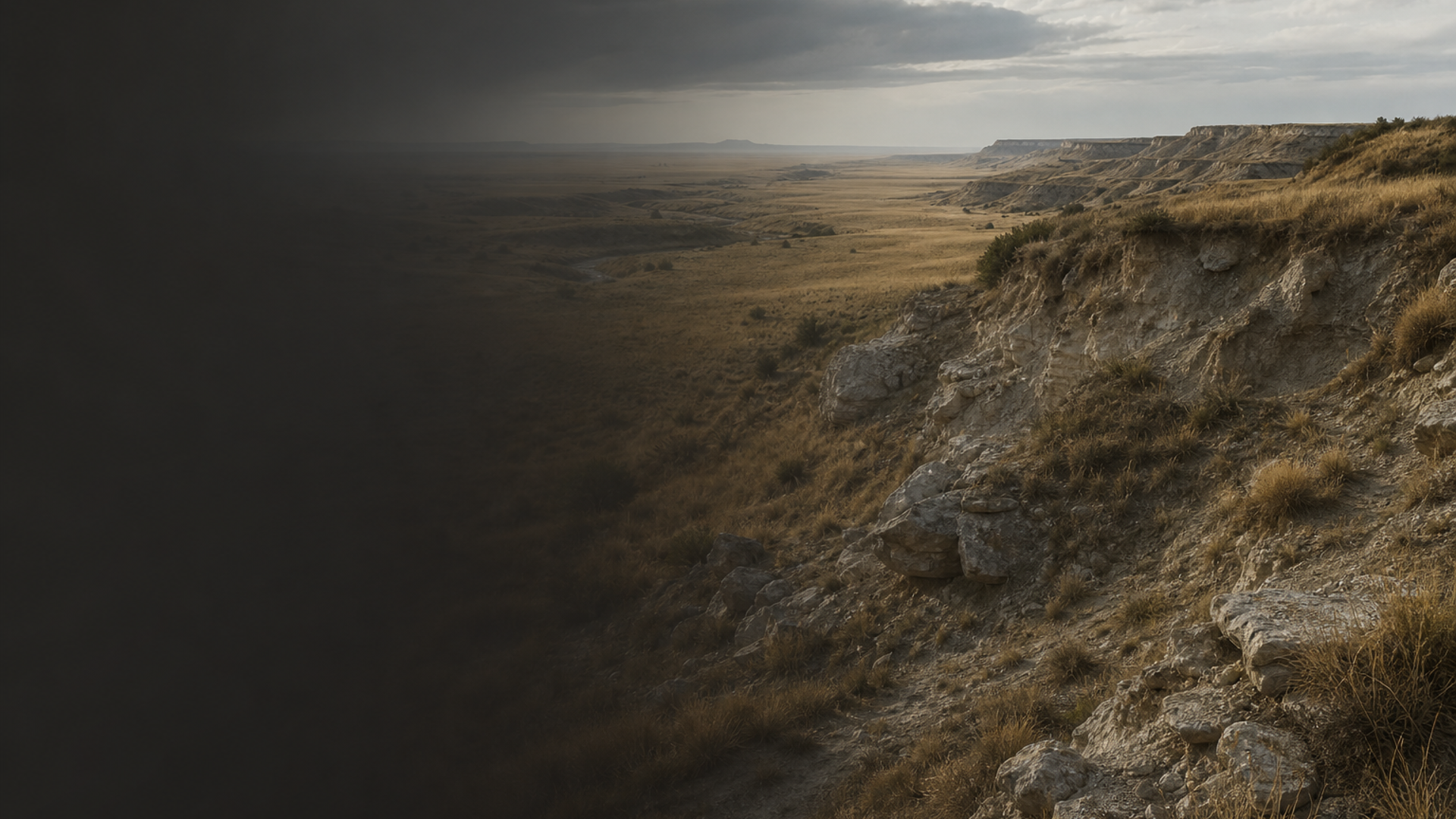
Arroyo Seco II sits in the grassed lowlands of the Argentine Pampas, an open-air locus of human activity during the early Holocene. Radiocarbon dates from stratified deposits place occupation in the window between roughly 5462 BCE and 5000 BCE (about 7200 years before present). Archaeological data indicates repeated short-term camps: lithic scatters, hearth features, and human remains that together sketch a picture of mobile hunter-gatherer groups exploiting riverine and grassland resources.

The environment after the Last Glacial Maximum was changing — warming climates and shifting faunal assemblages opened new ecological niches across the Southern Cone. Limited evidence suggests Arroyo Seco II was part of a broader network of seasonal loci rather than a single sedentary settlement. Material culture is characterized by locally made stone tools; however, regional connections are plausible through raw-material sourcing and tool styles. Genetic data from two individuals recovered at the site provide an additional lens on origin narratives: both carry the maternal lineage C1c, a branch known from early South American contexts, while paternal assignments include Q and P. These genetic signals align with models of early peopling that emphasize multiple dispersal corridors into South America and subsequent localized diversification. Because the sample size is extremely small, interpretations about population origins remain tentative and highlight the need for more integrated archaeological and genomic sampling across the Pampas and adjacent regions.

  • Occupied during the early Holocene (c. 5462–5000 BCE)
  • Likely seasonal, mobile camps exploiting riverine and grassland resources
  • Archaeology and genetics together suggest early Southern Cone maternal continuity
Chapter IV

Daily Life & Society

Life at Arroyo Seco II would have been organized around mobility and the rhythms of the Pampas. Archaeological remains—stone tools, hearths, and isolated burials—indicate practical toolkits for processing meat, plant foods, and hides. Faunal remains recovered in nearby early Holocene contexts show exploitation of small- and medium-sized mammals, birds, and fish from tributary streams, suggesting a mixed foraging economy adapted to seasonal abundance. Hearths and concentrated lithic debris point to episodic occupations: groups likely moved between river corridors and open plains in predictable seasonal rounds.

Social organization is inferred from burial placement and the presence of grave goods in similar sites, which imply small kin-based groups with shared territorial knowledge. The presence of consistent mtDNA C1c across the two sampled individuals hints at matrilineal continuity at the local scale, though that signal comes from very limited data. Technological behaviors—flake production, tool maintenance, and the probable recycling of raw material—reveal an economy optimized for mobility. Cultural transmission probably relied on close networks of exchange across the Pampas and into neighboring ecological zones. Archaeological evidence indicates flexibility and resilience rather than large, permanent villages: a human story written in hearth-stone and blade, and encoded faintly in ancient genomes.

  • Mixed foraging economy: riverine fish, birds, mammals, and plant foods
  • Mobility and small kin groups shaped daily life and toolkits
Chapter V

Genetic Profile

Ancient DNA from two individuals at Arroyo Seco II provides a rare genetic snapshot of early Holocene inhabitants of the Southern Cone. Both individuals share mitochondrial haplogroup C1c, a maternal lineage observed in other early and later populations of South America and consistent with a deep-rooted maternal ancestry in the region. The recurrence of C1c in both samples suggests local maternal continuity, but with only two genomes this inference is preliminary.

Y-chromosome assignments include haplogroup Q in one individual and P in the other. Haplogroup Q is a well-documented paternal lineage among Native American populations and aligns with expectations for early South American males. The call of P for the second individual could reflect a less-resolved or upstream assignment in low-coverage data—haplogroup P is the wider clade that ancestrally contains Q and R—or it might indicate a rare or divergent paternal lineage. Archaeological context combined with these genetic markers supports models in which early colonizing groups carried a subset of founding maternal lineages while paternal diversity fluctuated regionally.
Caveats: the sample count is very low (n=2), so population-level conclusions are tentative. Additional well-preserved genomes from Arroyo Seco II and surrounding sites are necessary to clarify the extent of maternal continuity, the frequency of paternal lineages, and the relationship of these people to later Indigenous groups across Patagonia and the Pampas.

  • Both samples carry mtDNA C1c, suggesting maternal continuity (preliminary)
  • Y-DNA shows Q (expected in Americas) and P (possibly upstream call or rare lineage)
Chapter VI

Legacy & Modern Connections

Arroyo Seco II’s faint traces resonate into the present: maternal lineages like C1c appear in later southern South American populations, suggesting threads of continuity across millennia. Archaeological patterns of mobility, flexible resource use, and small-scale social units likely shaped the cultural landscapes later encountered by historic-era Indigenous groups in the Pampas and Patagonian fringe.

Genetic continuity should not be overstated given the tiny sample size. Nonetheless, these genomes contribute to a growing mosaic showing that the peopling of South America was complex, regionally differentiated, and capable of producing long-lived maternal lineages. Future interdisciplinary work—linking more genomes, isotopes, and detailed provenance studies of lithics and fauna—will clarify how Arroyo Seco II’s inhabitants fit into wider demographic processes, migration routes, and cultural exchanges across the Southern Cone.

  • C1c maternal lineages link early Holocene inhabitants to later Southern Cone groups
  • Current conclusions are tentative; more genomic and archaeological sampling needed
AI Powered

AI Assistant

Ask questions about the Pampas Echoes: Arroyo Seco II (7200 BP) culture

AI Assistant by DNAGENICS

Unlock this feature
Ask questions about the Pampas Echoes: Arroyo Seco II (7200 BP) culture. Our AI assistant can explain genetic findings, historical context, archaeological evidence, and modern connections.
Sample AI Analysis

The Pampas Echoes: Arroyo Seco II (7200 BP) culture represents a fascinating chapter in human history...

Genetic analysis reveals connections to earlier populations while showing evidence of unique adaptations and cultural innovations. The ancient DNA samples provide insights into migration patterns, social structures, and the biological relationships between ancient populations.

This is a preview of the AI analysis. Unlock the full AI Assistant to explore detailed insights about:

  • Genetic composition and ancestry
  • Migration patterns and origins
  • Daily life and cultural practices
  • Modern genetic legacy
Use code for 30% off Expires May 20



