Menu
Store
Blog
Poland_Poznan_IA Greater Poland (modern Poland)

Pre-Slavic Greater Poland

A long human story from Mesolithic lakeshores to medieval trade nodes, seen through archaeology and DNA

6814 BCE - 1287 CE
7 Ancient Samples
Scroll to begin
Chapter I

The Story

Understanding the Pre-Slavic Greater Poland culture

Archaeological and genetic evidence from 126 individuals (6814 BCE–1287 CE) across Greater Poland reveals deep continuity, local Iron Age cultures, and surprising genetic diversity. Data link sites such as Santok, Poznań-Śródka, and Sowinki to broader Eurasian networks.

Time Period

6814 BCE – 1287 CE

Region

Greater Poland (modern Poland)

Common Y-DNA

L (19), CTS (14), M (11), R (6), PF (6)

Common mtDNA

H (30), U (29), T (13), J (7), K (3)

Chapter II

Timeline

Key moments in the history of this culture

2500 BCE

Bronze–Iron Age transitions

Regional shifts in material culture and settlement patterns mark the lead-up to Iron Age identities around Poznań and Santok, visible archaeologically and reflected in genetic admixture signals.

Chapter III

Origins & Emergence

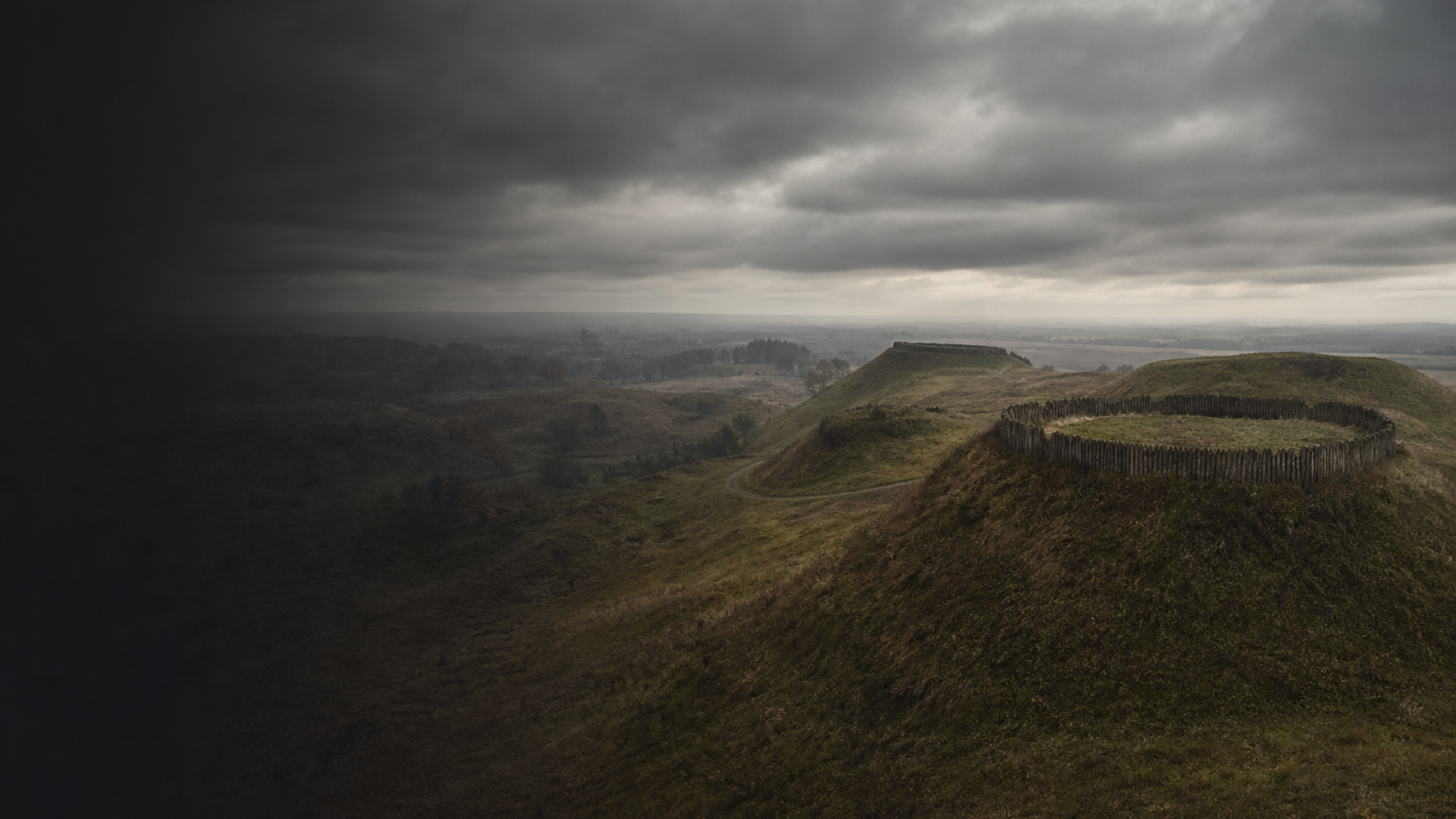
The Pre_Slavic assemblage from Greater Poland unfolds across a vast temporal canvas: early Mesolithic lakeshore foragers (sites such as Kamienskie) give way, intermittently, to Bronze and Iron Age communities clustered around Poznań, Santok, Rumin and Sowinki. Archaeological sequences at Poznań-Śródka and Santok reflect repeated occupation and re-use of riverine landscapes: trade routes along the Warta and Noteć rivers fostered continuity and cultural layering.

Material culture — pottery styles, burial rites, and settlement traces attributed by archaeologists to local Iron Age horizons (Poznań, Płońsk, Końskie, Lusatian-associated layers) — suggests a mosaic of related communities rather than a single homogeneous polity. Radiocarbon dates across the sample set (6814 BCE to 1287 CE) indicate long-term human presence with episodic demographic change.

Limited evidence suggests some population turnover during late Bronze–Iron Age transitions, but the archaeological record also shows strong local retention of craft traditions. In cinematic terms: peat-smoke and river mist conceal centuries of continuity and contact, where local groups adapted incoming influences into familiar lifeways. Archaeological data indicates that these emergent identities would later feed into the ethnogenesis narratives of early medieval Poland, although the archaeological picture remains complex and regionally varied.

  • Occupations span Mesolithic to late medieval (6814 BCE–1287 CE)
  • Key sites: Poznań-Śródka, Santok, Sowinki, Rumin, Ląd, Płońsk, Końskie, Kamienskie
  • Archaeological evidence points to local continuity with episodic external influence
Chapter IV

Daily Life & Society

Archaeology paints textured scenes of everyday life: farmers sowing on alluvial soils, fishers pulling nets from slow rivers, ironworkers hammering blooms in small forges. Settlement traces at Poznań and Santok show organized farmsteads, storage pits, and evidence for craft specialization during the Iron Age. Burial practices vary across sites — inhumations with grave goods in some Santok contexts, cremation and urnfields in others — pointing to diverse ritual expressions and possibly to group identities tied to locality or kinship.

Dietary signals from osteological and residue studies (where available) suggest mixed agricultural economies supplemented by riverine resources. Tools and imported goods hint at long-range contacts: Baltic amber and non-local metal attest to exchange networks. Social life likely centered on household compounds and seasonal rhythms; community leaders may have negotiated control of riverside routes and resources.

Archaeobotanical remains from Poznań and surrounding settlements indicate cultivation of barley, wheat and pulses, while craft debris (slag, furnace fragments) attests to local ironworking knowledge. Archaeological data indicates resilience: centuries of reuse of the same advantageous locations across environmental and social changes.

  • Mixed farming, fishing, and localized ironworking documented at key sites
  • Burial diversity (inhumation, cremation) suggests varied ritual identities
Chapter V

Genetic Profile

With 126 genomes spanning 6814 BCE–1287 CE, the Pre_Slavic dataset provides a robust window into population dynamics of Greater Poland. Maternal haplogroups are dominated by H (30) and U (29), lineages commonly found across Europe and often associated with long-term regional continuity. Haplogroups T, J and K appear at lower frequencies, reflecting typical European maternal diversity.

The Y-chromosome picture is more surprising and indicates notable heterogeneity: counts include L (19), CTS (14), M (11), R (6) and PF (6). Haplogroups L and M are relatively rare in contemporary Europe and their presence here — supported by multiple samples — could reflect several possibilities: survival of deep, locally rare lineages from prehistoric periods; gene flow tied to long-distance mobility during the Bronze/Iron Age; or complexities in haplogroup nomenclature and assignment that merit careful phylogenetic scrutiny. Archaeogenetic data indicates that some male-line diversity in Greater Poland may be the product of sustained contact across Eurasian corridors rather than a single source expansion.

Genome-wide affinities (where examined) are consistent with a largely Central European genetic substrate, with signals of admixture at different times. Given the sample size (126), population-level trends are meaningful, but interpretation should remain cautious: uneven temporal sampling and site-specific contexts can bias perceived continuity or change. Further targeted sampling and higher-resolution Y-chromosome phylogenies will clarify the origins of the unexpected haplogroups.

  • mtDNA dominated by H and U, indicating broad European maternal continuity
  • Y-DNA shows unexpected diversity (L, M, CTS), suggesting admixture or deep lineages; further study needed
Chapter VI

Legacy & Modern Connections

The archaeological and genetic tapestry of Pre_Slavic Greater Poland helps trace threads that run into the medieval and modern periods. Sites such as Poznań-Śródka and Santok remained focal points for settlement and exchange into the Middle Ages, making them archaeological anchors for later social memory. Genetic continuity in maternal lineages (H, U) suggests that many present-day regional maternal ancestries have deep local roots.

At the same time, the unexpected presence of certain paternal lineages invites a reevaluation of mobility in prehistory: these signals may record episodic influxes that contributed to the genetic mosaic of Central Europe. While these findings do not map neatly onto language or ethnic labels, they illuminate the complex human stories behind later cultural identities. Archaeological data indicates that modern genetic landscapes are palimpsests — overwritten repeatedly but never fully erased.

  • Maternal continuity suggests deep regional roots for many modern lineages
  • Paternal diversity highlights past mobility and the region's role in wider Eurasian networks
Chapter VII

Sample Catalog

7 ancient DNA samples associated with the Pre-Slavic Greater Poland culture

Ancient DNA samples from this era, providing genetic insights into the people who lived during this period.

7 / 7 samples
Portrait Sample Country Era Date Culture Sex Y-DNA mtDNA
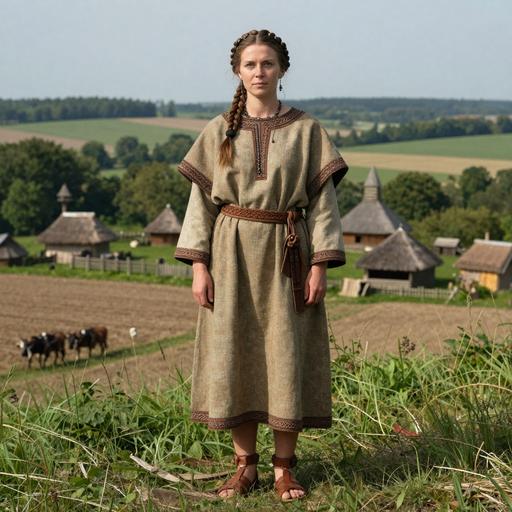
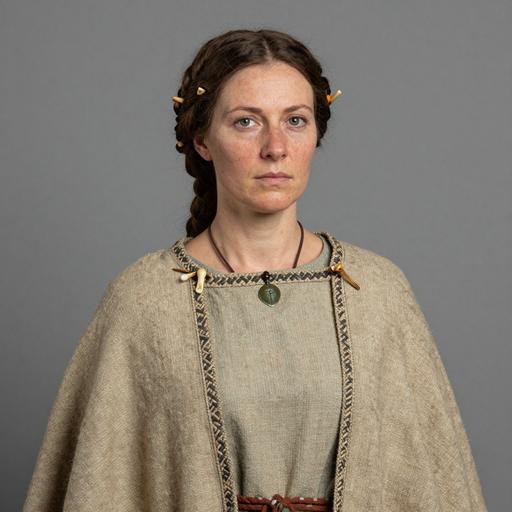
Portrait of ancient individual PCA0517 from Poland, dated 1000 CE
PCA0517
Poland Poland_Poznan_IA 1000 CE Pre-Slavic M L260 -
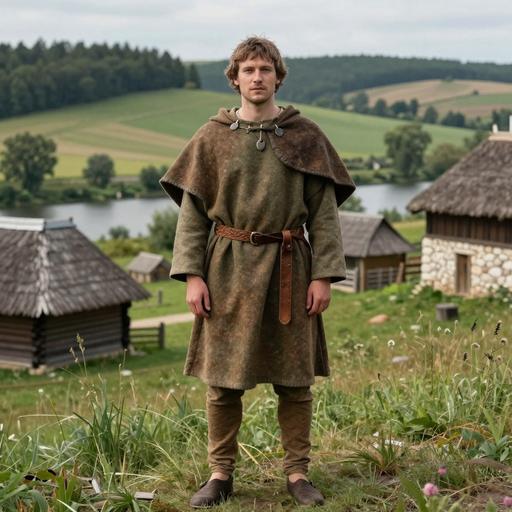
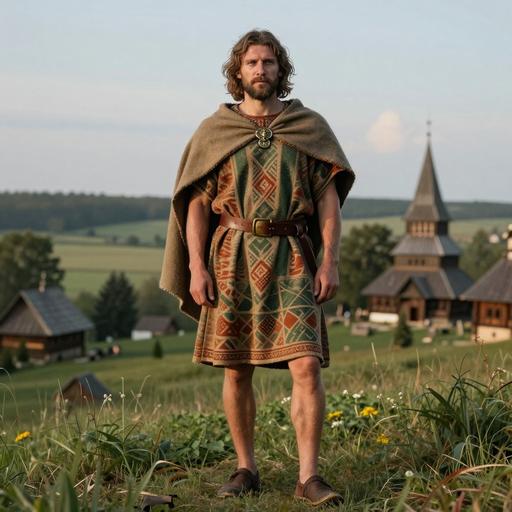
Portrait of ancient individual PCA0518 from Poland, dated 1000 CE
PCA0518
Poland Poland_Poznan_IA 1000 CE Pre-Slavic U - -
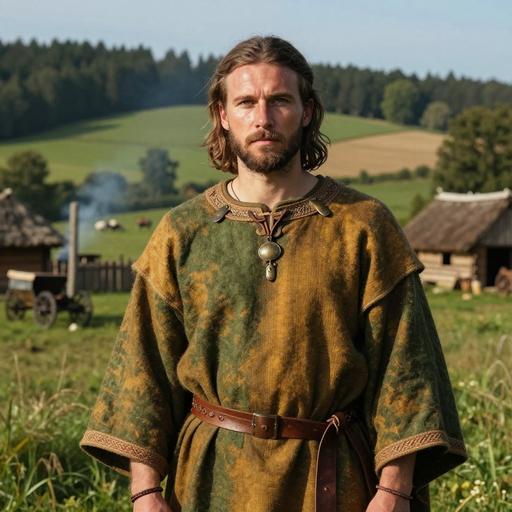
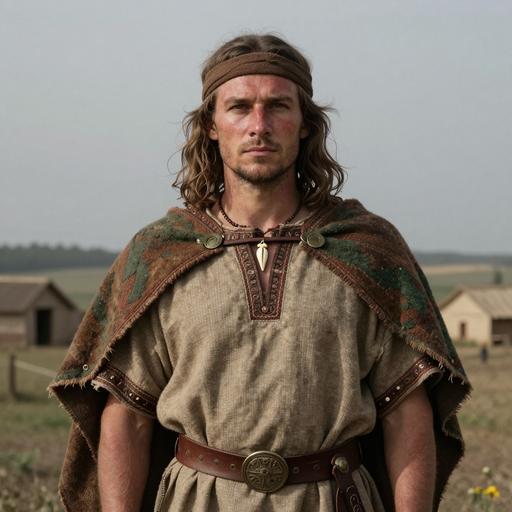
Portrait of ancient individual PCA0520 from Poland, dated 1000 CE
PCA0520
Poland Poland_Poznan_IA 1000 CE Pre-Slavic M CTS3402 -
Portrait of ancient individual PCA0521 from Poland, dated 1000 CE
PCA0521
Poland Poland_Poznan_IA 1000 CE Pre-Slavic M FGC12088 -
Portrait of ancient individual PCA0547 from Poland, dated 1000 CE
PCA0547
Poland Poland_Poznan_IA 1000 CE Pre-Slavic U - -
Portrait of ancient individual PCA0548 from Poland, dated 1000 CE
PCA0548
Poland Poland_Poznan_IA 1000 CE Pre-Slavic M CTS4230 -
Portrait of ancient individual PCA0549 from Poland, dated 1000 CE
PCA0549
Poland Poland_Poznan_IA 1000 CE Pre-Slavic M M467 -
AI Powered

AI Assistant

Ask questions about the Pre-Slavic Greater Poland culture

AI Assistant by DNAGENICS

Unlock this feature
Ask questions about the Pre-Slavic Greater Poland culture. Our AI assistant can explain genetic findings, historical context, archaeological evidence, and modern connections.
Sample AI Analysis

The Pre-Slavic Greater Poland culture represents a fascinating chapter in human history...

Genetic analysis reveals connections to earlier populations while showing evidence of unique adaptations and cultural innovations. The ancient DNA samples provide insights into migration patterns, social structures, and the biological relationships between ancient populations.

This is a preview of the AI analysis. Unlock the full AI Assistant to explore detailed insights about:

  • Genetic composition and ancestry
  • Migration patterns and origins
  • Daily life and cultural practices
  • Modern genetic legacy
Use code for 35% off Expires May 20