Menu
Store
Blog
Germany_Tollense_BA Germany, Sweden, Netherlands

Proto‑Germanic Threads in Northern Bronze Age

Archaeology and ancient DNA from the Tollense valley to coastal Scandinavia converge on a complex Bronze Age tapestry

4500 CE - 1200 BCE
19 Ancient Samples
Scroll to begin
Chapter I

The Story

Understanding the Proto‑Germanic Threads in Northern Bronze Age culture

Material culture and genome-wide data from 4500–1200 BCE across Germany, Sweden and the Netherlands reveal a heterogeneous Proto‑Germanic precursor population. Archaeological sites (Tollense, Untermeitingen, De Tuithoorn, Sillvik) combined with Y‑ and mtDNA point to mixed local continuity and incoming networks.

Time Period

4500–1200 BCE

Region

Germany, Sweden, Netherlands

Common Y-DNA

I (20), R (19), R1 (1), I2 (1)

Common mtDNA

U (9), T2b (9), K (8), H (4), J (4)

Chapter II

Timeline

Key moments in the history of this culture

2500 BCE

Networks of the Early Bronze Age expand

Bronze Age exchange intensifies across northern Europe, bringing metalwork and new social links to communities from the Netherlands to southern Sweden.

Chapter III

Origins & Emergence

The deep-time picture of Proto_Germanic emergence is one of layered landscapes and long-distance connections. Archaeological data indicates occupation and exchange from Late Neolithic contexts through the Bronze Age across sites such as Noord‑Holland (Oostwoud, De Tuithoorn), Untermeitingen (Bavaria), and coastal Swedish localities (Sillvik, Vattenledningen, Abekås I, Fredriksberg, L Beddinge 56). The chronological span 4500–1200 BCE covers major transitions: the consolidation of Neolithic farming, the spread of Bronze Age metallurgy, and intensified mobility in northern Europe.

Genetic evidence from 50 individuals sampled across these regions suggests a heterogeneous population: Y‑chromosome lineages include substantial representation of haplogroup I alongside robust counts of R. This pattern is consistent with local Mesolithic–Neolithic continuity (I lineages) combined with influxes linked to wider Bronze Age networks (R lineages). However, the temporal breadth and geographic spread of the dataset mean that "Proto‑Germanic" here refers to a cluster of related populations rather than a single homogeneous group.

Limited evidence suggests that some genetic and cultural changes were uneven: certain coastal Swedish sites align more closely with Late Neolithic traditions, while the Tollense valley (Mecklenburg‑Vorpommern) preserves traces of Bronze Age conflict and broad connectivity. Archaeology and aDNA together point to emergence by accretion—local roots irrigated by new people, ideas, and goods over millennia.

  • Long temporal span: 4500–1200 BCE means multiple cultural transitions
  • Key sites: Tollense battlefield, Untermeitingen, De Tuithoorn, Sillvik
  • Mixed origins: local continuity (I) with incoming R lineages
Chapter IV

Daily Life & Society

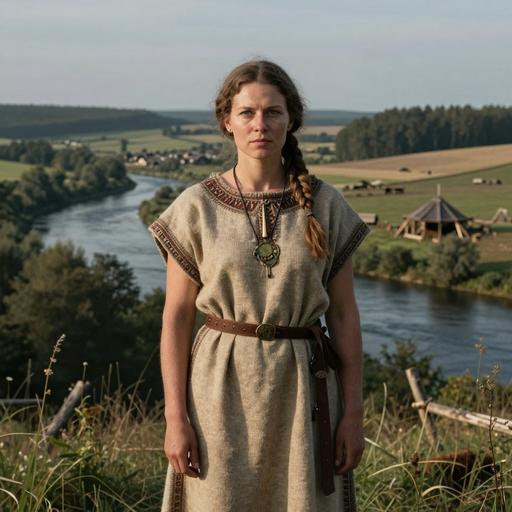
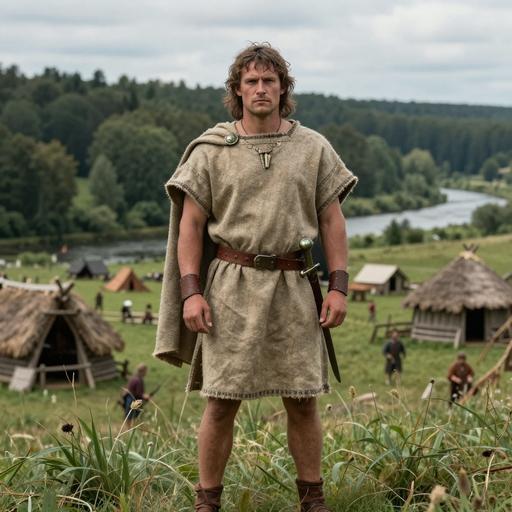
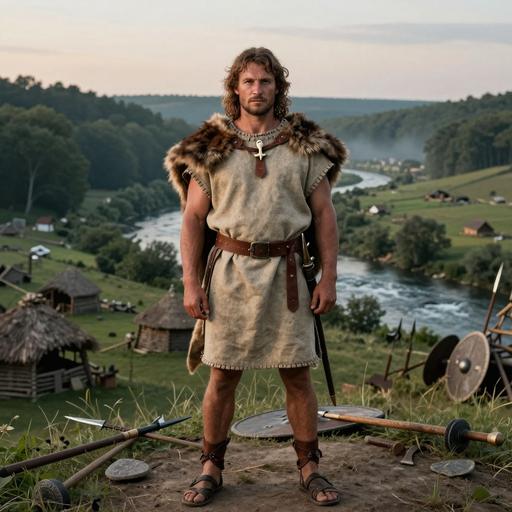
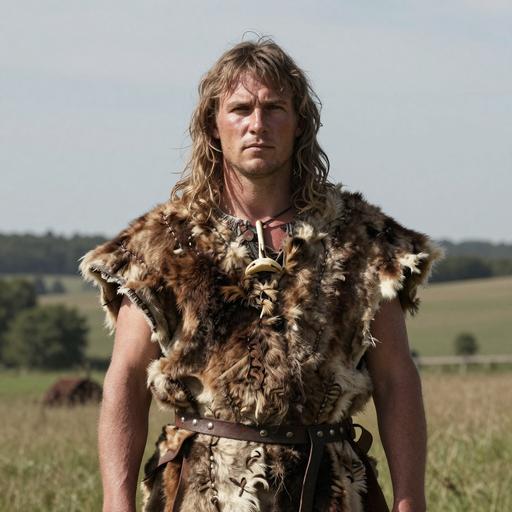
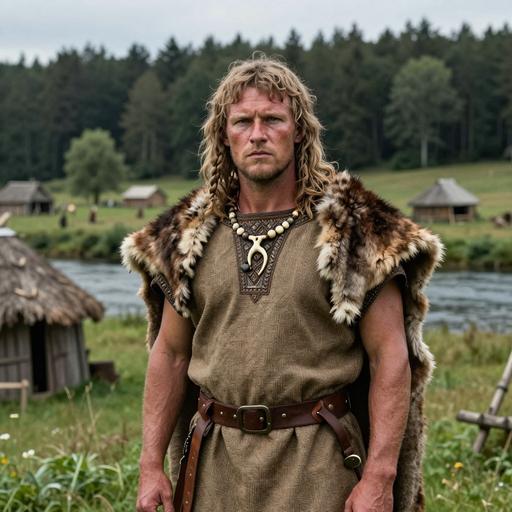
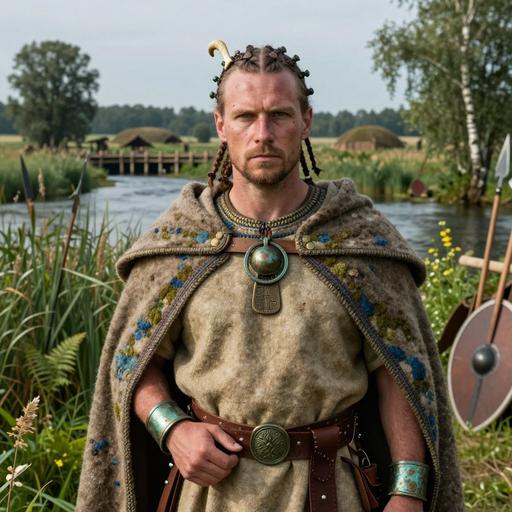
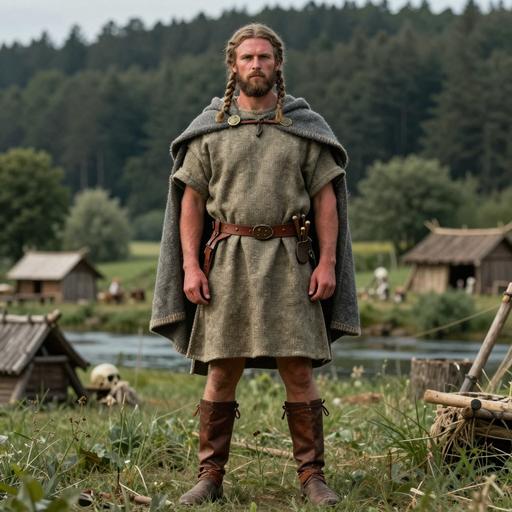
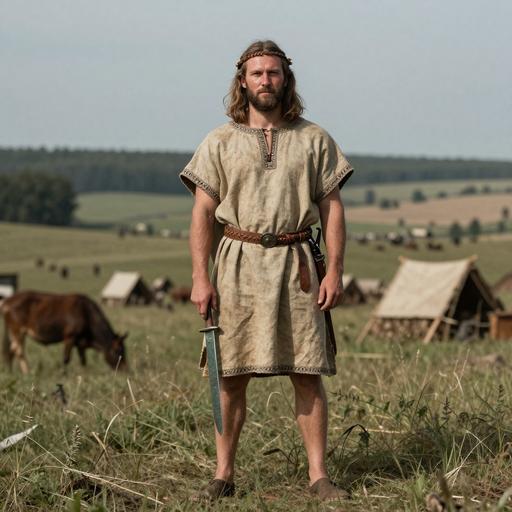
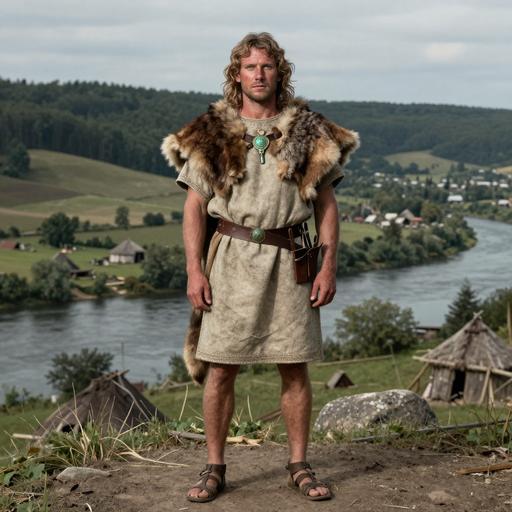
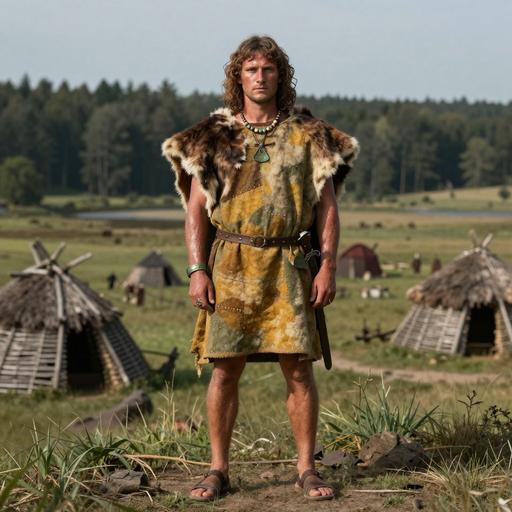
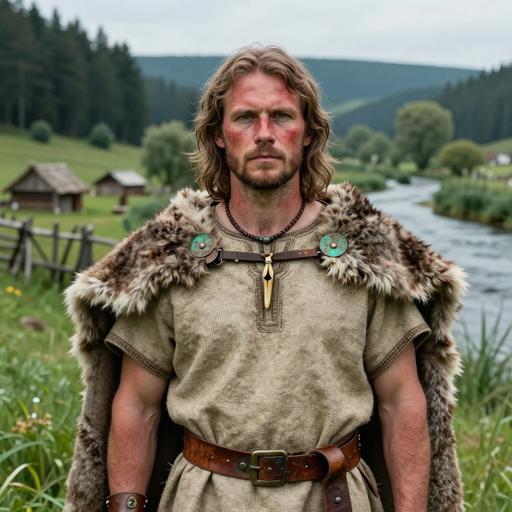
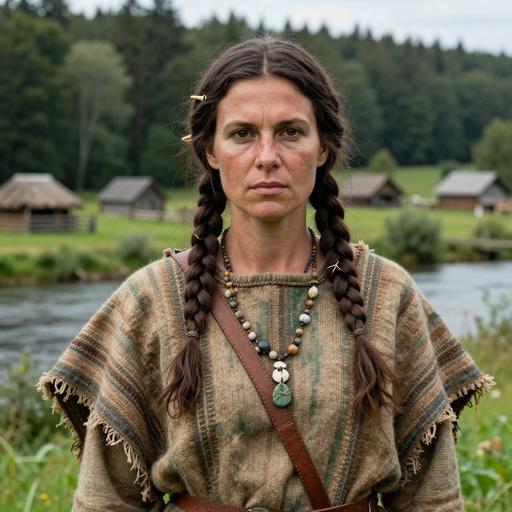
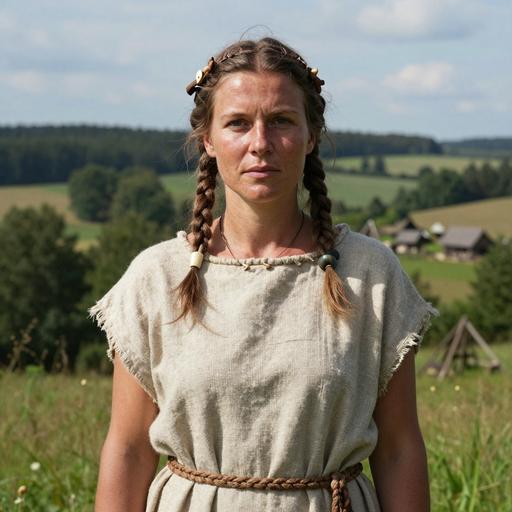
Archaeological contexts give us glimpses of everyday worlds: farmsteads with wooden longhouses, burial mounds and flat graves, bronze tools and personal ornaments, and riverine and coastal economies that tied inland communities to maritime routes. In the Netherlands (De Tuithoorn) and coastal Sweden (Sillvik, Vattenledningen), material culture reflects fishing, salt production, and trade in worked bone and copper; inland German sites (Untermeitingen) display mixed farming and pastoralism alongside regional metalworking traditions.

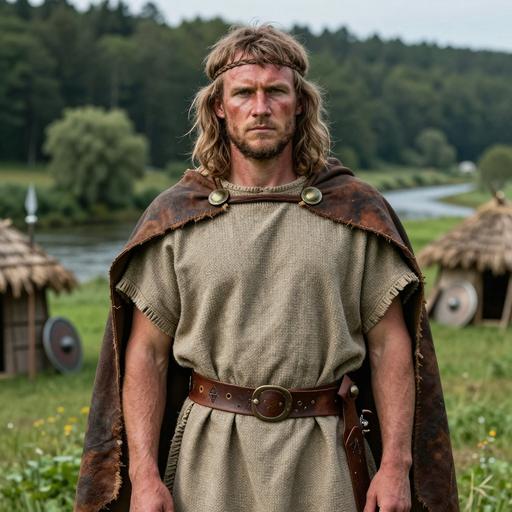
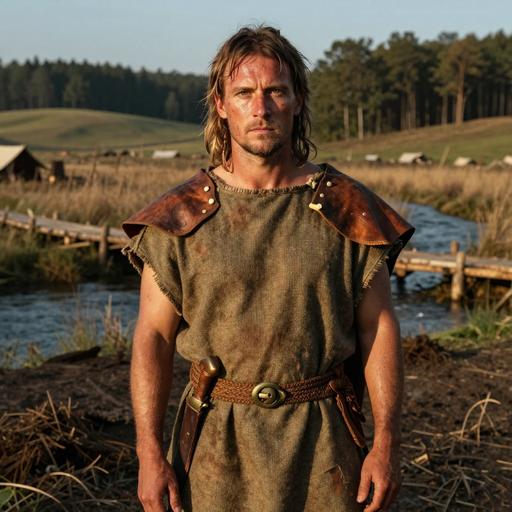
The Tollense battlefield (Mecklenburg‑Vorpommern) stands out as a cinematic archaeological snapshot: thousands of bone fragments, weapons, and human remains concentrated in a river valley indicate large‑scale organized violence in the Late Bronze Age (roughly 13th–12th centuries BCE). Such events imply social complexity—long‑distance alliances, warrior retinues, and logistical capacity beyond small kin groups.

Household economies would have been gendered but flexible: genetic evidence (see below) shows maternal diversity across sites, suggesting female mobility through exogamy and marriage networks, while Y‑DNA patterns hint at localized male line continuity interspersed with outsider males. These combined patterns help reconstruct the rhythms of life—work, kinship, conflict, and exchange—across northern Bronze Age landscapes.

  • Economy: mixed farming, fishing, coastal trade, bronze metallurgy
  • Tollense battlefield implies regional-sized conflict and networks
Chapter V

Genetic Profile

The genetic dataset (50 samples) provides a regional snapshot spanning 4500–1200 BCE. Y‑chromosome diversity is notable: haplogroup I accounts for the largest single count (20 individuals), and haplogroup R is nearly as common (19 individuals); rarer lineages include R1 and I2 (each recorded in low counts). This suggests a balance between long‑standing local male lines (I) and incoming or widespread male lineages often associated with Bronze Age mobility (R). Caution: low counts for specific subclades (R1: 1, I2: 1) mean conclusions about those precise lineages are preliminary.

Mitochondrial DNA shows diverse maternal ancestries: U (9), T2b (9), K (8), H (4), and J (4) dominate the catalogue, pointing to multiple maternal source populations persisting through the Late Neolithic into the Bronze Age. The combination—diverse mtDNA with both I and R Y‑DNA—fits a model of patrilocal communities with female exogamy in some places and male‑biased mobility in others, but the picture is spatially and temporally heterogeneous.

Genome‑wide signals (contextualized by broader European aDNA studies) are consistent with admixture between Neolithic farmer descendants and Steppe‑related ancestry arriving in the 3rd–2nd millennia BCE. Given the 4500–1200 BCE span and site variation (Netherlands vs. Sweden vs. Germany), genetic continuity and replacement likely varied by locality and period. Where sample numbers for a subregion are small, interpretations remain tentative.

  • Y‑DNA: dominance of I and strong presence of R—mixed male heritage
  • mtDNA: varied maternal lineages (U, T2b, K, H, J) indicating multiple sources
Chapter VI

Legacy & Modern Connections

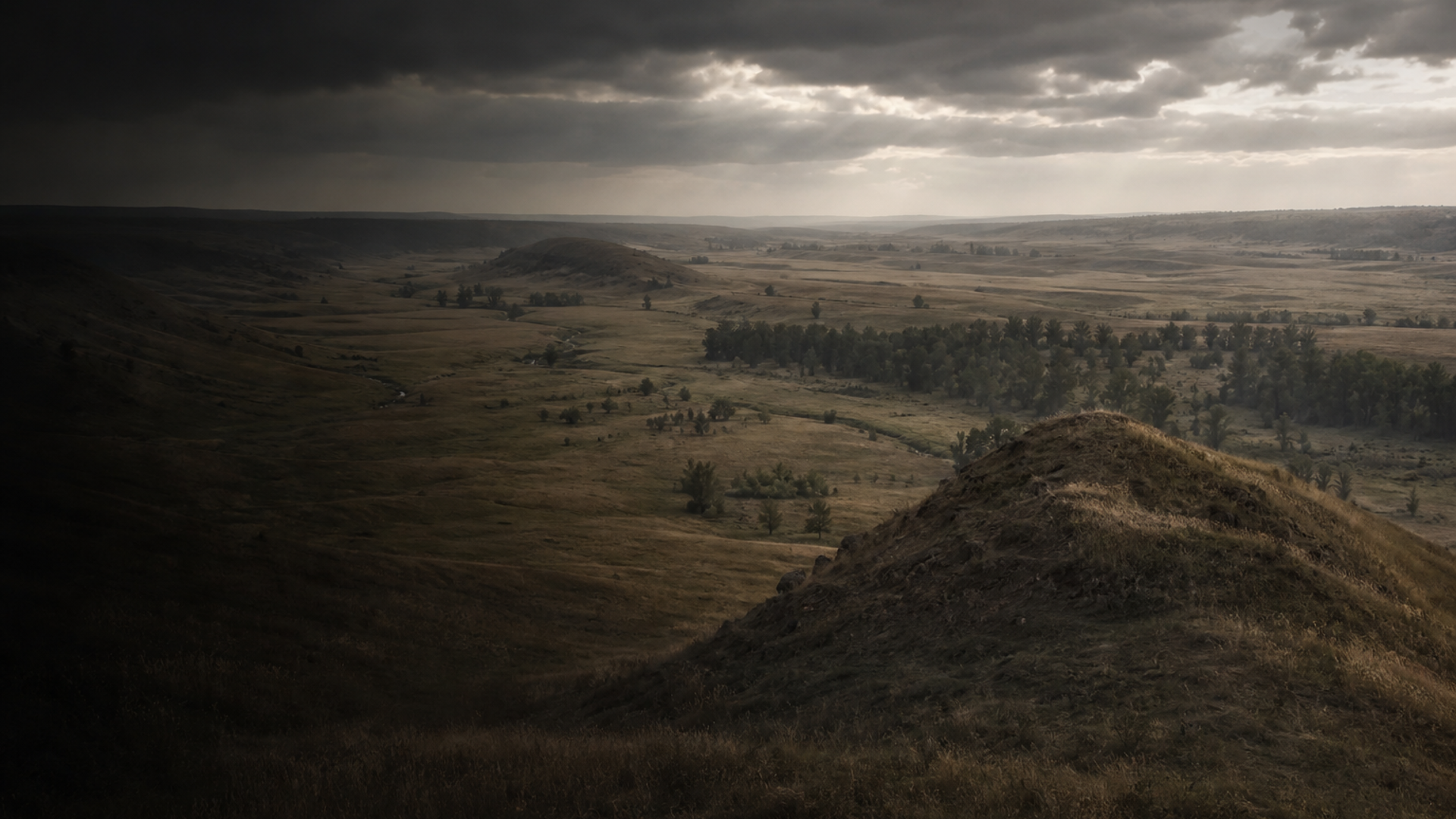
The archaeological and genetic tapestry of Proto_Germanic populations helped to shape the demographic substrate of northern Europe. Elements of material culture, language ancestry, and population structure emerging in these millennia contributed to later Iron Age Germanic groups, though direct lines of descent are complex and mediated by centuries of migration and cultural change.

Genetic legacies are detectable in modern populations of Germany, Sweden and the Netherlands through continuities in some Y‑ and mtDNA lineages, but modern genomes are the result of many subsequent inputs. Archaeology anchors that story: battlefield trauma at Tollense, coastal exchange in Öresund, and farming landscapes in the Low Countries all left durable marks on regional trajectories. Interpretations should remain cautious—the dataset covers wide times and places, and while 50 samples give useful signals, finer-grained sampling will refine our view of how these Bronze Age threads wove into later Germanic identities.
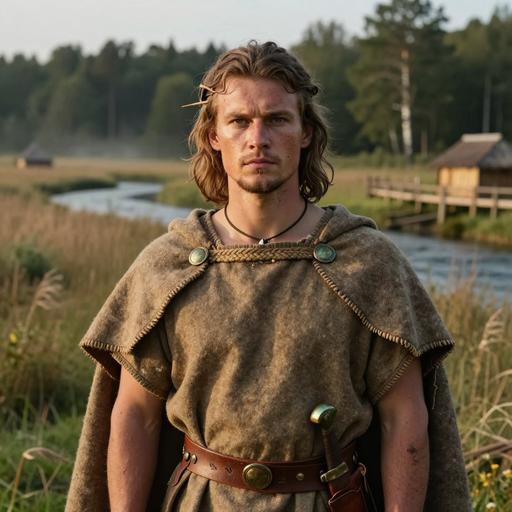
  • Contributes to the ancestral substrate of later Germanic populations
  • Modern continuity visible but shaped by many later migrations
Chapter VII

Sample Catalog

19 ancient DNA samples associated with the Proto‑Germanic Threads in Northern Bronze Age culture

Ancient DNA samples from this era, providing genetic insights into the people who lived during this period.

19 / 19 samples
Portrait Sample Country Era Date Culture Sex Y-DNA mtDNA
Portrait of ancient individual WEZ15 from Germany, dated 1300 BCE
WEZ15
Germany Germany_Tollense_BA 1300 BCE Proto-Germanic M I2a2a1a2a1a1 U2e1a1
Portrait of ancient individual WEZ56 from Germany, dated 1300 BCE
WEZ56
Germany Germany_Tollense_BA 1300 BCE Proto-Germanic M R1 T2b
Portrait of ancient individual WEZ61 from Germany, dated 1300 BCE
WEZ61
Germany Germany_Tollense_BA 1300 BCE Proto-Germanic F - U4b1b1
Portrait of ancient individual WEZ51 from Germany, dated 1300 BCE
WEZ51
Germany Germany_Tollense_BA 1300 BCE Proto-Germanic M I2a2a H1c
Portrait of ancient individual WEZ59 from Germany, dated 1300 BCE
WEZ59
Germany Germany_Tollense_BA 1300 BCE Proto-Germanic M R1b1a2a1a2 U5a2b1
Portrait of ancient individual WEZ64 from Germany, dated 1300 BCE
WEZ64
Germany Germany_Tollense_BA 1300 BCE Proto-Germanic M I2a2a I1a1a
Portrait of ancient individual WEZ57 from Germany, dated 1300 BCE
WEZ57
Germany Germany_Tollense_BA 1300 BCE Proto-Germanic M R1b1a2a1 H2a1
Portrait of ancient individual WEZ40 from Germany, dated 1300 BCE
WEZ40
Germany Germany_Tollense_BA 1300 BCE Proto-Germanic M R1b1a2a1 T1a1
Portrait of ancient individual WEZ35 from Germany, dated 1300 BCE
WEZ35
Germany Germany_Tollense_BA 1300 BCE Proto-Germanic M R1b1a2a1a2 K1c1
Portrait of ancient individual WEZ54 from Germany, dated 1300 BCE
WEZ54
Germany Germany_Tollense_BA 1300 BCE Proto-Germanic M R1b1a2a1a2 V3a
AI Powered

AI Assistant

Ask questions about the Proto‑Germanic Threads in Northern Bronze Age culture

AI Assistant by DNAGENICS

Unlock this feature
Ask questions about the Proto‑Germanic Threads in Northern Bronze Age culture. Our AI assistant can explain genetic findings, historical context, archaeological evidence, and modern connections.
Sample AI Analysis

The Proto‑Germanic Threads in Northern Bronze Age culture represents a fascinating chapter in human history...

Genetic analysis reveals connections to earlier populations while showing evidence of unique adaptations and cultural innovations. The ancient DNA samples provide insights into migration patterns, social structures, and the biological relationships between ancient populations.

This is a preview of the AI analysis. Unlock the full AI Assistant to explore detailed insights about:

  • Genetic composition and ancestry
  • Migration patterns and origins
  • Daily life and cultural practices
  • Modern genetic legacy
Use code for 35% off Expires May 20