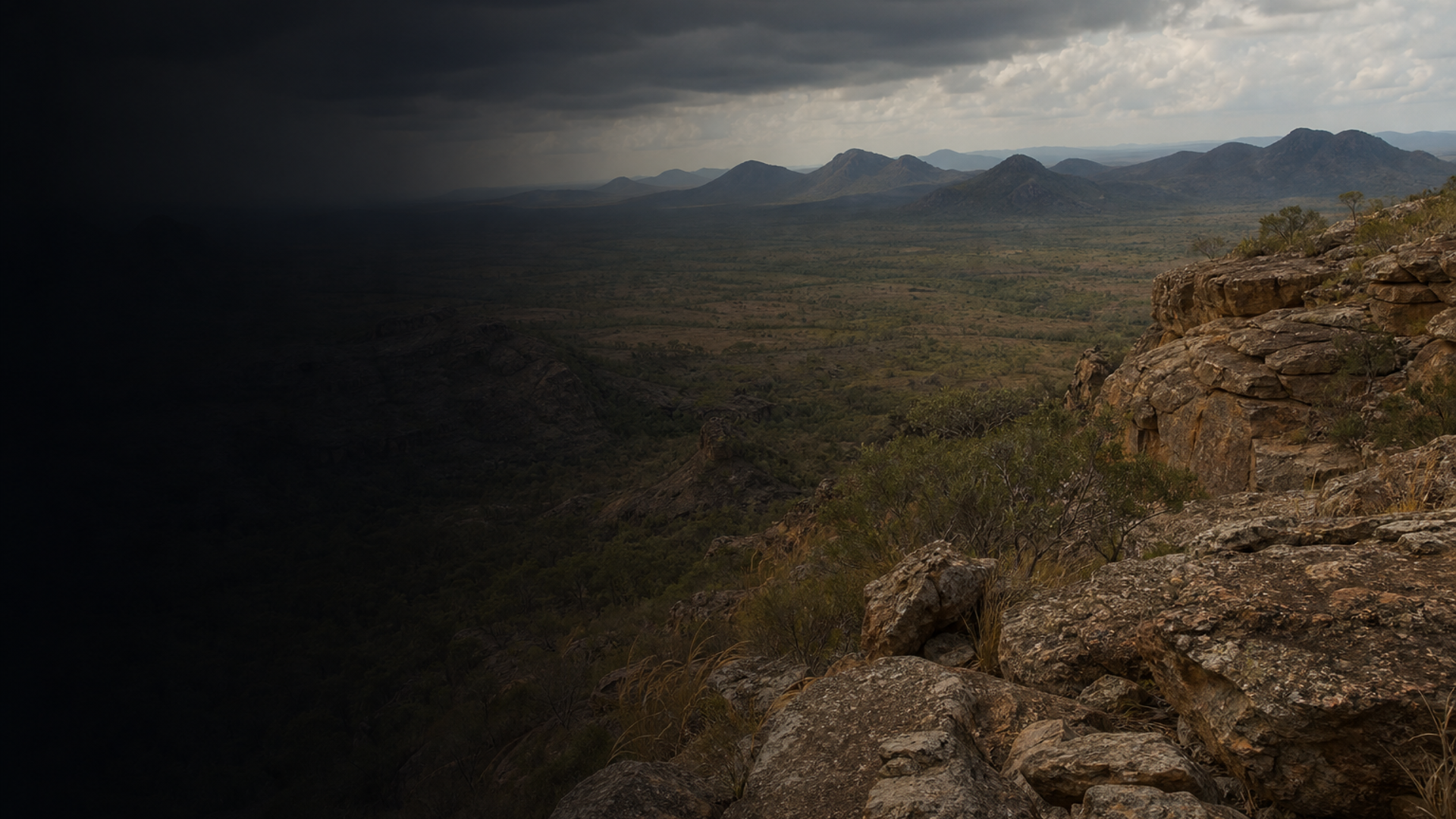
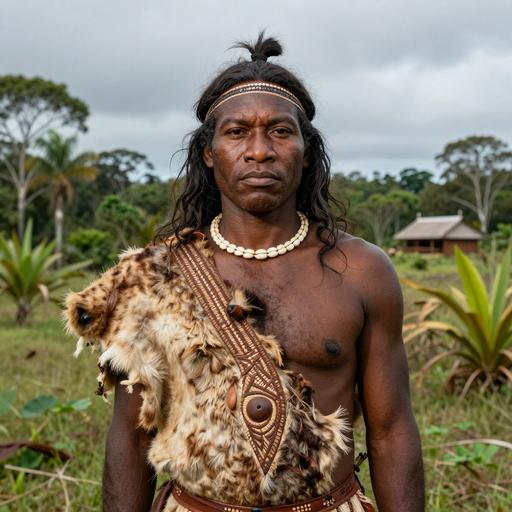
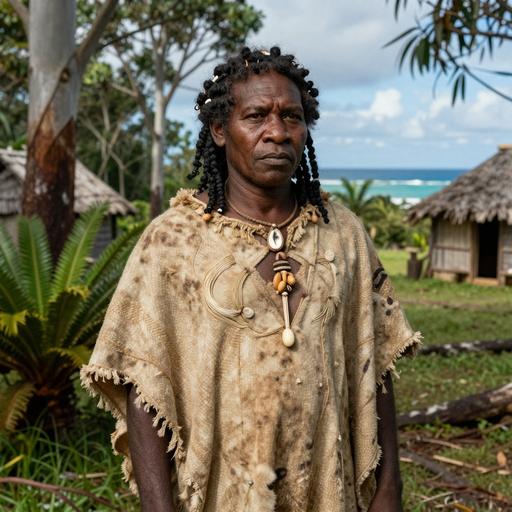
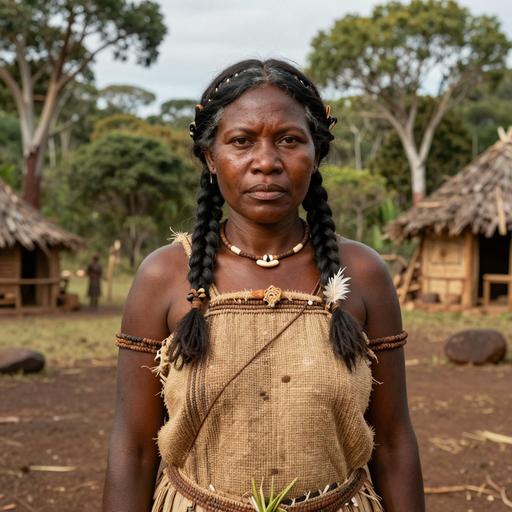
The coast of North Queensland is a cinematic stage of tide, mangrove and reef. Archaeological assemblages from the region depict communities intimately attuned to marine and estuarine resources: fish, shellfish, dugong, and seasonal plant harvests. Shell middens record repeated feasting and discard patterns, while hearths and stone tool scatters speak to food processing, tool maintenance, and episodic occupations of headlands and river mouths.
Ethnographic and archaeological parallels suggest highly organized knowledge systems for navigation, seasonal calendars, and resource stewardship. Rock art panels and carved objects (where present) imply expressive lives woven with songlines and ritual obligations tied to place. Social networks likely combined sedentary use of rich coastal strips with short‑range mobility into hinterlands for plant resources and trade. Leadership and social organization are archaeologically opaque here; however, the density of coastal sites indicates stable territories and long‑term landscape management.
Because the three genetic samples are spread across different localities and centuries, they hint at continuing use of known camps and shared coastal routes rather than one‑off occupations. Still, many facets of everyday life — kinship structures, ritual calendar specifics, and detailed craft traditions — are best reconstructed through collaborative studies that integrate oral histories and further excavation.