Menu
Store
Blog
Bahamas (Flamingo Cay, Ragged Island Range)

Ragged Island Ceramic Echoes

A single genome from Flamingo Cay illuminates Bahamian Ceramic-age lifeways

900 CE - 1500 CE
Scroll to begin
Chapter I

The Story

Understanding the Ragged Island Ceramic Echoes culture

Archaeological and genetic evidence from Flamingo Cay (Ragged Island Range) links a Ragged Island Ceramic context (900–1500 CE) to Indigenous American lineages (Y Q, mtDNA C). Limited sample size makes conclusions provisional; archaeological data indicates coastal, canoe-based lifeways.

Time Period

900–1500 CE

Region

Bahamas (Flamingo Cay, Ragged Island Range)

Common Y-DNA

Q (1 sample)

Common mtDNA

C (1 sample)

Chapter II

Timeline

Key moments in the history of this culture

900 CE

Ragged Island Ceramic presence begins (approx.)

Archaeological occupation of Flamingo Cay and surrounding cays associated with Ragged Island Ceramic material culture begins to appear in the record (c. 900 CE).

Chapter III

Origins & Emergence

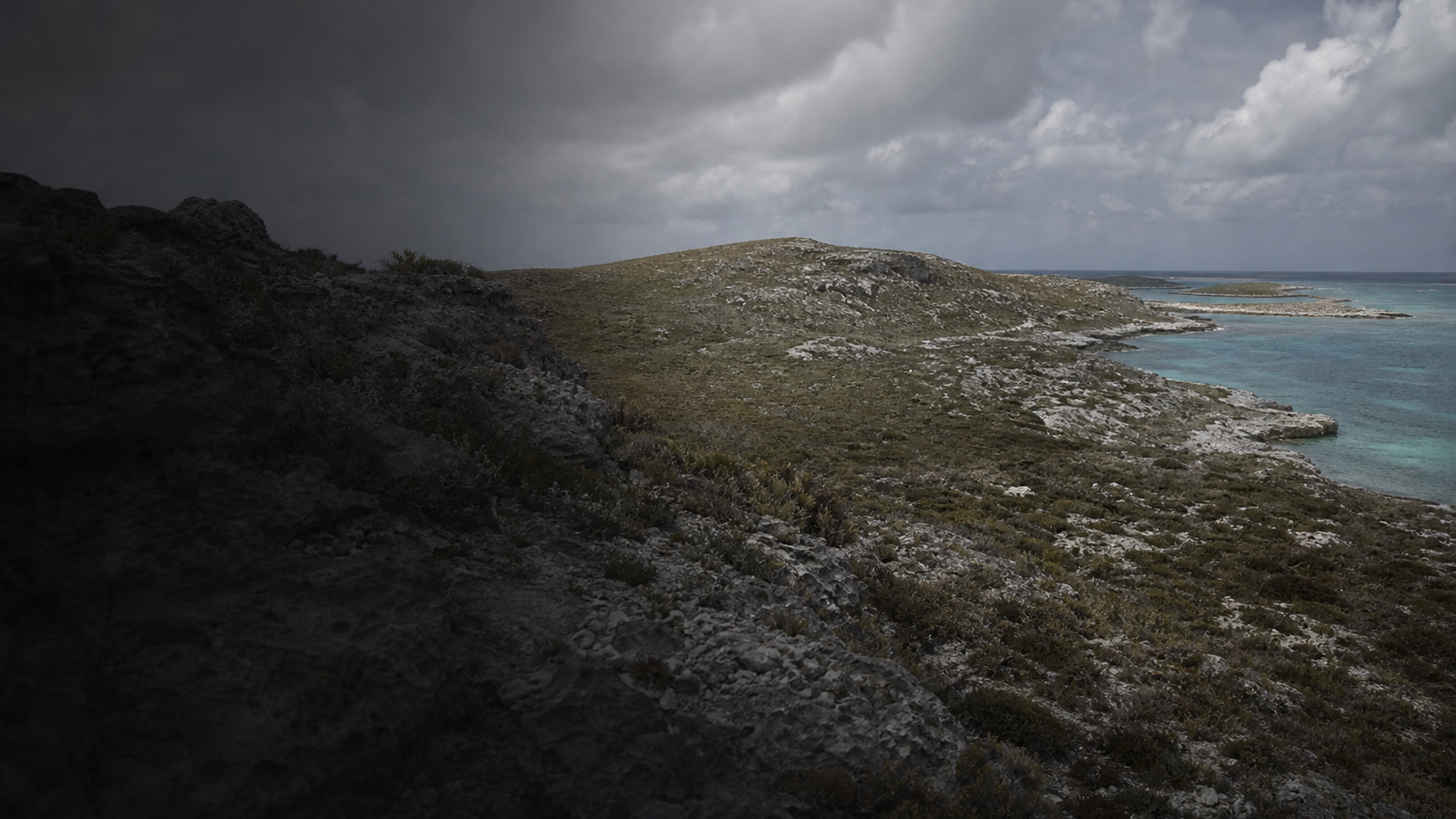
Against the wind-swept flats of the Ragged Island Range, the Ceramic-age communities of the Bahamas left delicate traces: pottery sherds, shell middens and ephemeral hearths. Flamingo Cay (Jumento Cays) has yielded material culturally attributed to the Ragged Island Ceramic tradition, placed within a broad timeframe of 900–1500 CE. Archaeological data indicates a maritime adaptation—small, mobile groups exploiting reef and lagoon resources and weaving exchange ties across the southern Bahamian banks.

Limited evidence suggests these communities were part of the wider Ceramic Age dispersal that connected the Greater Antilles and northern Caribbean islands. Ceramic styles, tempering practices, and coastal site distributions point to networks of canoe-borne movement rather than large, sedentary polities. Radiocarbon dates from nearby Ragged Island sites support the late first–second millennium CE occupation window. Precise origins remain debated: some models emphasize southern Caribbean or South American affinities for early Ceramic populations, while others stress localized evolution within the Bahamian archipelago. With only a single genetic sample from Flamingo Cay, archaeological signals remain the primary guide to emergence narratives, and any genetic connections must be presented as provisional.

  • Flamingo Cay: key Ragged Island Ceramic site (Jumento Cays)
  • Maritime, mobile communities exploiting reefs and lagoons
  • Ceramic traits link to broader Caribbean Ceramic-age networks
Chapter IV

Daily Life & Society

Imagine dawn over a salt flat: canoes slip from fractured coral beaches, fishermen cast nets into turquoise shallows, and women tend shallow hearths where simple ceramic pots simmered stews of fish, shellfish and tubers. Archaeological data indicates diets dominated by marine resources—fish, conch and turtle—supplemented by coastal foraging and cultivated root crops where substrates permitted.

Settlement traces on small cays suggest seasonal mobility, with households occupying lean, well-adapted structures and leaving behind middens that archaeologists now read as diaries of diet and craft. Pottery sherds recovered at Flamingo Cay show surface finishes and forms consistent with the Ragged Island Ceramic corpus: plain to simple decorated vessels suited to boiling and storage. Ornament and small-tool assemblages imply finely tuned technical knowledge of shell and bone working, while occasional exotic artifacts or non-local shell types signal exchange across channels.

Social organization was likely community-centered and flexible, optimized for a dispersed islandscape rather than hierarchical urban centers. Archaeological data indicates kin-based groups organized around marine resources and seasonal movement, with cultural practices transmitted through inter-island contact and trade.

  • Diet focused on reef and lagoon resources, evidenced by shell middens
  • Pottery and shell tools show specialized coastal craft traditions
Chapter V

Genetic Profile

The Flamingo Cay sample produces a tantalizing, but preliminary, genetic snapshot. The lone individual carries Y-chromosome haplogroup Q and mitochondrial haplogroup C—lineages that are commonly observed among Indigenous peoples of the Americas. Haplogroup Q is a well-established paternal marker in many pre-contact American populations; haplogroup C and its subclades are similarly part of the maternal diversity of Native American populations and deep Asian–American connections.

Caveats are essential: this dataset consists of a single genome. With sample count = 1, population-level inference is impossible. Archaeological data indicates a culturally Ceramic context at Flamingo Cay between 900 and 1500 CE, but whether the genetic profile reflects long-standing local ancestry, recent migration from neighboring islands, or fine-scale subclade differences cannot be resolved without more samples and higher-resolution sequencing. Moreover, no direct evidence from this single sample addresses potential admixture events (for example, between Caribbean Ceramic populations and later contacts) or the directionality of movement across the archipelago.

Nonetheless, the congruence of Q and C with Indigenous American lineages supports an interpretation that the Ragged Island Ceramic inhabitants of Flamingo Cay were part of the broader pre-Columbian genetic landscape of the Caribbean. Future excavations and genomic sampling across Ragged Island and adjacent cays will be required to move from hypothesis to robust model.

  • Single sample shows Y Q and mtDNA C — lineages common in Indigenous American populations
  • Sample count is 1: conclusions are highly provisional and require more genomic data
Chapter VI

Legacy & Modern Connections

The whisper of a single genome from Flamingo Cay reaches forward across five centuries to remind us that the Bahamian islands were inhabited by seafaring peoples with deep ties across the Caribbean. Archaeological continuity in ceramic styles and maritime reuse of island landscapes suggests cultural threads connecting Ragged Island communities to the broader Ceramic-age world that preceded European contact.

Modern Bahamian identities are complex and shaped by multiple waves of migration since 1492. Genetic snapshots like the Flamingo Cay individual contribute to a nuanced picture in which pre-contact Indigenous lineages (as indicated by haplogroups Q and C) form part of the archipelago’s deep past. Because the genetic evidence here is extremely limited, any direct claims about continuity to present-day populations remain tentative. Expanded research that pairs archaeology, museum collections, and ethically guided genomic sampling can illuminate how these island stories persist in the living genetic and cultural landscape.

  • Connects pre-contact Indigenous genetic lineages to Ragged Island Ceramic contexts
  • Highlights need for more sampling and ethical collaboration with descendant communities
AI Powered

AI Assistant

Ask questions about the Ragged Island Ceramic Echoes culture

AI Assistant by DNAGENICS

Unlock this feature
Ask questions about the Ragged Island Ceramic Echoes culture. Our AI assistant can explain genetic findings, historical context, archaeological evidence, and modern connections.
Sample AI Analysis

The Ragged Island Ceramic Echoes culture represents a fascinating chapter in human history...

Genetic analysis reveals connections to earlier populations while showing evidence of unique adaptations and cultural innovations. The ancient DNA samples provide insights into migration patterns, social structures, and the biological relationships between ancient populations.

This is a preview of the AI analysis. Unlock the full AI Assistant to explore detailed insights about:

  • Genetic composition and ancestry
  • Migration patterns and origins
  • Daily life and cultural practices
  • Modern genetic legacy
Use code for 30% off Expires May 17