Menu
Store
Blog
Serbia_Roman Serbia, Italy (Lazio & Danubian frontier)

Roman Frontiers: Serbia & Italy

Archaeological and genetic glimpse into Roman-era communities (1–538 CE)

1 CE - 538 CE
64 Ancient Samples
Scroll to begin
Chapter I

The Story

Understanding the Roman Frontiers: Serbia & Italy culture

A concise, evidence-driven profile of Roman-era populations sampled in Serbia and Lazio (66 genomes, 1–538 CE), linking fortress towns like Viminacium and rural Casal Bertole to patterns of mobility, ancestry, and mitochondrial/Y-chromosome diversity across the Empire.

Time Period

1–538 CE

Region

Serbia, Italy (Lazio & Danubian frontier)

Common Y-DNA

E (15), R (7), G (6), J (5), I (3)

Common mtDNA

H (17), U (6), T (4), J (3), K (3)

Chapter II

Timeline

Key moments in the history of this culture

27 BCE

Beginning of the Roman Empire

Octavian (Augustus) establishes imperial rule, setting administrative frameworks that shaped recruitment, settlement, and mobility across provinces including the Balkans.

106 CE

Trajan's Dacian Wars

Roman conquest of Dacia (modern Romania) increases troop movement and colonization in the Danubian frontier, impacting nearby centers like Viminacium.

271 CE

Roman Retrenchment and Population Shifts

Late 3rd-century crises and administrative changes provoke local demographic shifts and fortification reorganization along the Danube.

538 CE

End of Sample Range — Late Antique Transformations

By the mid-6th century, Justinianic wars and plague are transforming populations and settlement patterns across the Balkans and Italy.

Chapter III

Origins & Emergence

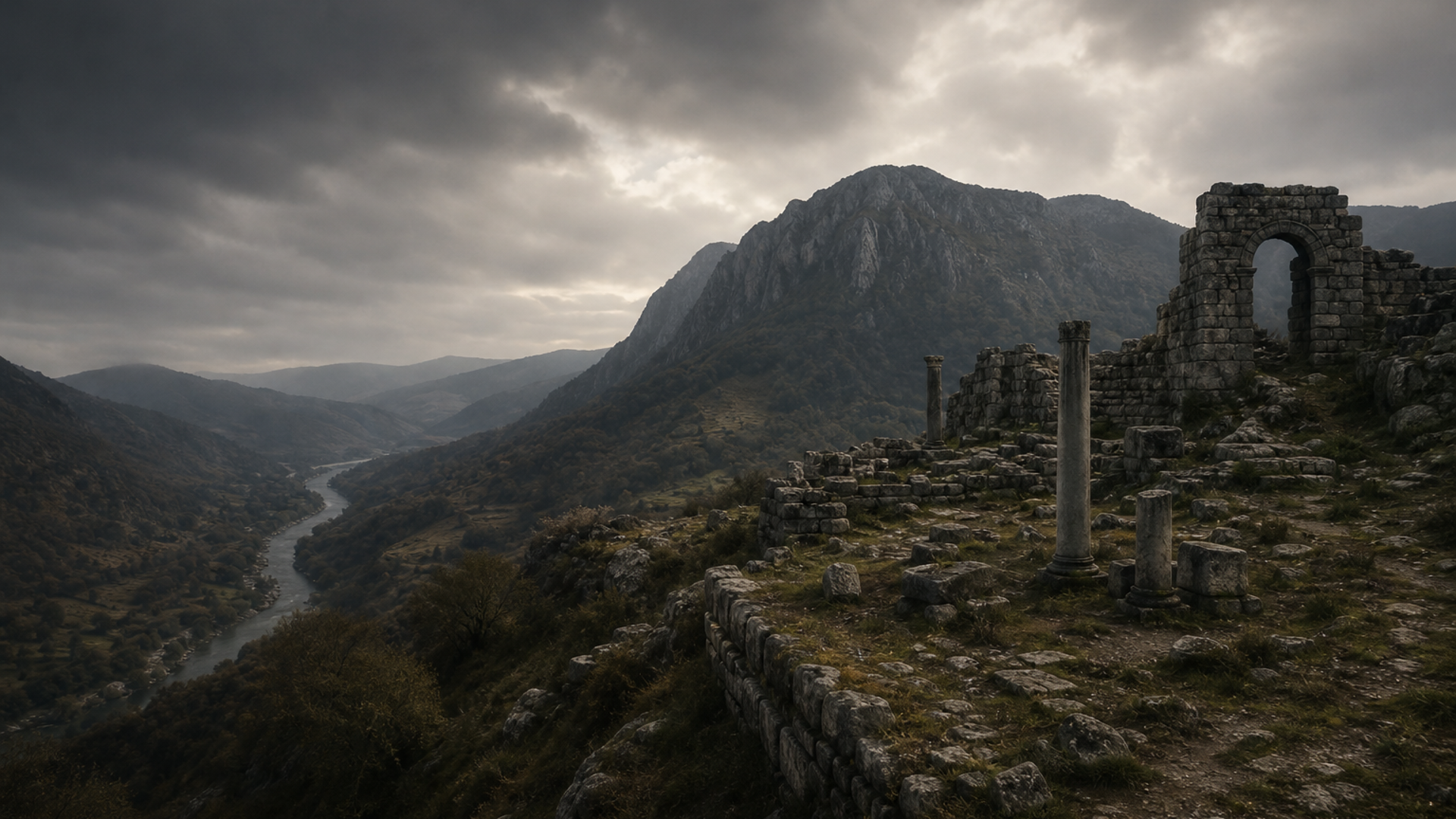
The Roman presence in the central Balkans and central Italy arose from centuries of regional interaction before and during imperial expansion. Archaeological data indicates that by the 1st century CE, sites such as Viminacium (near modern Kostolac, Serbia) functioned as legionary bases, urban centers, and hubs of long-distance trade, while Casal Bertole in Lazio sat within the hinterland of Rome itself. The sampled individuals date from 1–538 CE, a period that encompasses early imperial consolidation, the height of Roman control, and the late antique transformations of the 4th–6th centuries.

Material culture—fortification remains, grave goods, imported ceramics, and coin hoards—documents continual movement of people and goods. Limited evidence suggests some rural settlements reused earlier ritual landscapes (for example, the long-occupied locality of Lepenski Vir shows later Roman-era activity nearby), but the specifics of continuity are regionally variable. Archaeological stratigraphy at Viminacium reveals burials associated with military cemeteries and civilian neighborhoods, indicating a mixed population of soldiers, veterans, traders, and local inhabitants.

While historical sources paint the Empire as a cohesive political entity, osteoarchaeology and context-specific finds show localized practices and diverse life histories. Genetic sampling from these specific sites provides a biological snapshot: it captures mobility, admixture, and demographic shifts that complement the material record, but conclusions must be situated within the geographic and temporal limits of the 66 sampled genomes.

  • Viminacium: major Danubian legionary and urban center (Moesia Superior)
  • Casal Bertole: rural Lazio context tied to Rome's hinterland
  • Samples span early empire through the mid-6th century (1–538 CE)
Chapter IV

Daily Life & Society

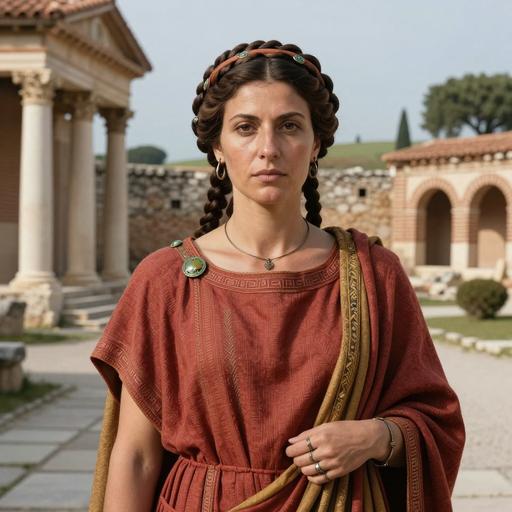
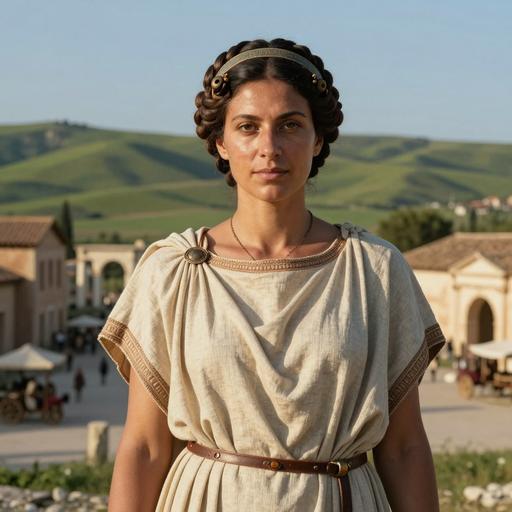
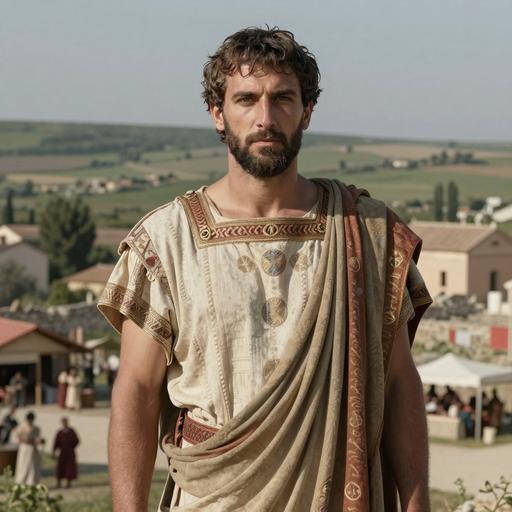
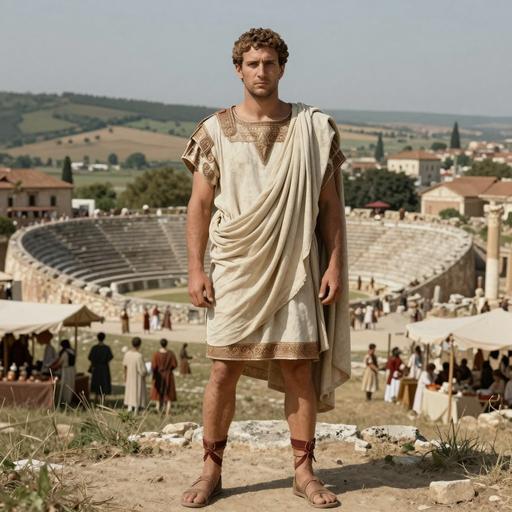
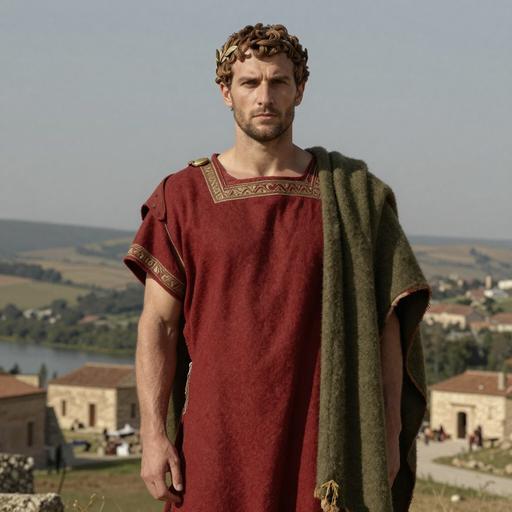
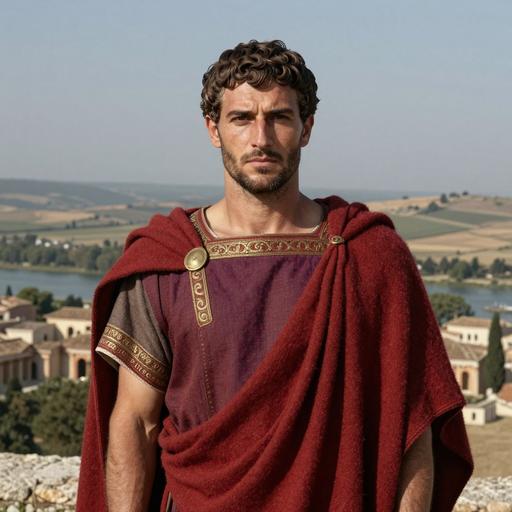
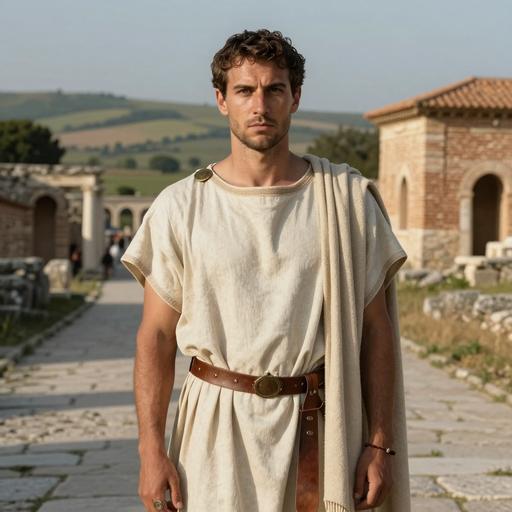
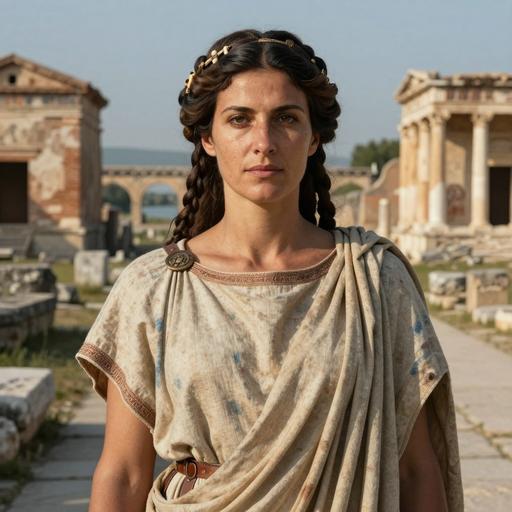
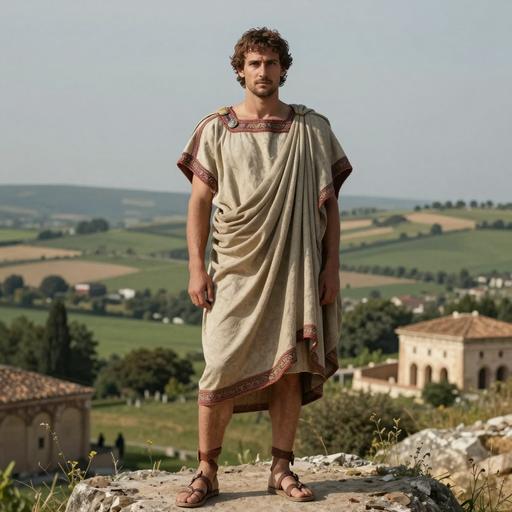
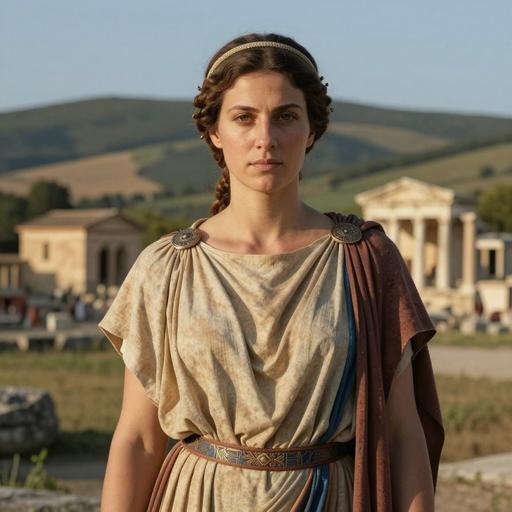
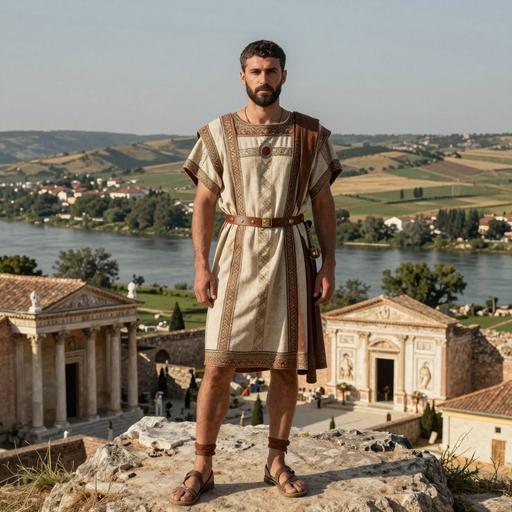
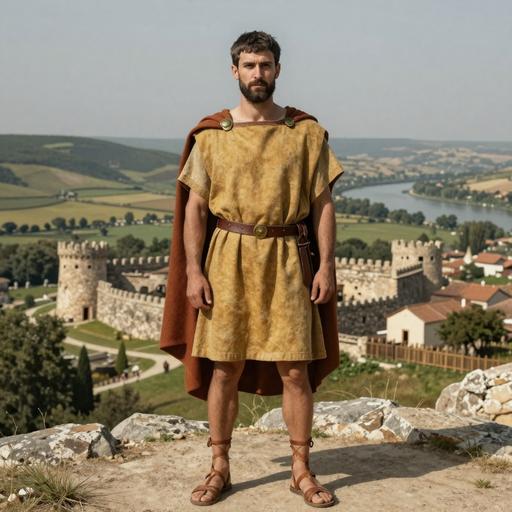
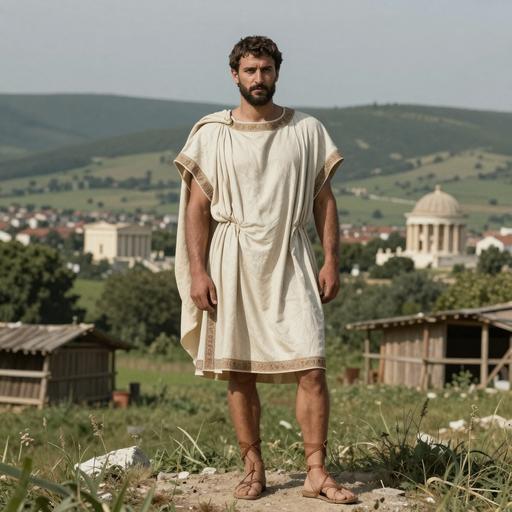
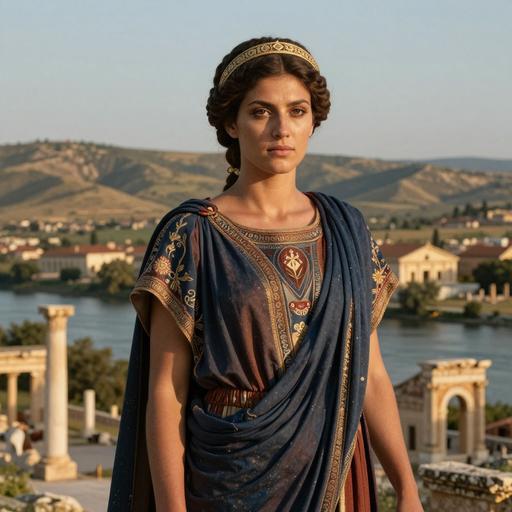
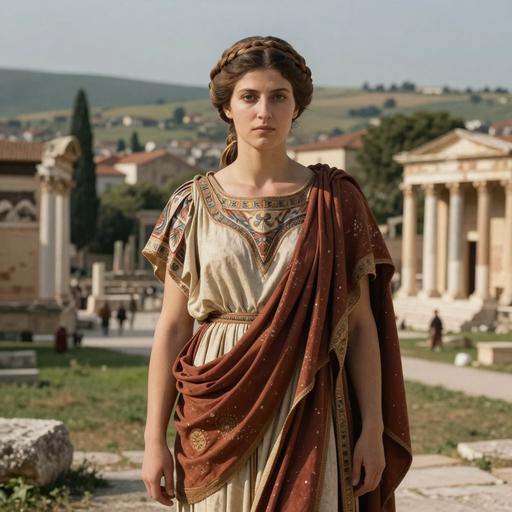
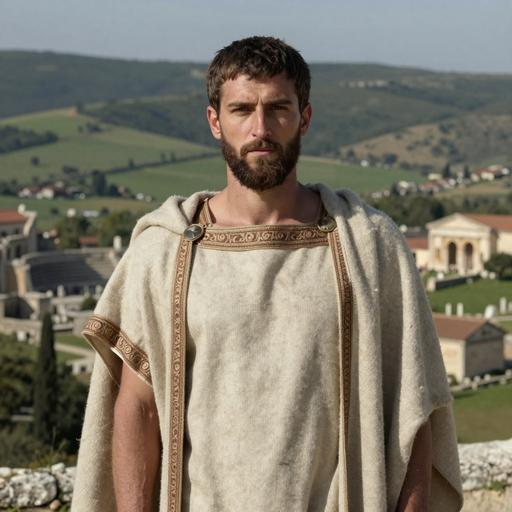
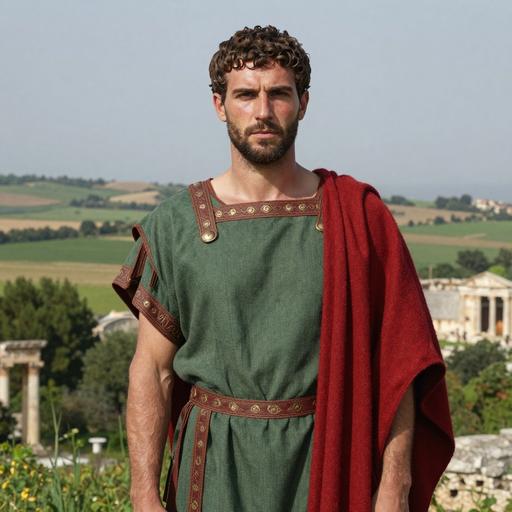
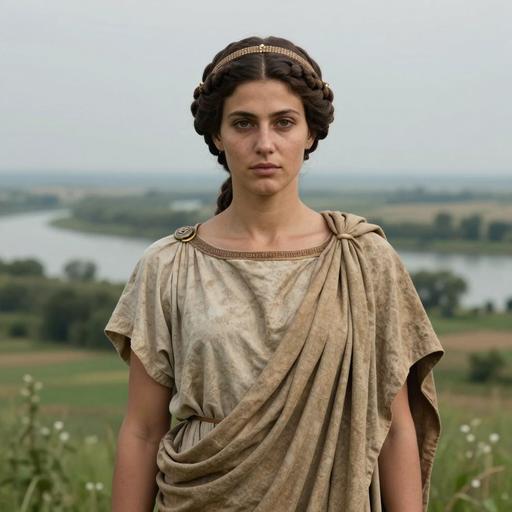
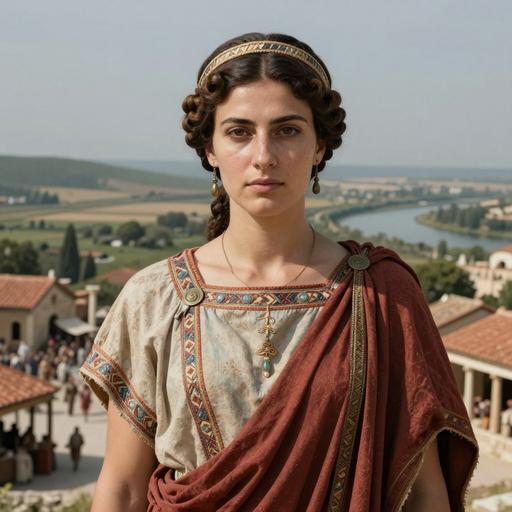
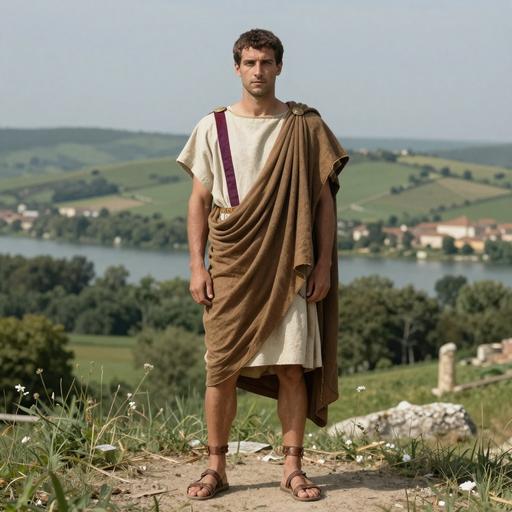
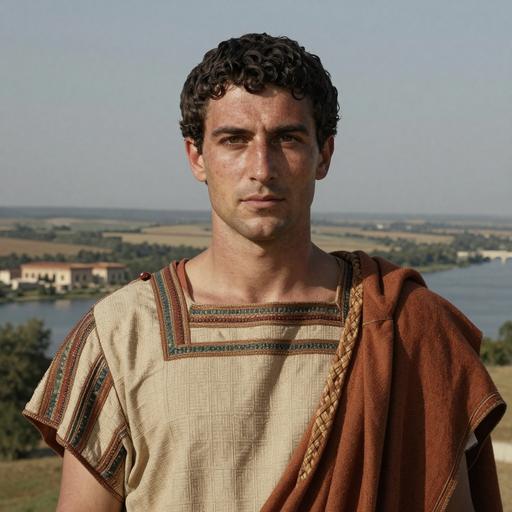
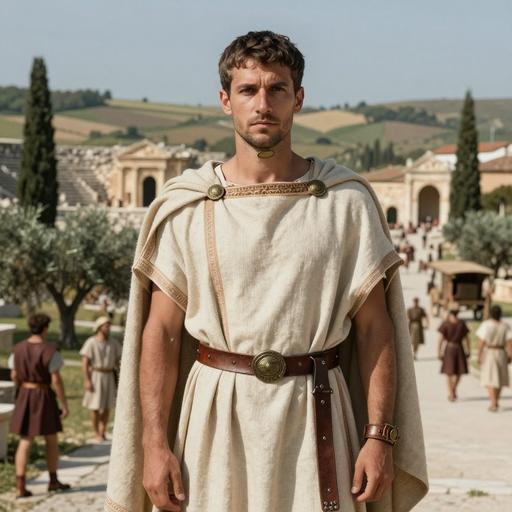
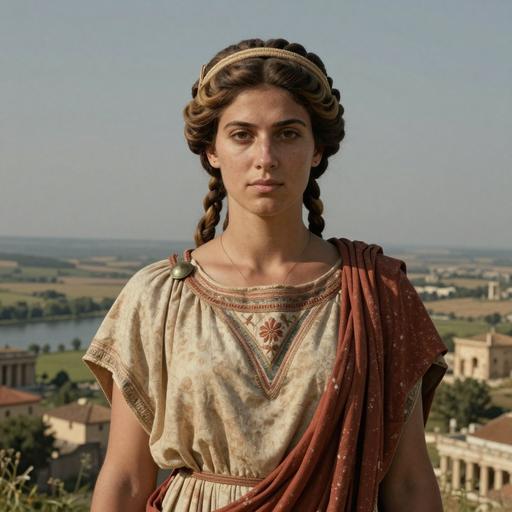
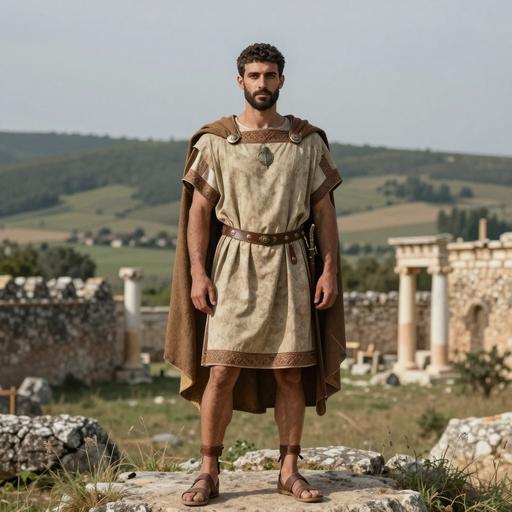
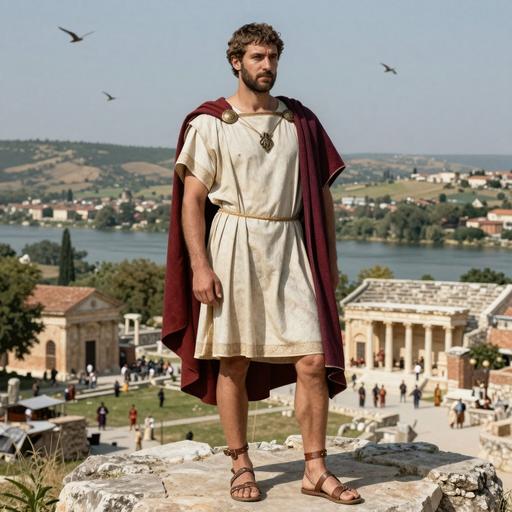
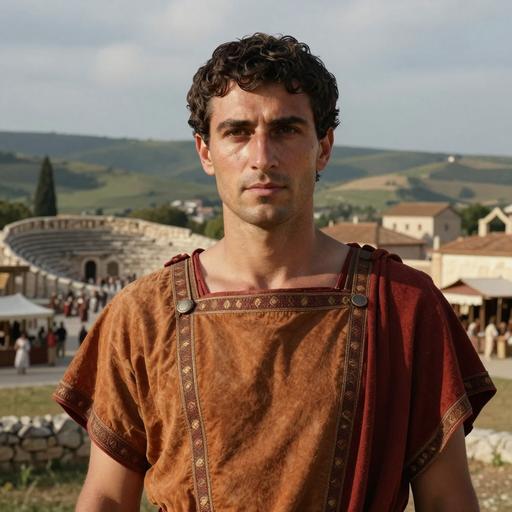
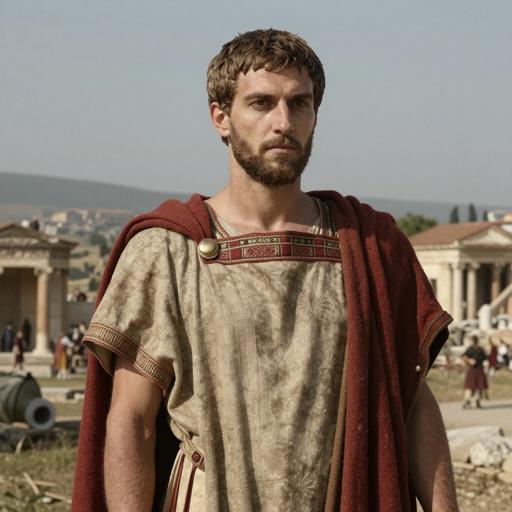
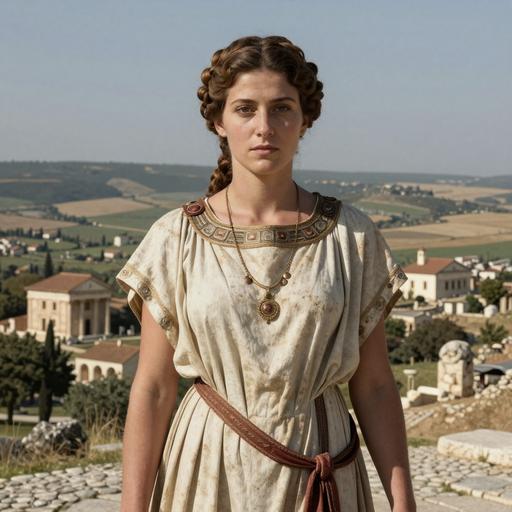
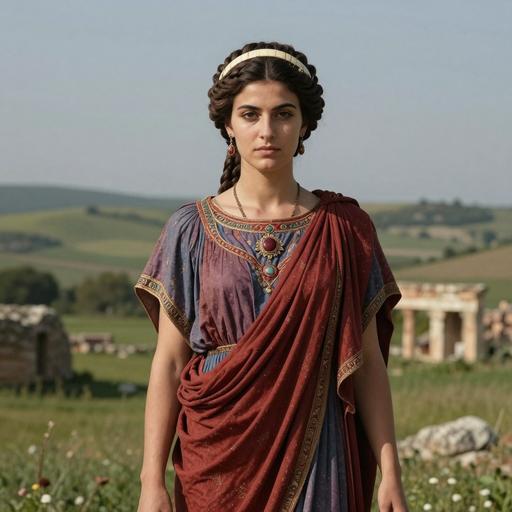
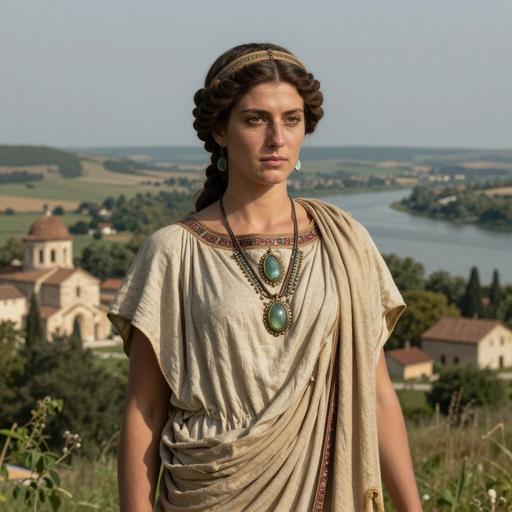
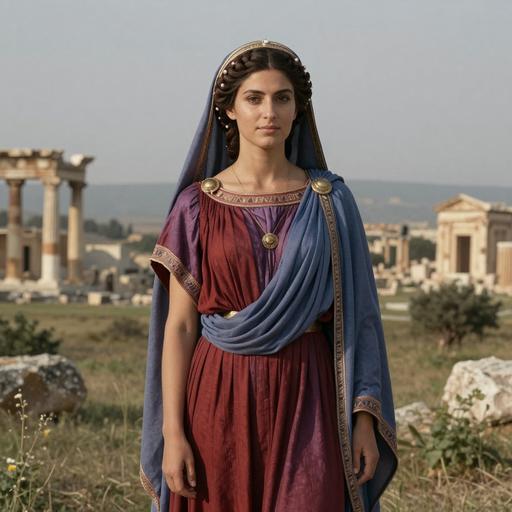
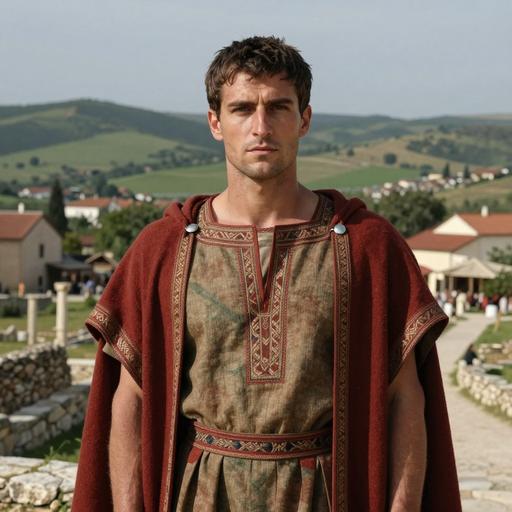
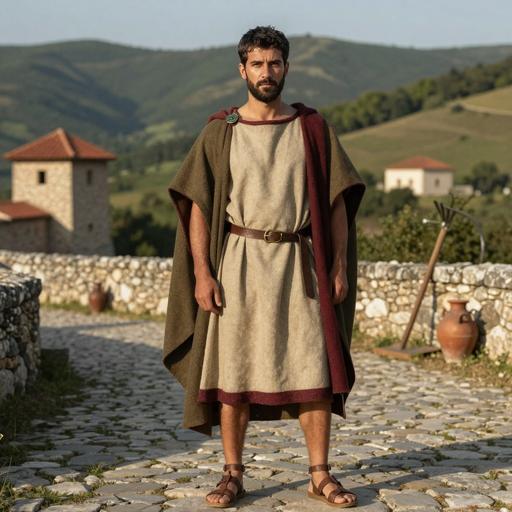
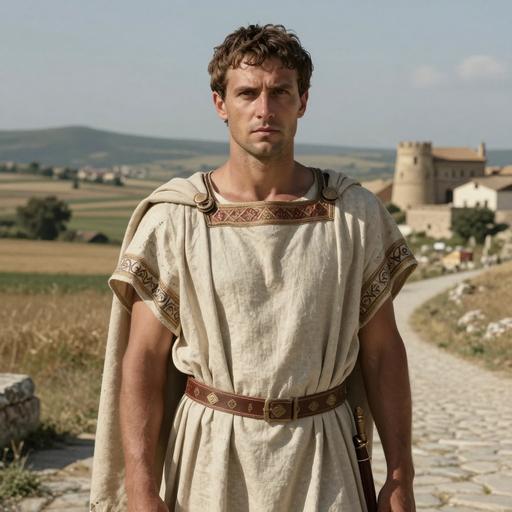
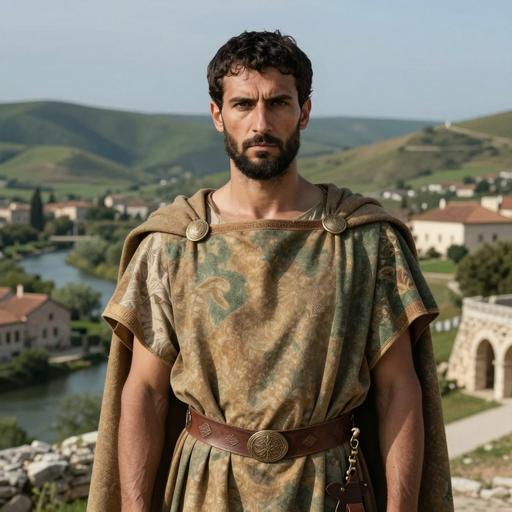
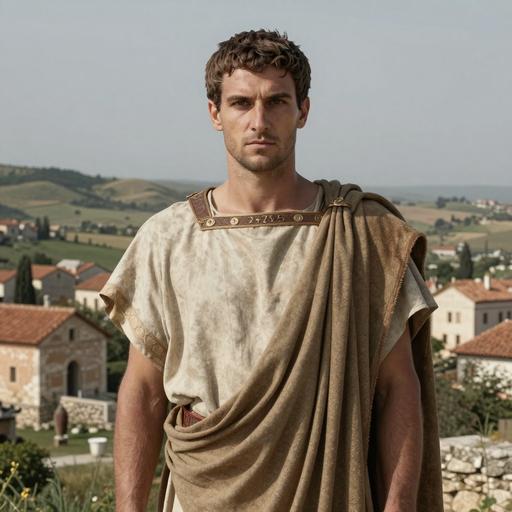
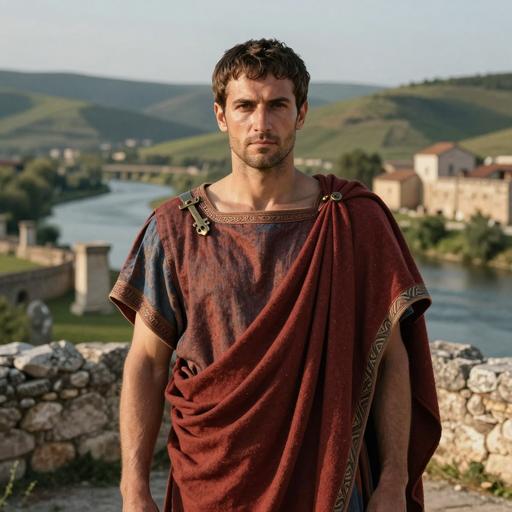
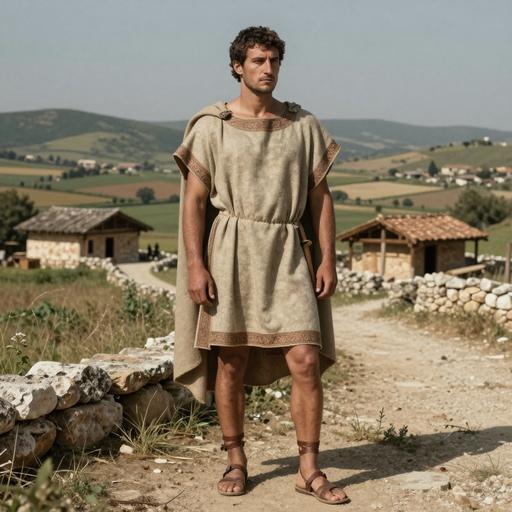
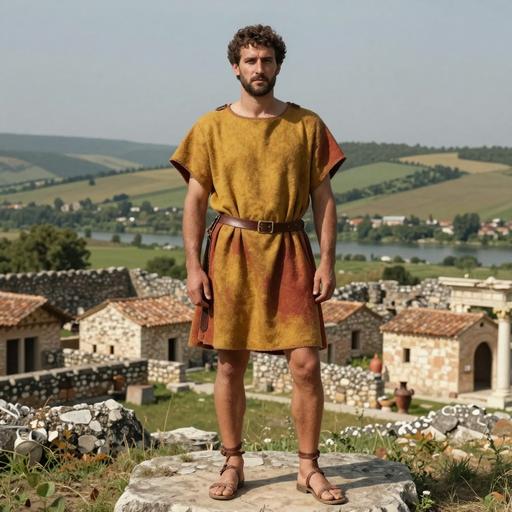
Archaeology paints Roman daily life here as layered and cinematic: soldiers marching along the Danube, merchants unloading amphorae, and rural families tending fields under imperial taxation. Excavations at Viminacium reveal baths, workshops, and cemeteries where grave goods range from military accoutrements to imported fine wares, indicating a population integrated into imperial economic networks. Casal Bertole's funerary evidence and domestic features reflect agricultural lifeways within reach of Rome's markets.

Skeletal analyses indicate varied diets and stress markers, pointing to social differentiation—some individuals show isotopic signatures consistent with diets rich in Mediterranean cereals and marine imports, others reflect more local terrestrial diets. Burial practices at the Danubian sites mix Roman rites with local expressions, a material echo of cultural blending. Lepenski Vir, though primarily known for earlier Mesolithic-Neolithic occupation, appears in the later record as a place reused or remembered in the landscape; archaeological data indicates continuity of place even when populations and practices changed.

These human stories—work, trade, belief—are the cultural backdrop against which the genetic data must be read. Biology and artifacts together help reconstruct migration, integration of soldiers and settlers, and the everyday consequences of empire.

  • Viminacium cemeteries show military and civilian burial traditions
  • Dietary isotopes and pathology reveal diverse subsistence and social roles
Chapter V

Genetic Profile

The dataset comprises 66 genomes dated 1–538 CE from Serbia and Italy (sites include Viminacium's multiple cemeteries and Casal Bertole near Rome, plus a locality record at Lepenski Vir). Y-chromosome diversity is notable: haplogroup E is the most frequent (15 samples), followed by R (7), G (6), J (5), and I (3). Mitochondrial lineages are dominated by H (17), with U (6), T (4), J (3), and K (3) also represented.

These patterns are consistent with a Mediterranean-influenced gene pool combined with regional Balkan ancestry. Haplogroup E on the male line—common in parts of the Mediterranean and North Africa—may reflect army movements, settlers, or long-distance trade links; haplogroups R, G, I, and J point to a mixture of local European and broader Eurasian lineages. Maternal haplogroups dominated by H and U align with widespread West Eurasian maternal ancestry typical of Europe during antiquity.
Genetic data corroborates archaeological evidence for mobility: military recruitment, veteran settlement, and mercantile networks would introduce and redistribute diverse ancestries. However, sampling is geographically focused (many samples from Viminacium), so regional prevalence across the entire Roman world cannot be inferred from this set alone. Where sample counts are modest for particular haplogroups (for example, I = 3), conclusions should be treated as preliminary and context-dependent. Future sampling across more civilian and rural sites would sharpen demographic models and timelines of admixture.

  • Y-DNA dominated by E (15) with R, G, J, I also present
  • mtDNA dominated by H (17); patterns suggest Mediterranean + Balkan ancestry
Chapter VI

Legacy & Modern Connections

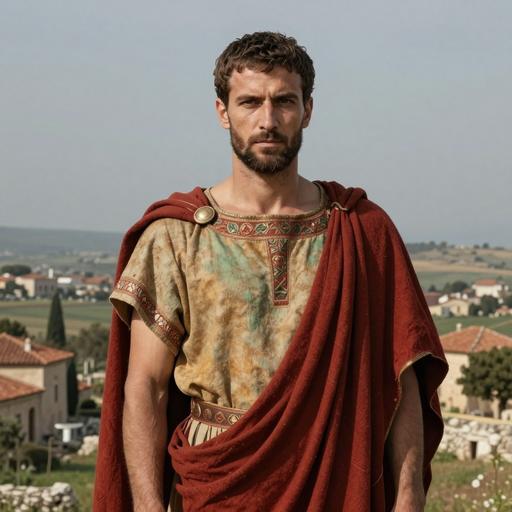
The genetic and archaeological imprint of Roman-era communities in Serbia and Lazio persists in modern populations as a palimpsest of mobility and mixture. Archaeological continuity of places like Viminacium—rebuilt, refortified, and remembered—mirrors genomic continuity layered with episodes of influx. Contemporary inhabitants of the Balkans and central Italy inherit this complex ancestry, but direct lines of descent are mediated by subsequent migrations in the medieval and modern periods.

Archaeogenomic snapshots such as these help trace threads: some Y- and mtDNA lineages observed in the Roman-period samples are also present in modern Mediterranean and Balkan populations, suggesting long-term persistence of certain haplogroups. Yet the mosaic nature of ancestry cautions against simple narratives. Archaeological context, historical records, and expanded ancient DNA sampling together provide the most reliable path to understanding how imperial dynamics shaped later genetic landscapes.

  • Some ancient haplogroups persist regionally, reflecting long-term ancestry layers
  • Legacy shaped by imperial mobility, later migrations, and local continuity
Chapter VII

Sample Catalog

64 ancient DNA samples associated with the Roman Frontiers: Serbia & Italy culture

Ancient DNA samples from this era, providing genetic insights into the people who lived during this period.
64 / 64 samples
Portrait Sample Country Era Date Culture Sex Y-DNA mtDNA
Portrait of ancient individual I15485 from Serbia, dated 100 CE
I15485
Serbia Serbia_Roman 100 CE Roman U - H
Portrait of ancient individual I15486 from Serbia, dated 1 CE
I15486
Serbia Serbia_Roman 1 CE Roman F - T2
Portrait of ancient individual I15487 from Serbia, dated 200 CE
I15487
Serbia Serbia_Roman 200 CE Roman F - T1a
Portrait of ancient individual I15488 from Serbia, dated 200 CE
I15488
Serbia Serbia_Roman 200 CE Roman F - H41a
Portrait of ancient individual I15489 from Serbia, dated 200 CE
I15489
Serbia Serbia_Roman 200 CE Roman M G-Y140827 H
Portrait of ancient individual I15490 from Serbia, dated 1 CE
I15490
Serbia Serbia_Roman 1 CE Roman M E-CTS1273 H6b
Portrait of ancient individual I15491 from Serbia, dated 1 CE
I15491
Serbia Serbia_Roman 1 CE Roman M E-P177 H7
Portrait of ancient individual I15492 from Serbia, dated 241 CE
I15492
Serbia Serbia_Roman 241 CE Roman M R-L20 H7
Portrait of ancient individual I15493 from Serbia, dated 1 CE
I15493
Serbia Serbia_Roman 1 CE Roman M - H8c
Portrait of ancient individual I15494 from Serbia, dated 1 CE
I15494
Serbia Serbia_Roman 1 CE Roman F - H5a2
AI Powered

AI Assistant

Ask questions about the Roman Frontiers: Serbia & Italy culture

AI Assistant by DNAGENICS

Unlock this feature
Ask questions about the Roman Frontiers: Serbia & Italy culture. Our AI assistant can explain genetic findings, historical context, archaeological evidence, and modern connections.
Sample AI Analysis

The Roman Frontiers: Serbia & Italy culture represents a fascinating chapter in human history...

Genetic analysis reveals connections to earlier populations while showing evidence of unique adaptations and cultural innovations. The ancient DNA samples provide insights into migration patterns, social structures, and the biological relationships between ancient populations.

This is a preview of the AI analysis. Unlock the full AI Assistant to explore detailed insights about:

  • Genetic composition and ancestry
  • Migration patterns and origins
  • Daily life and cultural practices
  • Modern genetic legacy
Use code for 35% off Expires May 20