Menu
Store
Blog
Brazil_Capelinha_Sambaqui_10400BP Brazil — Southeast & South coasts; SE Amazonia

Sambaqui Shorelines: Brazil's Ancient Builders

From 8,500 BCE hunters to c.2400 BP shell-mound builders — archaeology meets aDNA on Brazil’s coasts

8547 BCE - 19442400 CE
1 Ancient Samples
Scroll to begin
Chapter I

The Story

Understanding the Sambaqui Shorelines: Brazil's Ancient Builders culture

Coastal Brazilian cultures from 8547 BCE–1944 CE, centered on Sambaqui and Jabuticabeira II sites, are illuminated by 32 aDNA samples. Predominant Y-haplogroup Q and mtDNA C1c point to deep Indigenous lineages and regional diversity; interpretations remain cautious given archaeological complexity.

Time Period

8547 BCE–1944 CE (notable c.2400 BP)

Region

Brazil — Southeast & South coasts; SE Amazonia

Common Y-DNA

Q (predominant; 17/32 samples)

Common mtDNA

C1c predominant (17/32); B2, D1, D, A present

Chapter II

Timeline

Key moments in the history of this culture

8547 BCE

Earliest sampled occupation

Earliest dated material in this dataset indicates human presence around 8547 BCE, linked to early hunter-gatherer contexts in the Lagoa Santa region.

450 BCE

Sambaqui florescence (c.2400 BP)

Around 2400 BP (≈450 BCE) midden-building intensifies at sites like Jabuticabeira II, marking a high point in shell-mound construction and coastal aggregation.

1944 CE

Latest sampled burial

The most recent dated material in the assemblage falls in 1944 CE, reflecting historic-era deposits or intrusive burials linked to continued site use.

Chapter III

Origins & Emergence

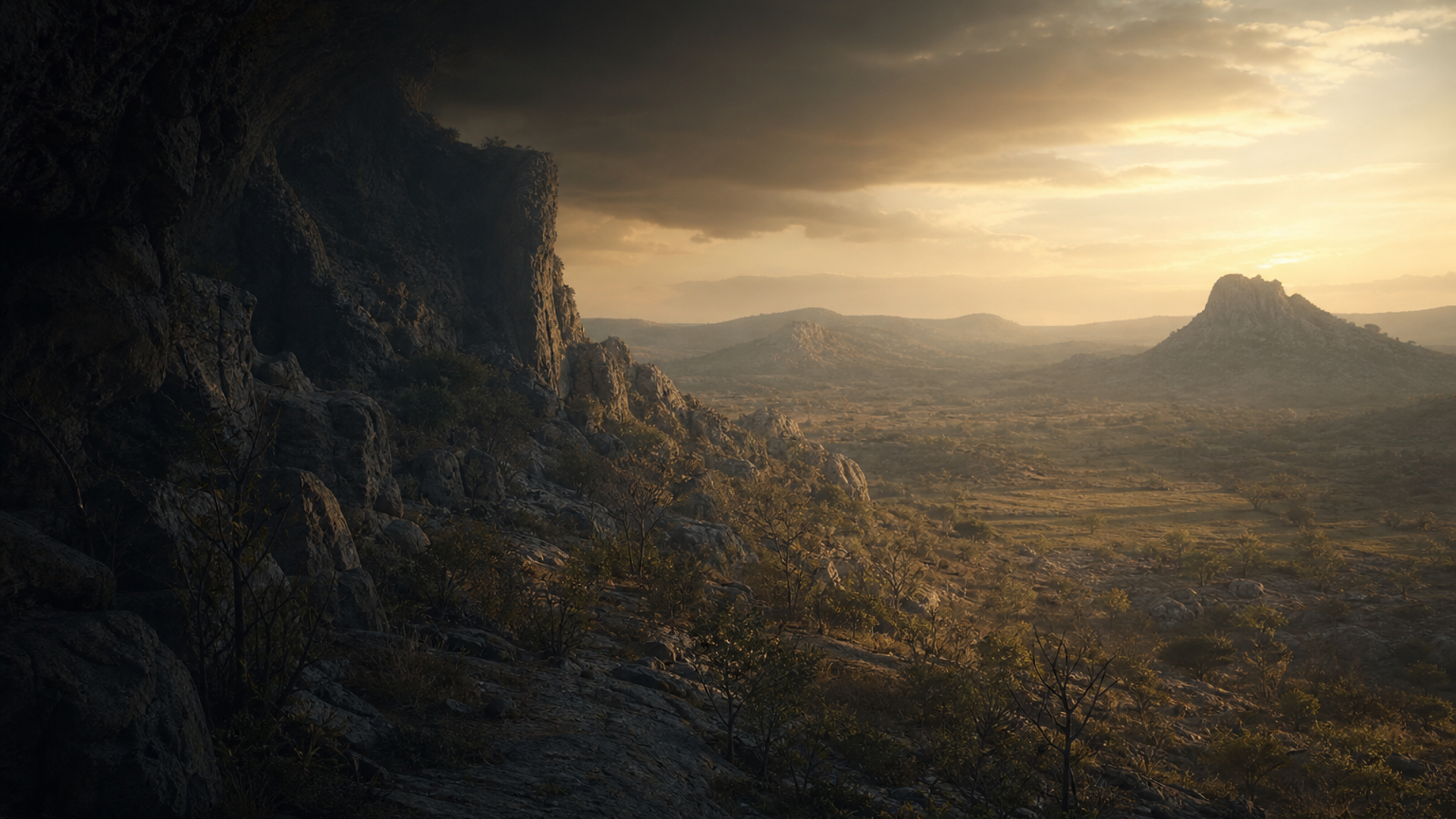
Along Brazil’s southern and southeastern shores a long human story is written in shell, bone and sand. Archaeological data indicates occupation stretching from early hunter-gatherers in the Lagoa Santa region (earliest dated material in this dataset to 8547 BCE) to the specialized shell-midden—sambaqui—builders whose monumental mounds define sites such as Jabuticabeira II (South Coast), Cabeçuda, Cubatão I and Galheta IV. The core era highlighted here, linked to Brazil_JabuticabeiraII_Sambaqui_2400BP, marks an energetic phase of mound construction and dense coastal settlement roughly c.2400 BP (≈450 BCE), though shell-midden formation both precedes and post-dates that horizon.

Fieldwork at named localities (Capelinha, Sambaqui do Limão, Loca do Suin, Palmeiras-Xingu and others) reveals repeated seasonal use, middens built from rich marine faunas, and burial deposits often integrated into the mounds. Limited evidence suggests complex lifeways combining fishing, shellfish gathering, and terrestrial resources, with regional variation across the South and Southeast coasts and into Southeast Amazonia. Cultural labels such as “Sambaqui” and “Jabuticabeira II” help order material variation, but stratigraphic mixing, post-depositional processes and centuries of reuse require cautious periodization.

The 32 ancient DNA samples span this deep chronology and are tied to specific sites, allowing us to start linking material culture horizons with genetic signatures while acknowledging that many questions remain open.

  • Earliest sampled material reaches 8547 BCE; peak sambaqui activity around c.2400 BP (~450 BCE)
  • Key sites: Jabuticabeira II, Cabeçuda, Cubatão I, Galheta IV, Sambaqui do Limão
  • Stratigraphic complexity means cultural labels are heuristic, not absolute
Chapter IV

Daily Life & Society

The archaeological record evokes a coastline of rhythm and ritual: the daily harvest of shellfish and fishes, the seasonal return to favored coves, and the slow accretion of shell that became a visible statement on the landscape. Midden architecture at Cubatão I, Galheta IV and Jabuticabeira II includes living floors, burial pits and ceremonial facies — indicating that these were not just refuse heaps but multilayered cultural places. Skeletal finds suggest varied mortuary practices, sometimes with grave goods or deliberate reorientation of remains within mounds.

Material culture recovered from these sites — stone tools, bone implements, and occasional pottery in later contexts — points to adaptable subsistence strategies combining marine and terrestrial resources. Limited isotopic and zooarchaeological evidence indicates heavy reliance on coastal resources, supplemented by hunting and plant gathering inland. Ethnographic analogies and regional ecology suggest mobile family groups with enduring territorial attachments to shell-mound localities.

Archaeological data indicates social differentiation at some sites: larger mounds and richer burials imply emergent hierarchy or long-term site guardianship, but variation is high. Seasonal mobility, exchange networks along the coast, and intervisibility between mounds would have created both local identities and broader maritime cultural ties.

  • Shell middens served as habitation, burial and ceremonial spaces
  • Economy: intensive coastal foraging supplemented by terrestrial hunting and gathering
Chapter V

Genetic Profile

Thirty-two ancient samples provide a first-generation genetic window onto these coastal populations. Y-chromosome data are dominated by haplogroup Q (17 samples), a lineage widespread among Native American populations, suggesting male-line continuity with broader Indigenous ancestries. Mitochondrial DNA is strongly represented by C1c (17 samples), with additional maternal lineages B2 (3), D1 (2), D (2) and A (2). This distribution signals deep-rooted East Asian-derived founding branches that persisted in coastal Brazil.

Archaeogenetic patterns align with archaeological expectations of regional continuity, but the sample size and geographic clustering require careful interpretation. While Q and C1c dominance suggests long-term genetic continuity in these coastal groups, low counts for several haplogroups (for example B2 and D1) mean conclusions about demographic proportions or sex-biased processes must remain tentative. Where multiple temporal layers are available — for example Jabuticabeira II versus later historic-era deposits — genetic data hint at stability through time but also local micro-differentiation that could reflect migration, marriage networks, or differential preservation.

When integrated with material culture, aDNA helps distinguish persistent local lineages from episodic gene flow. However, archaeogenetic inference should be framed as probabilistic: additional sampling across inland and coastal sites is needed to resolve population structure, timing of contacts, and relationships to present-day Indigenous groups.

  • Predominant Y-DNA: Q (17/32); predominant mtDNA: C1c (17/32)
  • Patterns suggest long-term Indigenous lineages with regional diversity; modest sample sizes limit fine-scale inference
Chapter VI

Legacy & Modern Connections

The shell mounds remain a visible legacy on Brazil’s shores — archaeological palimpsests of daily life, ceremony and memory. Genetic continuity indicated by prevalent Q and C1c lineages ties these ancient communities to the broader tapestry of Indigenous America, offering tangible links that enrich contemporary understandings of ancestry. For descendant communities and modern researchers the combination of skeletal, material and genetic data opens narratives of persistence, mobility and adaptation across millennia.

At the same time, interpretations must respect the limits of the data: 32 samples provide meaningful signals but cannot capture the full demographic complexity of a vast coastline. Collaboration with Indigenous stakeholders, expanded sampling across inland-coastal transects, and contextualized museum and site curation are essential to translate genetic findings into responsible public history. Archaeological sites such as Jabuticabeira II and Cabeçuda continue to inform both scientific research and local cultural heritage, reminding us that past shorelines shaped present identities.

  • aDNA links ancient coastal populations to broader Indigenous lineages, supporting long-term continuity
  • Ongoing research and community collaboration are essential to refine ancestry narratives
Chapter VII

Sample Catalog

1 ancient DNA samples associated with the Sambaqui Shorelines: Brazil's Ancient Builders culture

Ancient DNA samples from this era, providing genetic insights into the people who lived during this period.

1 / 1 samples
Portrait Sample Country Era Date Culture Sex Y-DNA mtDNA
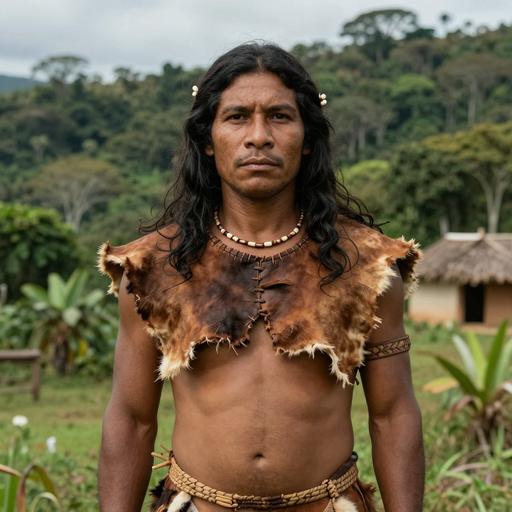
Portrait of ancient individual CAP007 from Brazil, dated 8547 BCE
CAP007
Brazil Brazil_Capelinha_Sambaqui_10400BP 8547 BCE Pre-Columbian Brazilian M Q-M3 C1d1
AI Powered

AI Assistant

Ask questions about the Sambaqui Shorelines: Brazil's Ancient Builders culture

AI Assistant by DNAGENICS

Unlock this feature
Ask questions about the Sambaqui Shorelines: Brazil's Ancient Builders culture. Our AI assistant can explain genetic findings, historical context, archaeological evidence, and modern connections.
Sample AI Analysis

The Sambaqui Shorelines: Brazil's Ancient Builders culture represents a fascinating chapter in human history...

Genetic analysis reveals connections to earlier populations while showing evidence of unique adaptations and cultural innovations. The ancient DNA samples provide insights into migration patterns, social structures, and the biological relationships between ancient populations.

This is a preview of the AI analysis. Unlock the full AI Assistant to explore detailed insights about:

  • Genetic composition and ancestry
  • Migration patterns and origins
  • Daily life and cultural practices
  • Modern genetic legacy
Use code for 30% off Expires May 12