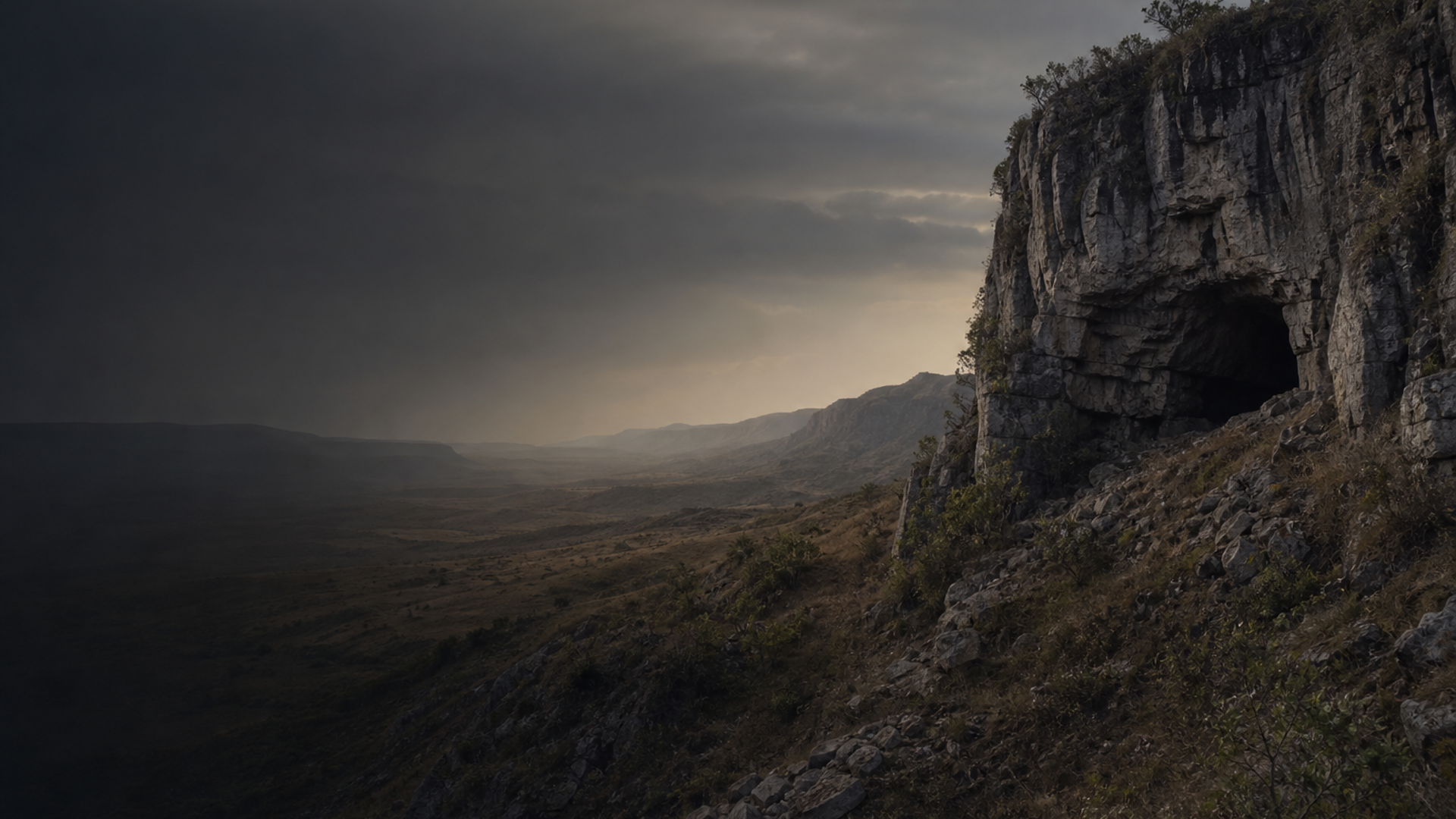
Archaeological traces from Lagoa Santa evoke a mobile, resourceful lifeway shaped by lakes, seasonally flooded plains, and limestone caves. Stone tools recovered in and around Caverna do Sumidouro are typically lightweight flake implements and simple retouched points consistent with generalized foraging strategies. Faunal assemblages from nearby sites in the Lagoa Santa district indicate exploitation of small to medium mammals, reptiles (including turtles), and freshwater resources; plant foods, though less frequently preserved, were almost certainly an important seasonal resource.
Burial behavior at Sumidouro appears deliberate: human remains recovered from sheltered contexts show intentional deposition. Archaeological data indicates a range of mortuary treatments across the Lagoa Santa area, suggesting social differentiation or changing practices through time. Objects directly associated with burials are sparse, and perishable materials—textiles, basketry, wooden implements—have not survived in quantity, leaving parts of daily life shrouded. Ethnographic analogy and experimental archaeology help fill some gaps, but such reconstructions remain provisional.
Mobility patterns were likely regional: cave sites served as recurring focal points rather than permanent villages, while groups moved across a mosaic of wetlands and gallery forests following seasonal resources. This picture of flexible foraging is consistent with the climatic backdrop of the Early Holocene and the physical geography of central-eastern Brazil.