Menu
Store
Blog
Pakistan_Katelai_IA Swat Valley, Pakistan

Swat Valley Iron Age Echoes

Archaeology and DNA illuminate Indo-Aryan-era communities in Pakistan's Swat Valley

1402 BCE - 108 CE
32 Ancient Samples
Scroll to begin
Chapter I

The Story

Understanding the Swat Valley Iron Age Echoes culture

Archaeological and genetic evidence from 110 samples (1402 BCE–108 CE) in Swat Valley, Pakistan, links fortified settlements, petroglyphs, and religious centers to a genetically mixed Iron Age population. Limited evidence indicates deep South Asian maternal roots with diverse paternal lineages.

Time Period

1402 BCE - 108 CE

Region

Swat Valley, Pakistan

Common Y-DNA

L (12), R (11), E (10), J (8), H (5)

Common mtDNA

M (17), U (13), HV (9), H (8), T (7)

Chapter II

Timeline

Key moments in the history of this culture

1402 BCE

Earliest dated individual

Oldest directly dated sample in the series (1402 BCE) links early Iron Age presence in the Swat Valley to Loebanr-associated contexts.

600 BCE

Flourishing fortified settlements

Archaeological evidence indicates active fortification and craft production at Barikot and Udegram during the first millennium BCE.

108 CE

Latest sampled period

Most recent individuals (108 CE) show continuity of occupation and layered cultural practices into the early Common Era.

Chapter III

Origins & Emergence

The Swat Valley sites associated with the Indo_Aryan identifier — Loebanr, Katelai, Udegram, Barikot, Butkara IV, and Gogdara — present a layered archaeological record from fortified settlements to ritual spaces. Radiocarbon-calibrated samples and stratigraphic dating place the analyzed individuals between 1402 BCE and 108 CE, situating them in the regional Iron Age horizon often termed the Loebanr/Barikot cultural continuum.

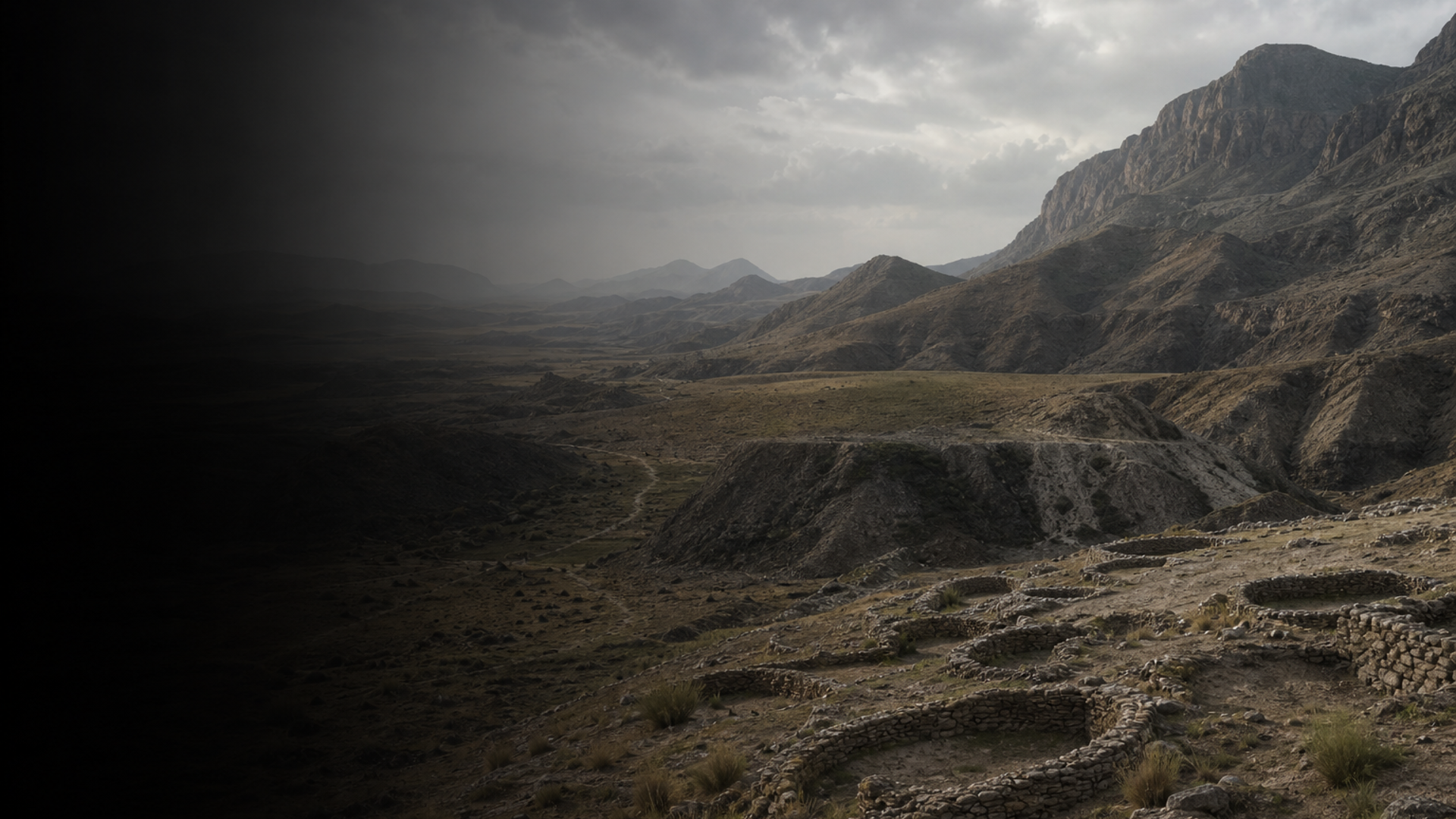
Archaeological data indicates continuity of settlement and periodic reorganization: fortified tells at Udegram and Barikot suggest local centers of power and craft production, while Butkara IV appears as a religious and cultural node with long-lived ritual activity. Petroglyphs documented at Gogdara and nearby outcrops mark a visual landscape of symbolic expression and mobility across valleys.

Limited evidence suggests that the material culture—iron tools, distinctive pottery forms, and architectural patterns—reflects both enduring local traditions and connections to neighboring highland and lowland networks. The archaeological picture is one of a dynamic frontier: communities anchored in the Swat Valley but open to trade, migration, and cultural exchange. Genetic data (see Genetics section) refines that picture by revealing a mosaic of ancestries, supporting archaeological interpretations of local persistence combined with episodic incoming gene flow.

Because preservation and excavation vary by site, and because chronology covers almost fifteen centuries, claims about origins must be cautious. The combination of archaeological context and DNA provides a richer, though still evolving, narrative of emergence in this storied valley.

  • Settlements: fortified tells at Udegram and Barikot indicate central places
  • Ritual landscape: Butkara IV and Gogdara petroglyphs show long-lived cultural expression
  • Cultural continuity mixed with external connections across the Iron Age
Chapter IV

Daily Life & Society

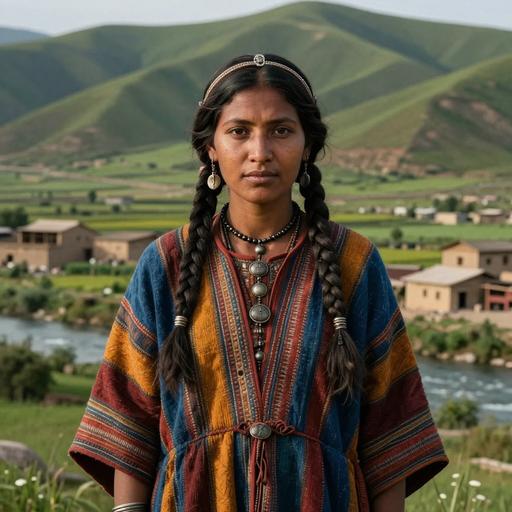
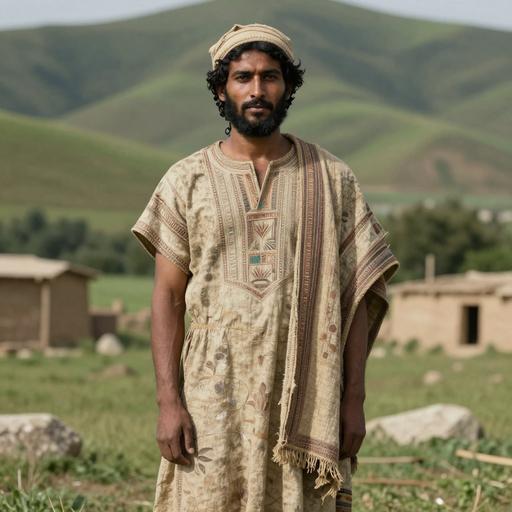
Material remains from the Swat Valley sites evoke a tactile world of farmers, craft specialists, and itinerant traders. Iron implements and traces of metallurgical activity imply local ironworking that transformed agricultural practices and toolkits. Storage pits and remains of grain-processing installations, where preserved, speak to cereal cultivation sustained by mountain-watered terraces.

Domestic architecture — mudbrick foundations, compact courtyards, and defensive revetments at fortified settlements — suggests clustered households organized around family compounds and communal tasks. Pottery traditions, from plain utilitarian wares to finer painted vessels, indicate both local production and exchange; imported raw materials or finished goods hint at long-distance ties.

Religious life left sharper marks at sites like Butkara IV, where ritual deposits, platform structures, and iconography (including rock art at Gogdara) point to communal ceremonies and sacred landscapes. Burial practices in the valley appear varied; preservation is uneven, so interpretive caution is required. Social hierarchies likely emerged around control of arable land, craft production, and trade routes through the valley, with fortified settlements serving as administrative or protective centers.

Everyday Swat was therefore a layered mosaic: households embedded in agricultural cycles, artisans adapting iron-age technologies, and communities participating in ritual and exchange networks that reached beyond the valley's terraces.

  • Agriculture augmented by local iron metallurgy and terraced irrigation
  • Fortified settlements indicate centralized organization alongside household clusters
Chapter V

Genetic Profile

The dataset comprises 110 individuals dated between 1402 BCE and 108 CE from multiple Swat Valley sites. This sample size is substantial for a regional Iron Age series, enabling more confident patterns than very small assemblages, but conclusions remain geographically constrained to Swat and the examined contexts.
Y-chromosome diversity: Observed paternal lineages include L (12), R (11), E (10), J (8), and H (5). This heterogeneity indicates multiple paternal inputs or a legacy of long-distance contacts. Haplogroup L and H are frequently associated with South Asian or nearby populations; R and J are widespread across West Eurasia and South-Central Asia; E at detectable frequencies suggests either historical connectivity with western regions or rare localized introductions. However, Y-chromosome data represent only the paternal line and are sensitive to drift and social structure.
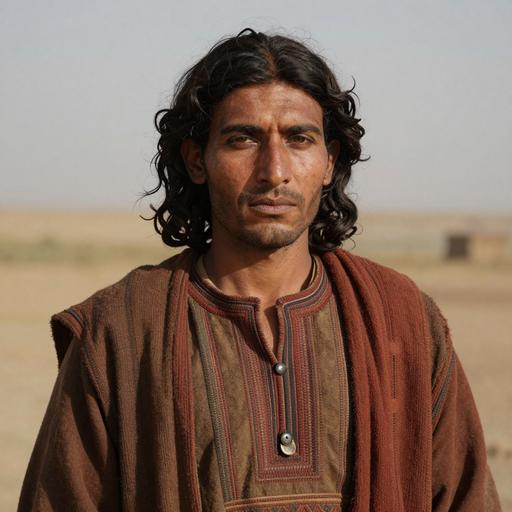
Mitochondrial diversity: The maternal pool shows prominence of M (17), U (13), HV (9), H (8), and T (7). Haplogroup M is ubiquitous across South Asia and often reflects deep regional maternal continuity. U and HV/H point to maternal lineages with wider West Eurasian affinities, implying admixture or female-mediated gene flow from the west or northwest.

Integrative interpretation: The pattern—dominant South Asian maternal signals alongside a mixed set of paternal haplogroups—matches an archaeological scenario of local demographic persistence combined with male-biased mobility or contact. Still, autosomal analyses (not summarized here) are necessary to quantify ancestry proportions. Given the sample count (110) the genetic portrait is informative for Swat Valley but should not be generalized to all northern South Asia without broader comparative sampling.

  • Maternal continuity: high frequency of mtDNA M suggests deep South Asian ancestry
  • Paternal heterogeneity: Y lineages indicate multiple incoming or interacting groups
Chapter VI

Legacy & Modern Connections

The Swat Valley Iron Age communities contributed threads to the genetic and cultural tapestry of northern Pakistan. Genetic continuity in maternal lineages alongside mixed paternal signatures implies that many modern populations in the region could carry inherited elements of these ancient groups, though later migrations and historical events have further reshaped ancestry.

Culturally, elements documented at Barikot, Loebanr, and Butkara—fortified settlement organization, craft traditions, and a ritualized landscape—resonate in later historical layers of the valley. DNA-driven archaeology helps bridge the material record with living populations, but scholars must avoid simplistic lineage claims. Identity is not a direct one-to-one mapping with haplogroups: social practices, language shifts, and centuries of movement alter the visible genetic signal.

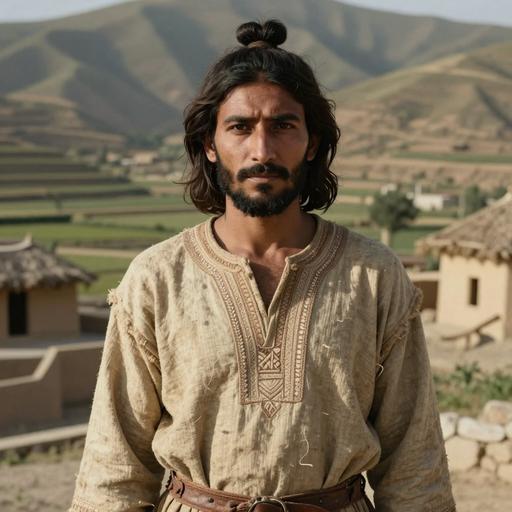
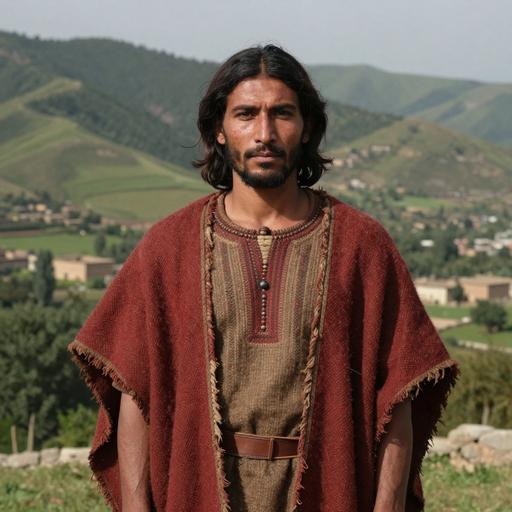
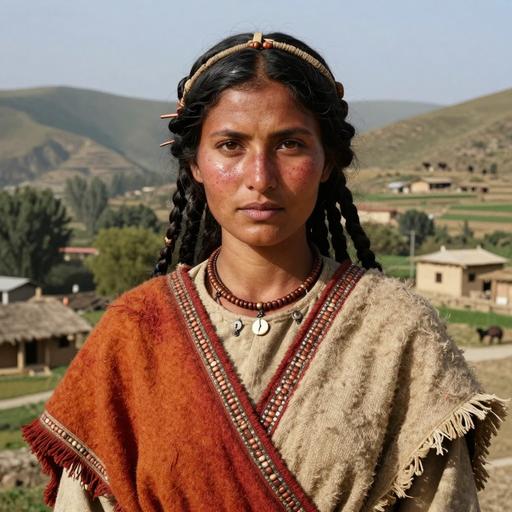
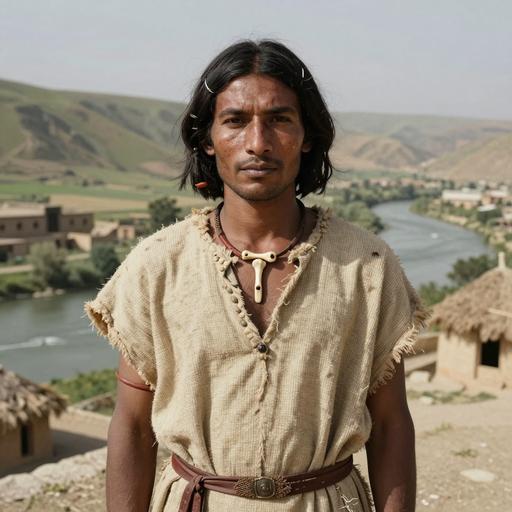
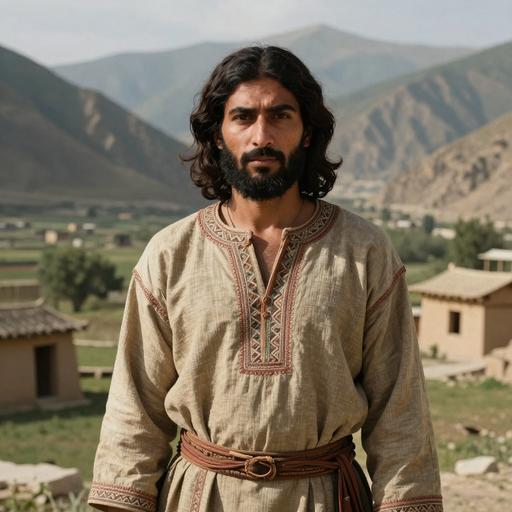
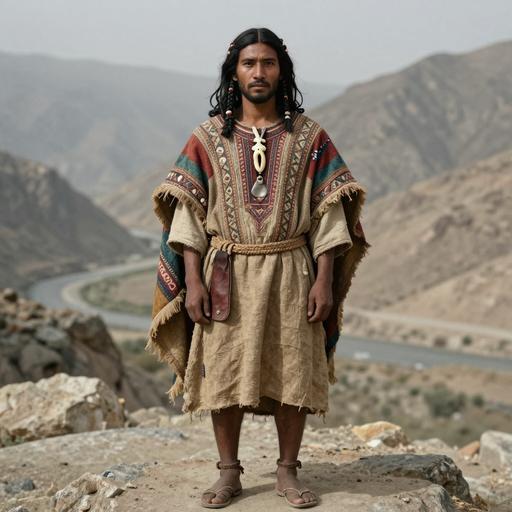
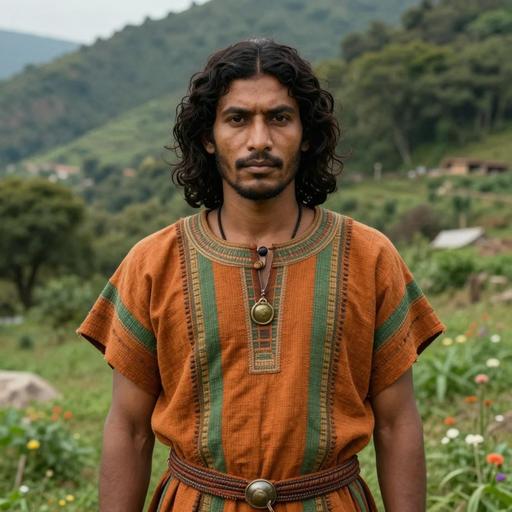
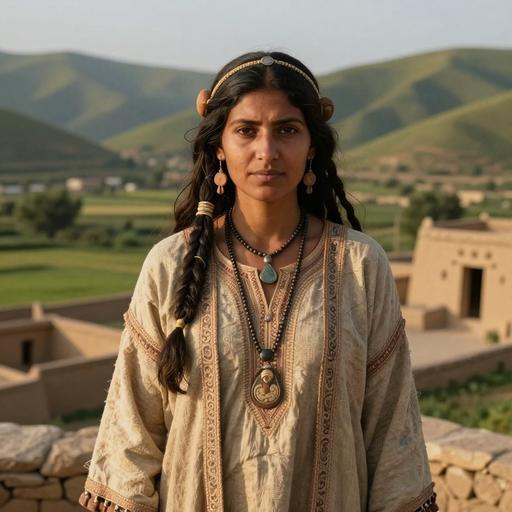
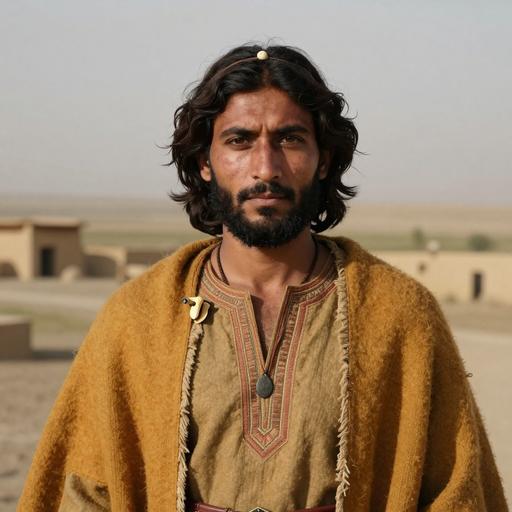
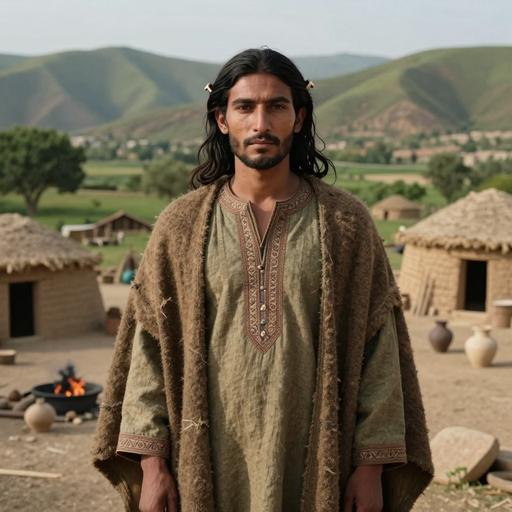
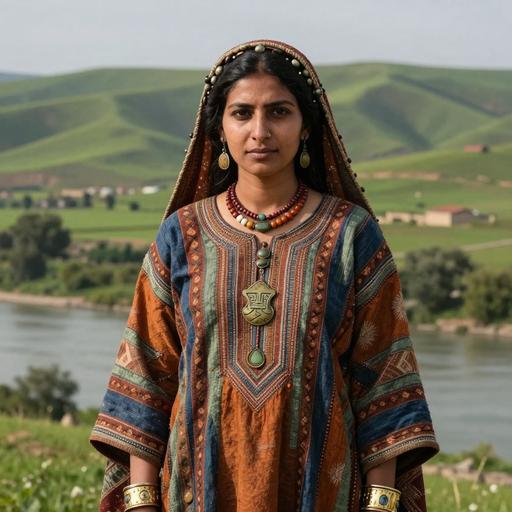
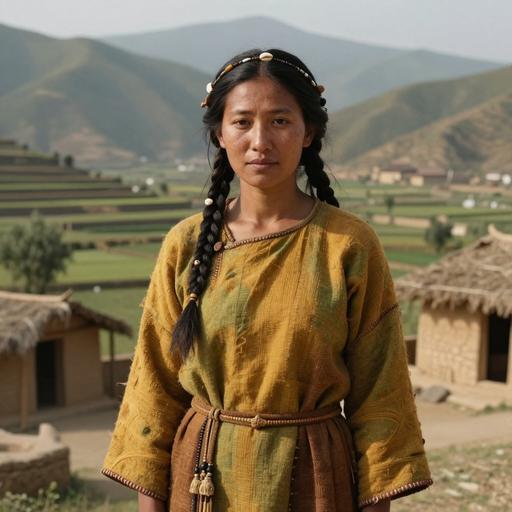
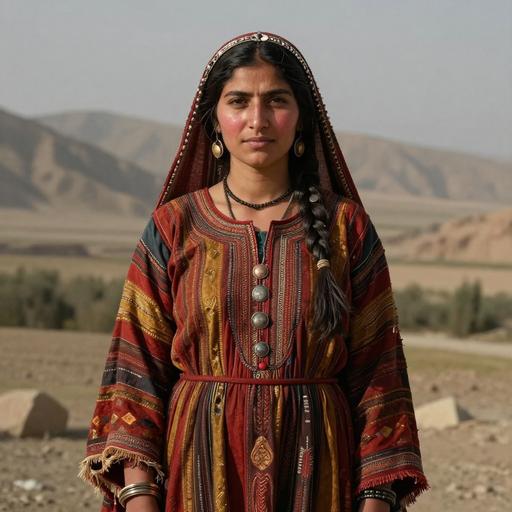
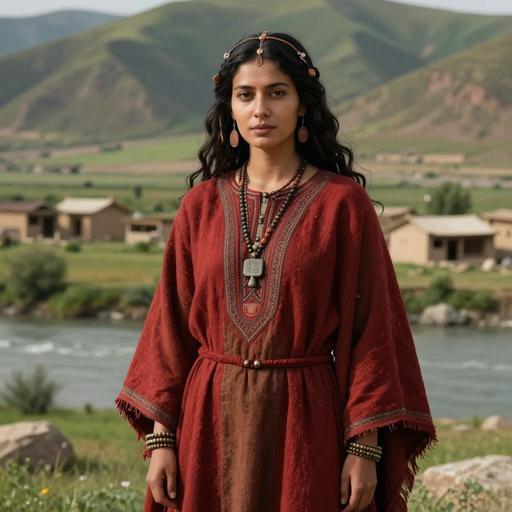
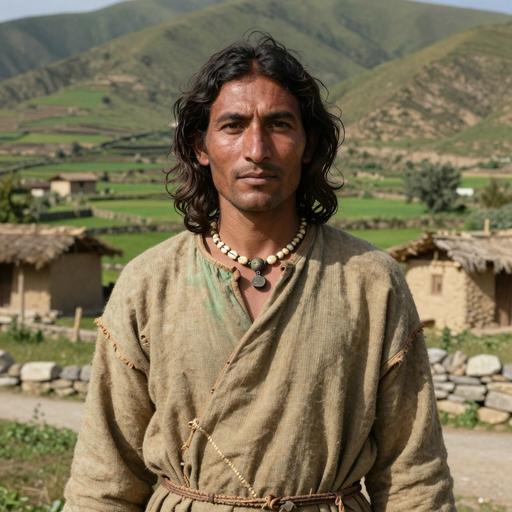
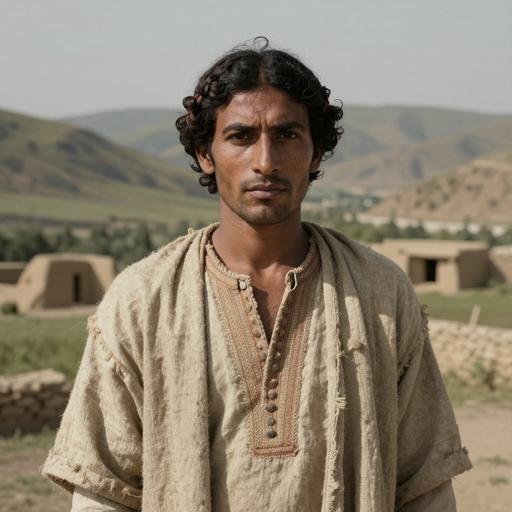
In museums and public interpretation, the cinematic image of mountain settlements and carved rock faces should be paired with the caveat that genetic and archaeological data together offer probabilistic reconstructions, not definitive biographies. Future sampling beyond Swat and integrated autosomal analyses will refine how these Iron Age communities contributed to the modern genetic mosaic of South Asia.

  • Modern populations likely retain mixed genetic traces, but later events also shaped ancestry
  • Archaeology + DNA provide probabilistic links—avoid identifying haplogroups with identities
Chapter VII

Sample Catalog

32 ancient DNA samples associated with the Swat Valley Iron Age Echoes culture

Ancient DNA samples from this era, providing genetic insights into the people who lived during this period.

32 / 32 samples
Portrait Sample Country Era Date Culture Sex Y-DNA mtDNA
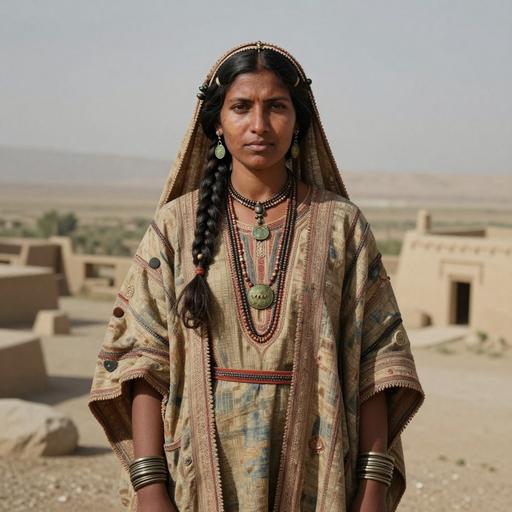
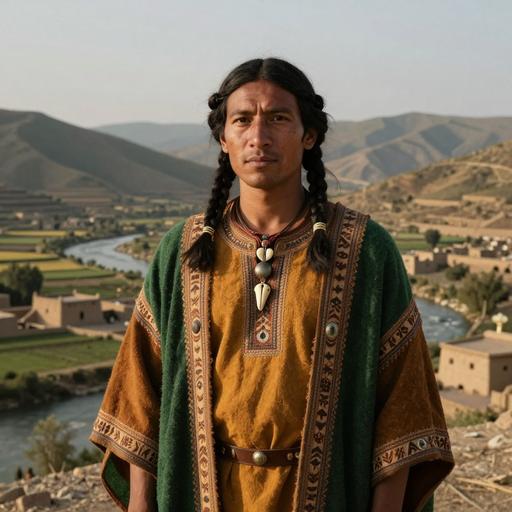
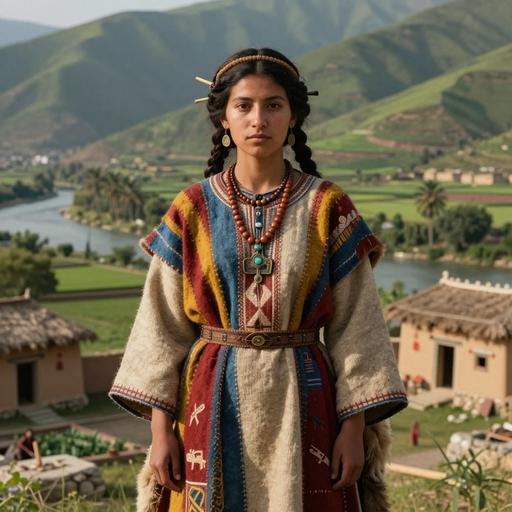
Portrait of ancient individual I5398 from Pakistan, dated 1000 BCE
I5398
Pakistan Pakistan_Katelai_IA 1000 BCE Indo-Aryan F - Z3a1a
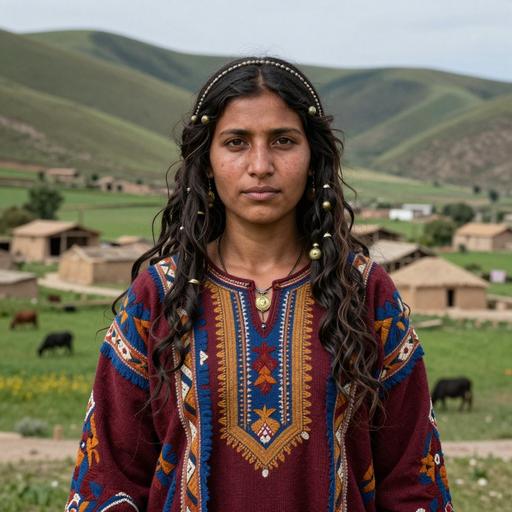
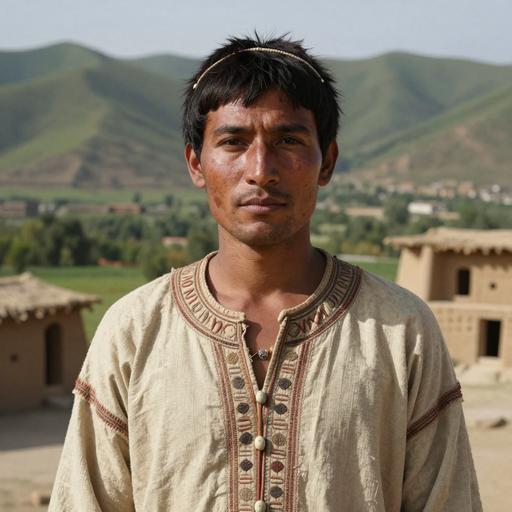
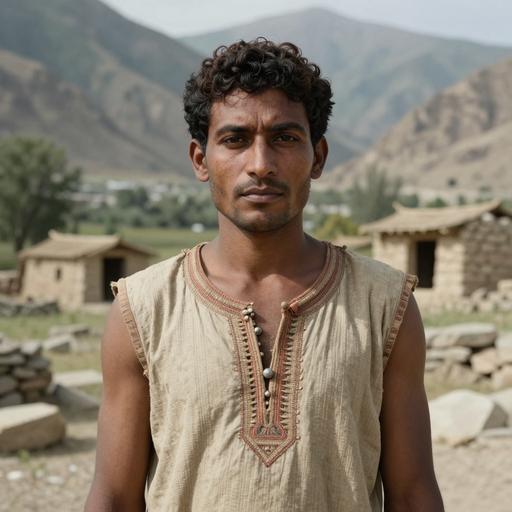
Portrait of ancient individual I12454 from Pakistan, dated 1000 BCE
I12454
Pakistan Pakistan_Katelai_IA 1000 BCE Indo-Aryan F - W3b
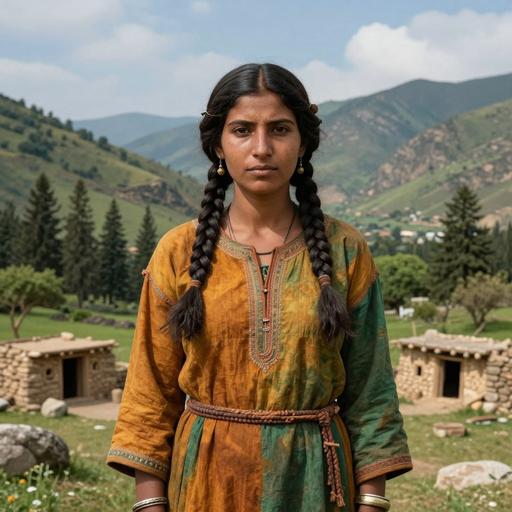
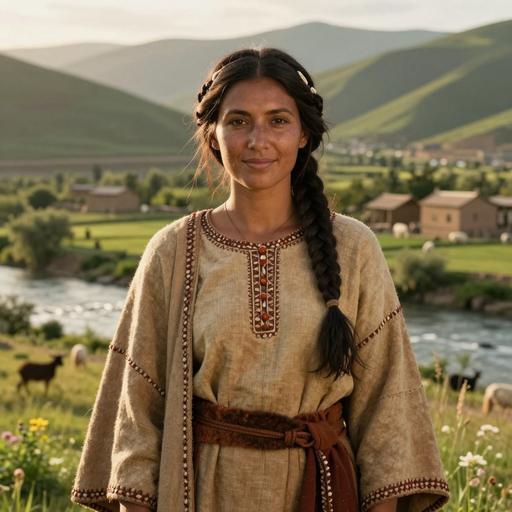
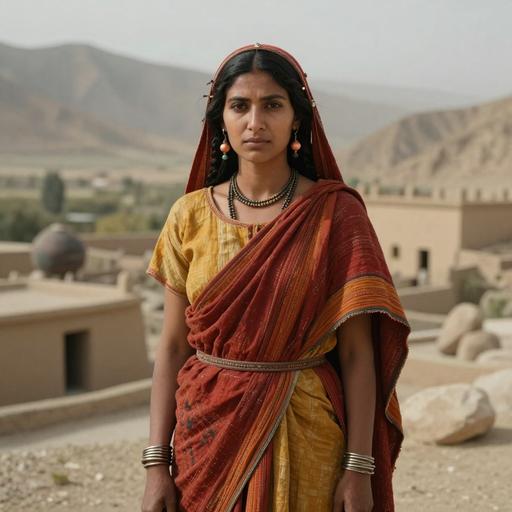
Portrait of ancient individual I5397 from Pakistan, dated 967 BCE
I5397
Pakistan Pakistan_Katelai_IA 967 BCE Indo-Aryan F - M35b-a
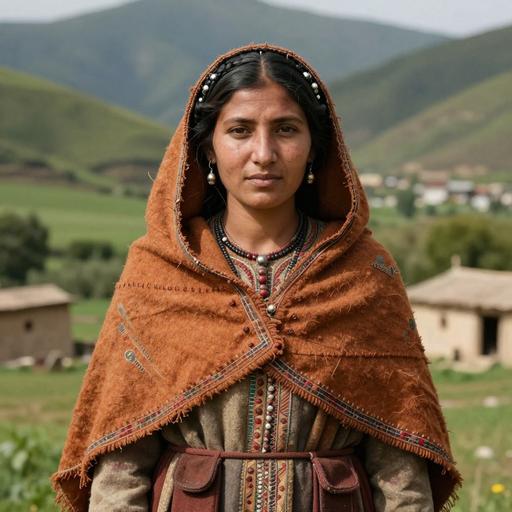
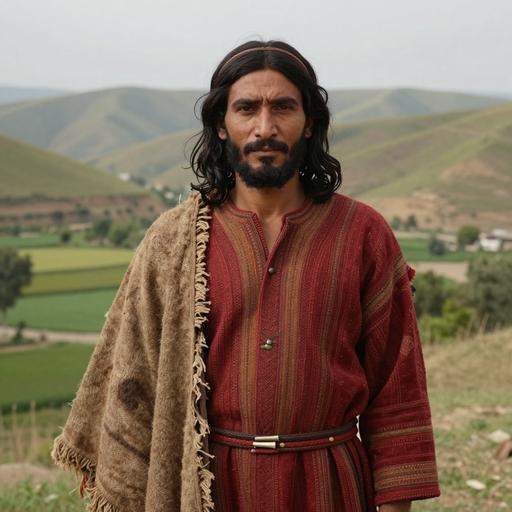
Portrait of ancient individual I12470 from Pakistan, dated 1000 BCE
I12470
Pakistan Pakistan_Katelai_IA 1000 BCE Indo-Aryan M R-V1180 M30c1
Portrait of ancient individual I12445 from Pakistan, dated 1000 BCE
I12445
Pakistan Pakistan_Katelai_IA 1000 BCE Indo-Aryan M L-FT350 U7a
Portrait of ancient individual I12460 from Pakistan, dated 1000 BCE
I12460
Pakistan Pakistan_Katelai_IA 1000 BCE Indo-Aryan F - U2b
Portrait of ancient individual I10523 from Pakistan, dated 1000 BCE
I10523
Pakistan Pakistan_Katelai_IA 1000 BCE Indo-Aryan M L-M357 U2c1
Portrait of ancient individual I12462 from Pakistan, dated 1000 BCE
I12462
Pakistan Pakistan_Katelai_IA 1000 BCE Indo-Aryan M R-V3467 HV12b1
Portrait of ancient individual I12149 from Pakistan, dated 1000 BCE
I12149
Pakistan Pakistan_Katelai_IA 1000 BCE Indo-Aryan M I-FT384999 M30c1
Portrait of ancient individual I12464 from Pakistan, dated 1000 BCE
I12464
Pakistan Pakistan_Katelai_IA 1000 BCE Indo-Aryan F - U1a
AI Powered

AI Assistant

Ask questions about the Swat Valley Iron Age Echoes culture

AI Assistant by DNAGENICS

Unlock this feature
Ask questions about the Swat Valley Iron Age Echoes culture. Our AI assistant can explain genetic findings, historical context, archaeological evidence, and modern connections.
Sample AI Analysis

The Swat Valley Iron Age Echoes culture represents a fascinating chapter in human history...

Genetic analysis reveals connections to earlier populations while showing evidence of unique adaptations and cultural innovations. The ancient DNA samples provide insights into migration patterns, social structures, and the biological relationships between ancient populations.

This is a preview of the AI analysis. Unlock the full AI Assistant to explore detailed insights about:

  • Genetic composition and ancestry
  • Migration patterns and origins
  • Daily life and cultural practices
  • Modern genetic legacy
Use code for 35% off Expires May 21