Menu
Store
Blog
Nepal_Chokhopani_2800BP Pakistan, Nepal, Afghanistan, India

Threads of the Indus: Valley to Valleys

Archaeology and DNA reveal a millennial tapestry across the Indus world and neighboring highlands.

2800 BCE - 1395 CE
1 Ancient Samples
Scroll to begin
Chapter I

The Story

Understanding the Threads of the Indus: Valley to Valleys culture

Archaeological remains from Rakhigarhi to Butkara II and Chokhopani, combined with 27 ancient genomes, reveal a long-lived network of urban Harappan centers, highland interactions, and genetic continuity with episodic admixture across Pakistan, India, Nepal and Afghanistan.

Time Period

2800 BCE – 1395 CE

Region

Pakistan, Nepal, Afghanistan, India

Common Y-DNA

R (8), O (2), G (2), BT (1), J (1)

Common mtDNA

U (8), M (7), D (2), H2a (2), HV (1)

Chapter II

Timeline

Key moments in the history of this culture

2600 BCE

Mature Harappan urban florescence

Urban planning, metallurgy and long-distance trade characterize Indus cities such as Rakhigarhi and Mohenjo-daro.

1200 BCE

Regional diversification

Decline of Harappan urban centers leads to regional cultural differentiation and increased activity in upland valleys like Swat.

500 CE

Butkara religious prominence

Butkara II in Swat functions as a major Iron Age and early historic religious center with evolving ritual architecture.

1395 CE

Latest sampled horizon

The most recent genomes reflect medieval occupational layers and continued genetic mixing in the region.

Chapter III

Origins & Emergence

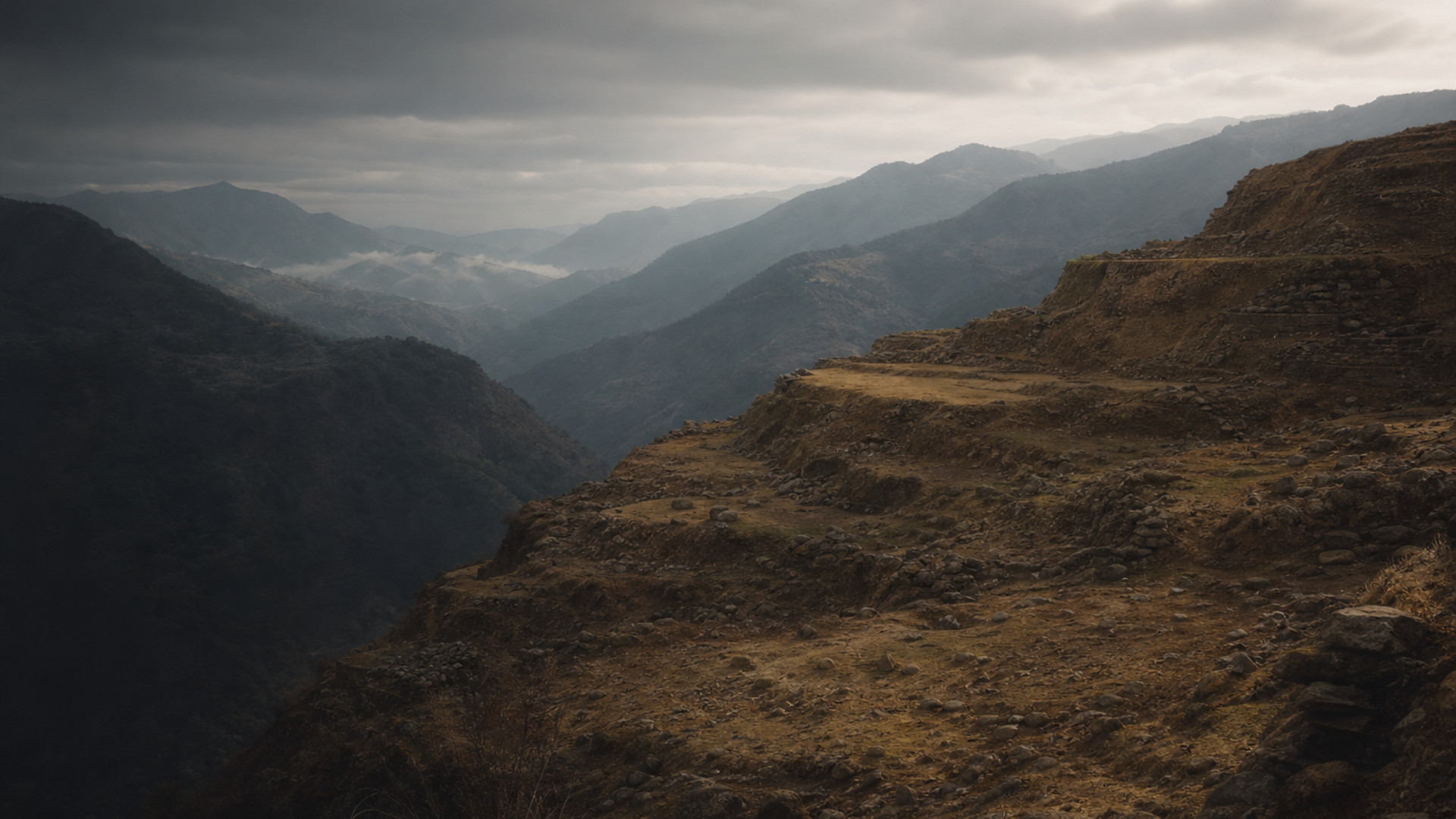
The archaeological horizon represented by these samples spans the mature Harappan urban tradition and later Iron Age and historic occupations in the Swat and Himalayan borderlands. Key sites include Rakhigarhi (Haryana, India) — one of the largest Harappan cities — and religious and domestic strata from Butkara II and Barikot in the Swat Valley (Pakistan). High-elevation graves and settlements such as Chokhopani and Mustang Suila in Nepal, and the deep-time deposits at Darra-i-Kur Cave in Afghanistan, testify to long-distance connections across plains and highlands.

Material evidence — urban grid planning, standardized weights, seals, bronze metallurgy and fortified citadels — anchors the early part of this sequence in the Middle–Late Bronze Age (c. 2600–1900 BCE). Archaeological data indicates subsequent regional diversification: Swat shows Iron Age ritual centers (Butkara), while Chokhopani records Chalcolithic-to-Iron Age funerary continuity in the Himalayan foothills. Limited evidence suggests sustained exchange of goods and ideas along river corridors and mountain passes, feeding both cultural innovation and demographic movement.

Genetically, ancient genomes from this region capture a multilayered emergence: local South Asian ancestries present from the Chalcolithic, superimposed with incoming elements at different times. Where sample density is lower for specific subregions, conclusions remain provisional and invite further sampling.

  • Core Harappan urbanism centered on Indus plains (Rakhigarhi).
  • Highland and Swat Valley sites show later Iron Age and ritual use (Butkara II, Barikot).
  • Archaeological evidence suggests long-lived trade and mobility across plains and mountains.
Chapter IV

Daily Life & Society

Excavations reveal a lived landscape of artisans, traders, farmers and ritual specialists. In Rakhigarhi and other Harappan towns, well-laid streets, granaries and craft workshops attest to dense urban organization; standardized weights and seals speak to regulated commerce. Bronze tools, beads of carnelian and faience, and evidence for cotton cultivation paint a material world of skilled manufacture and long-distance exchange.

In the Swat Valley, sites such as Barikot and Aligrama preserve layers of later Iron Age urbanism and sanctuaries where Buddhism flourished at Butkara II. Archaeological deposits include fortifications, courtyards and votive architecture suggesting evolving social hierarchies and religious landscapes. Chokhopani tombs in Nepal reveal funerary variability: deposits include grave goods and body treatments that illuminate beliefs about ancestry and afterlife in the foothills.

Daily diets combined locally grown cereals with pastoral products and riverine fish; pottery traditions and regional craft styles demonstrate both continuity and local adaptation. Archaeological data indicates social networks stretching from the Indus basin into Himalayan valleys, carried by merchants, pilgrims and seasonal migrants.

  • Urban industries: metallurgy, beadmaking, standardized crafts.
  • Swat Valley shows Iron Age sanctuaries and later historic occupation.
Chapter V

Genetic Profile

The genetic dataset (27 ancient samples dated between 2800 BCE and 1395 CE) provides a window into the region’s biological history, though 27 genomes still represent a partial picture of millennia of change. Y-chromosome diversity in this assemblage is dominated by haplogroup R (8 samples), with smaller counts of O (2), G (2), BT (1) and J (1). Maternal lineages are largely U (8) and M (7), with D, H2a and HV also present. These distributions reflect a complex interplay of local and extra-regional ancestries.

Interpretation: Y-haplogroup R is widespread and diverse across South Asia and Eurasia; its presence in multiple samples may indicate male-line continuity and/or incoming Steppe-related paternal inputs at various times, but haplogroup alone cannot specify precise migrations without higher-resolution subclades. Haplogroup O, more common in East and Southeast Asia, appears in a minority of samples and may signal eastern highland connections, which is archaeologically plausible given Himalayan contacts. Maternal haplogroups M and U together point to deep indigenous South Asian lineages (M) alongside West Eurasian-affiliated maternal components (U), consistent with multilayered ancestry documented in South Asian prehistoric genomes.

Given the temporal span to 1395 CE, the data capture both Bronze Age roots and later admixture events. Low counts for several haplogroups mean many inferences remain tentative; expanded sampling and higher-resolution sequencing are needed to resolve timing and routes of gene flow.

  • Y: predominance of R suggests male-line continuity and/or incoming inputs.
  • mtDNA: mixture of South Asian (M) and West Eurasian-associated (U) maternal lineages.
Chapter VI

Legacy & Modern Connections

Archaeological and genetic threads from the Indus world continue into the present: many modern populations of Pakistan, northern India and Nepal inherit a mosaic of ancestries and cultural practices that reflect ancient urbanism, mountain exchange and later historical movements. Sites such as Rakhigarhi and the Swat sanctuaries influenced settlement patterns, craft traditions and religious landscapes over centuries.

Genetically, the combination of maternal M lineages and mixed paternal signatures in these ancient samples mirrors broad patterns seen in contemporary South Asian populations — deep indigenous maternal roots with episodic paternal and autosomal contributions from neighboring regions. However, translating ancient haplogroup counts into direct ancestry claims for living communities requires caution: population movements, demographic bottlenecks and centuries of admixture have reshaped genetic landscapes since the Bronze Age.

Thus, these samples illuminate continuity and change: they are fragments of a sweeping story in which merchants, farmers, priests and migrants wove the human tapestry of South Asia. Continued interdisciplinary work, combining archaeology, ancient DNA and careful stratigraphic context, will refine how those threads connect to modern peoples.

  • Material and genetic continuities link ancient Indus-era communities to modern South Asian populations.

  • Caution: centuries of later admixture mean direct lineage claims are provisional.
Chapter VII

Sample Catalog

1 ancient DNA samples associated with the Threads of the Indus: Valley to Valleys culture

Ancient DNA samples from this era, providing genetic insights into the people who lived during this period.

1 / 1 samples
Portrait Sample Country Era Date Culture Sex Y-DNA mtDNA
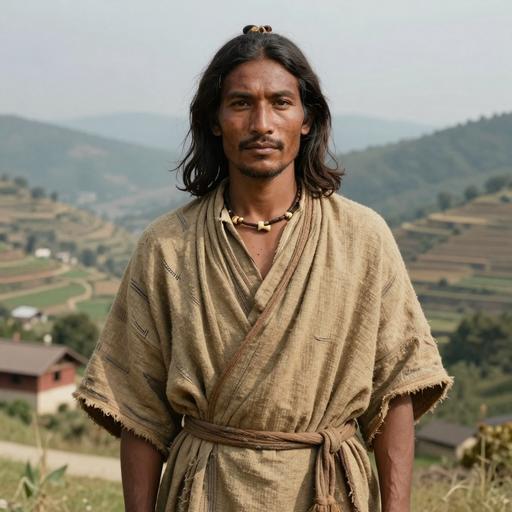
Portrait of ancient individual C1 from Nepal, dated 1200 BCE
C1
Nepal Nepal_Chokhopani_2800BP 1200 BCE Indus Valley Civilization M O-M117 D4j1b
AI Powered

AI Assistant

Ask questions about the Threads of the Indus: Valley to Valleys culture

AI Assistant by DNAGENICS

Unlock this feature
Ask questions about the Threads of the Indus: Valley to Valleys culture. Our AI assistant can explain genetic findings, historical context, archaeological evidence, and modern connections.
Sample AI Analysis

The Threads of the Indus: Valley to Valleys culture represents a fascinating chapter in human history...

Genetic analysis reveals connections to earlier populations while showing evidence of unique adaptations and cultural innovations. The ancient DNA samples provide insights into migration patterns, social structures, and the biological relationships between ancient populations.

This is a preview of the AI analysis. Unlock the full AI Assistant to explore detailed insights about:

  • Genetic composition and ancestry
  • Migration patterns and origins
  • Daily life and cultural practices
  • Modern genetic legacy
Use code for 35% off Expires May 21