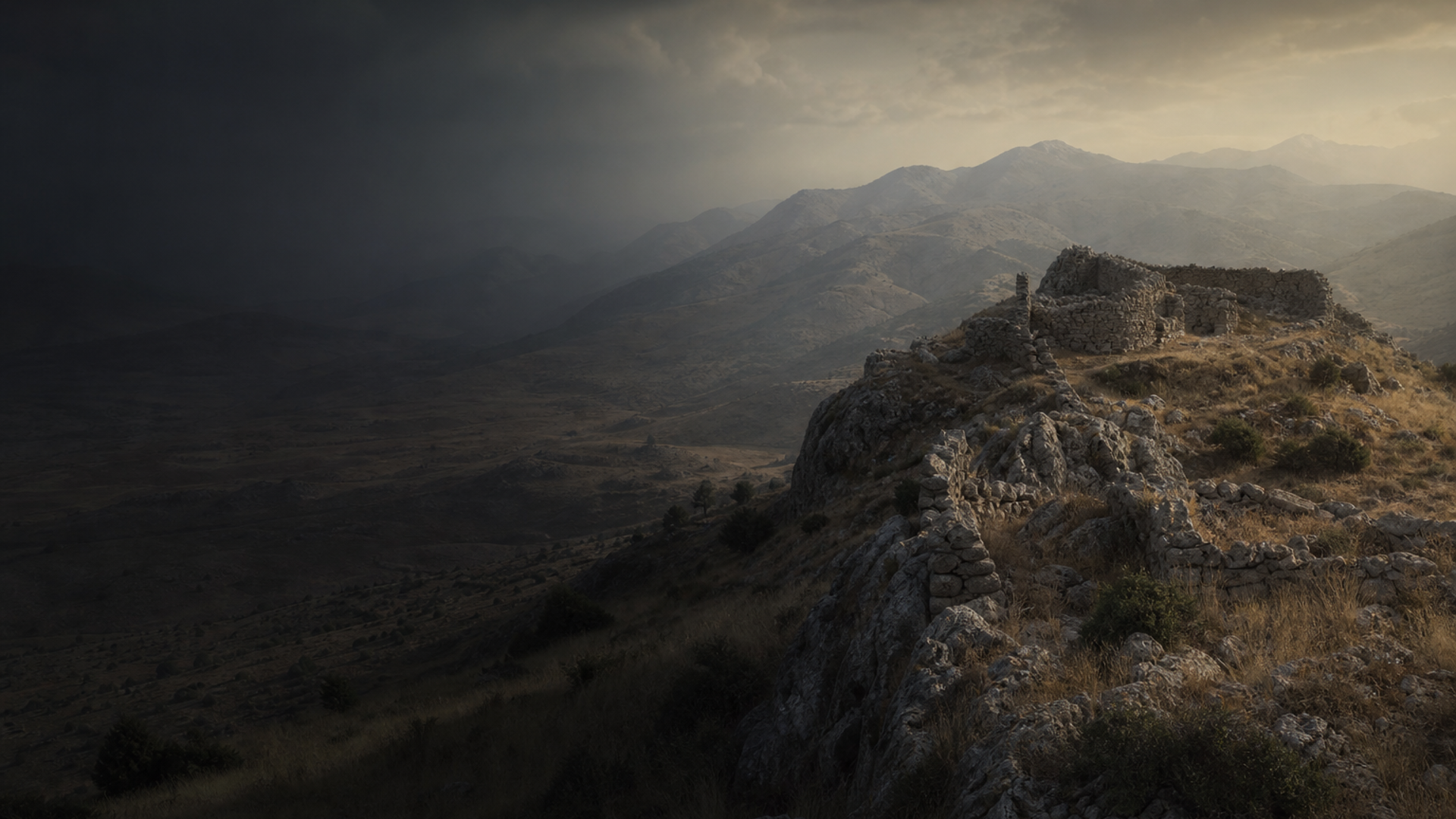
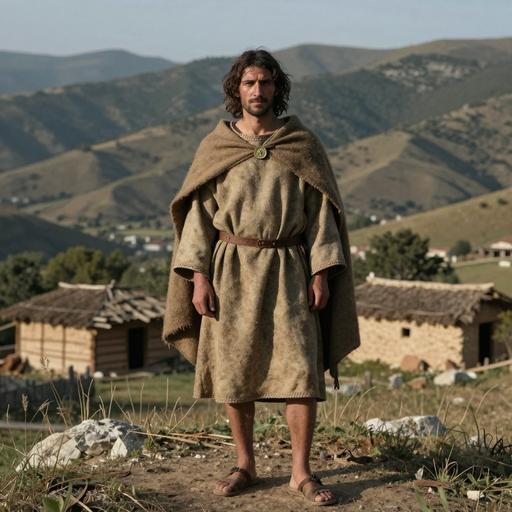
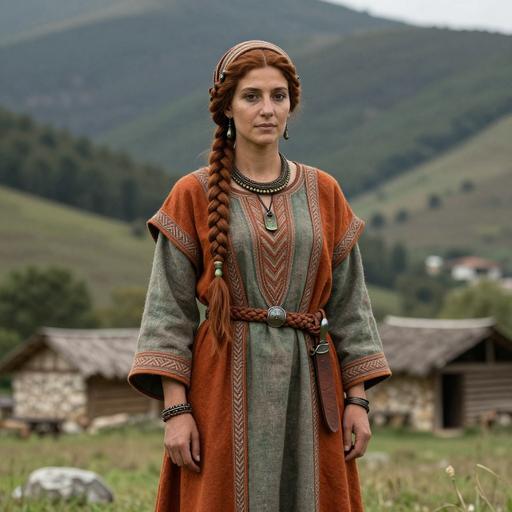
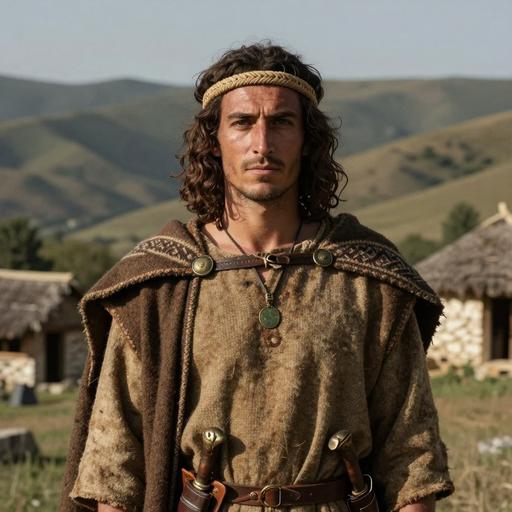
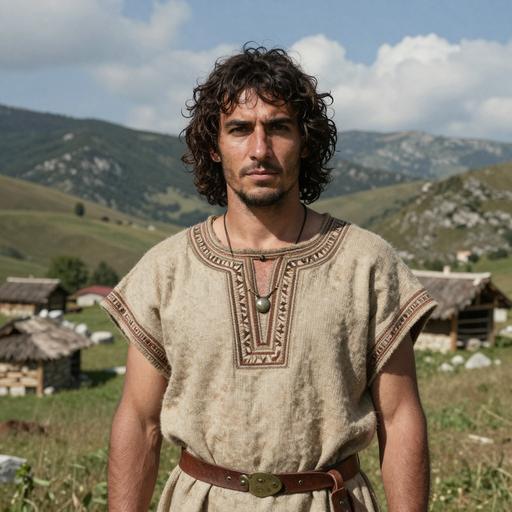
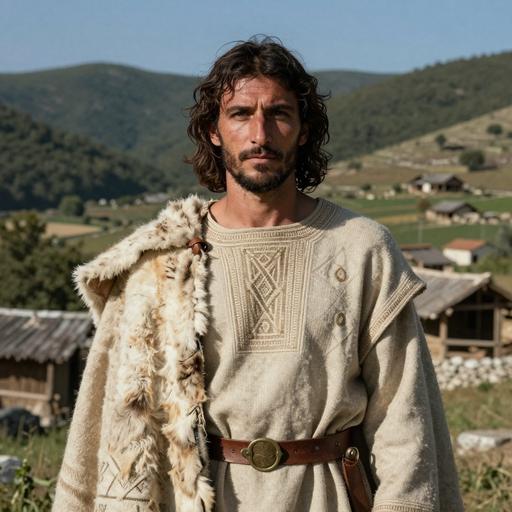
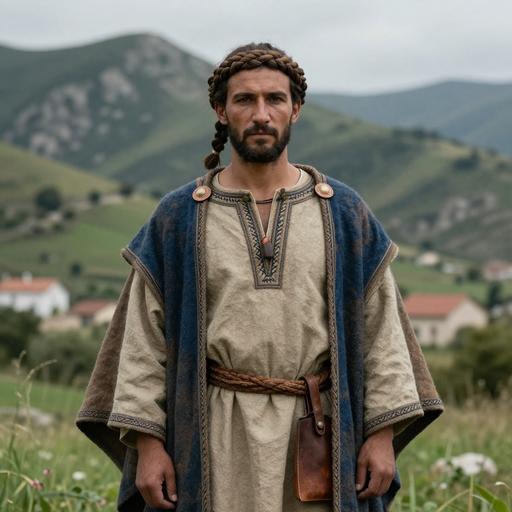
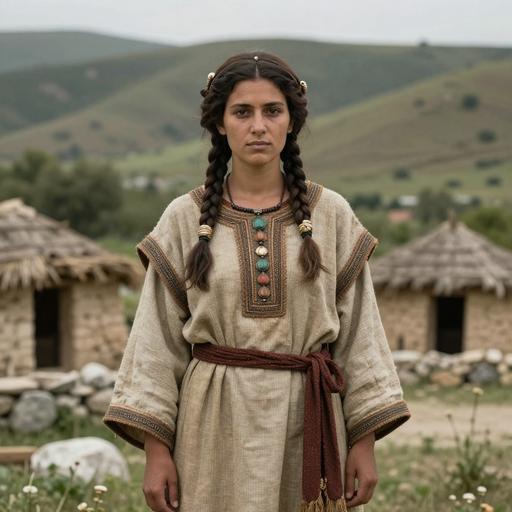
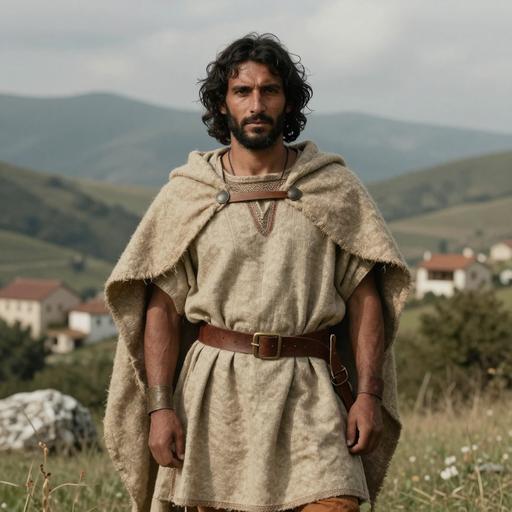
Across the long sweep from the late 3rd millennium BCE into the first millennium CE, the sites represented by the Albania_BA_IA samples — notably Dukat in the southwest and Çinamak in the Kukës District to the northeast — stand as weathered thresholds between ages. Archaeological data indicates that these locations participated in the braided movements of people, goods, and ideas that characterized the Balkan Bronze Age and the Transition to the Iron Age in Albania. Material culture from nearby excavations includes metalworking debris, pottery styles that shift from local Bronze Age types to forms associated with wider Adriatic and inland Balkan networks, and burial practices that show both continuity and change.
Limited evidence suggests a landscape of small, mobile communities connected by river valleys and mountain passes. The long date range of the samples (2700 BCE–1000 CE) compresses several distinct cultural phases — early Bronze Age settlement, middle and late Bronze Age social reorganization, and the eventual regional transformations leading into Iron Age social structures. Rather than a single 'culture', the archaeological record here reflects layered occupations and evolving lifeways.
Cinematic remnants — a bronze slag, a pot rim, a mound of earth choked with roots — evoke lives lived at the edge of empires and ecologies. While the material record is rich in texture, precise cultural affiliations across centuries remain cautious: archaeology speaks in fragments, and those fragments must be read alongside genetic signals to approach a fuller human story.