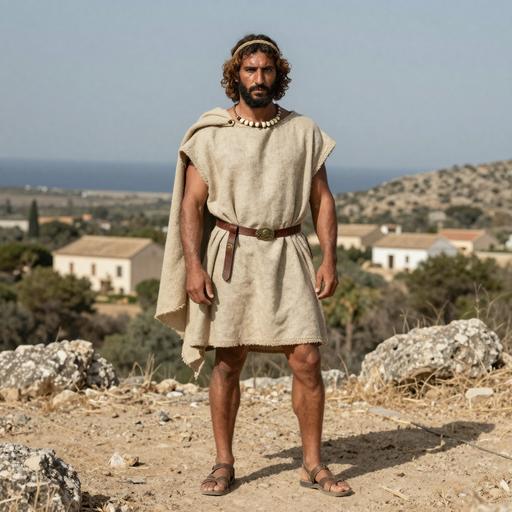
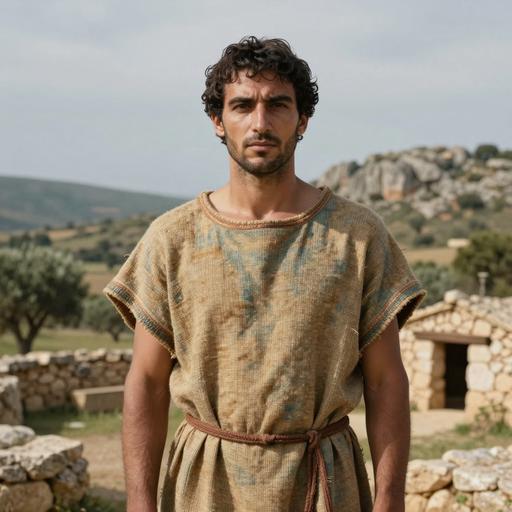
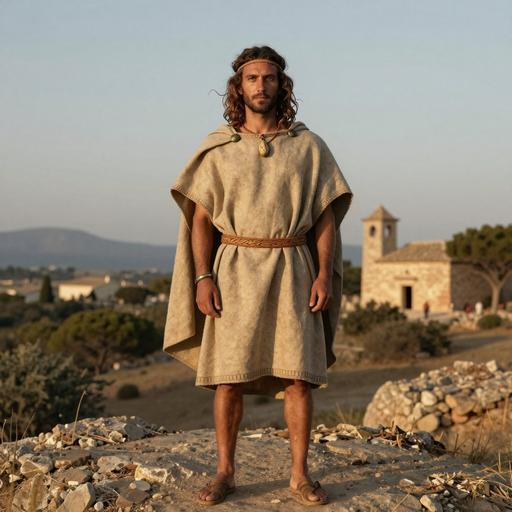
The genetic portrait from these 24 individuals reveals a layered ancestry. Paternal haplogroups are dominated by R (11 individuals) with a smaller representation of P (3). Maternal lineages are largely Neolithic and post‑Neolithic types: K (7), H (6, including H1j counted at 3), J (4), and U (2). This distribution suggests that maternal ancestries retain strong continuity with European Neolithic farmer lineages (notably K and J), while the prevalence of Y‑haplogroup R in the paternal record is consistent with wider Bronze Age patterns across western Europe.
Interpreting these patterns requires nuance. Y‑haplogroup R includes many sublineages, some associated in other studies with Bronze Age steppe‑related expansions; however, we cannot assign specific subclades without further resolution. Haplogroup P, rarer in these data, signals either under‑sampled local diversity or occasional arrivals from different population strands. Maternal haplogroups K and H are common in ancient and modern Europe and often reflect long‑standing Neolithic maternal continuity, while J and U point to older Near Eastern and Mesolithic contributions respectively.
Site‑level contrasts appear: some Balearic individuals carry a higher proportion of K and H variants consistent with island‑centered continuity, whereas Gibraltar samples (Bray Cave) show a mix that may reflect the promontory’s role as a contact zone. Given the sample count (24) and geographic spread, conclusions are robust at a regional scale but preliminary for fine‑grained demographic modeling. Additional genomes and higher coverage will help resolve timing, sex‑biased admixture, and specific migration routes.