Menu
Store
Blog
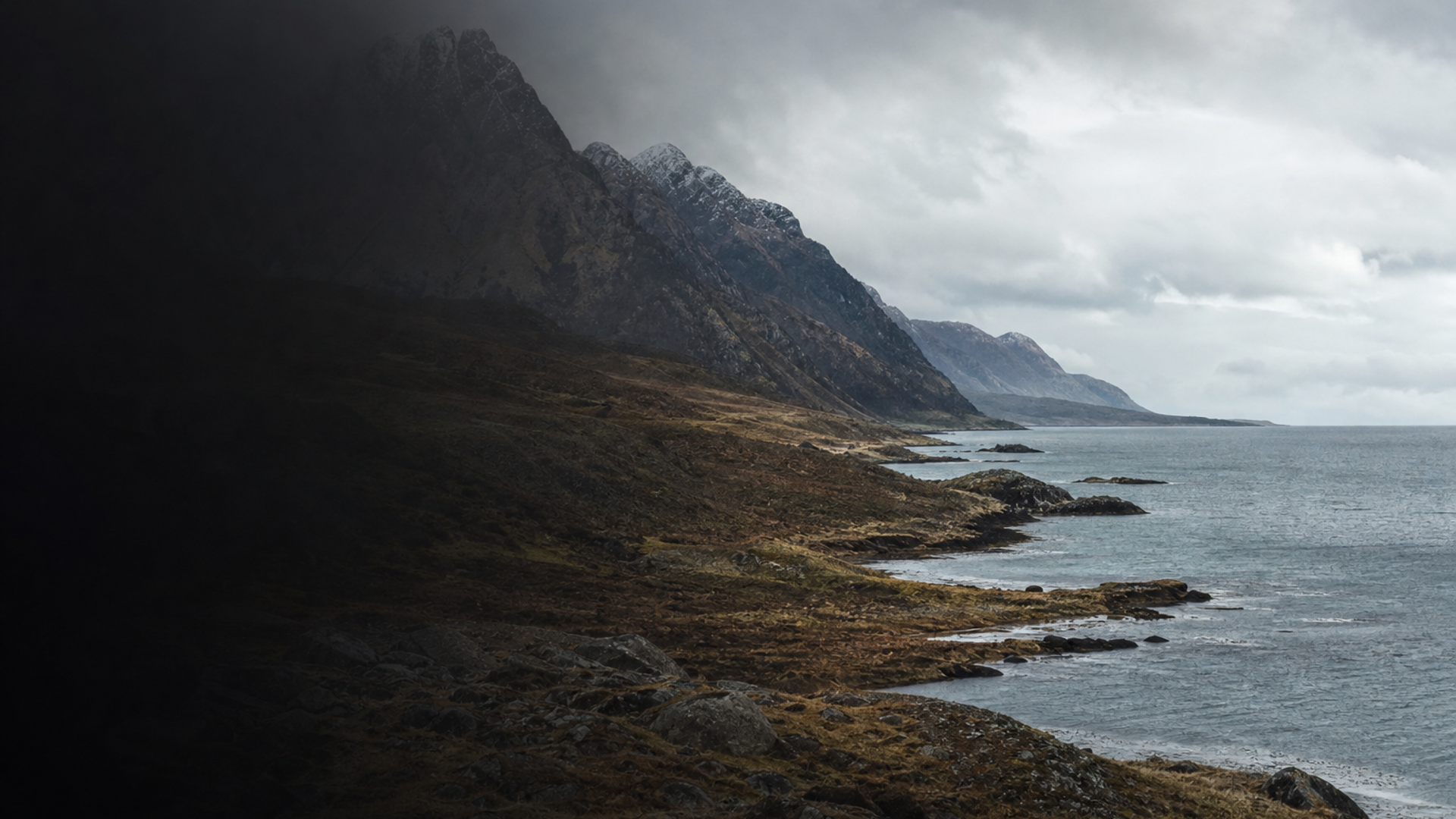
Beagle Channel, Tierra del Fuego, Argentina

Yamana Echoes of the Beagle Channel

A single genomic glimpse of a maritime forager from Río Pipo, Tierra del Fuego (260–600 CE)

260 CE - 6001500 CE
Scroll to begin
Chapter I

The Story

Understanding the Yamana Echoes of the Beagle Channel culture

Archaeogenetic and archaeological evidence from a Río Pipo individual (Beagle Channel, Tierra del Fuego) illuminates Yamana maritime lifeways ca. 260–600 CE. Limited sample size makes conclusions preliminary; genetic markers Q (Y) and C1b (mtDNA) align with broader Indigenous South American ancestries.

Time Period

260–600 CE (≈1500 BP)

Region

Beagle Channel, Tierra del Fuego, Argentina

Common Y-DNA

Q

Common mtDNA

C1b

Chapter II

Timeline

Key moments in the history of this culture

260 CE

Río Pipo individual dated

Single ancient individual from Río Pipo placed at 260–600 CE, representing Yamana maritime life in the Beagle Channel.

Chapter III

Origins & Emergence

Along the jagged margins of the southernmost continent, people of the Beagle Channel carved a life from wind, kelp, and cold seas. Archaeological sites around Tierra del Fuego, including shell middens and ephemeral camps, record generations of maritime foragers known collectively as the Yamana (Yaghan) cultural sphere. The Río Pipo burial — directly dated to roughly 260–600 CE — sits within this broader tapestry.

Limited evidence suggests that the Yamana lifeway emerged from long‑standing coastal occupations in southern Patagonia during the Late Holocene. Archaeological data indicates repeated use of small coves and channels for shellfish, seabirds, and marine mammals, and the manufacture of small skin boats and stone tools adapted to rock‑shelf and shore environments. Environmental reconstructions point to rich marine productivity in the Beagle Channel that could sustain relatively small, mobile groups.

While cultural continuity is visible in artifact styles and settlement patterns across centuries, the Río Pipo genetic sample is a single data point. It offers a tantalizing, preliminary window into the biological ancestry of these maritime communities but cannot alone demonstrate population continuity or broad demographic events across the region. Ongoing archaeological survey and further ancient DNA sampling are necessary to deepen and test these emerging narratives.

  • Río Pipo burial dated to 260–600 CE, Beagle Channel
  • Yamana lifeways characterized by maritime foraging and mobility
  • Evidence is preliminary due to a single genetic sample
Chapter IV

Daily Life & Society

Imagine a dawn over the Beagle Channel: low light on glassy water, a bark or skin craft slipping between islets, hands weaving lines to snare fish and seabirds. Archaeological assemblages from Tierra del Fuego show concentrated shell middens, bird and seal remains, bone and stone tools, and hearths—traces of intensely maritime subsistence strategies. Small, mobile household groups likely exploited seasonal resources and used intimate knowledge of tidal flows and weather to navigate the archipelago.

Shell middens at sites across the channel contain layered deposits indicating repeated, long‑term use of the same coves. Toolkits emphasize lightweight, repairable implements suitable for a seafaring life: composite bone points, small lithic scrapers, and personal ornaments made from shells and bone. Ethnohistoric accounts from the last few centuries describe canoe travel, inter‑island exchange, and flexible social networks—patterns that archaeological data suggest have deep roots. Social organization was probably egalitarian at the household scale but structured by kin ties, resource access, and seasonal aggregation.

Archaeological data indicate cultural resilience in a harsh environment, but linking specific artifacts to genetic individuals like the Río Pipo sample remains a frontier challenge: the material record captures practices, while DNA captures ancestry, and integrating the two yields the richest reconstructions.

  • Maritime foraging: shellfish, seabirds, seals, and fish
  • Small, mobile households with canoe-based mobility
Chapter V

Genetic Profile

The Río Pipo individual yields a classic combination within southern Native American variation: Y‑chromosome haplogroup Q (paternal) and mitochondrial haplogroup C1b (maternal). Haplogroup Q is widespread among Native American paternal lineages and consistent with an ancestral connection to earlier continental migrations into the Americas. Mitochondrial C1b is one of several founding maternal lineages found throughout South America and has been observed in southern regions in previous modern and ancient datasets.

Because the dataset here comprises a single ancient genome (sample count = 1), conclusions must be cautious. Limited evidence suggests genetic continuity with broader Indigenous South American gene pools rather than clear signals of late external admixture. Archaeogenetic patterns from neighboring regions indicate that southern Patagonia and Tierra del Fuego were part of a network of related groups with local differentiation driven by mobility, drift, and small effective population sizes.

Genetic data can illuminate sex‑biased processes, kinship, and mobility when sample sizes allow. In this case, the paternal Q and maternal C1b assignments are compatible with a long‑standing Indigenous presence in southernmost South America. However, with <10 samples (here n=1), statements about population structure, demographic change, or precise affinities remain highly preliminary. Future aDNA from multiple sites and time slices will be needed to test hypotheses of continuity, isolation, or contact.

  • Y‑DNA Q: aligns with wider Native American paternal lineages
  • mtDNA C1b: common in southern South American maternal lineages
Chapter VI

Legacy & Modern Connections

The Río Pipo genome forms a bridge between archaeology and the living descendants of the region. Genetic markers echo lineages still present in Indigenous communities across southern South America, reinforcing that the peoples of the Beagle Channel are part of a deep, continuous human story on the southern rim. Archaeological remains—middens, tools, and boat fragments—carry cultural memories of maritime skill and adaptation.

Yet legacy is more than genetics: it includes languages, place knowledge, and embodied practices recorded in material culture and oral histories. For scientists, the combination of careful excavation, respectful consultation with descendant communities, and expanded ancient DNA sampling will allow richer, more accurate narratives. Given the single sample, claims about direct ancestry to specific modern groups should be restrained; the evidence gestures toward continuity but remains preliminary.

  • Genetic signals align with broader Indigenous South American ancestry
  • Archaeology and DNA together illuminate maritime cultural continuity, but more samples are needed
AI Powered

AI Assistant

Ask questions about the Yamana Echoes of the Beagle Channel culture

AI Assistant by DNAGENICS

Unlock this feature
Ask questions about the Yamana Echoes of the Beagle Channel culture. Our AI assistant can explain genetic findings, historical context, archaeological evidence, and modern connections.
Sample AI Analysis

The Yamana Echoes of the Beagle Channel culture represents a fascinating chapter in human history...

Genetic analysis reveals connections to earlier populations while showing evidence of unique adaptations and cultural innovations. The ancient DNA samples provide insights into migration patterns, social structures, and the biological relationships between ancient populations.

This is a preview of the AI analysis. Unlock the full AI Assistant to explore detailed insights about:

  • Genetic composition and ancestry
  • Migration patterns and origins
  • Daily life and cultural practices
  • Modern genetic legacy
Use code for 35% off Expires May 20