


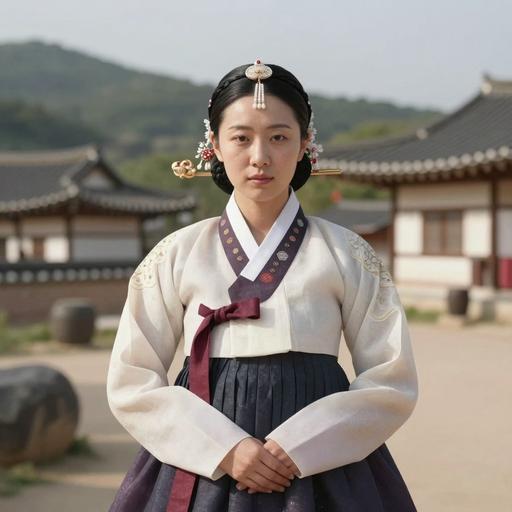
| Individual | Culture/Period | Date | Location | Action |
|---|---|---|---|---|
| Republicof Korea Three Kingdoms individual, South Korea | The Three Kingdoms of Korea | 300-500 CE | Gyeongsangnam-do. Daeseong-dong, South Korea | View |
| Republicof Korea Three Kingdoms individual, South Korea | The Three Kingdoms of Korea | 300-500 CE | Gyeongsangnam-do. Daeseong-dong, South Korea | View |
| Republicof Korea Three Kingdoms individual, South Korea | The Three Kingdoms of Korea | 300-500 CE | Gyeongsangnam-do. Daeseong-dong, South Korea | View |
| Republicof Korea Three Kingdoms individual, South Korea | The Three Kingdoms of Korea | 300-500 CE | Gyeongsangnam-do. Daeseong-dong, South Korea | View |
| Republicof Korea Three Kingdoms individual, South Korea | The Three Kingdoms of Korea | 300-500 CE | Gyeongsangnam-do. Daeseong-dong, South Korea | View |
| Republicof Korea Three Kingdoms individual, South Korea | The Three Kingdoms of Korea | 300-500 CE | Gyeongsangnam-do. Daeseong-dong, South Korea | View |
| Republicof Korea Three Kingdoms individual, South Korea | Three Kingdoms Period Yuha-ri, Gimhae, South Korea | 300-500 CE | Gyeongsangnam-do. Yuha-ri, South Korea | View |
| Republicof Korea Three Kingdoms individual, South Korea | The Three Kingdoms of Korea | 300-500 CE | Gyeongsangnam-do. Daeseong-dong, South Korea | View |
Page 1
| Individual | Culture/Period | Date | Location | Action |
|---|---|---|---|---|
| Republicof Korea Three Kingdoms individual, South Korea | The Three Kingdoms of Korea | 300-500 CE | Gyeongsangnam-do. Daeseong-dong, South Korea | View |
| Republicof Korea Three Kingdoms individual, South Korea | The Three Kingdoms of Korea | 300-500 CE | Gyeongsangnam-do. Daeseong-dong, South Korea | View |
| Republicof Korea Three Kingdoms individual, South Korea | The Three Kingdoms of Korea | 300-500 CE | Gyeongsangnam-do. Daeseong-dong, South Korea | View |
| Republicof Korea Three Kingdoms individual, South Korea | The Three Kingdoms of Korea | 300-500 CE | Gyeongsangnam-do. Daeseong-dong, South Korea | View |
| Republicof Korea Three Kingdoms individual, South Korea | The Three Kingdoms of Korea | 300-500 CE | Gyeongsangnam-do. Daeseong-dong, South Korea | View |
| Republicof Korea Three Kingdoms individual, South Korea | The Three Kingdoms of Korea | 300-500 CE | Gyeongsangnam-do. Daeseong-dong, South Korea | View |
| Republicof Korea Three Kingdoms individual, South Korea | The Three Kingdoms of Korea | 300-500 CE | Gyeongsangnam-do. Daeseong-dong, South Korea | View |
Page 1