


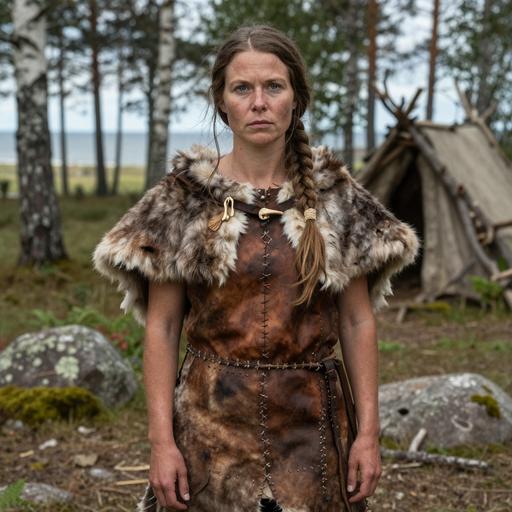
| Individual | Culture/Period | Date | Location | Action |
|---|---|---|---|---|
| Mesolithic individual, Sweden | Mesolithic Sweden | 7083 BCE | Stora Förvar, Sweden | View |
| European Hunter-Gatherers individual, Sweden | Mesolithic Sweden | 7350 BCE | Stora Förvar, Sweden | View |
| European Hunter-Gatherers individual, Sweden | Mesolithic Sweden | 7013 BCE | Stora Bjers, Sweden | View |
| European Hunter-Gatherers individual, Sweden | Mesolithic Sweden | 7073 BCE | Stora Förvar, Sweden | View |
| Scandinavian Hunter-Gatherers individual, Norway | Mesolithic Norway | 7502 BCE | Hummervikholmen, Norway | View |
| Norse individual, Norway | Neolithic Hunter-Gatherer Norway | 4000 BCE | Steigen, Norway | View |
| Scandinavian Hunter-Gatherers individual, Norway | Mesolithic Norway | 7502 BCE | Hummervikholmen, Norway | View |
| Nordic Hg individual, Norway | 7502 BCE | Hummervikholmen, Norway | View | |
| Nordic Hg individual, Norway | 7502 BCE | Hummervikholmen, Norway | View | |
| Nordic Hg individual, Sweden | 7013 BCE | Stora Bjers, Sweden | View | |
| Nordic Hg individual, Sweden | 7073 BCE | Stora Förvar, Sweden | View | |
| Nordic Hg individual, Sweden | 7350 BCE | Stora Förvar, Sweden | View | |
| Nordic Hg N individual, Norway | 4000 BCE | Steigen, Norway | View |
Page 1
| Individual | Culture/Period | Date | Location | Action |
|---|---|---|---|---|
| Mesolithic individual, Sweden | Mesolithic Sweden | 7083 BCE | Stora Förvar, Sweden | View |
| European Hunter-Gatherers individual, Sweden | Mesolithic Sweden | 7350 BCE | Stora Förvar, Sweden | View |
| European Hunter-Gatherers individual, Sweden | Mesolithic Sweden | 7013 BCE | Stora Bjers, Sweden | View |
| European Hunter-Gatherers individual, Sweden | Mesolithic Sweden | 7073 BCE | Stora Förvar, Sweden | View |
| Mesolithic individual, Sweden | Mesolithic Sweden | 8238 BCE | Hanaskede (Västra Götalands län, Skara), Sweden | View |
| Mesolithic individual, Sweden | Mesolithic Sweden | 7943 BCE | Bredgården (Västra Götalands län, Ulricehamn), Sweden | View |
Page 1