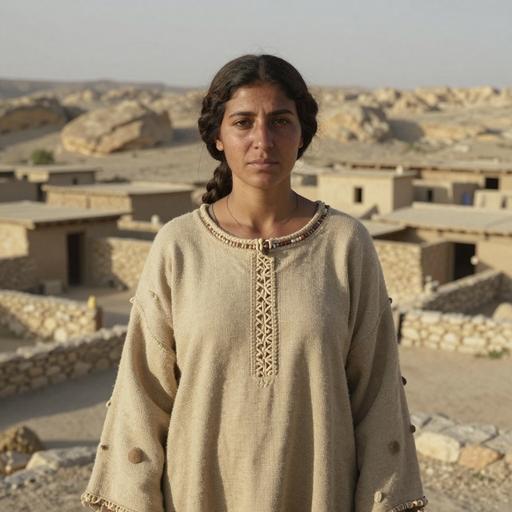
Overview
Pre-Pottery Neolithic B (PPNB) in Jordan represents a phase of early village life before the widespread use of pottery. Communities relied on agriculture and managed herds, while building and maintaining durable domestic spaces and producing a recognizable material record.
Region & Environment
Jordan’s PPNB communities operated in a varied setting that included riverine/wadi corridors, steppe margins, and agriculturally favorable terraces and basins. Seasonal water availability and access to grazing would have influenced where settlements could be maintained and how herding and cultivation were organized.
Historical Context
The 7th–6th millennium BCE falls within the broader development of the Neolithic in the Levant, when increasing reliance on crops and domesticated animals accompanied the growth of sedentary or semi-sedentary settlements. In this timeframe, Jordan participated in the wider cultural and technological trends of the Fertile Crescent and neighboring Levantine regions, though local expressions remained important.
Populations & Lifeways
PPNB populations in Jordan were likely mixed farming and herding communities. Domestic life centered on households and communal building traditions, with regular maintenance of settlement areas. Subsistence would have drawn on cultivated plant foods and on managed animals, complemented by hunting and foraging where locally available.
Archaeology & Material Culture
Archaeological signatures commonly associated with PPNB include:
- Durable architecture (often with plastered surfaces) and structured domestic spaces
- Lithic industries focused on stone tool production and replacement
- Bone/antler tools and craft-related implements, where preserved
- Evidence of long-term occupation through repeated rebuilding and activity areas
Because this era is defined here at a regional level, specific site lists and chronometric details are not provided.
Culture & Society
PPNB societies emphasized stable settlement and the organization of everyday labor—building, food production, toolmaking, and household maintenance. Material choices (such as stone tool forms and plaster finishes) suggest shared technological knowledge and social practices connected to domestic routines. The degree of interaction with other Levantine groups would have varied by location and access to resources.
Legacy & Transition
The PPNB in Jordan contributed to the long-term trajectory of Neolithic life in the region, setting foundations for subsequent developments in subsistence strategies and settlement organization. Over time, these communities transitioned toward later Neolithic phases (and eventually the use of pottery), reflecting changing technologies and regional connections.