


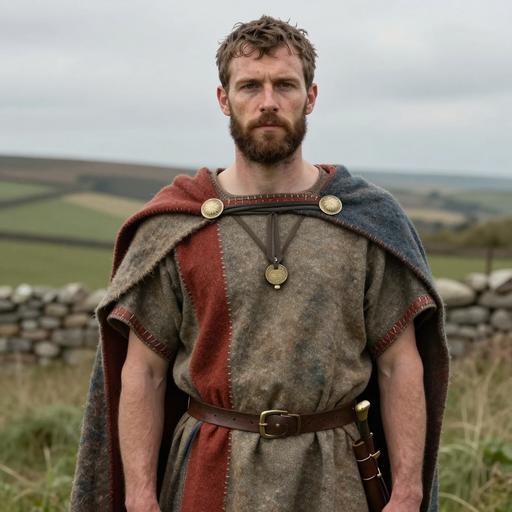
| Individual | Culture/Period | Date | Location | Action |
|---|---|---|---|---|
| Celtic individual, United Kingdom | Iron Age to Roman England | 50 CE | England. Yorkshire. Driffield Terrace, United Kingdom | View |
| Celtic individual, United Kingdom | Iron Age to Roman England | 50 CE | England. Yorkshire. Driffield Terrace, United Kingdom | View |
| Celtic individual, United Kingdom | Iron Age to Roman England | 50 CE | England. Yorkshire. Driffield Terrace, United Kingdom | View |
| Celtic individual, United Kingdom | Iron Age to Roman England | 50 CE | England. Yorkshire. Driffield Terrace, United Kingdom | View |
| Celtic individual, United Kingdom | Iron Age to Roman England | 50 CE | England. Yorkshire. Driffield Terrace, United Kingdom | View |
| Anglo-Saxon/Germanic individual, United Kingdom | Early Medieval Saxon England | 600 CE | England. North Yorkshire. Stockton-on-Tees. Norton. Norton Bishops Mill, United Kingdom | View |
| Celtic individual, United Kingdom | Iron Age to Roman England | 50 CE | England. Yorkshire. Driffield Terrace, United Kingdom | View |
| Celtic individual, United Kingdom | Iron Age to Roman England | 50 CE | England. Yorkshire. Driffield Terrace, United Kingdom | View |
| Celtic individual, United Kingdom | Iron Age England | 210 BCE | England. Yorkshire. East Riding. North Ferriby. Melton Quarry, United Kingdom | View |
| England Early Medieval Saxon individual, United Kingdom | Early Medieval Saxon England | 600 CE | Norton East Mill / Bishops Mill (England, North Yorkshire, Stockton-on-Tees, Norton), United Kingdom | View |
| Anglo Saxon individual, United Kingdom | 600 CE | England. North Yorkshire. Stockton-on-Tees. Norton. Norton Bishops Mill, United Kingdom | View | |
| Britain Roman individual, United Kingdom | 50 CE | England. Yorkshire. Driffield Terrace, United Kingdom | View | |
| Britain Roman individual, United Kingdom | 50 CE | England. Yorkshire. Driffield Terrace, United Kingdom | View | |
| Britain Roman individual, United Kingdom | 50 CE | England. Yorkshire. Driffield Terrace, United Kingdom | View | |
| Britain Roman individual, United Kingdom | 50 CE | England. Yorkshire. Driffield Terrace, United Kingdom | View | |
| Britain Roman individual, United Kingdom | 50 CE | England. Yorkshire. Driffield Terrace, United Kingdom | View | |
| Britain Roman individual, United Kingdom | 50 CE | England. Yorkshire. Driffield Terrace, United Kingdom | View | |
| Britain Roman individual, United Kingdom | 50 CE | England. Yorkshire. Driffield Terrace, United Kingdom | View | |
| Britain Ia individual, United Kingdom | 210 BCE | England. Yorkshire. East Riding. North Ferriby. Melton Quarry, United Kingdom | View |
Page 1
| Individual | Culture/Period | Date | Location | Action |
|---|---|---|---|---|
| Britain Roman individual, United Kingdom | 50 CE | England. Yorkshire. Driffield Terrace, United Kingdom | View | |
| Britain Roman individual, United Kingdom | 50 CE | England. Yorkshire. Driffield Terrace, United Kingdom | View | |
| Britain Roman individual, United Kingdom | 50 CE | England. Yorkshire. Driffield Terrace, United Kingdom | View | |
| Britain Roman individual, United Kingdom | 50 CE | England. Yorkshire. Driffield Terrace, United Kingdom | View | |
| Britain Roman individual, United Kingdom | 50 CE | England. Yorkshire. Driffield Terrace, United Kingdom | View | |
| Britain Roman individual, United Kingdom | 50 CE | England. Yorkshire. Driffield Terrace, United Kingdom | View | |
| Britain Roman individual, United Kingdom | 50 CE | England. Yorkshire. Driffield Terrace, United Kingdom | View |
Page 1