


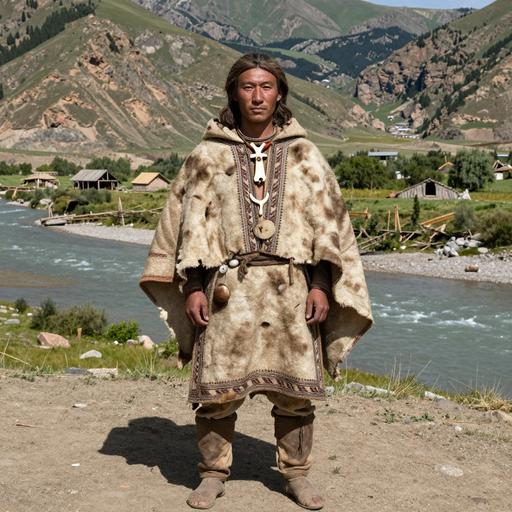
| Individual | Culture/Period | Date | Location | Action |
|---|---|---|---|---|
| Indo-European individual, Russia | Afanasievo Culture | 2800 BCE | Altai Mountains. Yenisey River. left bank of Karasuk tributary. Karasuk III, Russia | View |
| Indo-European individual, Russia | Afanasievo Culture | 2844 BCE | Altai Mountains. Yenisey River. left bank of Karasuk tributary. Karasuk III, Russia | View |
| Indo-European individual, Russia | Afanasievo Culture | 2879 BCE | Altai Mountains. Yenisey River. left bank of Karasuk tributary. Karasuk III, Russia | View |
| Indo-European individual, Russia | Afanasievo Culture | 2618 BCE | Altai Mountains. Yenisey River. left bank of Karasuk tributary. Karasuk III, Russia | View |
| Afanasievo individual, Russia | 2800 BCE | Altai Mountains. Yenisey River. left bank of Karasuk tributary. Karasuk III, Russia | View | |
| Afanasievo individual, Russia | 2844 BCE | Altai Mountains. Yenisey River. left bank of Karasuk tributary. Karasuk III, Russia | View | |
| Afanasievo individual, Russia | 2879 BCE | Altai Mountains. Yenisey River. left bank of Karasuk tributary. Karasuk III, Russia | View | |
| Afanasievo individual, Russia | 2618 BCE | Altai Mountains. Yenisey River. left bank of Karasuk tributary. Karasuk III, Russia | View |
Page 1
| Individual | Culture/Period | Date | Location | Action |
|---|---|---|---|---|
| Afanasievo individual, Russia | 2889 BCE | Bateni, Russia | View | |
| Afanasievo individual, Russia | 2889 BCE | Bateni, Russia | View | |
| Afanasievo individual, Russia | 2618 BCE | Altai Mountains. Yenisey River. left bank of Karasuk tributary. Karasuk III, Russia | View | |
| Afanasievo individual, Russia | 3323 BCE | River Kuyum, Russia | View | |
| Afanasievo individual, Russia | 2848 BCE | Bateni, Russia | View | |
| Afanasievo individual, Russia | 2909 BCE | Bateni, Russia | View | |
| Afanasievo individual, Russia | 2800 BCE | Altai Mountains. Yenisey River. left bank of Karasuk tributary. Karasuk III, Russia | View | |
| Afanasievo individual, Russia | 2844 BCE | Altai Mountains. Yenisey River. left bank of Karasuk tributary. Karasuk III, Russia | View | |
| Afanasievo individual, Russia | 2879 BCE | Altai Mountains. Yenisey River. left bank of Karasuk tributary. Karasuk III, Russia | View | |
| Afanasievo individual, Russia | 2618 BCE | Altai Mountains. Yenisey River. left bank of Karasuk tributary. Karasuk III, Russia | View | |
| Afanasievo individual, Russia | 2800 BCE | Altai Mountains. Yenisey River. left bank of Karasuk tributary. Karasuk III, Russia | View |
Page 1