


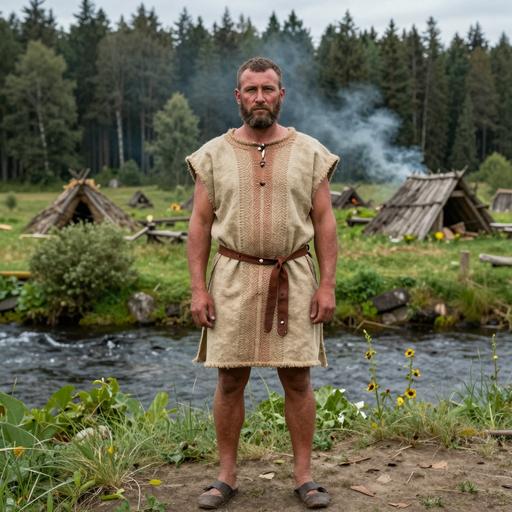
| Individual | Culture/Period | Date | Location | Action |
|---|---|---|---|---|
| Proto-Indo-European individual, Estonia | Corded Ware Culture, Estonia | 2575 BCE | Kursi. Jõgeva, Estonia | View |
| Proto-Indo-European individual, Estonia | Corded Ware Culture, Estonia | 2872 BCE | Ardu. Harju, Estonia | View |
| Proto-Indo-European individual, Estonia | Corded Ware Culture, Estonia | 2872 BCE | Ardu. Harju, Estonia | View |
| Proto-Indo-European individual, Estonia | Corded Ware Culture, Estonia | 2850 BCE | Kursi. Jõgeva, Estonia | View |
| Baltic Hunter-Gatherers individual, Estonia | Neolithic Comb Ceramic Culture, Estonia | 3785 BCE | Kudruküla. Ida-Viru, Estonia | View |
| Baltic Hunter-Gatherers individual, Estonia | Neolithic Comb Ceramic Culture, Estonia | 3646 BCE | Kudruküla. Ida-Viru, Estonia | View |
| Baltic Hunter-Gatherers individual, Estonia | Neolithic Comb Ceramic Culture, Estonia | 3785 BCE | Kudruküla (Ida-Viru County, Narva-Jõesuu Municipality, Narva-Jõesuu Town), Estonia | View |
| Baltic Hunter-Gatherers individual, Estonia | Neolithic Comb Ceramic Culture, Estonia | 3646 BCE | Kudruküla (Ida-Viru County, Narva-Jõesuu Municipality, Narva-Jõesuu Town), Estonia | View |
| Corded Ware individual, Estonia | 2872 BCE | Ardu. Harju, Estonia | View | |
| Corded Ware individual, Estonia | 2872 BCE | Ardu. Harju, Estonia | View | |
| Corded Ware individual, Estonia | 2850 BCE | Kursi. Jõgeva, Estonia | View | |
| Neolithic individual, Estonia | 3646 BCE | Kudruküla. Ida-Viru, Estonia | View | |
| Baltic Ln individual, Estonia | 2575 BCE | Kursi. Jõgeva, Estonia | View |
Page 1
| Individual | Culture/Period | Date | Location | Action |
|---|---|---|---|---|
| Baltic Hunter-Gatherers individual, Estonia | Neolithic Comb Ceramic Culture, Estonia | 3785 BCE | Kudruküla. Ida-Viru, Estonia | View |
| Baltic Hunter-Gatherers individual, Estonia | Neolithic Comb Ceramic Culture, Estonia | 3646 BCE | Kudruküla. Ida-Viru, Estonia | View |
| Baltic Hunter-Gatherers individual, Estonia | Neolithic Comb Ceramic Culture, Estonia | 3785 BCE | Kudruküla (Ida-Viru County, Narva-Jõesuu Municipality, Narva-Jõesuu Town), Estonia | View |
| Baltic Hunter-Gatherers individual, Estonia | Neolithic Comb Ceramic Culture, Estonia | 3646 BCE | Kudruküla (Ida-Viru County, Narva-Jõesuu Municipality, Narva-Jõesuu Town), Estonia | View |
Page 1