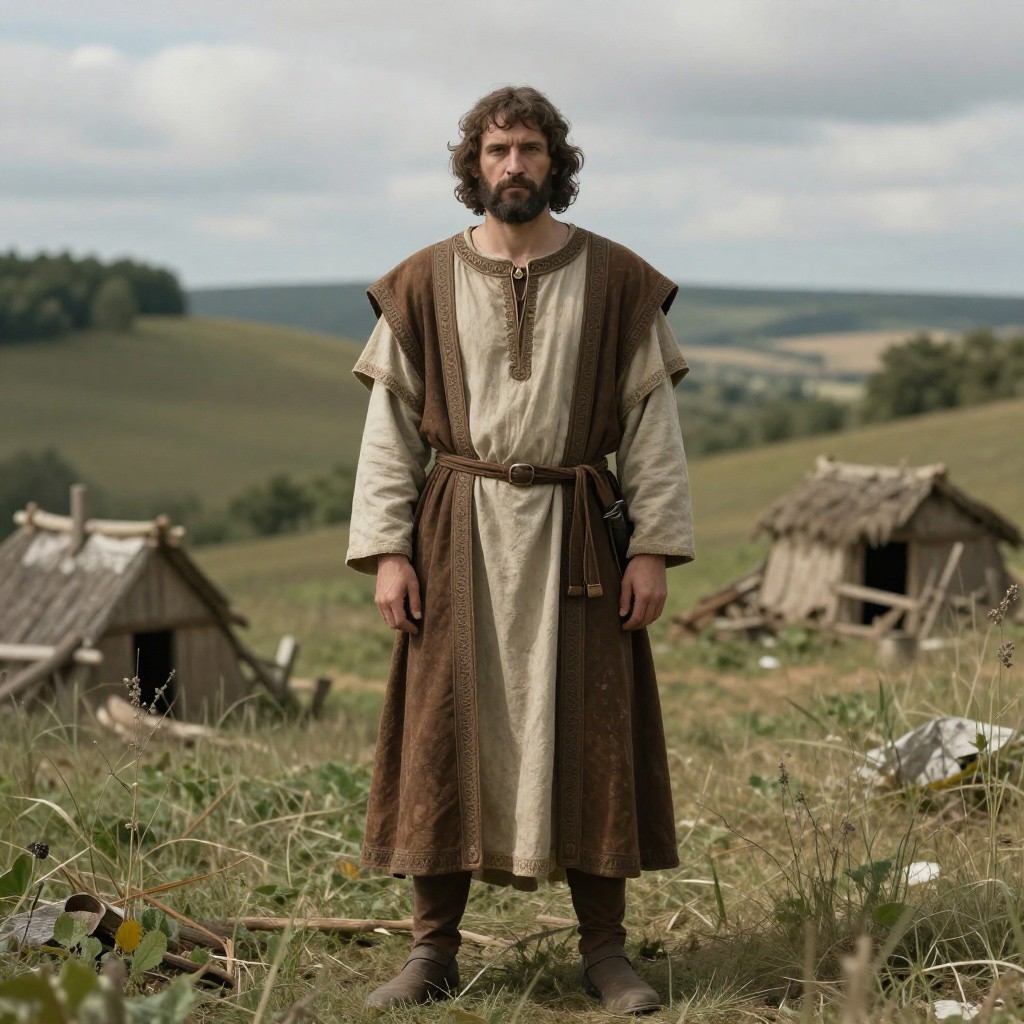
Medieval archaeological contexts in northeastern and central France reflect how communities organized daily life, managed land and resources, and participated in broader social institutions.
Region & Environment
The region is framed by temperate European environments: agriculturally productive soils, patchworks of fields and pasture, and nearby wooded areas that supported fuel collection and craft activities. Rivers and springs would have influenced where people settled and how water was accessed for households and livestock.
Historical Context
In the medieval period, communities across France were increasingly connected through local lordships, regional markets, and the growing presence of ecclesiastical institutions. Landscape use—arable cultivation, pasture, and woodland exploitation—was typically organized at local scales, while political and economic change shaped settlement stability and building campaigns.
Populations & Lifeways
The population would have been largely rural, with lifeways centered on farming and domestic production. Households practiced crop growing and animal husbandry, complemented by seasonal activities such as woodland gathering and craft work needed for tools, repair, and food processing. Social differentiation likely existed, but the archaeological signature is most often visible through differences in household wealth, building quality, and access to trade goods.
Archaeology & Material Culture
Material culture in medieval French contexts is commonly identified through building remains (post-built structures, pits, and hearths), refuse deposits, and craft-related features. Assemblages often include ceramics for cooking and storage, iron tools and fittings, and everyday items reflecting dietary and household routines. As elsewhere, earlier landscape disturbances and later reuse can affect how stratigraphy is interpreted.
Culture & Society
Medieval society combined household economies with participation in wider communities through exchange, religious practice, and administration. Pottery styles, small metal objects, and the organization of refuse areas can help distinguish local practices from broader regional trends. Social organization is often inferred cautiously from settlement layout, activity areas, and the distribution of material goods.
Legacy & Transition
The end of this medieval phase involved continued transformation of settlement organization, land use, and building practices. Later periods reworked many medieval landscapes, so traces of earlier occupations persist mainly through archaeological deposits and the longer-term continuity of field and route systems. Understanding these transitions helps place individual medieval localities within the wider history of changing rural economies in France.